Sofwave for Jowls: Who Sees Real Lift in 1 Round?
Sofwave uses focused ultrasound to trigger new collagen in a sagging neck and jawline — but results take a few months to show, and how many sessions you need depends on how much sagging you're starting with.

If you've noticed your jawline losing its edge, or a little softness settling in under your chin, you're not alone — it's one of the most common early signs people bring up about neck and jawline sagging. Sofwave can genuinely help, but the change doesn't show up the day you walk out of the treatment room, and how many sessions you actually need depends a lot on where you're starting from. In this article, we'll cover how Sofwave works on the neck and jawline, when results actually show up, and how many sessions most people end up needing.
What Is Sofwave, and How Does It Treat Sagging?
Sofwave is an FDA-cleared ultrasound device that sends focused energy to a precise depth in the dermis — the layer of skin that holds collagen and gives your face its structure. It doesn't cut or reposition tissue the way a facelift does. Instead, it triggers your skin's own repair process, which rebuilds collagen over the following weeks. For a sagging jawline or a neck that's started to lose its angle, that new collagen is what gradually firms things back up.
How Does Sofwave Tighten the Neck and Jawline?
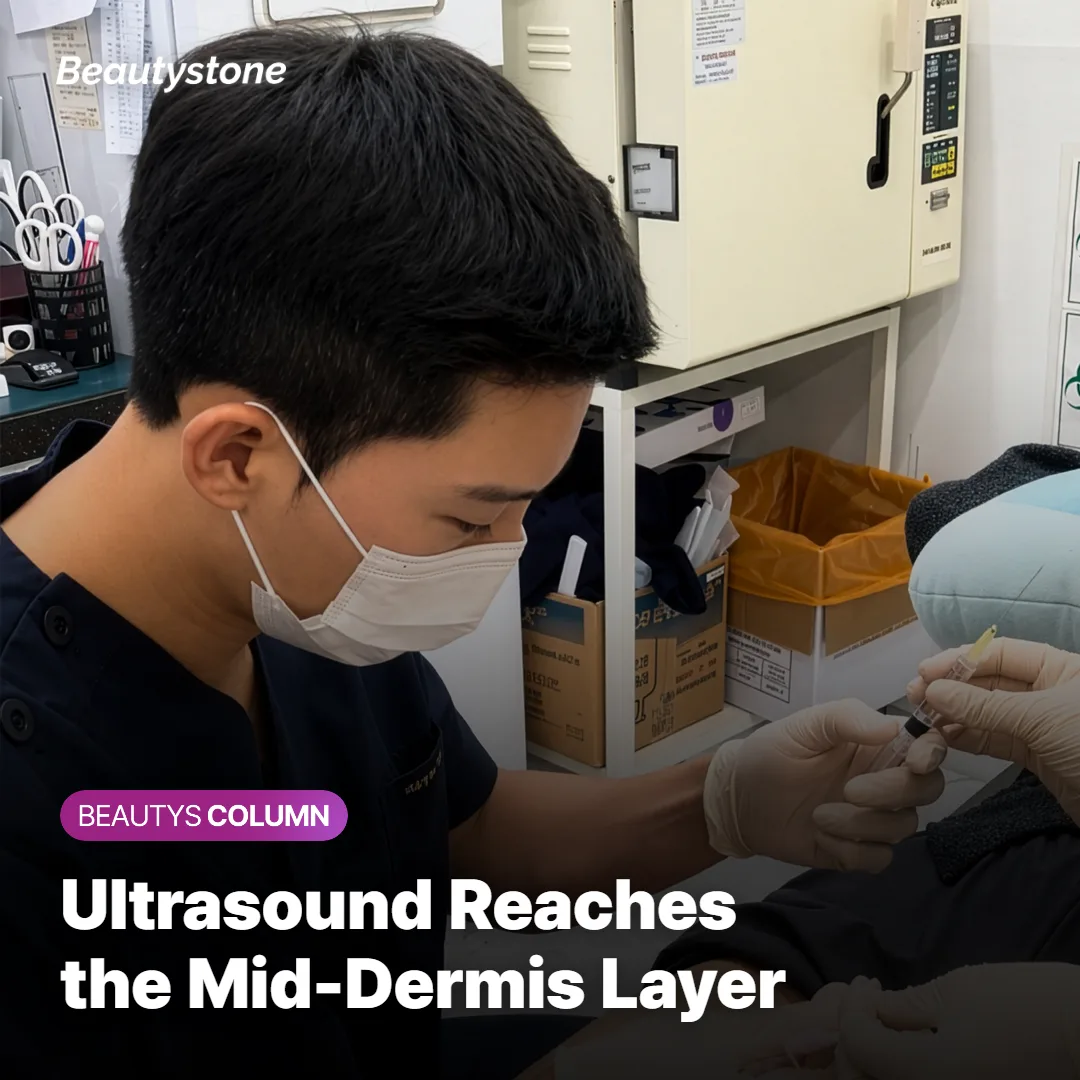
Here's how it works: the device sends ultrasound energy through the surface of the skin down to a consistent depth in the mid-dermis, where collagen-producing cells live. That focused heat creates tiny, controlled zones of injury — enough to kick off a repair response, not enough to damage the surface. As your skin heals, it lays down fresh collagen*, and that new collagen is what gradually firms and lifts the treated area.
Collagen*: the structural protein in the dermis that gives skin its firmness and thickness. New collagen forms gradually as skin heals from the treatment, not all at once.
That gradual timeline lines up with the research. A clinical study on ultrasound-based tightening of sagging skin along the jawline and neck found that skin elasticity kept improving through 12 and 24 weeks after treatment — not immediately after the session. It's a useful reminder that a lifting treatment like this is built around patience, not an instant fix.
What's the Timeline for Results?
Sofwave results build in stages, and knowing what's normal at each point makes the wait a lot easier.
| Timing | What's Typical | Why |
|---|---|---|
| Day of treatment | Mild tightness or slight puffiness | Collagen rebuilding hasn't started yet |
| 4–6 weeks | Jawline starts looking a bit more defined | Early collagen remodeling is underway |
| 10–12 weeks | Most noticeable improvement | Commonly used as the before-and-after comparison point |
If your sagging is on the milder side, you may feel satisfied with the change at just a few weeks in. If you're starting from more noticeable laxity, the improvement can feel subtler — which is exactly why comparing photos at the 10–12 week mark tends to be more reliable than judging things the day you walk out of your appointment.
How Many Sofwave Sessions Do You Need?
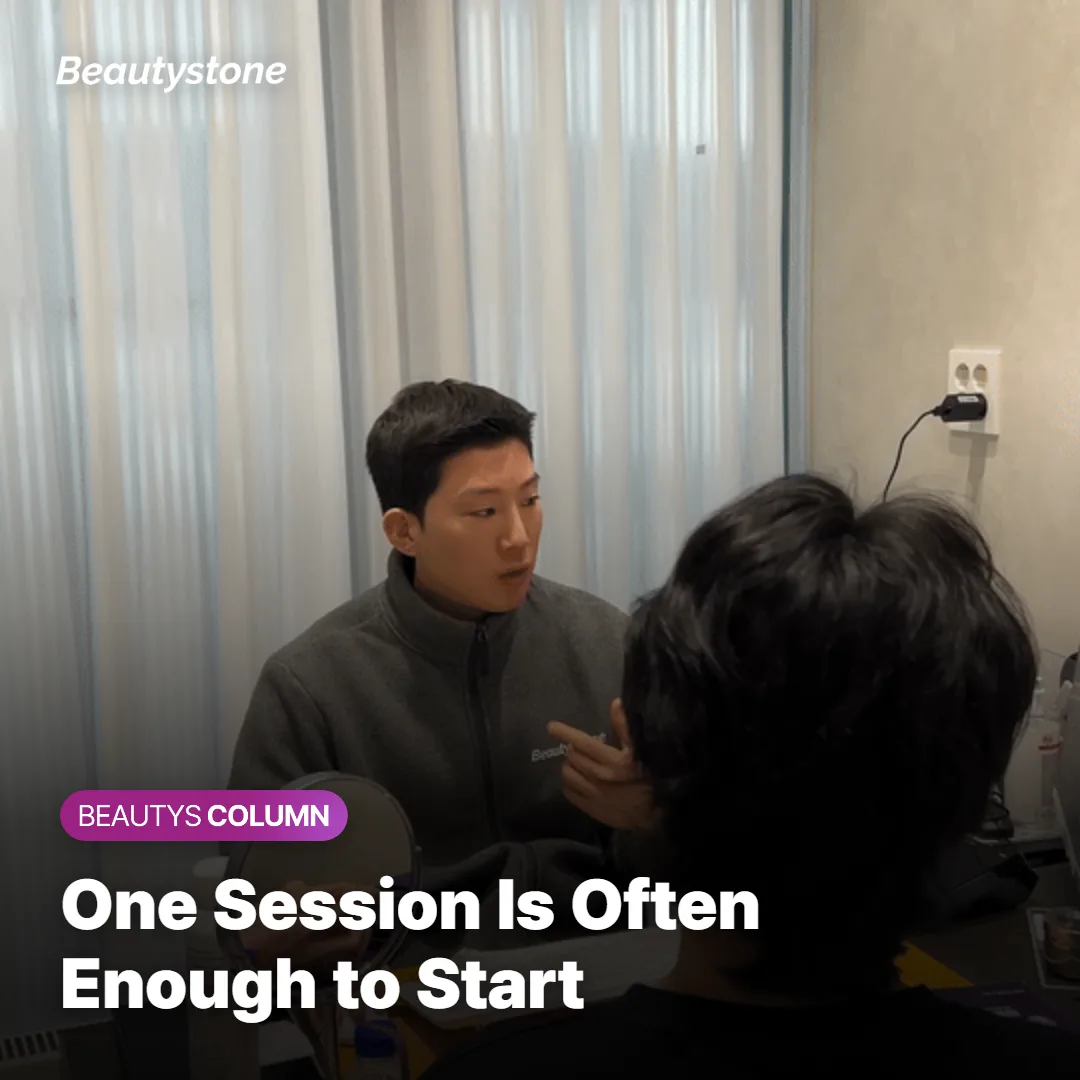
One session is often enough to trigger meaningful collagen rebuilding, but the number that actually makes sense for you depends on how much sagging you're dealing with and how much definition you're after.
- Mild sagging: a single session is often enough — most people notice a sharper jawline without needing a repeat visit.
- Moderate to more visible sagging: results from one session can feel subtle, so some people book a second treatment a few months out once they've seen how the first one settles.
- Maintenance over time: spacing sessions six months to a year apart is more typical than stacking several treatments close together.
A study tracking ultrasound skin-lifting results out to a full year found that improvements held up well over that stretch, which is part of why providers tend to favor a wait-and-evaluate approach over booking back-to-back sessions right away. The right number of sessions for you is really a conversation to have with your provider once they've examined your skin in person.
Side Effects & Risks
Sofwave is generally well tolerated, but it's still an energy-based treatment, and some reaction afterward is normal.
- Redness and mild swelling: common right after treatment, and it usually settles within a day or two.
- Warmth or tenderness: the treated area may feel warm or slightly sensitive to the touch for a short while.
- Temporary tightness: some people notice a pulling sensation for the first day or so as skin reacts to the heat.
Serious complications are uncommon, but if redness spreads, swelling worsens, or you develop a fever, seek medical care right away rather than waiting it out. It's also worth skipping saunas, hot yoga, and intense workouts for a few days afterward, since extra heat and friction on treated skin can slow your recovery down rather than help it.

How Much Does Sofwave Cost?
Pricing for Sofwave varies by clinic, by how much area you're treating, and by whether you're booking a single session or planning a follow-up down the road. We're not listing a flat number here because it genuinely depends on your consultation — how much sagging you have and what your provider recommends both factor into the plan.
A consultation is really the best way to get an accurate number for your case — see current offers at /en/promotion.
Who's a Good Candidate for Sofwave?
Sofwave tends to work best for people with mild to moderate sagging who aren't ready for surgery — think early jowls, a jawline that's lost some of its sharpness, or a neck that's started to soften. It's not a substitute for a facelift when sagging is more advanced, and a good provider will say so plainly during your consultation rather than oversell what one session can do.
A few things worth bringing up before you book:
- How much sagging you actually have: mild concerns typically respond differently than more advanced laxity.
- Your timeline: since results build over two to three months, this isn't the treatment to book the week before a big event.
- Your skin's sensitivity: thinner or more reactive skin may call for adjusted settings.
- Whether you're planning to repeat it: some people are happy with one session; others prefer to build results over time.
Beautystone is a dermatology clinic in Seoul's Hapjeong neighborhood, and providers there typically start by asking what specifically bothers you — a soft jawline versus loose neck skin — since the approach can differ even though the device is the same.
The Bottom Line
Sofwave can meaningfully firm a sagging neck and jawline, but it works on its own timeline — expect the real change to show up over two to three months, not immediately after your appointment. One session is enough for a lot of people; others add a second treatment once they've seen how the first one plays out.
Like any energy-based treatment, it comes with a short recovery window and results that vary from person to person. Ultimately, the choice — and how many sessions make sense — depends on your skin, your goals, and your budget.
If you're considering Sofwave for a sagging neck or jawline, a consultation is the best way to find out what fits you. Beautystone is a dermatology clinic in Seoul's Hapjeong area — see current offers at /en/promotion.
Frequently Asked Questions
Q1. How does Sofwave help with a sagging jawline or neck?
Sofwave sends focused ultrasound energy to a precise depth in the mid-dermis, where collagen-producing cells live. That triggers your skin's own repair process, which gradually rebuilds collagen over the following weeks — and that new collagen is what firms and lifts the treated area, rather than cutting or repositioning tissue like a facelift.
Q2. When will I actually see results?
Results build gradually rather than appearing right after treatment. Research on ultrasound-based tightening for the jawline and neck found that skin elasticity kept improving through 12 and 24 weeks post-treatment, so it's worth thinking of this as a patience-based treatment rather than an instant fix.
Q3. How many sessions does Sofwave typically take?
This depends a lot on your starting point — how much sagging you're dealing with and where. It's best discussed during a consultation so the treatment plan can be tailored to your specific jawline and neck concerns rather than a one-size-fits-all number.
Q4. How much does Sofwave cost?
Cost varies by clinic and by how many sessions your specific case needs, so it's best to confirm pricing during a consultation rather than assume a fixed number.