Ultherapy vs. Thermage Cost: Why Quotes Differ
Ultherapy, Thermage, and thread lift quotes use different units and repeat intervals. Here's how to line them up and compare what you'd pay over one year.
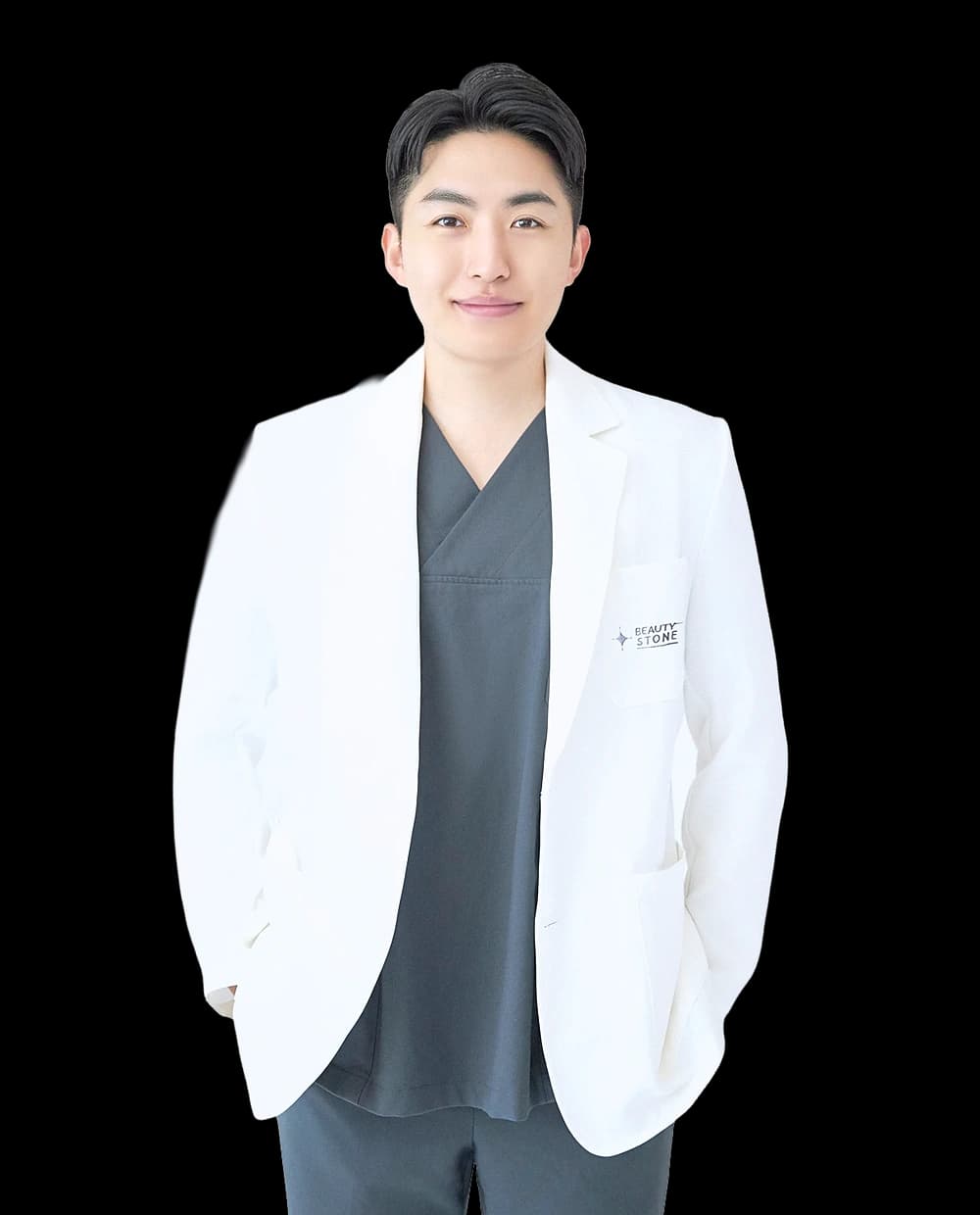
Wi Young-jin
Chief Director, Myeongdong
Lifting quotes use different units: Ultherapy is priced by the number of shots, Thermage by the tip and the shots that tip holds, and a thread lift by the type and number of threads. Each method is also repeated on its own schedule, so a single-session price can't tell you which option actually costs less.
The fair comparison is to put two quotes in the same unit first, then multiply by the sessions you'd need in one year. Below, we'll walk through what each unit buys, how often each treatment tends to be repeated, and what to ask for in writing before you book.
Quick summary
- Match the unit (shots, tip, or thread count) and the repeat interval, then compare the cost over one year.
- After one ultrasound session, changes tend to show between 2 and 6 months; with radiofrequency, around 6 months.
- In a survey of 52 Korean doctors using Thermage FLX, 51.9% said they repeat it after 1 year.
- Absorbable threads dissolve on different timelines: PDO in 6 to 8 months, PCL in 1 to 1.5 years.
What Am I Paying for in an Ultherapy, Thermage, or Thread Lift Quote?
Start with the unit printed on the quote. Ultrasound is priced by how many shots go into each depth, radiofrequency by the tip size and the shots that tip carries, and threads by the material and how many are placed. At the exam, the first thing to sort out is whether the sagging comes from thinning skin on the surface or from a deeper layer that has slid down, because that decides which method makes sense at all.
| Method | Quote unit | What changes the value within that unit | What sets the repeat interval |
|---|---|---|---|
| Focused ultrasound (Ultherapy and similar) | Number of shots | How many depths the shots are split across | Shorter intervals as you get older |
| Radiofrequency (Thermage and similar) | One tip | Tip size and the shot count built into the tip | 1 year was the most common answer (51.9%) |
| Thread lift | Number of threads | Thread material (PDO, PLLA, PCL) and whether it has barbs | Separate from how long the thread takes to dissolve |
When you hold two clinics' quotes side by side, compare the same row with each other and over the same one-year window.
Is the Same Ultherapy Shot Count Always the Same Treatment?
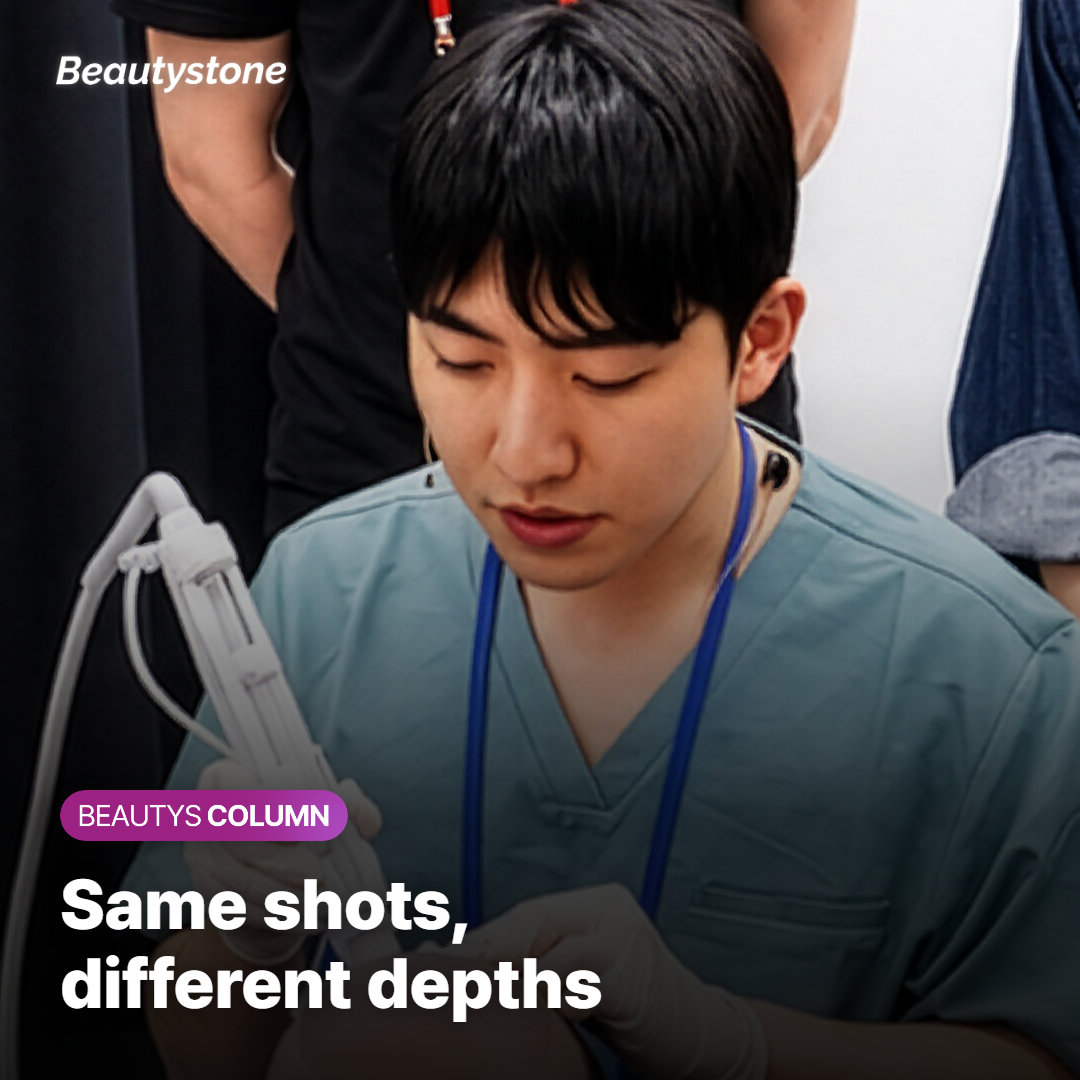
No. Two quotes with the same shot count can describe different treatments, depending on how many depths the shots are split across. With focused ultrasound, the doctor looks under the skin on a screen, picks a transducer for each depth, and plans how many lines go into each one. That's why a quote should state how many shots go to 4.5 mm and how many to 3.0 mm.
One small split-face study compared the two sides of the same face along the folds running down from the corners of the mouth. One side got more lines, more energy, and three depths instead of two. That side showed more tissue lift at 180 and 360 days, but it also scored higher for pain. It was a pilot study, so it can't tell us what happens over several sessions, and individual results vary.
A quote with fewer shots may look cheaper, but if each session delivers less, the two prices aren't measuring the same thing. Ask for the shot split by depth before you compare.
Is a Thermage FLX Quote Priced per Tip or per Shot?
A Thermage quote is usually priced per tip, because each tip is made to deliver a fixed number of shots. In a survey of 52 Korean doctors who use Thermage FLX, 86.5% chose the 4 cm² tip with 600 shots, and 51.9% said they repeat the treatment after 1 year. If the tip size or shot count differs, two single sessions don't deliver the same amount of treatment.
Many people feel a slight tightening on the day itself, and the change tends to become clearer around 6 months as new collagen builds up*. With ongoing skin care, some people keep the result for 2 to 3 years, though how much you see depends on your skin.
*Based on American Academy of Dermatology patient guidance.
So for radiofrequency, the yearly cost only shows up once you know how many sessions a year you're planning, not just the price of one tip.
Why Do Thread Type and Count Change a Thread Lift Quote?
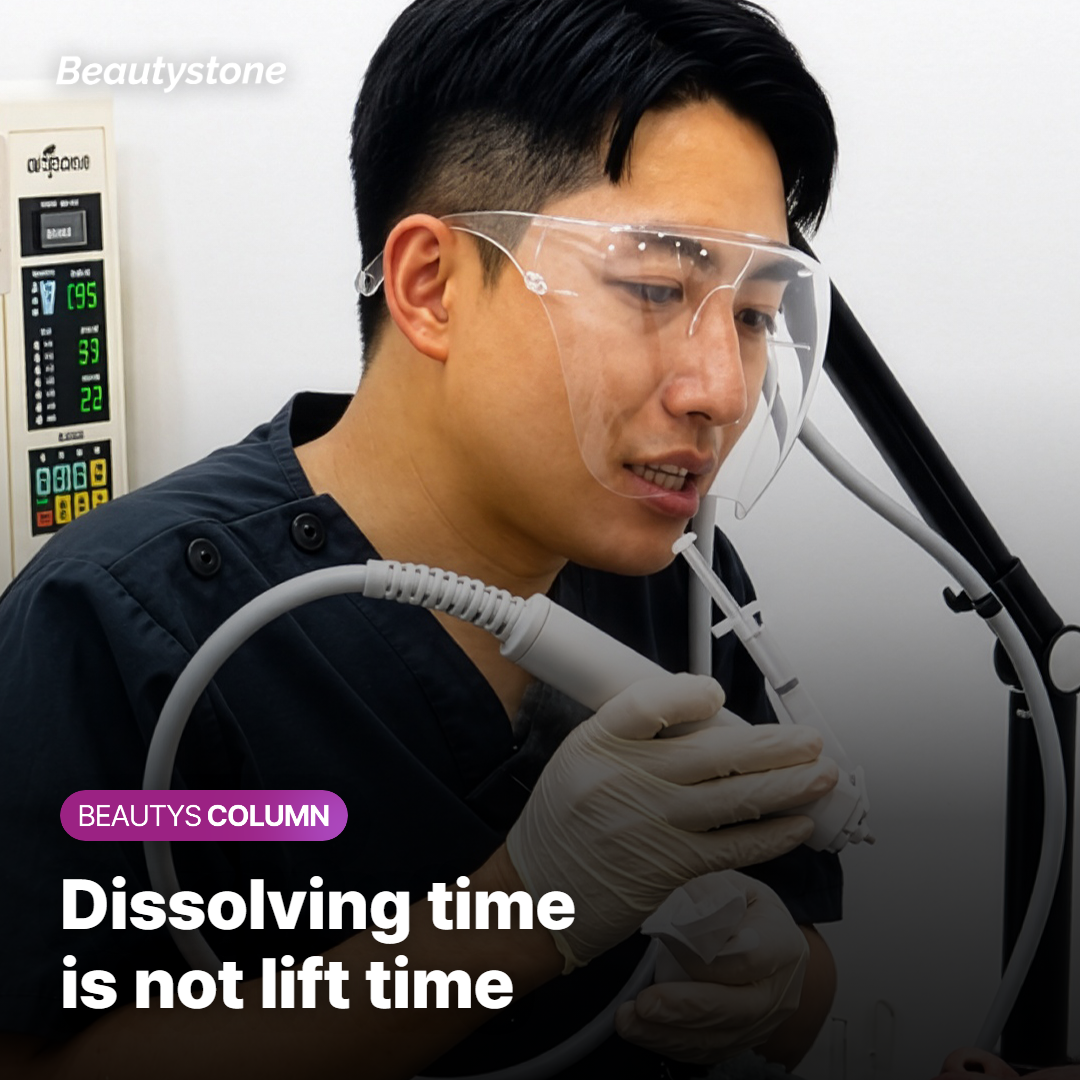
A thread lift quote is set by the thread material and how many threads go in. Each material dissolves on its own timeline: PDO is absorbed over 6 to 8 months, PLLA over about 12 months, and PCL over 1 to 1.5 years.
That said, a thread that stays in longer doesn't mean the lift lasts that long. A review of 12 thread lift studies found that, apart from 2 studies supported by thread makers, the lifting effect didn't hold for long. Don't read the dissolving time as the lifting time.
On a thread quote, check the material, whether the threads are barbed, and the count before you compare the total.
Side Effects and Risks: What Fades and What Needs a Call
After focused ultrasound, redness, swelling, bruising, and tenderness are common and usually mild to moderate. In a pooled analysis of 1,406 people who had absorbable threads, the most frequent reactions were bruising (19.49%), swelling (16.79%), and tenderness (9.96%). If you notice any of the following, don't wait it out; take a photo and contact the clinic right away:
- Blisters or broken, raw skin
- Fever with redness, swelling, and pain that keeps getting worse
- Numbness or a dull, tingling feeling
- Dimpling where a thread went in, or a thread showing through the skin
Rare problems have been reported. In 757 treatments with an older radiofrequency device, second-degree burns with blistering occurred 2.7% of the time. With absorbable threads, infection was reported in 2.49%, sensory changes in 1.14%, and a hematoma (blood pooling into a firm swelling) in 0.64%. Never pop a blister; get it seen that day.
It's better to put off ultrasound or radiofrequency lifting in these cases:
- You're pregnant
- There's a skin infection where you'd be treated
- You take a medication that doesn't mix with heat treatments (tell the doctor what you take)
How Do I Fit a Lifting Treatment Into a Trip to Korea?
There's no need to postpone your flight home because of a lifting treatment, except on a day you had sedation. Sightseeing and photos are a different question. With Ultherapy, swelling at around 300 shots or fewer usually barely shows in photos.
One visit is a starting point. Most of these treatments don't change your face dramatically overnight; the change tends to build gradually, which is why the timing above runs in months. If a plan calls for more than one session, a single trip doesn't replace the later ones.
After you return home, you can send photos to the clinic through the same consultation channel you used before your visit. If warning signs are strong, such as fever or spreading redness, see a local doctor first.
The Bottom Line: How to Compare Two Lifting Quotes
Turn each quote into a one-year cost: the price of one session times the number of sessions you'd have within a year. Before you do that math, make sure each quote spells out these items:
- Ultrasound: how many shots at 4.5 mm and how many at 3.0 mm
- Radiofrequency: the tip size and the shot count on that tip
- Threads: the material, the number, and whether they're barbed
- The planned interval until the next session
At your consultation, start with one question: for my sagging, how many shots at which depth, and how many months apart? That single answer makes every other quote easier to compare. Beautystone is a clinic in Seoul's Hapjeong area, near Hongdae. When you reach out, include a photo of the area that bothers you, any lifting treatments you've had and when, and the dates you'll be in Seoul.
Sources
- Ultrasound at 4.5 mm and 3.0 mm depths in one face and neck session, 35 people — J Am Acad Dermatol, 2010
- Split-face study adding lines, energy, and depth along the mouth-corner folds — Aesthet Surg J, 2017
- Expert panel consensus on depth, lines, and age-based intervals for focused ultrasound — J Drugs Dermatol, 2019
- Review of 42 focused ultrasound studies on results, pain, and side effects — Aesthet Surg J, 2025
- Survey of 52 Korean doctors on Thermage FLX tips and repeat intervals — Dermatol Ther, 2020
- Pain by face side and age in 46 Thermage FLX patients — Clin Cosmet Investig Dermatol, 2026
- Adverse reactions after 757 treatments with an older radiofrequency device — J Cosmet Dermatol, 2007
- How PDO, PLLA, PCL, and other thread materials differ and dissolve — Clin Cosmet Investig Dermatol, 2024
- Systematic review of 12 thread lift studies on how long results last — Plast Reconstr Surg, 2018
- Side effect rates by absorbable thread type, 19 studies and 1,406 people — Dermatol Surg, 2025
- Results timing and who is not a good fit for skin-firming treatments — American Academy of Dermatology
Frequently Asked Questions
Q. How does Ultherapy lift the skin without any incisions?
A. Ultherapy lifts without incisions by focusing ultrasound energy onto one point, which creates very small heated spots at a set depth under the skin. As those spots heal, the tissue tightens and new collagen forms. That's why the change usually shows up gradually rather than right away, and the depth is chosen while checking the layers on an imaging screen.
Q. If I have both sagging cheeks and fine lines on thin skin around my smile lines, do I need both Ultherapy and Thermage?
A. When cheek sagging and loose, thin skin with fine lines show up together, the usual recommendation is both Ultherapy and Thermage, on a cycle of 6 months to 1 year. The exam starts with a light pinch to check skin firmness and a gentle lift of the cheek just below the cheekbone to judge how far it has dropped. If you'd like fewer shots, treatment can be concentrated on the sagging area. The cycle is set for each person and isn't the same for everyone.
Q. What's the difference between Thermage CPT and Thermage FLX on a quote?
A. Thermage CPT and FLX are both radiofrequency devices but from different generations, so their quotes should be compared separately. In a survey of Korean doctors, 57.4% felt FLX worked better than CPT, 66.0% said treatment time was shorter, and 25.5% said it was more painful. These are doctors' impressions, not a study that compared the two devices directly.
Q. Is Thermage FLX painful?
A. Thermage FLX pain was rated an average of 6.62 to 7.12 out of 10 in a study of 46 people, with the left side of the face a little more painful than the right and people aged 42 or younger reporting more pain. Numbing cream, local anesthetic injections, and sedation are available options, and which one fits is decided at the visit based on the area, the extent, and how sensitive you are.
Q. Do barbed threads cause more side effects than smooth threads?
A. Barbed threads were linked to more side effects than smooth or cone-shaped threads. In an analysis of 19 studies on absorbable threads, bruising and swelling were more common with barbed threads, PCL threads, and treatment of the mid-cheek. Threads placed without anchoring also had more side effects than anchored ones.
Q. Do non-dissolving threads last longer than absorbable ones?
A. Non-dissolving threads such as silicone are estimated to hold for 1 to 2 years. The trade-off is a higher risk of numbness or altered sensation and of the thread working its way out, compared with absorbable threads. People over 50 also had a higher risk of skin dimpling and infection.
Q. Can a non-surgical lift replace a facelift if my sagging is severe?
A. With severe sagging, non-surgical lifting such as ultrasound or radiofrequency may help less than you hope. These treatments tend to work best when sagging is mild, and they can't match the change from facelift surgery. It's worth having the degree of sagging assessed first and looking at all the options, surgery included.
Q. Where else is focused ultrasound used besides the face?
A. Focused ultrasound is FDA-cleared to lift the neck, the area under the chin, and the brow, and to improve lines on the upper chest. Whether a quote includes the neck or under-chin area changes the shot count and coverage, so check which areas are listed on the quote.