Hip Filler: What's Normal in the First 48 Hours
Hip filler recovery raises one big question fast: when can you sit normally, and when can you work out again? Here's a realistic, stage-by-stage answer.

If you just got hip filler and you're already wondering when you can sit normally again — or hit the gym — you're not alone. It's one of the first questions almost everyone asks, and for good reason: your hips are a pressure zone every time you sit down, which makes this a different kind of aftercare conversation than, say, filler in your cheeks.
The short answer? Ease into both. Skip long stretches of sitting and anything intense for the first few days, then add pressure and activity back in stages. Exactly how fast you move through those stages depends on how much filler you received and how your body responds, so your injector's specific guidance always wins over any general timeline.
In this article, we'll cover why sitting matters so much for this particular treatment, a day-by-day breakdown of when sitting gets easier, a step-by-step plan for getting back to exercise, and the warning signs that mean it's time to call your provider.
What Is Hip Filler, and Why Does Sitting Matter So Much?
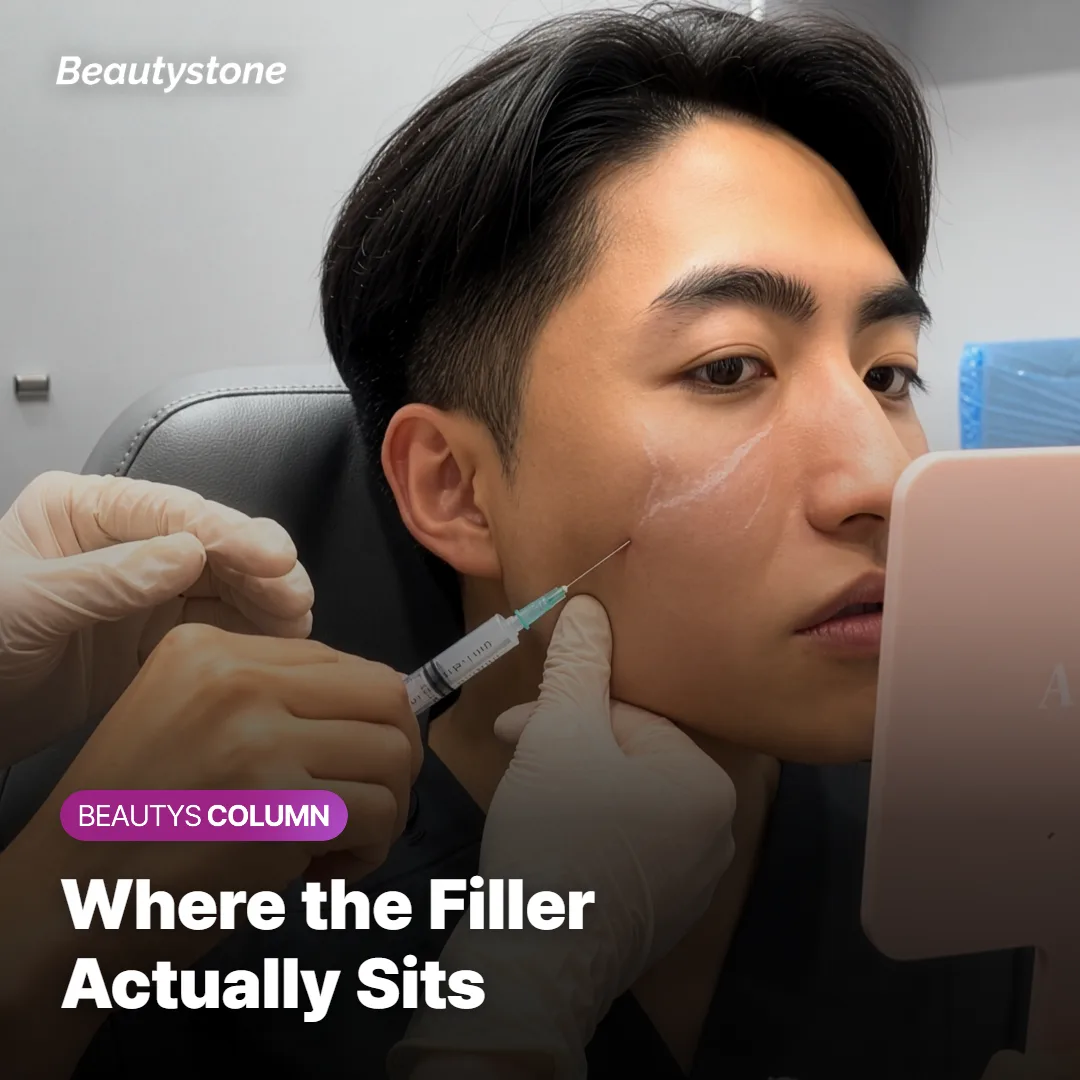
Hip filler (sometimes called buttock filler) is a hyaluronic acid (HA) treatment injected into the subcutaneous fat layer to add volume and shape. Right after injection, that HA hasn't fully settled into place yet — it's still integrating with the surrounding tissue, which is why the first few days call for a lighter touch than you might expect.
Here's what makes this treatment area different: your hips carry your body weight every single time you sit down. Add strong, repeated pressure on top of freshly injected filler, and you're more likely to see it shift unevenly, or notice more swelling and bruising than you would otherwise. That's not true of, say, a cheek or lip filler, where sitting has essentially no effect on the result.
Studies on filler aftercare broadly support this approach: international consensus guidelines on filler recovery recommend avoiding strenuous activity and managing pressure on the treated area right after injection to help reduce bruising and swelling. That's the whole logic behind spacing your sitting out over the first few days rather than staying seated for hours at a time.
The First 48 Hours: What to Expect
Swelling, tenderness, and some bruising are normal in the first day or two — that's your body's typical response to any injection, not a sign that anything went wrong. Most people describe the area as feeling tight or a little sore, more than genuinely painful.
- Sitting: Keep it short and switch positions often instead of settling into one spot for a long stretch.
- Sleeping: Try to avoid lying flat on your back for extended periods if that puts direct pressure on the treated area.
- Exercise: Skip it entirely for now — even a brisk walk can wait a day.
- Support: A donut-shaped cushion can take pressure off the treated area if you do need to sit for a while.
None of this needs to feel restrictive for long. It's a short adjustment window, not a lifestyle change.
When Can You Sit Comfortably Again? A Day-by-Day Breakdown
Rather than a single cutoff date, think of sitting tolerance as something that improves in stages. Here's the general pattern most people follow, though your own timeline may run faster or slower.
| Timing | Sitting | Notes |
|---|---|---|
| Day 0-2 | Short stretches, change position often | A cushion helps take the edge off |
| Day 3-5 | Everyday sitting is usually fine | Still worth avoiding marathon sessions |
| Week 1+ | Mostly back to normal | Individual healing pace still varies |
On day one or two, short sitting stretches with frequent position changes tend to feel more comfortable than staying seated through a long meeting or a movie. Once swelling starts to settle — usually within a few days — everyday sitting tends to feel normal again. Long, uninterrupted sitting (think: a cross-country flight) is worth holding off on a little longer, just to be safe.

Getting Back to Exercise: A Step-by-Step Timeline
Exercise works the same way as sitting: ease in, don't dive back in. The same consensus guidelines recommend holding off on strenuous exercise for roughly 24 hours after filler to keep swelling and bruising risk down, and hip filler tends to call for a bit more caution than that minimum, given how much pressure and movement this area handles.
- Light walking: Usually fine within the first day or two — just keep the pace easy.
- Cardio (elliptical, light jogging): Typically okay once swelling has visibly calmed down, often around a week.
- Glute-focused strength training (squats, lunges, hip thrusts): Worth waiting longer on, since these moves put direct, repeated pressure right on the treated area.
- Cycling and horseback riding: Hold off the longest — both involve sustained pressure exactly where the filler was placed, so talk to your provider before getting back on.
There's no universal green-light day for every activity here — it genuinely depends on how much filler you received and how your body is healing. That's a conversation worth having directly with your injector rather than guessing from a generic chart.
Side Effects & Risks: What's Normal and What Needs a Doctor
Most swelling and bruising fades gradually over the days following treatment — that's the expected, unremarkable version of recovery. Guidance on post-filler care generally recommends avoiding exercise for around 24 to 48 hours, specifically to keep symptoms from getting worse in that early window.
A few signs, though, are worth a call to your provider rather than waiting out:
- Noticeable asymmetry or one side that feels significantly firmer than the other
- Pain or swelling that gets worse instead of better as the days go on
- Skin that turns pale or takes on a purplish tone — this needs a prompt check, not a wait-and-see approach
- Persistent warmth or a burning sensation in the treated area
If you notice any of these, seek medical care right away rather than assuming it will resolve on its own. Everyone's healing pace is different, and individual results vary — general information like this is a starting point, not a substitute for guidance from the provider who actually treated you.
Why Personalized Aftercare Guidance Matters
The right sitting and exercise timeline isn't one-size-fits-all — it depends on how much filler you received, exactly where it was placed, and how active your day-to-day life already is. A clinic that takes aftercare seriously will ask about your routine before treatment, not just hand you a generic printout afterward.
Beautystone is a dermatology clinic in Seoul's Hapjeong neighborhood, a short walk from Hapjeong Station. We're transparent about being a Korea-based clinic, and part of that approach is walking through your actual sitting habits and workout routine so your recovery plan fits your life, not a template.
The Bottom Line
Here's the short version:
- Keep sitting brief and pressure-light for the first couple of days, then ease back into your normal routine over the following week.
- Skip exercise at first, then reintroduce it in order — walking, then cardio, then anything that puts direct pressure on your hips.
- Watch for asymmetry, worsening pain, or discoloration, and don't wait on those — call your provider.
Like any procedure, hip filler comes with a real recovery window, and rushing it doesn't do you any favors. Ultimately, the right pace depends on your body, your provider's guidance, and how much filler you received.
If you're considering hip filler, a consultation is the best way to get a timeline built around you — Beautystone is a dermatology clinic in Seoul's Hapjeong area, and you can see current offers at /en/promotion.
Frequently Asked Questions
Q1. When can I sit normally again after hip filler?
It's best to ease into sitting gradually rather than right away, avoiding long stretches for the first few days. Exactly how quickly you can return to normal depends on how much filler you received and how your body responds, so your injector's specific guidance matters most.
Q2. Why does sitting matter so much more for hip filler than other filler areas?
Your hips carry your body weight every time you sit, and adding strong repeated pressure on freshly injected filler can cause it to shift unevenly or increase swelling and bruising. This is different from areas like the cheeks or lips, where sitting has essentially no effect on results.
Q3. When can I go back to exercising after hip filler?
The approach is similar to sitting — skip anything intense for the first few days, then add activity back in stages as your body allows. Your provider's personalized timeline should take priority over any general guideline.
Q4. What are warning signs I should call my provider about after hip filler?
Some swelling, tenderness, and bruising are expected in the first 48 hours, but symptoms that feel unusually severe or don't improve as expected are worth flagging to your provider. Individualized aftercare guidance from your injector is the most reliable way to know what's normal for your case.