Potenza Aftercare: 3 Steps Back to Makeup
After plain microneedling, many people wear makeup the next day, but Potenza adds heat, so redness can last a day or two. Here's the order for putting sunscreen, cushion and color back on, how to remove makeup gently, and which reactions mean you should stop and call.

Whether you can wear makeup the day after Potenza depends on two things you'll notice in the mirror: stinging and redness. After plain microneedling, many people go back to makeup the next day. Potenza is RF microneedling, though, which means it sends heat through the needles, so redness and swelling can hang around for a day or two. That's why day one is about sun protection first, and cushion or color comes later, once your skin has calmed down.
Below, we'll walk through what to put back on first, how long Potenza downtime tends to run, what to watch for if your skin is darker or prone to melasma, and which reactions mean you should stop and get in touch.
Quick summary
- On day one, protect your skin from the sun first. Cushion and color wait until the stinging is gone.
- Recovery benchmark: in a study of a different RF microneedling device, people took an average of 1.5 days off for redness and swelling.
- Products applied while needle channels were still open have triggered inflammation under the skin in a small case series.
- Bleeding that lasts more than 24 hours or any blistering means stopping makeup and contacting the clinic.
Can You Wear Makeup the Day After Potenza?
Often, yes, as long as your skin passes a quick check. If you wake up the next morning with only faint redness and no stinging, light makeup is usually fine. After microneedling, most people can wear makeup the following day, but you'll want to stay out of the sun until your skin has healed*.
*Based on Cleveland Clinic's guide to microneedling. That guide covers needle-only microneedling, not RF.
That next-day guideline comes from needle-only treatment. Potenza adds heat on top of the needles, so I suggest giving yourself roughly one extra day of margin before you count on a full face of makeup. If the treated area still stings when you touch it, it isn't ready to be covered yet.
Here's a simple way to check before you reach for anything:
- Touch the treated area lightly. Stinging or a raw feeling means wait.
- Look for tiny wet spots or crusts along the needle marks. If you see them, skip makeup on those spots.
- Redness that's faint and even is usually OK to work around with sunscreen only.

Potenza Downtime: Why Heat Changes the Timeline
Heat is the main reason Potenza recovery can run a little longer than plain microneedling. The needle openings on the surface are tiny, but the energy reaches the dermis, the deeper layer under the surface, and your skin reacts to that heat with redness and swelling.
In a study of 32 people treated with an RF microneedling device that used insulated needles at two depths, the average downtime from redness and swelling was 1.5 days. Keep in mind that this was a different RF microneedling device, not Potenza, so treat it as a rough benchmark rather than a promise. In that study, the side effects were temporary, mild redness and swelling.
How you were treated matters too. When Potenza is used deeper, for example to treat acne scars, recovery can take longer than it does after a lighter session aimed at pores. Everyone's skin is different, so your own downtime may not match the average.
Potenza Aftercare: Sunscreen, Cushion, Then Color
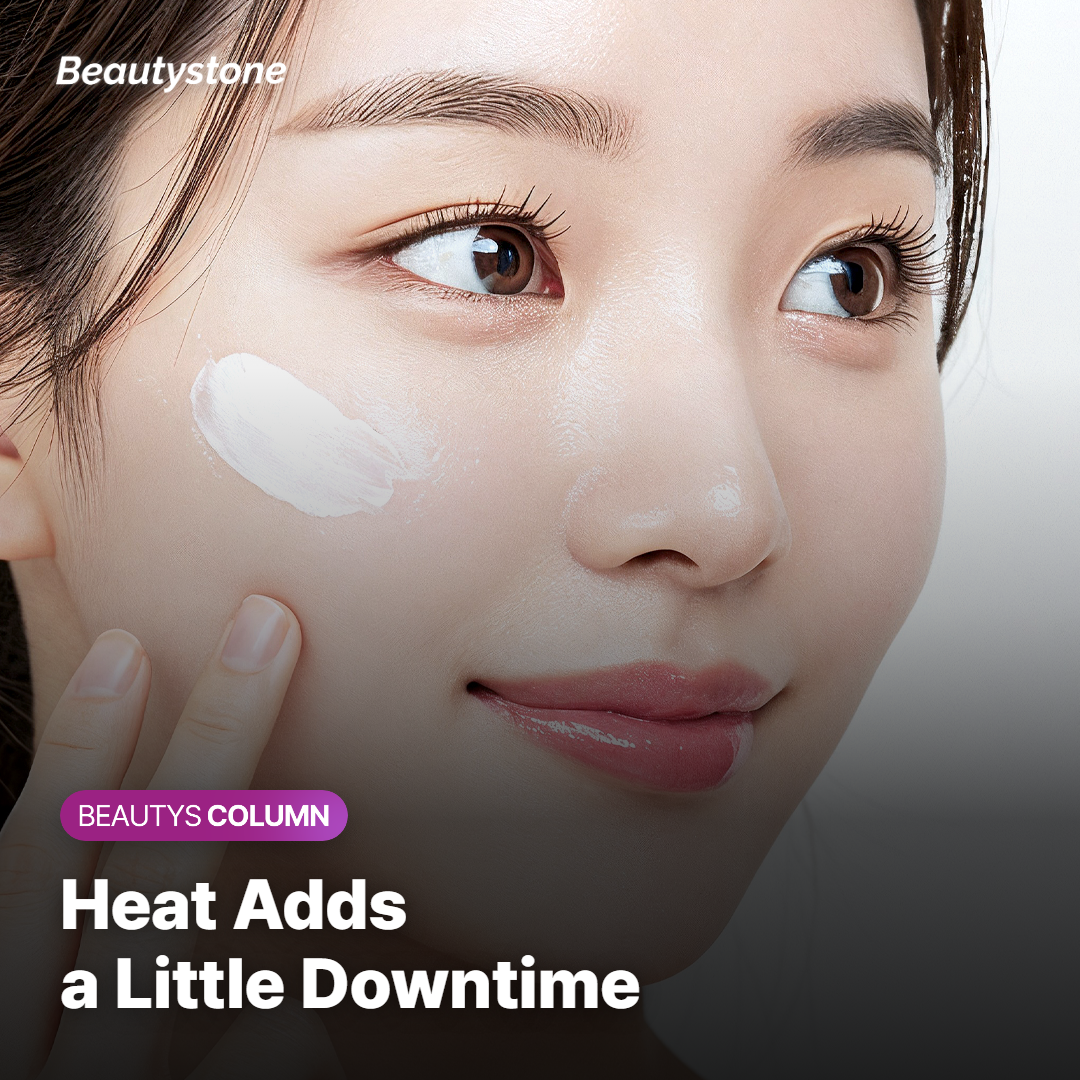
Sun protection comes first. If you have to go outside the day after, start with a hat and shade. Before using sunscreen across the treated area, test it on a small spot along your jawline rather than on the back of your hand, since your hand skin wasn't treated and won't tell you whether it stings. Cushion, foundation and color come after that, because they cover the skin and usually involve more rubbing.
Here's the order I suggest, step by step:
- Step 1, sunscreen: start once there's no stinging. Pat it on gently instead of rubbing it in.
- Step 2, cushion or foundation: start once redness has faded and there's no oozing or crusting. Use a clean puff and tap, don't drag.
- Step 3, color and eye makeup: start once your base doesn't sting. Begin outside the treated area and work inward.
There's a reason to keep that order. A case series described 3 people who developed facial granulomas, small inflamed bumps under the skin, after a serum applied during microneedling traveled down the needle channels. That serum went on during the treatment itself, which isn't the same as wearing makeup the next day. Still, while the channels are open, putting fewer products on top is the safer choice.
Fortunately, a clean puff goes a long way. Wash or swap your puff and brushes before the first time you use them after treatment, and avoid sharing them.
Darker or Melasma-Prone Skin: Should You Wait Longer?
If your skin tone is darker or you tend to get melasma, sun care matters more than the exact day you go back to makeup. A review that pooled 35 studies on RF and RF microneedling in people with darker skin (skin types III to VI) found that 7 studies reported temporary darkening that faded on its own. Only 1 study reported long-lasting pigment changes, and 1 reported permanent scarring. Many of those studies were small or of low quality, so the true rates are still uncertain.
If pigment is a concern for you, mention any history of melasma and your skin type at your consultation. The needle depth and heat level can be set with your skin in mind, and you can plan the days right after treatment around that, including how long to keep a hat and shade in your routine.
How to Take Makeup Off Without Irritating Your Skin
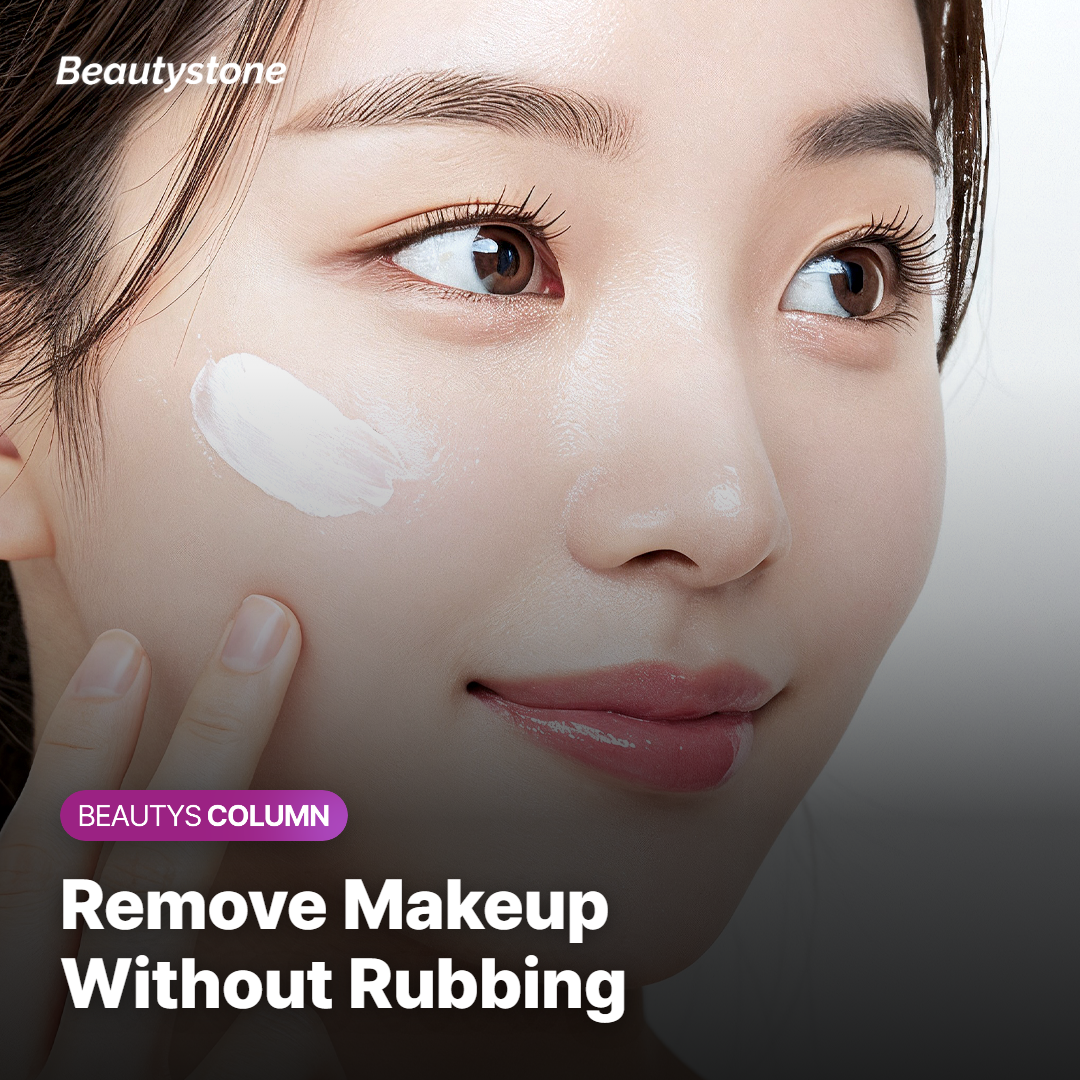
For the first few days, taking makeup off can be harder on your skin than putting it on. Avoid swiping the area over and over with cotton pads. Instead, lather a gentle cleanser in your hands, wash lightly and pat your face dry with a soft towel.
Over the next several days to weeks, your skin may feel warm or tight, and some dry flaking can show up. That flaking usually improves with moisturizer. Never scrub it off or use exfoliating products to speed things along.
If your base starts to look patchy over flaking skin, that's a sign to skip foundation for the day and focus on moisturizing instead. Makeup tends to sit better once the flaking has settled.
Potenza Side Effects: When to Stop Makeup and Call
Redness and swelling usually settle within a few days, while warmth and tightness can last from several days to a few weeks. If what you're seeing stays within that range, it's fine to keep moisturizing, keep protecting your skin from the sun and watch how it changes. Bruising, scarring and skin infection are also listed among the possible risks of microneedling.
The signs below are different. Stop wearing makeup and contact the clinic right away if you notice any of these:
- Bleeding from the treated area that lasts more than 24 hours
- Blisters
- Swelling that lasts more than 1 week
- Redness that's spreading and feels warm, with oozing or yellow crusts
Don't try to cover these signs with concealer. Makeup over an irritated or possibly infected area makes it harder to see how it's changing.
Planning Your Travel Itinerary Around Potenza
Unless you had sleep sedation that day, there's no reason to postpone your flight because of Potenza.
It also helps to know what one visit can do. Some treatments, such as fillers, change your shape the same day. Most others, Potenza included, bring your skin gradually closer to how it used to look rather than changing it all at once, and a single visit doesn't replace a planned series of sessions.
Once you're home, you can send photos through the consultation button on this page if you have questions about how your skin is healing. If a sign is serious, such as spreading redness with warmth and oozing, or blisters, see a local doctor first.
The Bottom Line: Ask About Depth Before Your Next Potenza
Before your next Potenza session, ask one question: "At the depth you're planning, from which day can I wear base makeup?" That answer makes it much easier to plan around work or other commitments.
Beautystone is a clinic in Seoul's Hapjeong area. When you reach out, include your treatment date, a photo of your face taken the next morning and the date you need to be back at work or out in public.
Sources
- Makeup, sun protection and warning signs after needle-only microneedling (Cleveland Clinic)
- Downtime after two-depth RF microneedling with a different device in 32 people (Lasers Med Sci, 2026)
- Facial granulomas from a serum applied during microneedling, 3 cases (JAMA Dermatol, 2014)
- Pigment and scarring risks of RF microneedling in darker skin, a review of 35 studies (Dermatol Surg, 2023)
- Side effects of Potenza acne treatment in 50 patients (Aesthet Surg J Open Forum, 2026)
Frequently Asked Questions
Q. Can I cover redness for work the day after Potenza?
A. If you're due back at work the day after Potenza, a thin, tone-evening layer over sunscreen is OK only when nothing stings. If your skin stings or there's oozing, a mask and a hat are the safer cover. Redness usually fades within a few days, so it helps to factor important dates in when you book your session.
Q. How common is stinging or itching after Potenza?
A. In a retrospective study of 50 people who had Potenza for acne, 10% had side effects, and all of them were mild and temporary. Most were redness, itching and stinging, and no severe side effects were reported. If your skin itches, don't scratch; apply moisturizer instead.
Q. Can I peel off flaking skin after Potenza?
A. Dry flaking after Potenza usually improves with moisturizer, so leave it alone. Peeling it with your fingers or a scrub can make healing spots red again. If your makeup looks patchy, skip base that day and moisturize first.
Q. How far apart are Potenza sessions?
A. Microneedling is usually done as a series of sessions spaced 3 to 8 weeks apart. That range comes from needle-only microneedling, and the interval for Potenza is set at your visit based on depth and goals. Before the next session, the redness and flaking from the last one should have fully settled.
Q. When will I see Potenza results?
A. Microneedling results usually appear gradually over 3 to 6 months. The point when makeup goes on smoothly again isn't the same as the point when results show. Compare photos taken in the same lighting about 3 months later. Individual results vary.