

Forgot to Pause Retinol Before a Laser? Say So
Retinol thins and sensitizes the skin's surface, so most providers recommend pausing it for several days before a laser or peel and watching skin signals, not just a calendar date, before restarting.

If you've been using retinol regularly and you've got a laser treatment or chemical peel booked, there's a good chance you're wondering what to do with it beforehand. Do you stop a few days out, or is it fine to keep going right up until your appointment? And once the treatment's done, how soon can you safely start again?
The short answer: retinol speeds up skin cell turnover and temporarily thins the outer layer of your skin, so most providers recommend pausing it for a few days before a laser or peel, then waiting until your skin has settled before working it back in. The exact number of days shifts depending on how intense the treatment is and how your own skin tends to react. In this article, we'll cover why retinol needs a break at all, how the pause and restart windows differ between light and intense treatments, the skin signals that tell you it's safe to restart, and how to ease retinol back into your routine without triggering fresh irritation.
Why Pause Retinol Before a Laser or Peel?
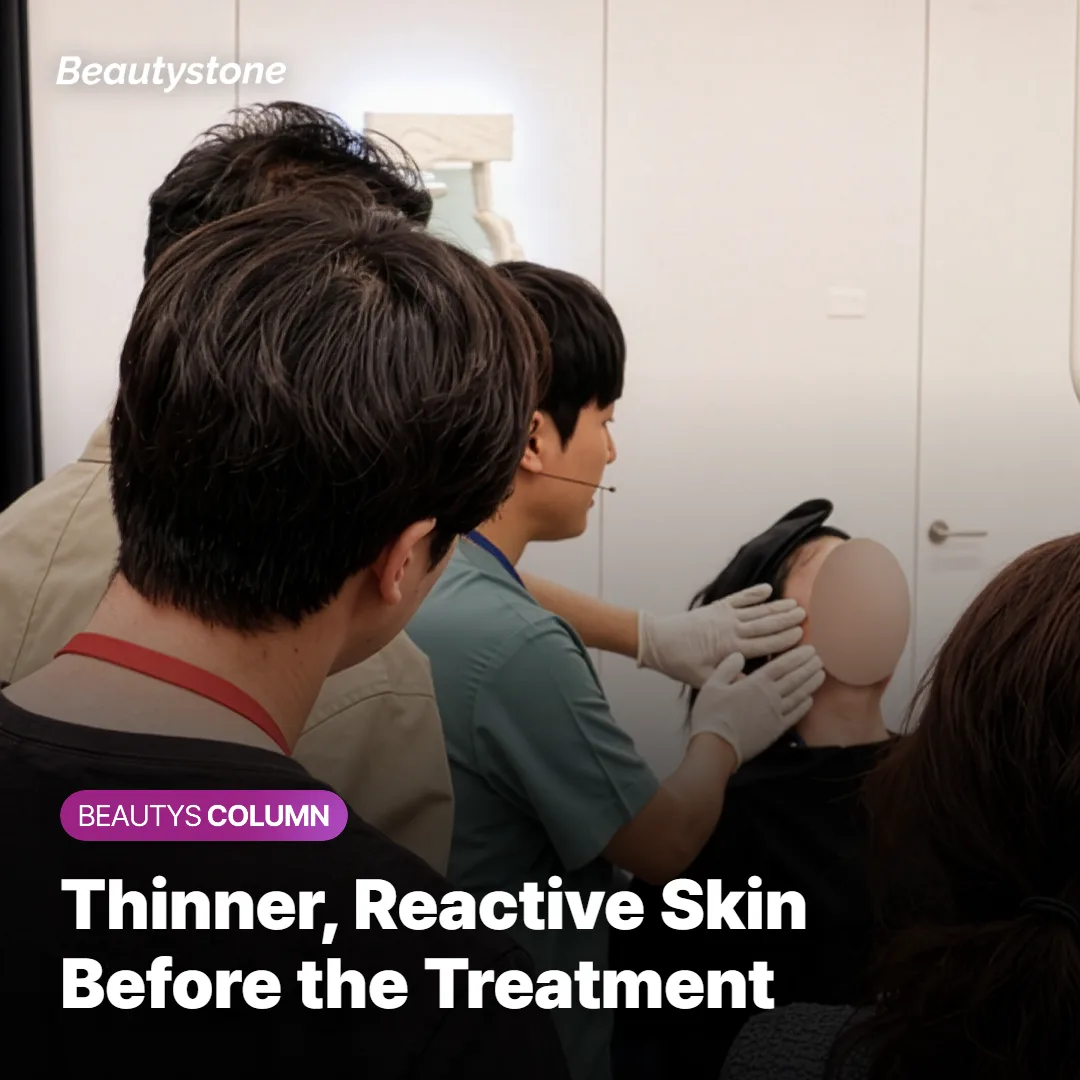
Retinol works by speeding up how quickly skin cells turn over at the surface. Over months of steady use, that's what smooths texture and softens fine lines — but it also thins the outer layer of skin and can leave it temporarily more reactive to light and friction, a state often described as photosensitivity.
Laser treatments and chemical peels create their own controlled irritation on purpose; that's the mechanism behind how they trigger renewal. Layer that on top of skin that's already thinner and more reactive from retinol, and the two effects tend to compound — redness can run longer, sensitivity can spike higher, and recovery can take longer to settle than either one would cause alone.
Patient-education material from DermNet NZ notes that topical retinoids can make skin more sensitive to UV light, which is part of why sun protection and a gentler routine are recommended while you're using them. That's the same logic behind giving your skin a break before a treatment that's going to add its own dose of controlled stress on top.
Light vs. Intense Treatments: Pause and Restart Windows
How long you should pause isn't the same for everyone — it mostly comes down to how intense your treatment is. A light chemical peel or a low-setting laser session asks less of your skin than a deep peel or an aggressive resurfacing laser, so the timing windows differ too. Here's a general breakdown.
| Category | Light Treatment | Intense Treatment |
|---|---|---|
| Examples | Light chemical peel, low-fluence laser | Deep peel, aggressive resurfacing laser |
| Pause Before | 3–5 days | 5–7 days |
| Restart After | 5–7 days | 1–2 weeks |
| Restart Criteria | Redness and flaking have settled | Skin fully calm and settled |
| Extra Care | Moisturizer, daily sunscreen | Moisturizer, stricter sun protection |
The more intense the treatment, the more room it's worth giving your skin on both sides of it. These ranges are reasonable starting points, not hard rules — if your skin tends to run sensitive, even a routine peel might call for a longer pause than the table suggests. Use the numbers as a baseline, then adjust based on how your own skin responds.
How to Tell Your Skin Is Ready to Restart
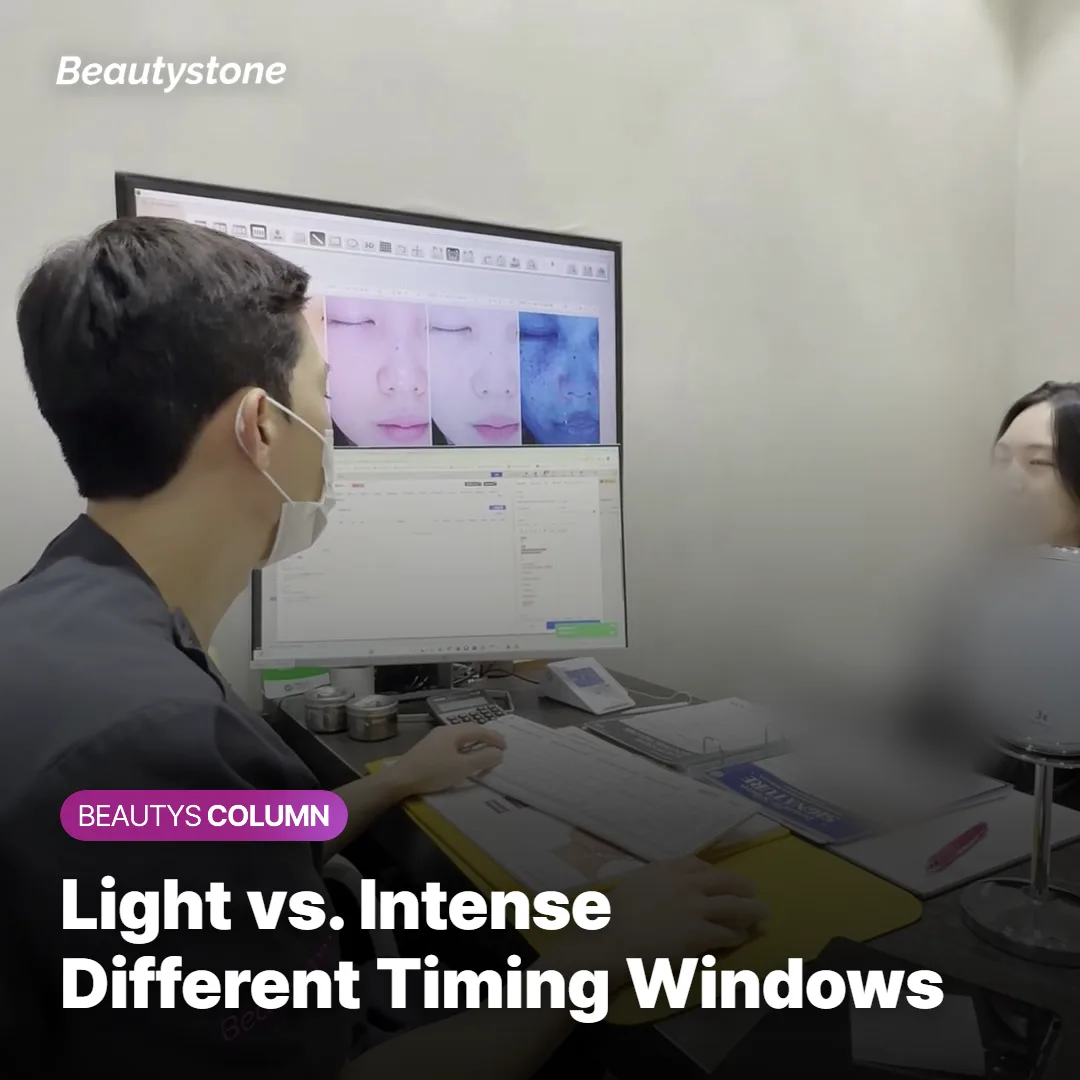
Skin signals tend to be more reliable than counting days on a calendar. Before you reach for retinol again, it helps to run through a quick check: does your regular moisturizer sting when you apply it? Is there still visible flaking or tightness at the treated area? Has the redness fully faded?
- No stinging: Your regular moisturizer goes on without burning or tingling.
- No visible flaking: Skin has finished shedding from the treatment.
- Comfortable, not tight: Skin feels normal at rest, not drawn or dry.
If you can check off all three, your skin's barrier has likely recovered enough to handle retinol again. If even one is still off, it's worth waiting a few more days — restarting too early tends to bring the same irritation right back, just from a different source this time.
Forgot to Pause? What to Do Before Your Appointment
Life happens, and not everyone remembers to check their skincare calendar before booking a laser or peel. If you used retinol the night before your appointment, that's not automatically a dealbreaker — but it's not something to keep to yourself, either.
Bring it up at your pre-treatment consultation. Your provider can look at your skin in person and decide whether to dial back the treatment intensity, adjust the settings, or simply flag it as something to watch during recovery. Skipping that conversation is the real risk here, not the missed pause itself.
Easing Back In: Building Your Frequency Back Up
Once your skin clears the readiness check, it's tempting to jump straight back into your old routine. Resist that. Nightly retinol at full strength, the same week you're cleared to restart, tends to overwhelm skin that's still finishing its recovery.
First few days back: a lower concentration, applied every third night or so, just to confirm your skin tolerates it again. The following week: if there's no stinging or peeling, move to every other night. From there: gradually build back up to your normal frequency and strength over the next couple of weeks, watching for any reaction as you go.
If redness or stinging shows up at any point, that's not a failure — just drop back to the previous step and give your skin a few more days before trying again. Keep moisturizer and sun protection consistent through the whole ramp-up; both matter more than usual while your barrier is still catching up.

Side Effects and Risks to Watch For
Restarting retinol too soon after a laser or peel, or skipping the pre-treatment pause altogether, usually shows up as extra redness, stinging, or flaking that runs longer than your provider's typical recovery estimate. Most of the time that's uncomfortable rather than dangerous, and it settles once you back off retinol again and stick to gentle care for a few days.
A few signs deserve more than a wait-and-see approach. If redness spreads well beyond the treated area, if you notice blistering or broken skin, or if discomfort is getting worse rather than better several days in, contact your provider right away rather than riding it out on your own.
The Bottom Line
- Retinol thins and sensitizes the surface of your skin, which is why most providers recommend pausing it for several days before a laser or peel.
- How long you pause — and how long you wait to restart — depends on the treatment's intensity, not a single fixed number of days.
- Skin signals, like faded redness, no stinging, and no flaking, are a better guide to restarting than counting days alone.
- When you do restart, ease in with a lower concentration and reduced frequency before working back up to your normal routine.
Like any procedure, timing retinol around a laser or peel comes with some trade-offs, and there's no single schedule that fits every skin type or every treatment. Ultimately, the choice depends on your skin's sensitivity, the strength of retinol you use, and what your provider recommends for your specific treatment.
If you're planning a laser treatment or chemical peel and aren't sure how to handle your retinol routine around it, a consultation is the best way to find out what fits you. Beautystone is a clinic in Seoul's Hapjeong area, and current offers are listed at /en/promotion.
Frequently Asked Questions
Q1. How many days before a laser or peel should I stop using retinol?
Most providers recommend pausing retinol for a few days beforehand, though the exact number shifts depending on how intense the treatment is and how your skin tends to react. Light treatments generally need a shorter pause than more intense resurfacing procedures.
Q2. Why does retinol need to be paused before laser treatments?
Retinol thins the outer layer of skin and can make it more reactive to light and friction. Since lasers and peels create their own controlled irritation to trigger renewal, layering that on top of retinol-thinned skin can compound redness and sensitivity, and stretch out recovery time.
Q3. What if I forgot to pause retinol before my appointment?
Let your provider know before the treatment starts rather than staying quiet about it — they may adjust the intensity or timing to reduce irritation risk. It's not necessarily a reason to cancel, but it does change how cautious the session needs to be.
Q4. How soon can I restart retinol after a laser or peel?
It depends on the treatment's intensity, but the general rule is to wait until your skin has fully settled — no more redness, flaking, or sensitivity — before working retinol back in, then ease back up in frequency rather than jumping straight to your old routine.