Ultherapy Not Working at 3 Months? Next Steps
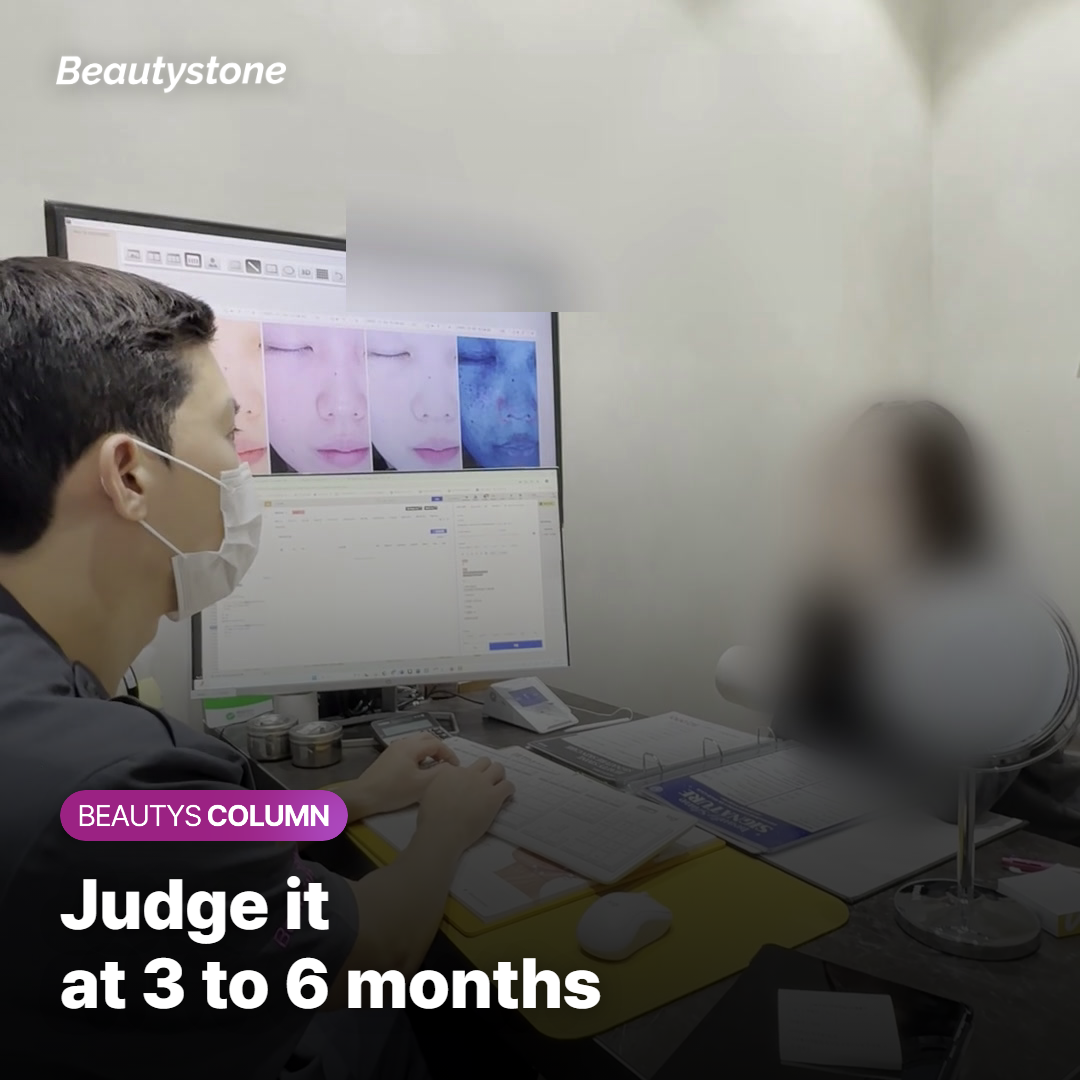
Ultherapy is judged at 3 to 6 months. If little has changed by then, the degree of sagging, the amount of facial fat and where the lines were placed decide whether to adjust Ultherapy or look at another option. Here's how to check each one, which reactions are normal, and what to ask next time.

Give Ultherapy 3 to 6 months before you judge it. If there's still little change by then, three things get re-checked in order: how far the skin has sagged, how much facial fat there is, and where and how deep the lines were placed last time. If the sagging has gone beyond mild to moderate, it makes sense to look at other options before adding more shots.
Some people notice a slight lift right after treatment, but most of the change builds over the following months, so a mirror check at one month tells you very little. Below, we'll walk through each of those checks, which reactions are normal if you go again, and what to ask at your next consultation.
Quick summary
- If nothing has changed at 3 months, find the cause before you add shots.
- When to judge: results show up over 3 to 6 months, so compare photos taken in the same light and from the same angle.
- In a lower-face group with a BMI over 30, 54.5% saw no change at 3 months, versus 12.2% at 30 or under.
- When sagging is advanced, a thread lift or a surgical consultation belongs in the plan alongside another round.
Is Ultherapy Not Working, or Is It Too Early to Tell?
Before the 3-month mark, it's usually too early to tell. Ultherapy results appear gradually over 3 to 6 months, so the face you see at four weeks isn't the final picture.
Still, feeling underwhelmed at 3 months is more common than you might think. When one US clinic sent an anonymous survey to its Ultherapy patients more than four months after treatment, 20.5% of the 83 who replied reported no tightening at all. Another 37.3% saw mild change, 27.7% moderate and 14.5% significant, and 44.6% said the results fell below what they'd expected.
That's why a fair comparison matters. Use your before photo and a new one taken in the same lighting, from the same angle, sitting in the same position. A quick look in a different mirror makes a gradual change very hard to see. How much you see also depends on your skin, which is where the next three checks come in.
Is Your Sagging Too Advanced for Ultherapy?
Ultherapy is meant for skin on the face and neck that has loosened mildly to moderately. If loose skin folds over below your jawline, the sagging has moved past that range. In that case, adding more shots is unlikely to be the first fix, and other options are worth looking at first.
You can get a rough sense of this at home. Take a side profile photo sitting upright and another lying flat on your back. If your jawline rises noticeably when you lie down and drops again when you sit up, a large amount of tissue is shifting with gravity.
For that kind of sagging, a thread lift or a surgical consultation is worth discussing alongside another round of Ultherapy. In a study comparing seated and lying-down photos of 143 people, only the group that had received a thread lift showed less tissue shift. Keep in mind it compared different people at one point in time rather than following the same faces before and after, so it doesn't show that a thread lift is the better choice for everyone.

Does Facial Fat Make Ultherapy Results Harder to See?
Yes, a thicker layer of facial fat can make the same treatment show less on the surface. Among 93 people treated on the lower face and checked at 3 months, 54.5% of those with a BMI over 30 showed no change, compared with 12.2% of those with a BMI of 30 or below.
Ultherapy focuses heat into the firm layer beneath the fat. When there's more fat on top, that tightening is simply harder to see from the outside. Results differ from person to person, and BMI is only one piece of the picture.
If your jawline looks heavy mainly because of fat rather than loose tissue, a lift alone may not sharpen it. Here, it's worth reducing the fat first, or planning fat reduction and lifting together, before repeating Ultherapy at a higher shot count.
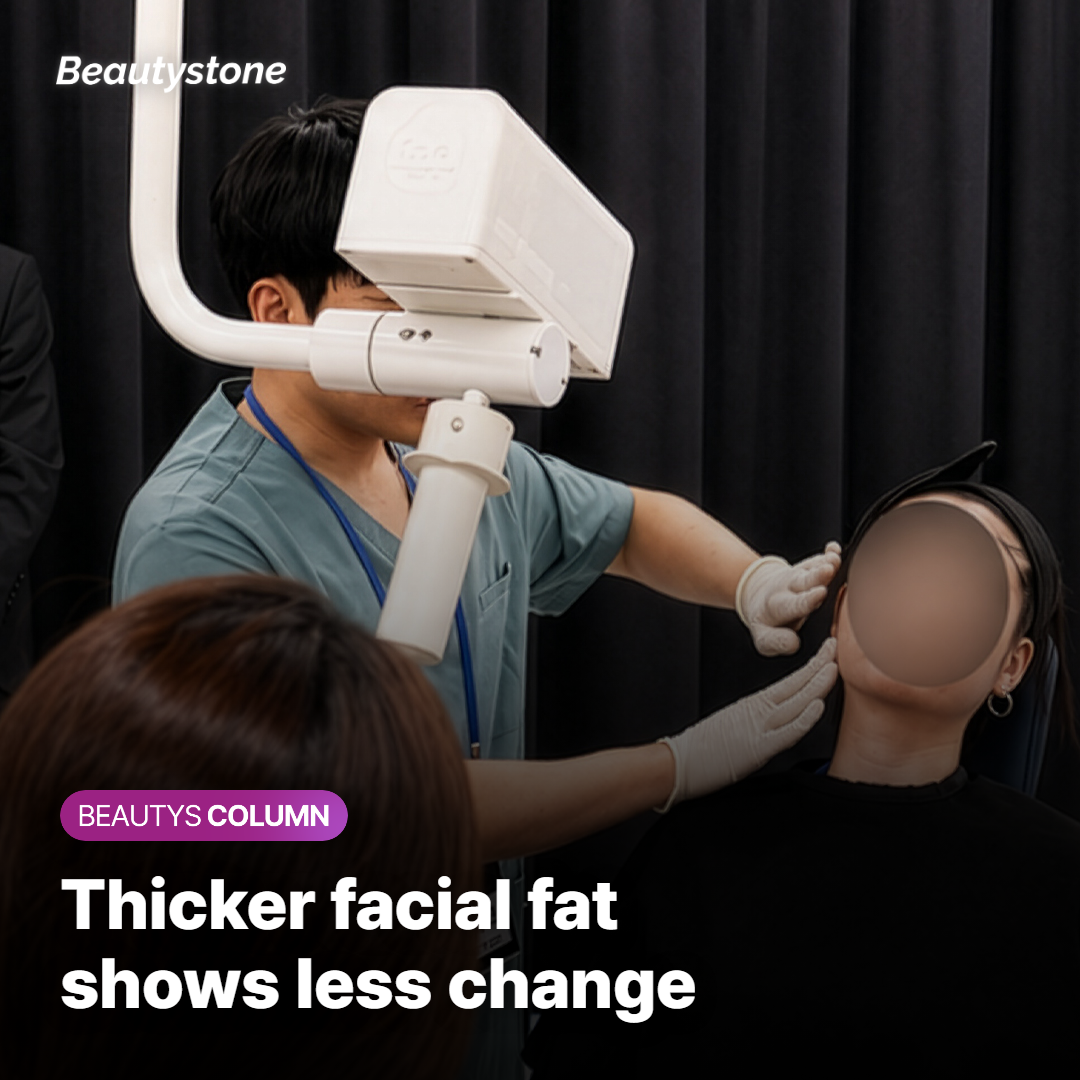
Will More Ultherapy Shots or a Different Depth Help Next Time?
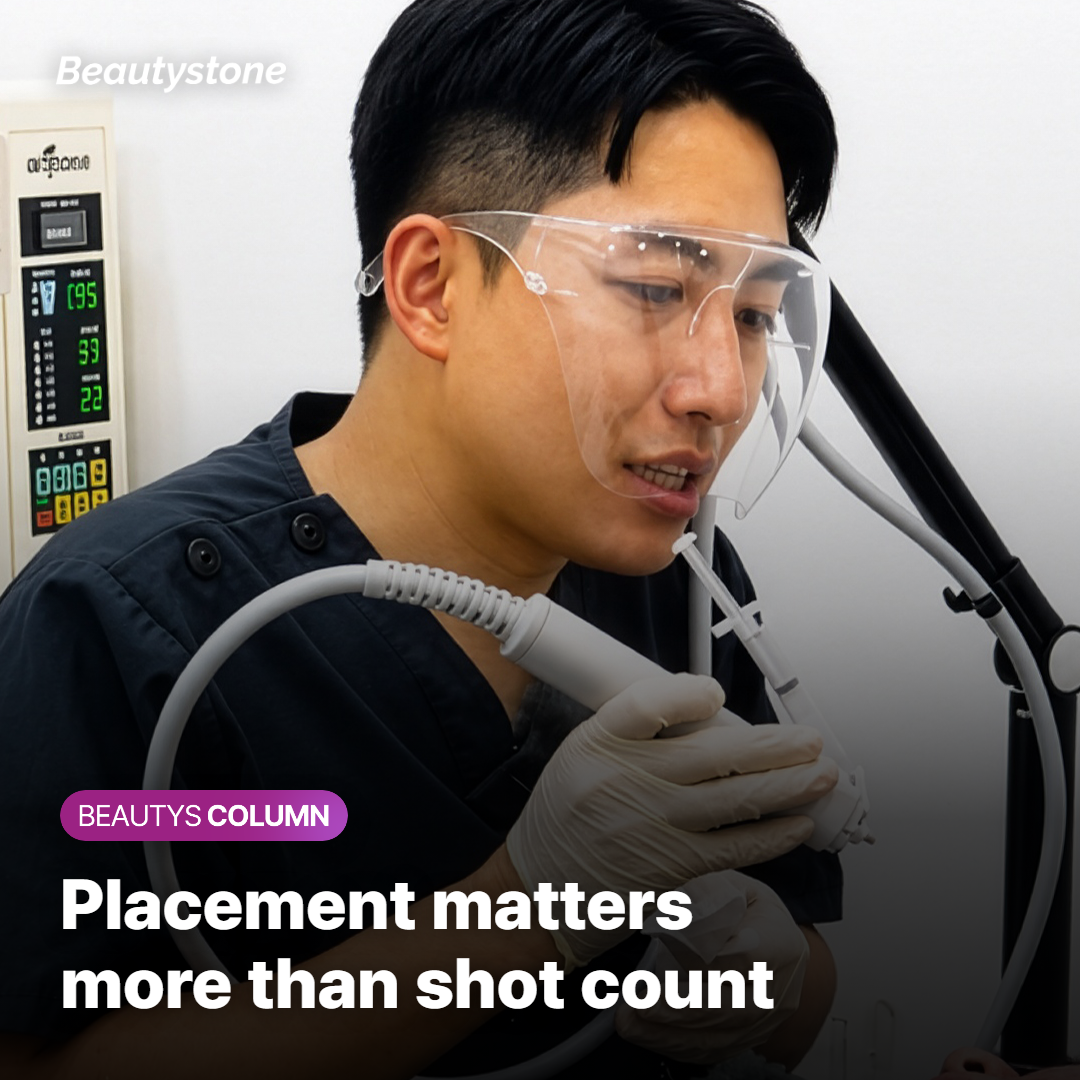
Where the lines go, and at what depth, matters more than simply adding more of them. In a study that split 51 people into two groups, both the standard placement pattern and placement adjusted to each face improved the jawline. The adjusted placement helped get more out of treatment in people whose facial structure differed from the average.
At a re-treatment consultation, the doctor checks the depth down to the firm layer under the fat (the SMAS, a sheet of connective tissue) on the ultrasound screen. That depth is then compared with your record of how many lines went into each area last time. If the earlier placement didn't match where you actually sag, the plan can move the lines even at the same total count.
Before deciding which side gets more, the doctor looks at the balance of your whole face and the differences between your left and right sides. How much a second round adds still depends on your face, so treat it as a plan rather than a promise.
Which Ultherapy Side Effects Are Normal, and Which Need a Call?
Redness after Ultherapy typically fades within about an hour. Some people get mild swelling or bruising, and the area can feel tender when pressed for up to a month. These are expected reactions.
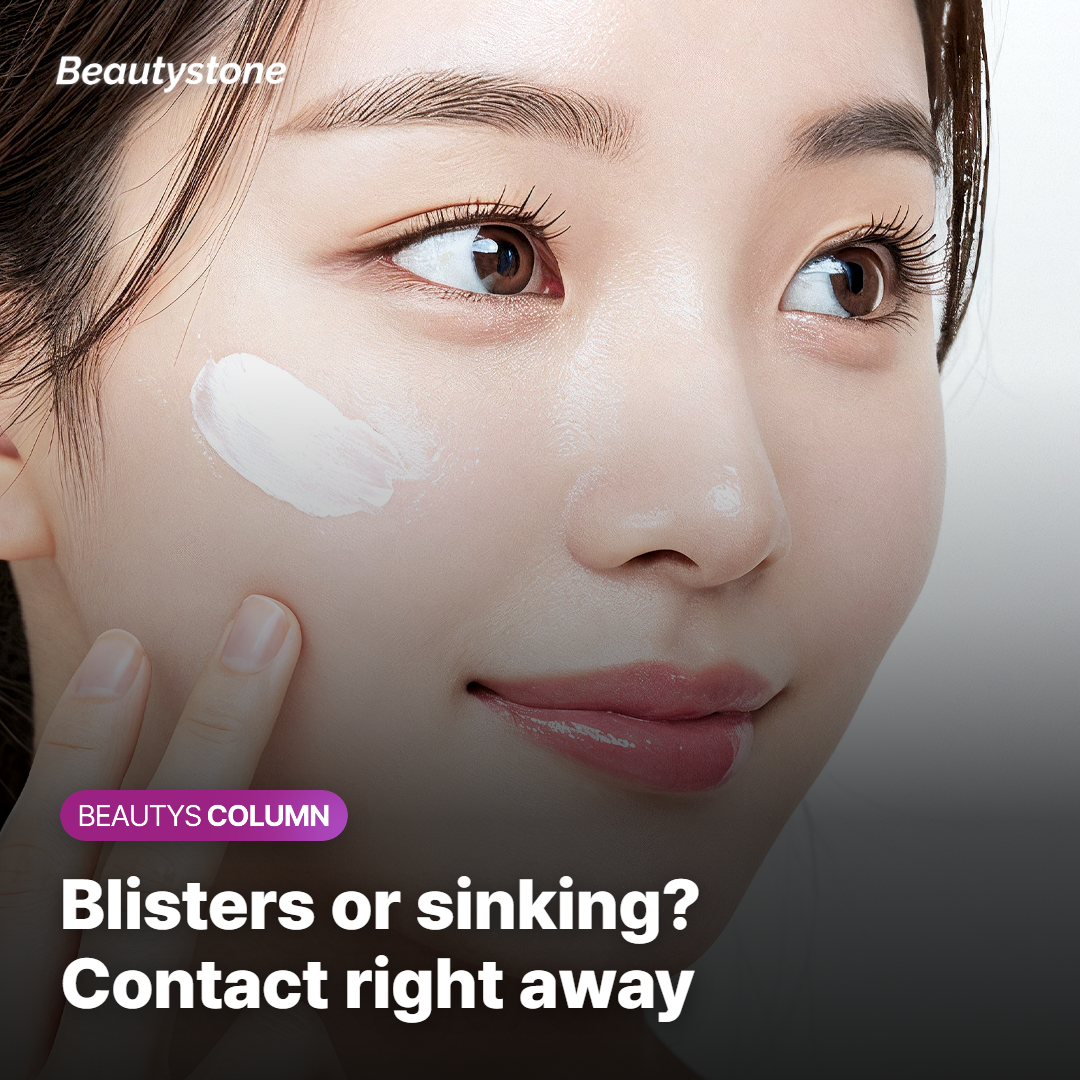
The signs below are rarely reported, but don't wait them out. Contact the clinic and seek medical care right away if you notice any of these:
- Blisters, or raw, broken skin at a treated spot
- An area that looks sunken after the swelling has gone down
- Skin turning dark, or forming a crust or scab
- One side of your mouth not moving well when you smile or talk (nerve weakness has been reported)
Skin problems like these tend to heal more smoothly when wound care starts early. A message with photos is helpful, but it doesn't replace an in-person exam.
How Do You Fit a Second Ultherapy Session Into Your Travel Itinerary?
Unless you had sedation that day, there's no reason to postpone your flight because of Ultherapy. For photos and sightseeing, the doctor's guidance is that with up to around 300 lines (what many people call shots), swelling is barely visible, so your plans for the rest of the trip don't need to change.
It also helps to be realistic about what one visit can do. Ultherapy doesn't transform your face in a single session. It brings you gradually closer to how you used to look over the following months, and nobody can promise how large that change will be or how long it lasts.
Once you're home, you can contact the clinic with photos through the consultation button on this page if you have questions about how things are going. If you notice a strong warning sign, such as blistering or one side of your mouth not moving well, see a local medical facility first.
The Bottom Line: What to Ask Before a Second Round of Ultherapy
The detail to carry into your consultation is placement: the depth and the number of lines in each area. Start with one question: "At what depth and how many lines went where last time?" That answer makes it much easier to decide whether to adjust Ultherapy or switch to something else.
Bring your before photo, a photo from around 3 months, and your previous treatment record if you have it. Beautystone is a clinic in Seoul's Hapjeong area. When you reach out, include those photos and the date of your last Ultherapy session.
Sources
- When Ultherapy results appear and what reactions to expect afterward (Cleveland Clinic)
- Anonymous satisfaction survey after Ultherapy treatments (Lasers in Surgery and Medicine, 2019)
- Lower-face Ultherapy results in 93 people and the role of BMI (Aesthetic Surgery Journal, 2014)
- Standard versus face-specific line placement in 51 people (Journal of Drugs in Dermatology, 2024)
- How facial tissue shifts between sitting and lying down after thread lifts or focused ultrasound (Plastic and Reconstructive Surgery Global Open, 2025)
- Case series of blisters and skin dents after focused ultrasound (Lasers in Surgery and Medicine, 2018)
Frequently Asked Questions
Q. Would switching to Thermage or another RF treatment work better than Ultherapy?
A. Switching from Ultherapy to a radiofrequency (RF) treatment, the category Thermage belongs to, isn't likely to give a bigger result by itself. In a split-face comparison of 20 people with mild to moderate sagging, one side was treated with an RF device and the other with Ultherapy, and the two sides showed no difference over 6 months. The degree of sagging is worth checking before you choose a different device.
Q. Does age affect how well Ultherapy works?
A. Age wasn't linked to Ultherapy results in a study of 48 women followed for up to 6 months. Skin type and alcohol use weren't linked to the results either. That's why the follow-up check focuses on how much the skin has sagged and how much facial fat there is.
Q. How often can you repeat Ultherapy?
A. Decide on another Ultherapy session after the 3-to-6-month window, once the first result has had time to show. Going again sooner makes it hard to tell the earlier result from the new one. Because skin keeps aging, some people also come back later for maintenance treatments.
Q. Is Ultherapy painful?
A. Ultherapy pain averaged 4.85 out of 10 in a pooled analysis of studies, which puts it in the moderate range, and how it feels differs from person to person. The clinic's options are numbing cream, a local anesthetic injection and sedation. Which one you get is chosen at the visit based on the area and your sensitivity, and sedation is kept for larger or longer treatments rather than used by default.
Q. Can I wear makeup and go back to work right after Ultherapy?
A. Ultherapy has no set recovery period, so you can put on makeup and return to your usual skin care right after treatment. If an area still feels tender, be gentle when you apply products there.
Q. How should I take photos to check whether Ultherapy worked?
A. Take Ultherapy comparison photos before treatment, at 3 months and at 6 months, in the same lighting and from the same angle. Shoot front and side views while sitting upright, since that shows sagging closest to how it looks day to day. Photos taken lying down let facial tissue shift upward, which can hide the difference.
Q. Can Ultherapy replace a facelift?
A. Ultherapy isn't a replacement for a facelift. It's intended for mild to moderate loosening of the face and neck, so when sagging is more advanced, a surgical consultation is worth having alongside nonsurgical options.