Does Titanium Lifting Hurt? Cream vs Ice
Titanium lifting feels warm rather than sharp because it heats the skin over many passes. Here's what the research says about numbing cream, ice and adjusting the energy.

Titanium lifting usually feels like steady, building warmth rather than a sharp sting, because the laser passes over the same area many times at a low setting instead of firing one strong shot. In a side-by-side study of two lasers from the same family, people rated that low-setting, multi-pass style at an average of 2.7 out of 10 for pain. For most people, a numbing cream is enough to get through a session. What's less obvious is that numbing cream hasn't been shown to beat plain ice at reducing laser pain, so piling on more cream for longer isn't the lever that matters most. Adjusting the energy and the cooling while the treatment is happening usually does more.
That's also why reviews split between "it was just warm" and "it got pretty hot." The same device can feel different depending on how the heat is delivered, which part of the face is being treated, and whether you speak up when one spot runs hot. In this article, we'll walk through why titanium lifting feels the way it does, how its pain compares with a single-pass laser, what the research says about numbing cream versus ice, why more cream isn't automatically safer, and what to do during the session if a spot gets too hot. It's written from the perspective of Beautystone Clinic, a dermatology clinic in the Hongdae–Hapjeong area of Seoul.
Why Titanium Lifting Feels Warm Rather Than Sharp
Titanium lifting is a diode laser that combines three wavelengths: 755, 810 and 1064 nm. Instead of pinning one spot with a strong pulse, the handpiece glides back and forth over a section of skin at a lower setting, raising the temperature of the dermis a little at a time. Each wavelength reaches a slightly different depth, so the warmth spreads through the layer where collagen sits rather than concentrating at one point on the surface.
Because the heat builds gradually, the sensation most people describe is warming, sometimes close to hot, rather than the needle-like snap of older single-shot lasers. The skin's surface is cooled by the handpiece as it moves, which takes some of the edge off as the deeper layer warms up.
The same three-wavelength combination was used on 28 women at a dermatology clinic in Korea, five sessions two weeks apart. In that study, brief pain during the treatment itself was the only reported adverse effect, with no serious problems. Biopsies taken after the final session also showed more collagen and elastic fibers throughout the dermis. It was a small preliminary study without a comparison group, so it tells you about tolerability rather than proving how much any one face will change.
How Much Less It Hurts Than a Single Strong Pass
There isn't yet a study that measures pain from facial titanium lifting on its own. The closest evidence comes from hair removal. Researchers compared an earlier 810 nm diode laser from the same manufacturer, used with the low-setting, multi-pass "in-motion" technique, against a market-leading 810 nm laser that delivers one high-energy pass. Each person had one technique on one side of the legs or underarms and the other technique on the other side, for five sessions six to eight weeks apart, and rated their pain on a 10-point scale.
According to the 2014 comparison in Lasers in Surgery and Medicine, the single high-energy pass averaged 3.6 out of 10, while the multi-pass technique averaged 2.7. That difference was statistically significant. Hair reduction at six months was 33.5% for the single pass and 40.7% for the multi-pass technique, and that gap wasn't significant, so the gentler-feeling approach didn't come at the cost of results in that study.
Keep the context in mind, though. Those scores come from legs and underarms. Facial skin is thinner, and areas such as the jawline, cheekbones and forehead sit close to bone, so the numbers won't transfer one-to-one to your face. What carries over is the principle: spreading the heat across many passes tends to feel milder than delivering it in one burst.
Numbing Cream or Ice: Which Works Better?
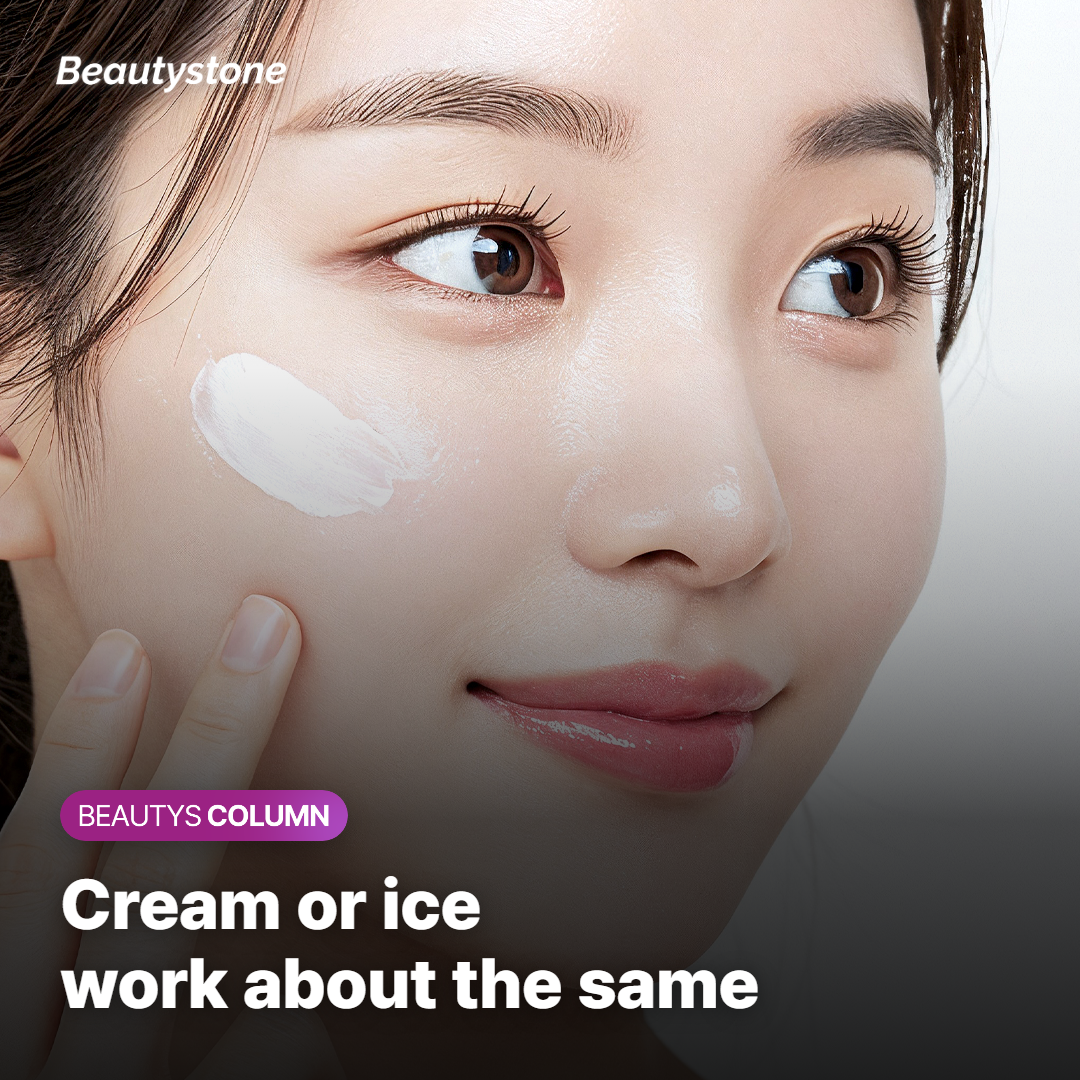
It's natural to assume numbing cream is the stronger option. When researchers put the two head to head, the difference was smaller than you'd expect. In a randomized trial published in the Journal of the American Academy of Dermatology, people having 810 nm diode laser hair removal on both underarms over three monthly sessions had a lidocaine–prilocaine cream on one side and ice packs on the other. Overall, the two didn't differ in how much they reduced pain.
Where they differed was timing. Right after the laser, the side with the cream hurt more. Five minutes later, the side treated with ice hurt more. Across 88 treatments, people said they preferred ice after 53 of them, about 60%, though that preference didn't reach statistical significance. All of the participants had fair to light-medium skin and coarse dark hair, so the findings apply most directly to that group.
The practical takeaway is that cream and cold do different jobs. Cream lingers after the session, while cold works in the moment the laser passes. If you've had numbing cream, cooling during and right after the treatment still helps with both the peak sting and the warmth that hangs around afterward.
Safety Risks of Using More Numbing Cream
Numbing cream isn't a product that gets safer the more of it you use. A review of topical anesthetics for dermatologic procedures lists the amount of product, the body location, the size of the area covered and how long it stays on the skin as the factors that shape the risk of side effects. It also notes case reports of problems linked to unapproved, high-concentration compounded products and to creams spread over very large areas of skin during laser treatments.
That matters for titanium lifting because the cream often covers the whole face. If you're anxious about pain, it can be tempting to apply a thick layer at home, wrap it in plastic wrap, or leave it on well past the recommended time. Please don't. If pain is your main worry, it's more effective to adjust the energy and speed during the session than to increase the cream.
The usual short-term reactions after a session are redness and a feeling of heat. Blistering, oozing, or warmth that's getting worse rather than better are reasons to contact the clinic that treated you.
What to Say When a Spot Gets Too Hot
Even on one face, a few spots can feel noticeably hotter than the rest. If you grit your teeth through it, heat keeps building in that spot, so raise a hand or say "this part's too hot" right away. The provider can lower the setting for that area or change how fast and how many times the handpiece passes over it before continuing.
At Beautystone Clinic, if you tell us pain is a big concern, we go over the numbing approach and how the energy will be adjusted before the treatment starts. When you get in touch, it helps to share:
- Any laser or lifting treatments you've had before, and how painful they felt
- Whether you use a numbing cream or pain reliever at home
- Whether you've had recent sun exposure or a tan, or outdoor plans coming up
The Bottom Line
Titanium lifting spreads its heat across many low-setting passes, and in a comparison of related 810 nm lasers that style scored 2.7 out of 10 for pain against 3.6 for a single strong pass. Numbing cream is usually enough, but it hasn't been shown to outperform ice, and using more of it over a larger area for longer adds risk rather than comfort. The more reliable way to keep a session tolerable is cooling plus real-time adjustments to energy and speed, which only works if you speak up when a spot gets hot. If you're planning a visit to Seoul and pain is what's holding you back, send Beautystone Clinic a WhatsApp message with your past treatment history, and we'll talk through how the session can be adjusted for you.
Frequently Asked Questions
Q. Can I put on my own numbing cream at home before I come in?
A. It's better not to. It's hard to control how much you apply and for how long, and the review on topical anesthetics links reported problems to high-concentration compounded products and to large areas of coverage. If numbing is needed, the clinic's product and timing are the safer route.
Q. How long is redness and warmth normal after a session?
A. Same-day redness and a hot feeling are common. A study of diode laser side effects across ethnic groups only counted redness as a side effect when it lasted more than 48 hours. If it hasn't eased after two days, or blisters appear, contact the clinic that treated you.
Q. Is it riskier if my skin is tanned?
A. Yes. A family medicine review of laser hair removal complications notes that tanned skin carries a higher risk of damage to the outer layer and recommends avoiding the sun. If you've recently tanned on vacation or outdoors, mention it before booking.
Q. How should I cool my skin at home afterward?
A. The same review recommends ice after treatment to ease pain and swelling. Wrap an ice pack in a towel so it doesn't touch the skin directly, and apply it for a few minutes at a time.