Juvelook for Thin Skin: Texture or Thickness?
On thin, dull skin, Juvelook tends to smooth texture and soften fine lines more than it thickens the skin. Here's how the skin booster and Juvelook Volume differ, and when another treatment comes first.
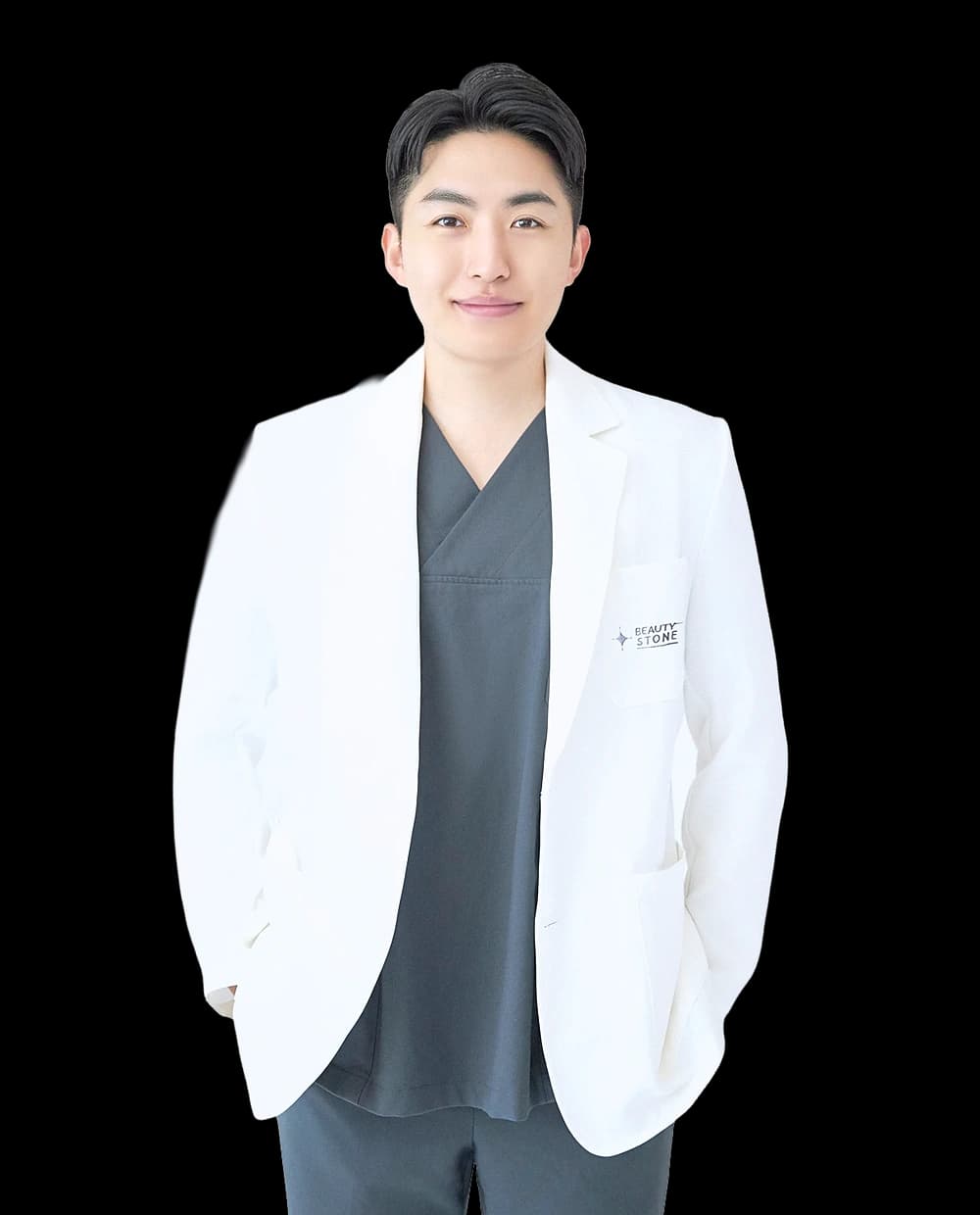
Wi Young-jin
Chief Director, Myeongdong
If your skin looks thin and feels rough, with fine lines that show even when you're not smiling, look at a Juvelook skin booster first. If the problem is a shadow under your cheekbone, look at Juvelook Volume first.
In a small study, cheeks treated with diluted Juvelook Volume had nearly half the surface roughness 3 months later, while the dermis (the skin's middle layer) got only about 0.03 mm thicker. On thin, dull skin, the change you're more likely to see is smoother texture and softer fine lines, not visibly thicker skin. In this article, we'll cover how to tell which concern you have, what happens to thickness, how a sunken side cheek responds, and when another treatment should come first.
Quick summary
- Rough texture and fine lines: look at a Juvelook skin booster first. A shadow beside the cheek: look at Juvelook Volume first.
- Thickness: in 3 people, the dermis went from 1.03 mm to 1.06 mm at 3 months, so thin skin didn't become noticeably thicker.
- For texture, sessions were spaced 4 weeks apart (2 or 3 in total); for a sunken side cheek, 3 sessions 3 weeks apart, checked 3 months after the last one.
- Juvelook isn't FDA-approved or FDA-cleared in the US. In Korea, it's authorized by the MFDS (Korea's drug and medical device regulator) as a medical device for facial wrinkles.
- When to look elsewhere: if sagging or dehydrated skin is the bigger issue, another treatment usually comes first.
Juvelook Effects on Thin, Dull Skin: What Changes First?
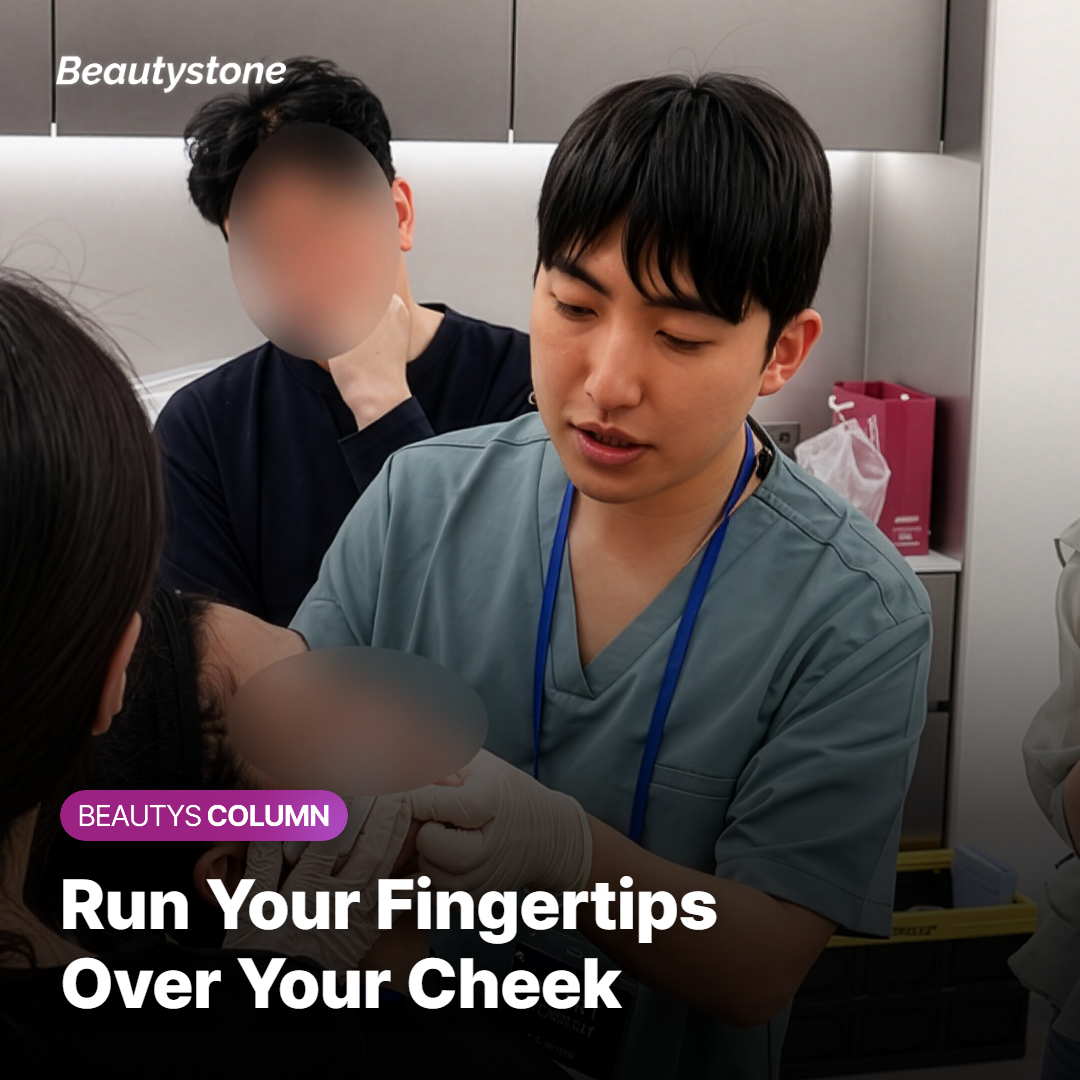
Run your fingertips over your bare cheek and you'll get a good hint about which concern you have. If the surface feels bumpy and fine lines show at rest, it's a texture concern. If the area under your cheekbone looks hollow and shadowed when you see yourself from the side, it's a volume concern.
Juvelook mixes tiny particles that break down slowly in the body (PDLLA) with hyaluronic acid. Korea has six types, and all of them are authorized as products whose particles physically fill the area under the skin to smooth wrinkles for a while*.
*Based on Korea's MFDS medical device authorization for Juvelook.*
The idea that it builds collagen comes from the manufacturer's description and from biopsy results. Sixteen people had PDLLA combined with hyaluronic acid 2 or 3 times, 4 weeks apart. Fine lines and texture improved compared with the start, and half of them rated their overall improvement at more than 50%. Skin samples taken from behind the ear showed more collagen and elastic fibers. That said, the abstract doesn't name the product, and there was no untreated comparison group, so individual results vary.
Because each type is placed at a different depth, the first step is matching the type to your concern. A skin booster aimed at texture and a volume type aimed at hollows aren't interchangeable, even though both carry the Juvelook name.
Does Juvelook Make Thin Skin Thicker?
It's better not to expect visibly thicker skin. In one pilot study, a vial of Juvelook Volume was diluted with saline and injected into the cheeks of 3 people. When the skin was measured by ultrasound 3 months later, the dermis had gone from 1.03 mm to 1.06 mm, an increase of about 0.03 mm.
Surface roughness changed more in the same cheeks. The roughness value dropped from 5.43 to 3.00 (in thousandths of a millimeter), which points to fewer fine lines and a less bumpy surface.
With only 3 people, you can't expect the same size of change for everyone. It's also worth knowing that this result came from Juvelook Volume, not from a type made for texture. So if thin skin is what bothers you, aim for a smoother surface rather than extra thickness. How much you see depends on your skin.
How Does Juvelook Volume Work on a Sunken Side Cheek?
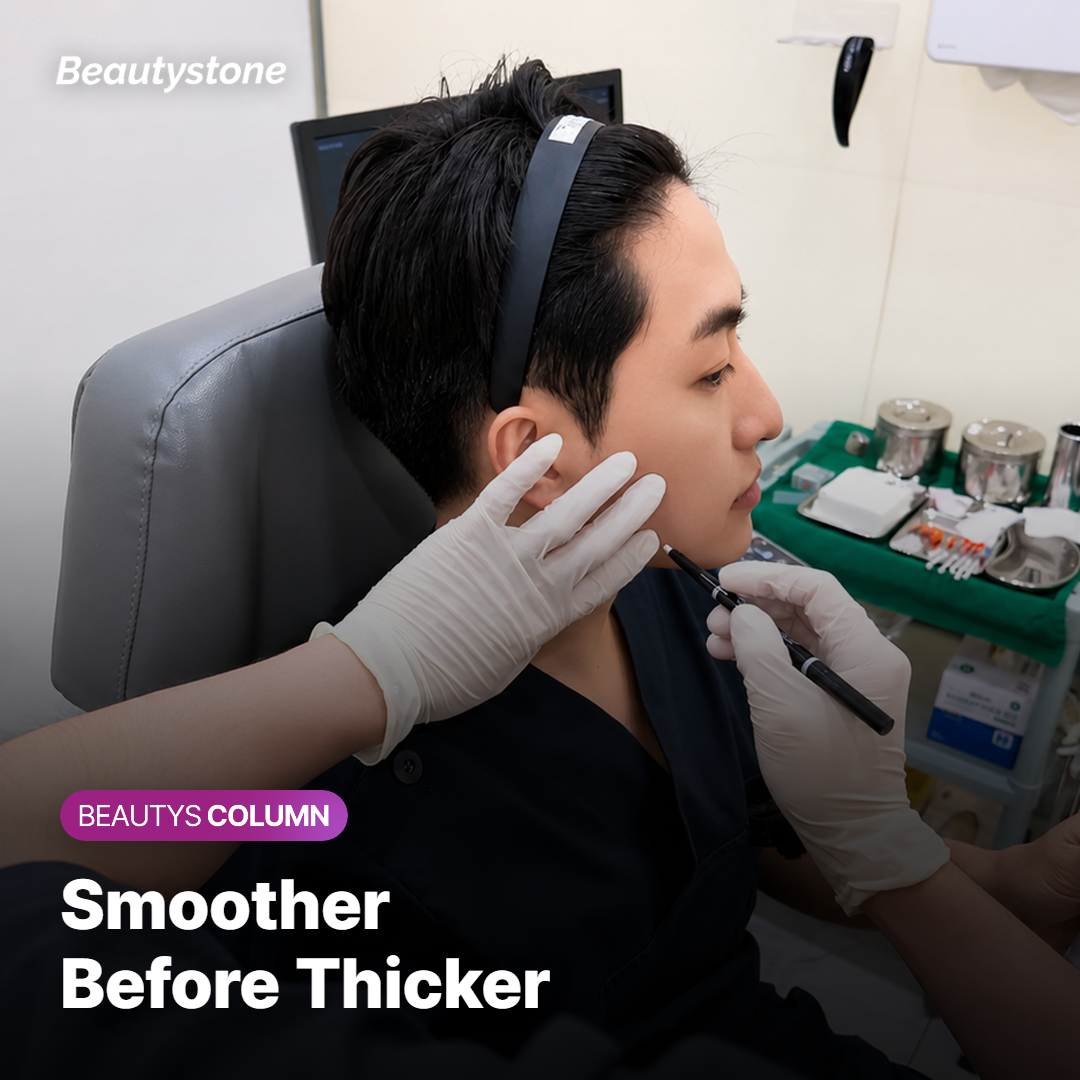
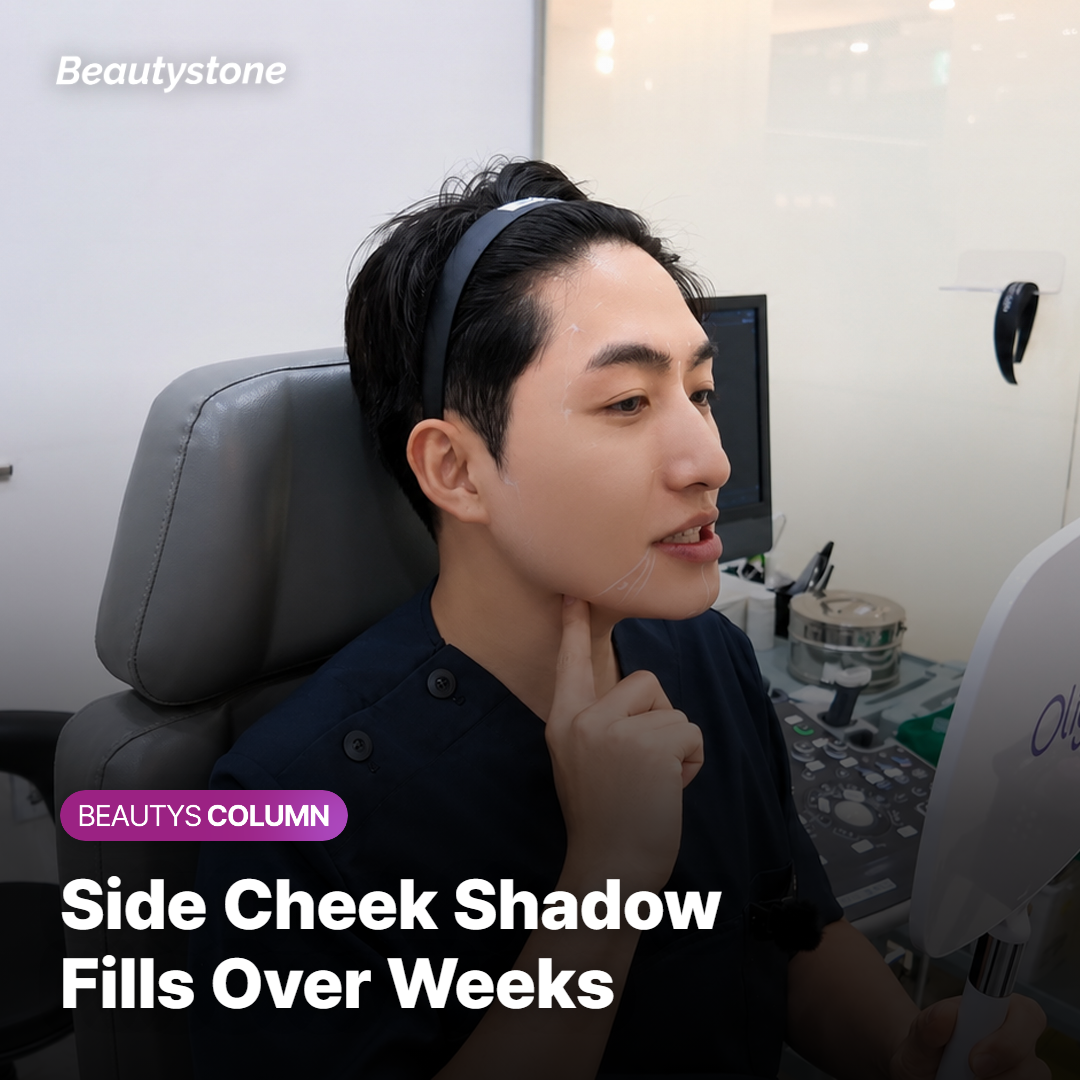
A shadow beside the cheek tends to fill in gradually over several weeks rather than on the day of the injection. Diluted Juvelook Volume isn't designed to add a lot of bulk at once, so it doesn't suit a plan that needs a visible change in shape the same day.
Twenty-four people with a sunken area below the cheekbone had Juvelook Volume 3 times, 3 weeks apart, placed in the shallow fat layer just under the dermis with a blunt cannula. Three months after the last session, 23 of the 24 were rated as improved and 1 showed no change. The study followed a single group without a comparison group, and results differ from person to person.
Juvelook Side Effects: What's Normal and When to Get Help
Redness, swelling, tenderness when you press, and bruising at the injection sites are common, and they usually settle within 7 to 14 days*.
*Based on American Academy of Dermatology guidance on fillers in general.*
In the 24-person side-cheek group, 3 people bruised, and the bruising faded within 10 days. If swelling hasn't eased after 2 weeks, or you feel a lump that's red, painful and getting bigger, see a doctor.
An injection into a blood vessel is rarely reported, but vision problems and even blindness have been reported with Juvelook Volume as well. Get care right away for any of the changes below, no matter how many days it's been since your session*.
*Based on US FDA guidance on dermal fillers in general.*
- Skin near the injection site turns white, gray or blue, or you have unusual pain: see a doctor right away
- Any change in your vision: go to the nearest emergency room
- Sudden trouble speaking, numbness or weakness in your face, arms or legs, trouble walking, or a drooping face: go to the nearest emergency room
- A severe headache, dizziness or confusion: go to the nearest emergency room
Side effects from fillers can also show up weeks, months or even years later. Sending the clinic a message doesn't replace seeing a doctor in person.

When Isn't Juvelook the First Choice for Thin, Dull Skin?
Skin can look thin and dull for reasons Juvelook doesn't target. If sagging or dehydration is behind it, something else usually comes first. Pick your single biggest concern and find it in the table below.
| Your biggest concern | Is Juvelook the main tool? | What to look at first |
|---|---|---|
| Jawline or cheeks drooping | Not the main goal | Ultherapy |
| Tight, dehydrated skin after washing | Not the main goal | A hyaluronic acid skin booster |
| Active breakouts where you'd be injected | Postpone the injection | Acne treatment |
| Hollow under-eyes, but you'd rather avoid filler | A different type | Juvelook Eye |
If any of these apply, hold off or tell the doctor before your session*.
*Based on US FDA guidance on dermal fillers in general.*
- Inflammation or infection where you'd be injected, including pimples or hives
- A condition that makes it hard for bleeding to stop
- A history of severe allergies or anaphylaxis
- Pregnancy, breastfeeding, or a tendency to form raised keloid scars (safety hasn't been established)
Getting Juvelook During a Trip to Korea: Flights and Follow-Up
If you're fitting Juvelook into a stay in Seoul, three points are worth settling before you book.
First, your flight. Apart from a day when you've had sedation, there's no need to postpone your flight home because of a Juvelook session.
Second, what one visit can do. Some treatments, like filler, change shape the same day, but most bring you a little closer to how you used to look over time rather than all at once. Juvelook works the same gradual way, so one visit doesn't stand in for a plan that calls for several sessions.
Third, after you're home. If you're unsure whether a change is normal, you can send photos through the consultation button on this page. We can't promise a reply time or remote care, so if any of the warning signs above appear, see a local doctor first.
The Bottom Line: Pick Your Main Concern Before the Type
The detail to carry into your consultation depends on your main concern. If texture comes first, ask how many weeks apart the skin booster sessions would be and how many you'd plan for. If the shadow beside your cheek comes first, ask which layer Juvelook Volume would go into.
At a first visit, the doctor looks at your face from the front and from the side under the same light, then decides which of the two concerns to treat first. Like any procedure, it comes with trade-offs, and the choice depends on your skin, your goals and your budget. Beautystone is a clinic in Seoul's Hapjeong area.
References
- Fine lines and texture in 16 people after PDLLA combined with hyaluronic acid: J Cosmet Dermatol, 2024
- Skin thickness, roughness and biopsy changes after Juvelook Volume in 3 people: Plast Reconstr Surg Glob Open, 2026
- Juvelook Volume 3 times for a sunken side cheek in 24 people: J Craniofac Surg, 2026
- A lump after Juvelook Volume under the eye, and particle size: J Cosmet Dermatol, 2025
- Expert consensus on vision problems after Juvelook Volume injections: J Craniofac Surg, 2026
- Pain when a PDLLA skin booster goes into the dermis or just below it: Aesthetic Plast Surg, 2026
- How long redness, swelling and bruising last after fillers: American Academy of Dermatology
- Common filler reactions, signs of a blocked blood vessel, and who should wait: US FDA
Frequently Asked Questions
Q. How long does Juvelook take to work?
A. Juvelook takes weeks rather than days, because it isn't meant to fill the area on the day of the injection. For texture, sessions in a 16-person study were spaced 4 weeks apart, 2 or 3 times in total, and a side-cheek study checked results 3 months after the third session. How quickly you notice a change varies from person to person.
Q. Is Juvelook FDA-approved?
A. No, Juvelook isn't FDA-approved or FDA-cleared in the US. In Korea, it's authorized by the MFDS as a medical device for facial wrinkles. Collagen-building claims come from the manufacturer and from research, not from that authorization.
Q. Can Juvelook Volume be used under the eyes?
A. If your under-eyes look hollow and you'd rather avoid filler, Juvelook Eye is the type to look at first, not Juvelook Volume. A case report described a firm lump after Juvelook Volume was injected under the eye, and the authors linked it to the larger particles of that type (40 to 60 μm). The same report listed 20 to 30 μm for standard Juvelook.
Q. Does a Juvelook skin booster hurt?
A. A PDLLA skin booster injected into the dermis scored an average of 6.18 out of 10 for pain, compared with 3.85 when it went into the layer just below. That comparison involved 21 people, and the abstract doesn't name the product. Numbing cream or another pain-control option is chosen at your visit based on the area and how sensitive you are.
Q. Can Juvelook help with redness or uneven skin tone?
A. Juvelook isn't a first-line choice for redness or uneven tone, even though one study saw some improvement there. In 16 people who had PDLLA combined with hyaluronic acid, uneven pigment, redness and small visible blood vessels improved compared with the start. It was a small study without a comparison group, so if melasma or redness bothers you most, a treatment aimed at that concern comes first.
Q. Can a Juvelook area swell after a cold or a vaccine?
A. Yes, swelling or redness near a filler site after an infection such as a cold, a vaccination or dental work is listed as a less common risk in US FDA guidance on fillers in general. If the area feels warm or the swelling keeps growing, see a doctor.
Q. Can I get Juvelook in my early 20s?
A. The safety of fillers in people under 22 hasn't been established, according to US FDA guidance on fillers in general. In your early 20s, the first question is whether your texture concern needs an injection at all or can be handled with skin care first.