Ultherapy Side Effects: Numbness and Hollowing
Redness after Ultherapy usually fades within an hour, and tenderness can last up to a month. Numbness, raised lines, and cheek hollowing are rare. Here's how to tell normal healing from signs that need a call.

Wi Young-jin
Chief Director, Myeongdong
Most Ultherapy side effects are short-lived: redness that usually settles within an hour or so, some swelling or bruising, and tenderness when you press on the treated area. That tenderness can last up to about a month. Numbness, raised lines along the treatment path, and cheek hollowing do happen, but they've been reported only rarely.
If you've read a scary story online, you're probably wondering which group your symptom belongs to. In this article, we'll cover what's normal day by day, why the rare problems happen, how often they show up in studies, and which signs mean you should reach out right away.
Quick summary
- Most reactions are mild and temporary: redness, swelling, bruising, and tenderness.
- Redness usually fades within about an hour. Tenderness over bone can last up to 1 month.
- Numbness, a weak corner of the mouth or brow, raised lines, and cheek hollowing are rare reports.
- Blisters, pain that gets worse each day, or a lopsided smile need a call right away.
Ultherapy Side Effects in the First Days: What's Normal?
Mild redness on the day of treatment is common, and it usually fades within an hour or so. Some people also notice a little swelling or bruising. Pressing on areas that sit over bone, like the jawline or cheekbone, may feel sore for a while.
That soreness can stick around for up to a month. A review that pooled 42 studies found the same picture: the most common side effects were redness, swelling, bruising, and tenderness, and most were mild to moderate.
| When | What you may notice | What to do |
|---|---|---|
| Treatment day | Redness, a warm feeling | Give it about an hour |
| The next few days | Some swelling, bruising, soreness over bone | Don't rub the area hard |
| Within 1 month | Tenderness gradually eases | Tell the clinic if it lasts past a month |
| 2 to 6 months | Lifting changes become visible | Compare photos in the same light |
Lifting shows up gradually over 2 to 6 months after a session. So if your face looks flatter once the swelling goes down, it's too early to decide the treatment "wore off." Individual results vary.

Why Can Ultherapy Side Effects Include Numbness or a Weak Smile?
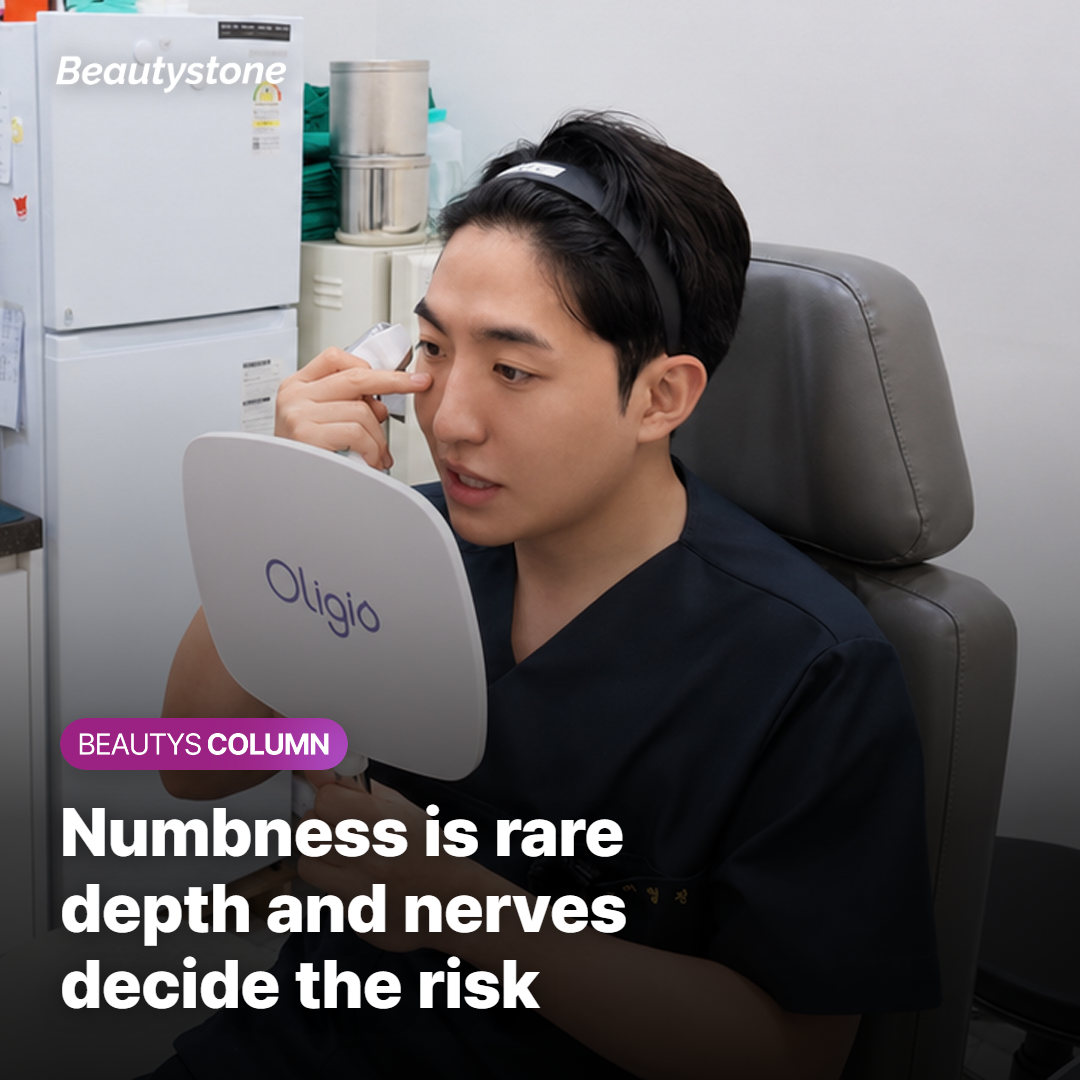
Ultherapy focuses ultrasound heat into tiny points at set depths under the skin. The shallow setting targets the dermis at 1.5 mm, and the deepest setting reaches the fascia layer (the firm sheet over the facial muscles) at 4.5 mm. If heat lands close to a nerve near those deeper layers, the skin can feel numb or tingly.
When the affected nerve controls movement, the corner of the mouth or one eyebrow can look weaker for a while. That's why the treatment screen matters. Before treating, we check the depth of the fascia layer and where the bone sits on the ultrasound image. Along the jaw edge, where a nerve runs, deep passes are reduced.
How often does this happen? In treatment records of 101 patients, one person reported tingling or numbness. When the device is used properly, reported nerve reactions have usually been temporary and resolved without lasting effects. How quickly they fade differs from person to person.
How Rare Are Ultherapy Lines and Cheek Hollowing?
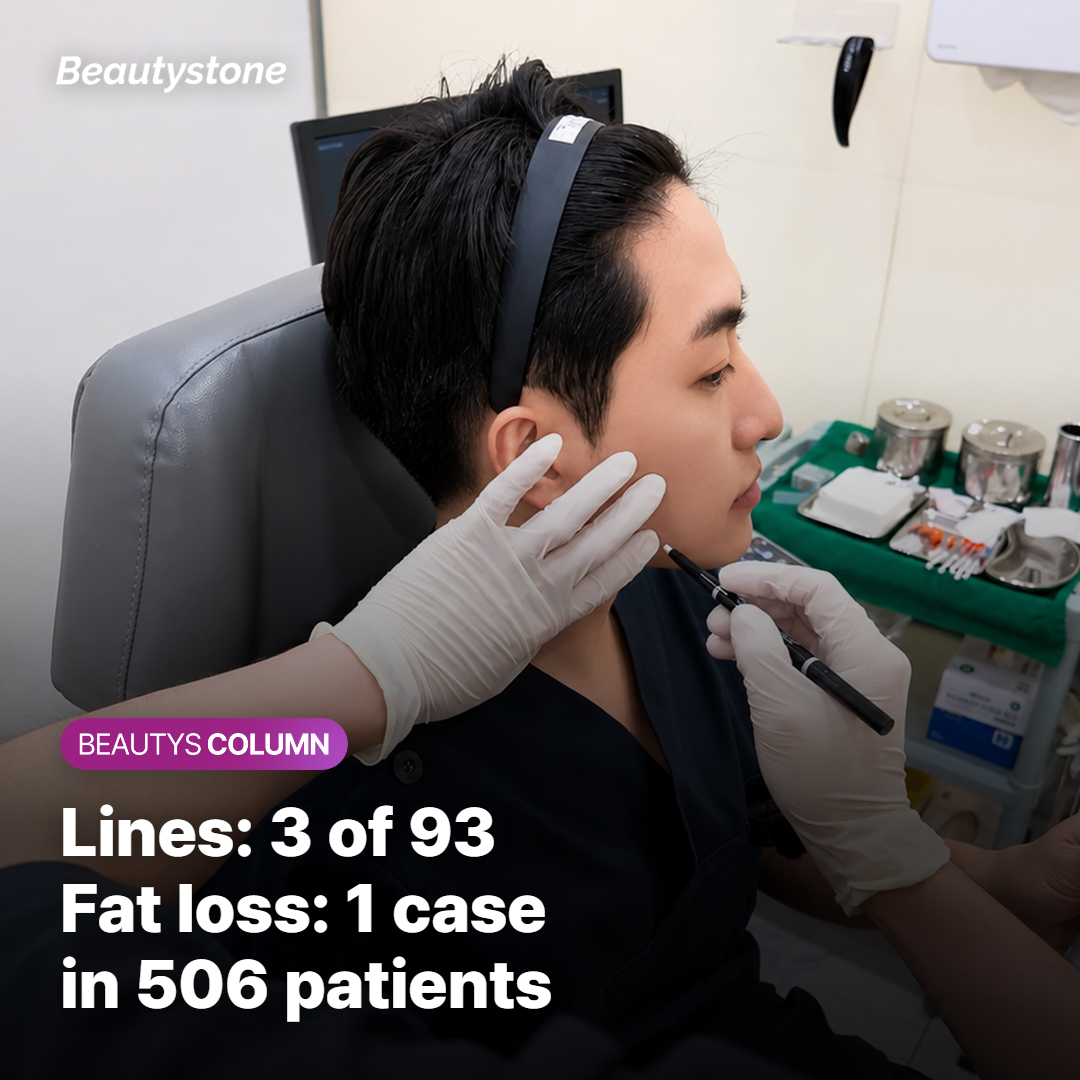
A raised line, called a wheal, looks like a puffy streak along the path the device traveled. In a study that followed 93 people for 3 months, 3 developed these lines, and all faded without any treatment. They're more likely when the transducer (the handpiece that touches your skin) doesn't sit evenly on the skin or the energy isn't matched to the area.
Cheek hollowing is different. It happens when heat concentrates in the fat layer and some fat shrinks (fat atrophy). A review of 19 papers covering 506 patients found only one case of this kind of fat loss.
Keep in mind, a US database of device problem reports tells a different story. Among 106 reports, fat loss, nerve symptoms, and scarring were the most common complaints. Those reports don't show how many people were treated in total, so they can't tell you how often a problem happens.
If your cheeks are naturally thin, or you've lost a lot of weight, the plan shifts. Fewer deep passes go into the fat layer, and more of the treatment centers on the dermis.
Which Ultherapy Side Effects Need a Call Right Away?
Blisters, open sores where the skin breaks down, and skin tissue death have been reported very rarely. A report that collected five such cases found that most appeared after a single session, and starting wound care early helped limit lasting marks. Don't wait these out. Contact the clinic right away if you notice:
- Blisters or oozing in the treated area
- Pain at the treatment site that gets worse every day
- Your mouth pulling to one side when you smile or whistle
- One eyebrow looking lower than the other
- A spot that still looks sunken after the swelling has gone down
If you notice spreading redness or worsening pain, seek medical care right away. A photo helps, but it doesn't replace an exam, so book an in-person check as well.
Is Ultherapy Prime Painful, and Where Does It Hurt Most?
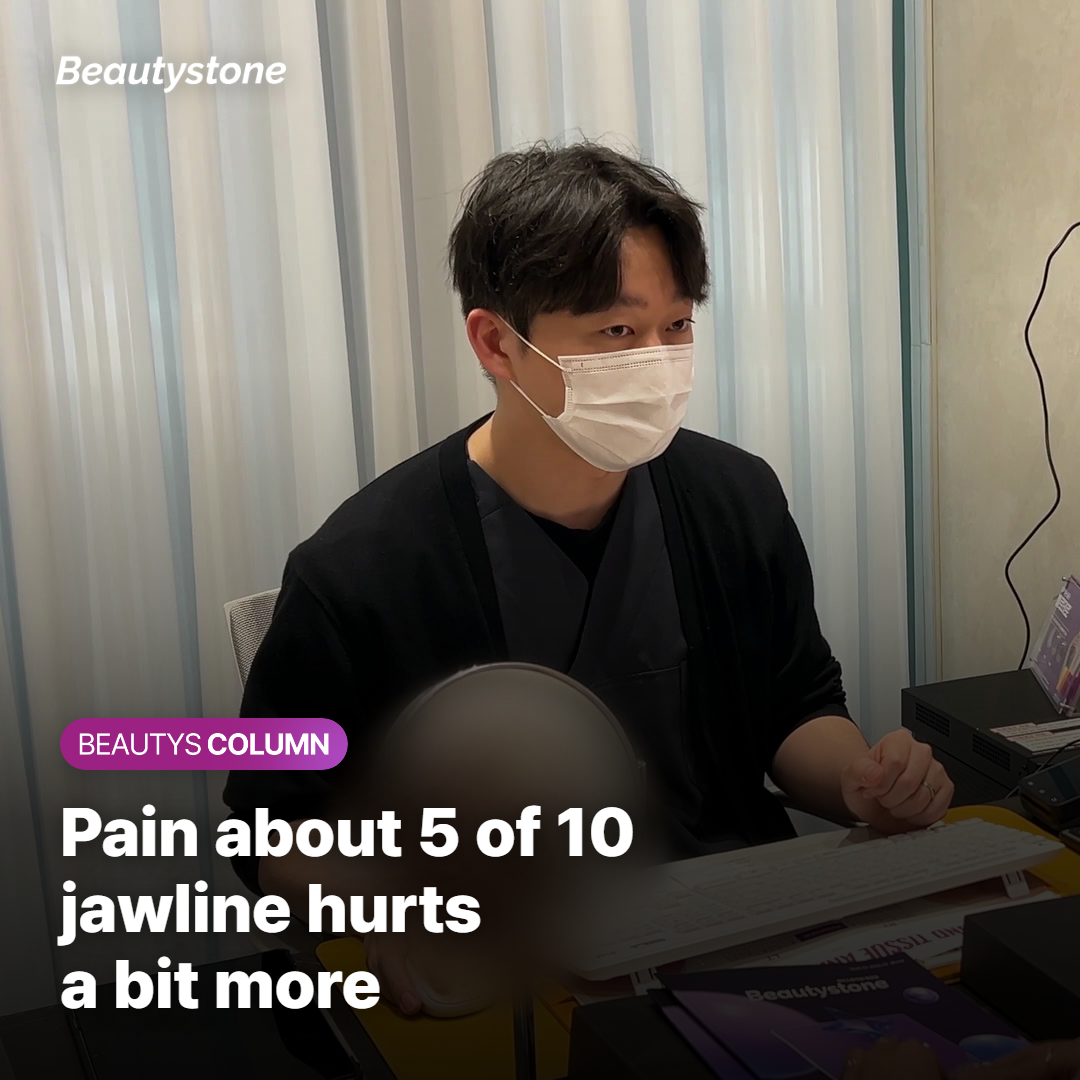
Most people describe Ultherapy as moderately painful. In the 42-study review, the average pain score was 4.85 out of 10 across 785 patients. Areas close to bone tend to hurt more.
| Area (93-person study) | Average pain score (out of 10) |
|---|---|
| Cheek | 5.68 |
| Under the chin | 6.09 |
| Under the jawline | 6.53 |
Pain management is decided at your visit. Options include numbing cream, local injection anesthesia, and, for larger areas or if you're very sensitive, sedation. Which one fits depends on the area and how you handle discomfort. Pain during the session is expected, but pain that keeps growing after the session isn't. Treat that as a warning sign.
Getting Ultherapy During a Trip to Seoul: Flights, One Visit, Home
Apart from a day when you've had sedation, there's no need to postpone your flight because of Ultherapy. Sightseeing and photos are a separate question. Up to around 300 shots, swelling is usually hard to notice in photos, though bruising can still appear in some people.
Think of one visit realistically. Some treatments, like filler, change shape the same day. Ultherapy works more gradually, so your face tends to move a little closer to how it used to look over the following months rather than changing dramatically at once. Results differ from person to person.
After you're home, you can send photos to the clinic through the consultation button on this page if something worries you. If a symptom is severe, like spreading blisters or a drooping smile, see a local doctor first rather than waiting for a reply.
The Bottom Line: One Depth Question to Ask Before Ultherapy
Side effects with Ultherapy mostly come down to where the heat lands: dermis, fat, or the deeper fascia layer. Before you decide, ask, "How thick is the fat layer in my cheeks, and where would the 4.5 mm depth be used?" That single answer tells you where deep heat goes and which areas are left out.
At the first visit, we look at your cheek thickness and jawline sagging while you smile and while your face is relaxed, then choose depths from there. If side effects are your main concern, talk to your provider about that plan before booking. Beautystone is a clinic in Seoul's Hapjeong area.
References
- Effectiveness and side effects of focused ultrasound lifting across 42 studies, Aesthet Surg J, 2025
- Review of side effects and fat loss reports after focused ultrasound, Dermatol Surg, 2025
- Lower-face focused ultrasound study of 93 patients over 3 months, Aesthet Surg J, 2014
- Cases of blisters and skin wounds after focused ultrasound, Lasers Surg Med, 2018
- Expert consensus on preventing and managing focused ultrasound side effects, J Cosmet Dermatol, 2022
- What recovery after Ultherapy looks like, Cleveland Clinic
Frequently Asked Questions
Q. Can cheek hollowing after Ultherapy just be swelling?
A. Cheek hollowing after Ultherapy can look worse while swelling is fading unevenly, so a dip in the first days may simply be the surrounding area still puffy. If the same spot still looks sunken after the swelling is gone, fat loss is a possibility and should be checked in person. When fat loss does happen, hyaluronic acid filler is one way it's been managed.
Q. I lost a lot of weight and my jawline looks deflated. Can I still get Ultherapy?
A. Yes, it can be considered after weight loss, but the first step is checking whether the remaining skin around your jaw has become loose and crepey. The risk of losing more fat is also weighed. Because of that, the plan usually leans on the 1.5 mm depth that targets the dermis for tightening, and the final decision comes after that assessment.
Q. Can Ultherapy cause permanent nerve damage?
A. Long-term nerve problems after Ultherapy are not what the larger studies found: a review of 42 studies reported no long-term nerve or muscle dysfunction and no scarring. Temporary numbness or weakness has been reported rarely, and nerve complaints do appear in a US device problem database that can't show how often they happen. If numbness spreads, or weakness in your smile or brow lasts for weeks, have it examined.
Q. How long does bruising last after Ultherapy?
A. Bruising after Ultherapy shows up in some people and is generally reported as mild and temporary. In treatment records of 101 patients, 4 had bruising. Avoid rubbing the bruise hard or applying heat. If a bruise keeps growing or turns into a firm, swollen lump, contact the clinic right away.
Q. Will Ultherapy make a facelift harder later?
A. Published studies haven't shown that Ultherapy makes a later facelift harder. A US device problem database includes one such report, but it wasn't verified. If you're planning surgery, tell your surgeon the dates and areas of any past Ultherapy sessions.
Q. Can I get Botox or filler on the same day as Ultherapy?
A. Ultherapy has been combined with Botox or filler: in records of 1,040 Korean patients who had ultrasound or radiofrequency tightening with injections, there were no burns, infections, or filler migration. Among those who also had Botox, eyelid drooping occurred in 0.4%. Order and spacing are decided at your visit based on whether the areas overlap.
Q. Do Ultherapy lines leave a scar?
A. Raised Ultherapy lines faded without treatment in the study that tracked them: 3 of 93 people developed them, and all cleared without lasting marks. If blisters or scabs show up along with the lines, early wound care matters, so contact the clinic promptly.