

Skin Booster Redness: Still Bumpy After 1 Week?
If your skin looks red and a little bumpy right after a skin booster, that's usually just how the injections settle in, not a sign anything went wrong. Here's what's typical, how long it lasts, and which signs are worth a second look.

If you've noticed redness and small bumps after a skin booster, you're not alone — it's one of the most common things people ask about in the days right after treatment. The procedure itself only takes a few minutes, but what shows up on your skin afterward is what tends to stick with you.
The short answer? In most cases, that redness and those little raised bumps are simply part of how the injections settle in, and they typically fade within a few days. In this article, we'll cover why this happens, what counts as a normal reaction versus one worth a second look, roughly how long each stage lasts, and what actually helps during recovery.
What Is a Skin Booster, and Why Does This Happen?
A skin booster is a series of tiny injections — usually a hyaluronic acid formula — placed into the upper layer of your skin with a fine needle. Instead of one larger injection, a provider makes dozens of small deposits spread across the treatment area, which is exactly why the skin can look temporarily dotted, pink, or slightly raised right afterward.
That texture isn't a sign that something went wrong. It's your skin registering a lot of tiny punctures in a short window of time, while the hyaluronic acid* hasn't fully dispersed and settled in yet.
Hyaluronic acid*: a moisture-binding substance your skin already produces naturally, used here to help hydrate and add subtle volume from within the skin.
Why Your Skin Looks Red and Bumpy Right After Treatment
Each needle pass triggers a small, localized response: a bit of redness, a touch of swelling, and sometimes a faint bump right where the product was deposited. Multiply that by dozens of injection points in a single session, and you get the blotchy, slightly raised look a lot of people notice on their way out of the clinic.
A study on hyaluronic acid microinjections into the skin (found that pain, swelling, and minor bruising were fairly common after treatment, though most of these reactions resolved within three to four days and were generally well tolerated). That's a useful data point: your skin reacting right after treatment is closer to the expected pattern than the exception.

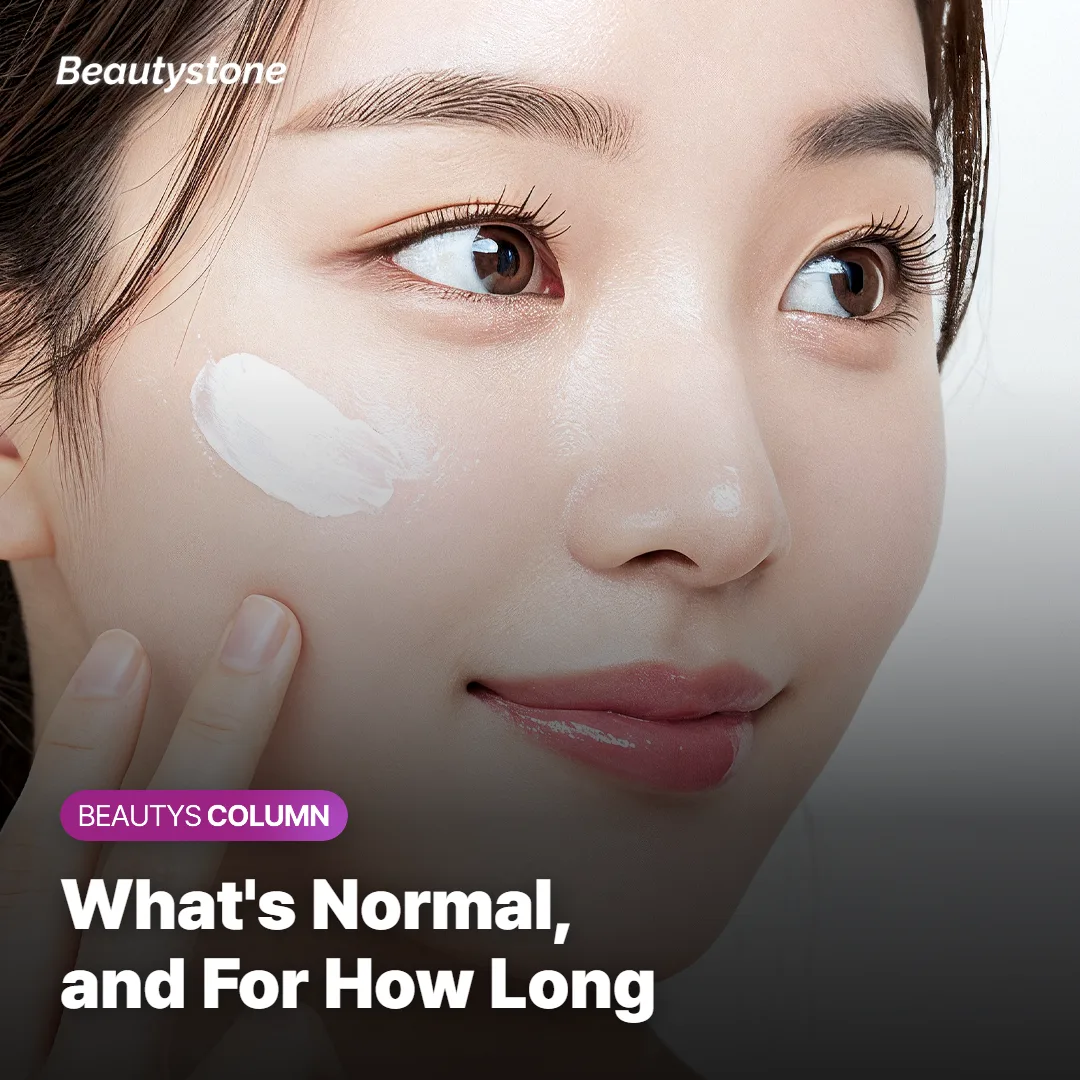
What's Normal, and How Long Do These Reactions Last?
Here's a rough guide to what tends to show up and how long it usually sticks around.
| Common Reaction | Typical Duration | Notes |
|---|---|---|
| Redness at injection points | A few hours to a day | The most common reaction by far |
| Small bumps or swelling | 1 to 3 days | Settles as the product disperses |
| Light bruising | 3 to 7 days | Concealer can cover it in the meantime |
| Tightness or mild stinging | 1 to 2 days | Usually eases with basic moisturizing |
The short version: most of the day-of reactions from a skin booster settle within about a week. During that window, it helps to go easy on your skin — skip the vigorous scrubbing, hot yoga, or anything else that adds extra friction or heat while it's recovering.
Side Effects and Warning Signs to Watch For
Most reactions follow a predictable arc: redness fades first, bumps and swelling settle over the next day or two, and any bruising takes a little longer to clear. Still, it's worth knowing what falls outside that pattern.
A study evaluating the safety of relatively mild hyaluronic acid injections (found that the large majority of reactions were mild and temporary), which lines up with what most people experience. That said, a few signs are worth flagging to your provider rather than waiting out on your own:
- Redness or swelling that gets worse instead of better after the first couple of days.
- A firm, hard lump that doesn't soften over time and feels tender when you press on it.
- Increasing pain, rather than the mild soreness you'd expect right after the injections.
- Noticeable warmth at the treated area that doesn't match the surrounding skin.
None of these are common. But if you notice spreading redness, fever, or pain that keeps climbing instead of easing off, contact your provider or seek medical care right away rather than waiting to see if it resolves on its own.
What to Do During Recovery
A few simple habits make the first few days noticeably more comfortable.
- Hands off: avoid rubbing, massaging, or pressing on the treated area for a few days.
- Keep it simple: stick to a gentle, low-irritation moisturizer rather than layering on active ingredients.
- Dial down the heat: saunas, steam rooms, and intense workouts can prolong redness, so it's worth holding off for a day or two.
- Sunscreen, starting the next day: freshly treated skin is more reactive to UV exposure, so daily sunscreen matters more than usual right after.
None of this needs to be complicated. The goal is just to avoid piling on extra irritation while your skin does what it's already doing on its own.
How Providers at Beautystone Handle Post-Treatment Concerns
At Beautystone, a dermatology clinic in Seoul's Hapjeong neighborhood, providers walk patients through what to expect after a skin booster before they ever leave the room — not just what the treatment does, but what the following days typically look like on their specific skin.
Thinner or more reactive skin tends to show a more visible response to the same treatment, so providers there factor that in when setting expectations rather than handing everyone the same generic recovery timeline. Because the clinic is a short walk from Hapjeong Station, follow-up questions during recovery are easy to bring in for a quick look rather than guessing from a photo.
The Bottom Line
Redness and small bumps after a skin booster are, in the large majority of cases, just your skin processing dozens of tiny injections — not a sign that anything went wrong. Most of it fades within a few days to about a week.
That said, it comes with a few caveats worth watching for: worsening redness, a firm and tender lump, escalating pain, or noticeable warmth are the signs that shift this from ordinary recovery to something worth a call. Like most things involving your skin, individual results vary, and how quickly you bounce back can depend on how thin or reactive your skin tends to be.
If what you're seeing doesn't match the usual pattern, a consultation is the best way to find out what's going on. Beautystone is a dermatology clinic in Seoul's Hapjeong area — see current offers at /en/promotion.
Frequently Asked Questions
Q1. How long does redness and swelling last after a skin booster?
In most cases the redness and small bumps fade within a few days, though the skin can take about a week to fully settle. Healing time varies depending on your skin type and how many injection points were used.
Q2. Is it normal to have small bumps after a skin booster?
Yes — those tiny raised bumps are simply a result of dozens of injection points where the product hasn't fully settled in yet. On their own, they usually aren't a sign that anything went wrong.
Q3. When should I be concerned about my reaction after a skin booster?
If redness, swelling, or pain gets worse instead of better after a few days, or you notice pus, spreading warmth, or fever, it's worth having a provider take a look. That pattern is different from the mild, temporary reaction most people experience.
Q4. What can I do to help my skin recover after a skin booster?
Gentle cooling, avoiding heavy makeup or intense workouts for a day or two, and keeping the area clean tend to help. Your provider can give more specific aftercare guidance based on how your skin responds.