

Onda Recovery: What's Normal in Week 1?
The Onda appointment itself is quick, but what you do in the days after is what shapes your recovery. Here's when sauna sessions and workouts are actually safe to resume.

What Is Onda, and Why Does Aftercare Matter?
Onda is a microwave-based skin-tightening treatment — sold under the name Onda Coolwaves — that heats the deeper layers of the skin to encourage collagen production over time. The appointment itself usually wraps up in under an hour, but what you do in the days right after is what actually determines how smoothly your skin recovers. In this article, we'll cover how Onda heats the skin, a realistic recovery timeline, when the sauna is actually back on the table, and how to ease back into exercise without slowing down your results.
Here's the short version: skip anything that cranks up your body heat or gets you sweating heavily on treatment day and the day after. From there, you can ease back into your normal routine step by step. Exactly how fast depends on your skin's response, so pairing this general timeline with your provider's specific instructions is the safest approach.
It also helps to know why aftercare gets so much attention with a treatment like this. Onda isn't a one-and-done zap — the collagen response it triggers keeps building for weeks after your appointment. Giving your skin a calm, low-heat window right at the start sets that process up to run smoothly instead of getting interrupted.
How Onda Heats the Skin (and Why That Matters Right After)
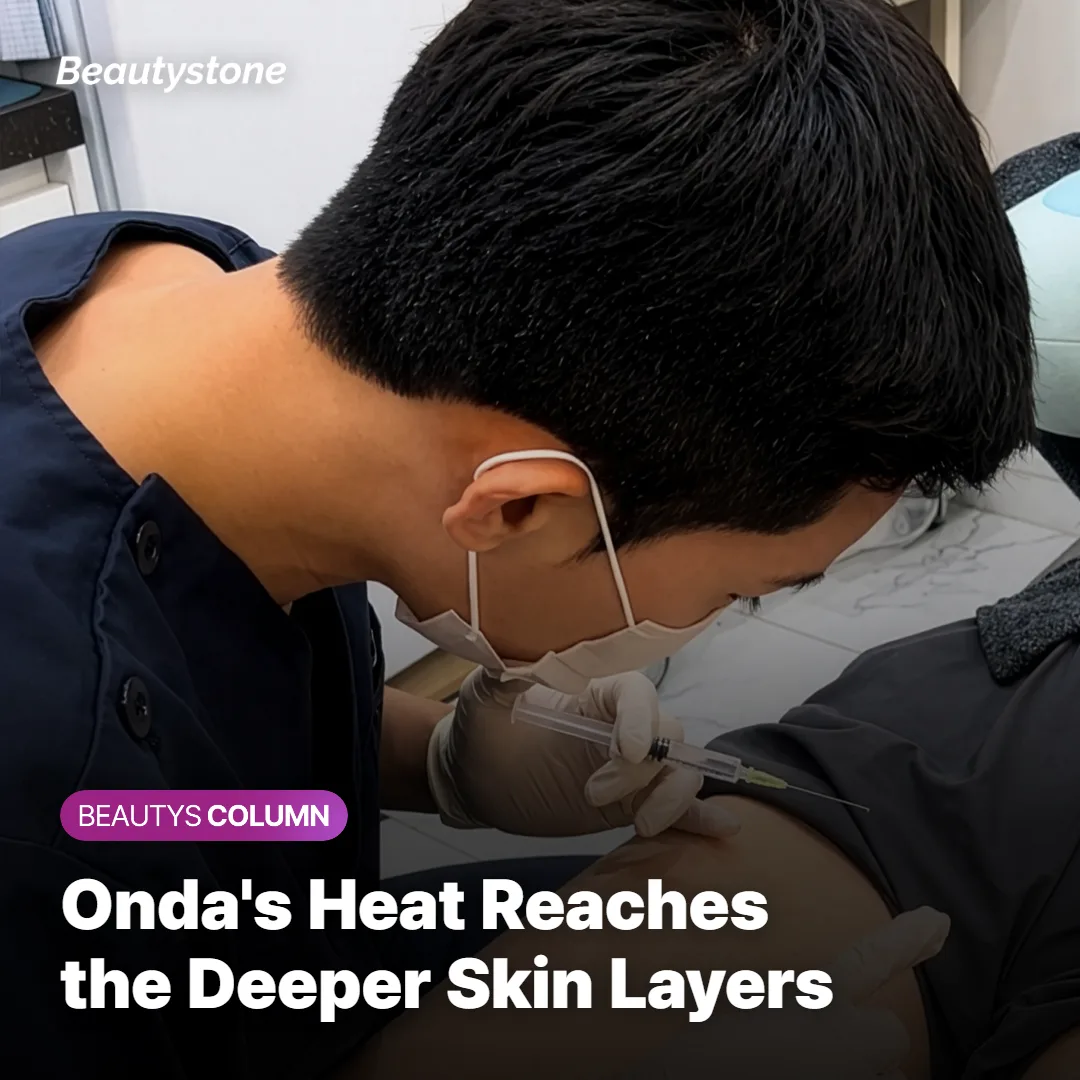
Onda works by delivering microwave energy through a handpiece into the skin's deeper layers, where it generates controlled heat. That heat is what stimulates collagen (the protein that keeps skin firm and plump) to remodel and rebuild over the following weeks. Research on microwave devices that selectively target the dermis has found that this kind of controlled heating is what drives the tightening effect.
The catch is that your skin is already holding onto extra heat right after treatment. Layer more heat on top of that — a sauna session, a hard run, a scalding shower — and you're asking already-stressed tissue to handle even more, which can slow recovery and make redness or swelling linger longer than it needs to.
Your Recovery Timeline: The First Week After Onda
Everyone's skin responds a little differently, but most people find a version of this timeline useful for the week after Onda:
| Activity | Day of Treatment | Days 2–3 | Days 4–7 |
|---|---|---|---|
| Lukewarm shower | Fine, keep it short | Fine | Fine |
| Hot shower or bath | Skip it | Lukewarm only | Back to normal |
| Sauna or steam room | Skip it | Skip it | Okay around day 5–7 |
| Alcohol | Skip it | A little is usually fine | Back to normal |
The pattern across the board: anything that heats you up or dehydrates you gets pushed to the back of the line for the first few days. If your skin is still noticeably red or warm to the touch, it's reasonable to push these timelines back a bit further.
A few things can shift this timeline in either direction. Fair, reactive skin tends to hold onto redness longer, so a slightly more cautious pace makes sense. People who've had Onda before and know how their skin typically responds sometimes move a little faster, with their provider's okay. And if you're combining Onda with another treatment around the same time, it's worth asking your provider how that changes the recovery math.
When Can You Return to the Sauna or Steam Room?
The sauna is usually the first thing people ask about, and for good reason — Onda's whole mechanism is heat, so adding a hot, steamy room on top of freshly treated skin isn't ideal. Most guidance points to skipping the sauna and steam room entirely on treatment day and the following day, then waiting roughly five to seven days before working back in.
If your skin calms down faster than expected, you may be able to move that timeline up a little — but that's a conversation for your provider, not a guess. On the flip side, if redness or warmth is still hanging around past day three or four, it's worth giving it a few extra days before you turn the heat back on.
Easing Back Into Exercise After Onda
Light movement, like a walk around the block, is typically fine starting the day after treatment. Where it gets more nuanced is anything that gets your heart rate — and your body temperature — climbing.
- Light cardio (walking, gentle yoga): Usually fine within a day or two.
- Moderate cardio (cycling, jogging): Most people wait two to three days, longer if skin is still flushed.
- Heavy lifting or high-intensity training: Give it closer to a week, since intense sweating and a spiked heart rate can both aggravate treated skin.
The reasoning tracks with what's known about heat-based skin treatments more broadly. Energy-based treatments that warm the dermis to trigger collagen remodeling rely on that tissue having time to settle afterward, and vigorous exercise works against that by pushing blood flow and body heat right back up. If you bounce back quickly, ask your provider whether you can speed things up. If redness sticks around, it's better to hold off a little longer than to push through it.

Side Effects & Risks to Watch For
Mild redness and swelling are common after Onda and usually settle down within a few days on their own.
- Redness or warmth: A normal short-term response; keep skin cool and avoid extra heat while it settles.
- Swelling: Typically mild and temporary; a gentle moisturizer can help with comfort.
- Sun sensitivity: Wear sunscreen daily starting the next morning — treated skin is more reactive to UV in the days after.
If redness or swelling hasn't improved after a couple of weeks, shows up on just one side, or you notice spreading redness, fever, or worsening pain, don't wait it out — contact your provider or seek medical care right away.
The Bottom Line
Onda's results come from controlled heat — which is exactly why the days right after matter so much. Here's the recap:
- Skip heat and heavy sweat on treatment day and the day after.
- Ease back into light exercise within a day or two, and save intense workouts for closer to a week out.
- Give the sauna about five to seven days, longer if your skin is still flushed.
- Watch for redness or swelling that lingers past a couple of weeks, and check in with your provider if it does.
Individual results — and recovery speed — vary, so treat this as a general guide rather than a strict rulebook. Like any procedure, the exact pace comes with some trade-offs to manage, and ultimately the right timeline depends on your skin, how you responded to treatment, and what your provider tells you at your appointment.
If you're considering Onda, a consultation is the best way to find out what pace makes sense for you. Beautystone is a dermatology clinic in Seoul's Hapjeong neighborhood — see current offers at /en/promotion.
Frequently Asked Questions
Q1. How soon can I go back to the sauna after Onda?
It's best to avoid saunas, steam rooms, and anything that raises your body heat on treatment day and the day after, since your skin is already holding onto extra heat from the procedure. From there, most people can ease back in gradually, but your provider's specific guidance should take priority.
Q2. When can I start exercising again after Onda?
Skip heavy sweating and intense workouts on treatment day and the day after, then ease back into exercise step by step as your skin calms down. Exactly how fast depends on how your individual skin responds.
Q3. Why does heat matter so much right after Onda treatment?
Onda works by heating the skin's deeper layers to trigger a collagen response that keeps building for weeks afterward. Adding more heat too soon — from a sauna, a hard workout, or a hot shower — can stress already-warm tissue and prolong redness or swelling.
Q4. What if my skin still feels warm or swollen a few days after treatment?
Everyone's skin responds a little differently during the first week, and some redness or warmth is a normal part of recovery. If symptoms feel unusually strong or don't settle down as expected, it's worth checking in with your provider.