Is Shurink Universe Right for Your Cheeks? 5 Things to Check
You've noticed your cheeks and jowls softening and you're eyeing Shurink Universe (HIFU) — but is it actually the right match for you? Run these five checks before you book.
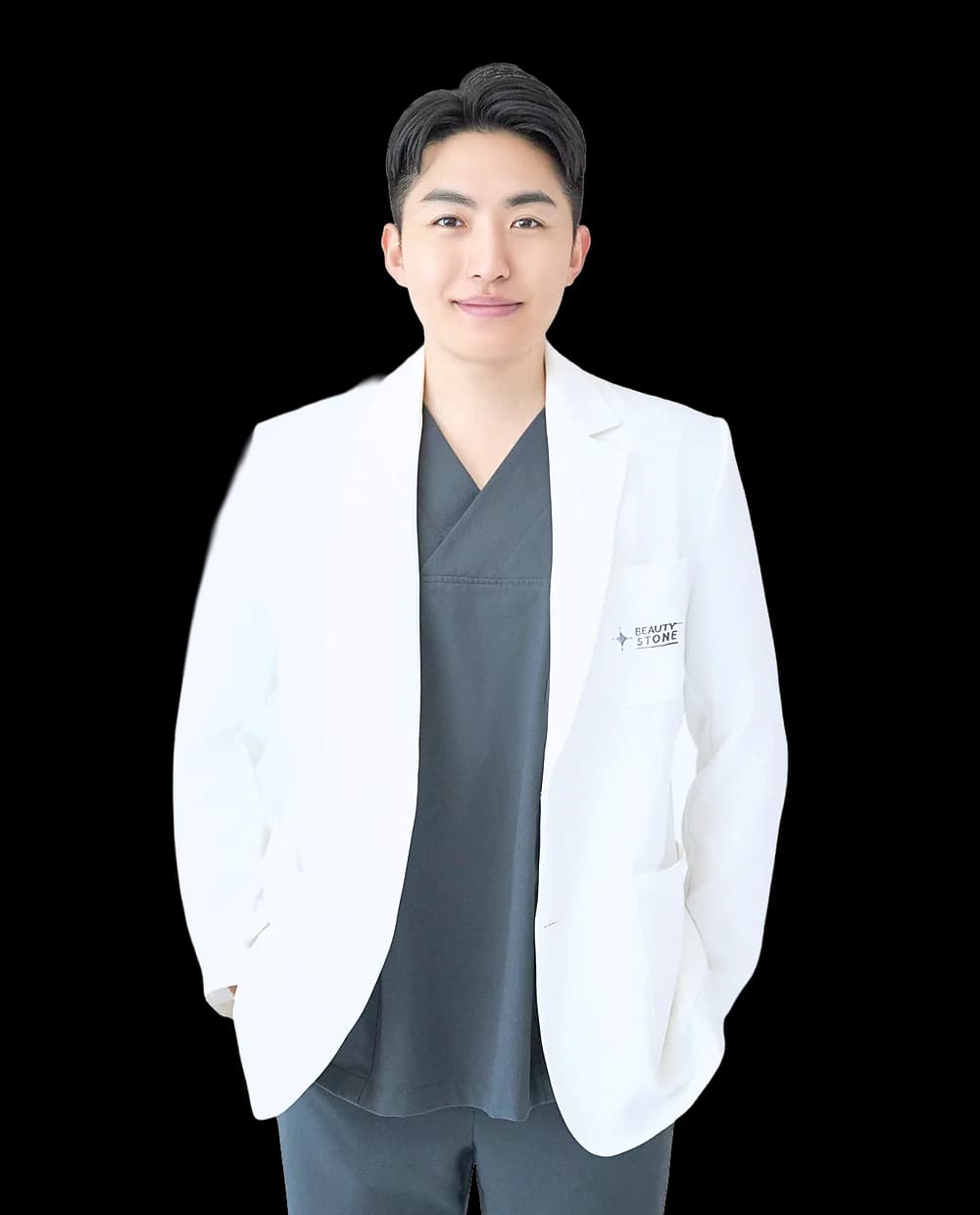
Wi Young-jin
Chief Director & CEO, Myeongdong
Maybe you've already decided your cheeks have started to slide, and now the real question is a narrower one: is Shurink Universe actually the right answer for the change you're seeing? That's a different problem from 'what is HIFU,' and it deserves a different kind of guide — one that helps you hold your own face up against what this treatment can and can't do.
So instead of a general introduction, this walks through five checks worth running before you book: whether your sagging is the type focused ultrasound can reach, how the depth setting shapes your result, how long the change takes and lasts, when you're better off waiting, and what recovery — plus the clinic you pick — really looks like.
Is Your Sagging Deep Enough for Shurink Universe to Help?
Before you weigh any device, it helps to ask where your sagging actually comes from. When cheeks lose their perkiness and the jawline softens, the change usually isn't on the surface. It starts lower down, in the support tissue that holds the mid-face up, and that tissue loosens with age. This is why even a diligent skincare routine hits a ceiling here — creams and serums don't reach deep enough to firm a structure slackening underneath them.
Shurink Universe is built for exactly that layer. It's a non-surgical treatment — the device is the Ultraformer MPT, and in Korea most people just call it 'Shurink' — that focuses ultrasound energy into the skin's deeper foundation and turns it into heat at precise points. Those tiny points of heat prompt your body to build new collagen from the base up, the process topical products can't set in motion. And because nothing is cut, it firms the facial contour without the recovery a surgical lift would ask of you.
So the first check is honest self-assessment. If what bothers you is genuine looseness — cheeks reading as lower, a jawline starting to blur, folds deepening beside the mouth — that's the structural change this treatment aims at. If your concern is mostly fine surface texture, the match is weaker, and a consultation is the fastest way to tell the two apart.
How the Depth Setting Shapes What You'll See
One reason Shurink Universe gets used across such different faces is that it isn't a single fixed setting. The provider swaps cartridges to change how deep the energy lands, which means the same device can chase surface firmness on one person and deeper contour tightening on another. Getting that choice right for your specific concern is most of what separates a plan that suits you from a generic one.
| Depth | Where it works | What it supports |
|---|---|---|
| Shallow | Near the surface | Texture and everyday firmness |
| Mid | Within the dermis | Collagen production is stimulated |
| Deep | The foundation layer | Facial contour and definition |
For cheeks and jowls, the everyday targets are the softening you see across the mid-face and the marionette folds — the lines that drop from the corners of the mouth down toward the chin. Matching depth to those areas is why this second check is less about 'how many shots' and more about 'is the depth being designed around my face.' A plan that varies the cartridge to the region tends to feel more deliberate than one flat setting applied everywhere.
How Long Before You See It, and How Long It Holds
The third check is about patience, because the timeline surprises people more than the treatment itself. You may walk out feeling a little tighter the same day, and that sensation is real — but it isn't the finished result. New collagen takes time to form, so the visible change arrives slowly, becoming clearer over roughly one to three months.
Once it settles in, the effect generally holds somewhere between six months and a year. That range is wide on purpose: skin responds differently from person to person, so how long your result lasts depends on your skin more than any fixed number. Many people don't rush to rebook — they space repeat sessions out and watch how their skin behaves first.
- Same day: a tighter feeling is common, but treat it as a preview rather than the outcome.
- One to three months: the change becomes more noticeable as new collagen builds up.
- Six months to a year: the typical window the effect holds, with individual results varying.
- Repeat timing: spacing sessions out lets you judge your own response before committing again.
If you're hoping to look lifted for an event next week, this is where expectations get reset. Shurink Universe rewards a longer view, and that framing is often the difference between feeling underwhelmed and feeling like the result matched the plan.
When You're Better Off Waiting, and What to Nail Down First
Not every moment is the right moment, and a few situations call for holding off or clearing it with a physician first. Anyone pregnant or breastfeeding, or with metal threads or certain implants in the area being treated, falls into the 'check first' group — some cases simply aren't a good fit, so flag your history up front rather than at the last minute.
If you're clear on that front, the next thing to sort out is the plan, and cheeks plus jawline cover a lot of ground. Cost tracks with shot count, so ask about the number of shots early. At the Seoul clinic, packages tend to begin around 100 shots, and the per-shot price generally eases as the count climbs. The full cheeks and jawline can add up to several hundred shots, and because pricing shifts over time, ask for current figures on the price page before you commit.
- Who's treating you: confirm a physician assesses your face and designs the treatment area and shot count.
- Shot count: ask what your plan calls for, since the cheeks and jawline are a wide area to cover.
- Depth design: check that the cartridge depth is matched to the specific spot you're concerned about.
- Flag your history: pregnancy, breastfeeding, metal threads, or implants in the area all warrant a check first.
None of this is meant to talk you out of it — it's what a thoughtful consultation covers anyway. Running these questions yourself just means you walk in able to tell a plan built around your face from a generic one.
What the First Few Days Feel Like, and Why the Clinic Matters
The last check looks past the appointment to the days right after it. Shurink Universe is considered a low-downtime treatment, and that's fair — but low downtime isn't no downtime. It's normal to leave with some redness, a warm flushed feeling, mild swelling, or spots that feel tender when pressed. For most people that fades on its own within a few days.
Once in a while there's a passing tingle or an odd sensation near a nerve area, and that too tends to be temporary. What isn't routine is swelling or pain that drags on longer than you'd expect — if that happens, don't try to wait it out alone; get in touch with your provider. In the meantime, remember your skin has just absorbed heat energy: skip rubbing the area on the day of treatment, keep it well moisturized, and put on sunscreen whenever you head outside.
This is also where the choice of clinic quietly does its work. Whether the depth was designed for your face, whether a physician planned the shot count, and whether you know who to call if something feels off — all of that traces back to where you had it done. Beautystone is a dermatology clinic in Seoul's Hapjeong area, and if you're weighing whether Shurink Universe fits your cheeks, a consultation is the most direct way to get an answer built around your own skin instead of a general one.
Frequently Asked Questions
How do I know if my sagging is structural rather than just surface?
It's the difference between a texture concern and a support concern. If your cheeks read as lower, your jawline is starting to blur, and the folds beside your mouth are deepening, that points to the deeper support layer loosening — the layer focused ultrasound is designed to reach. Fine surface texture is a weaker match. Because it's genuinely hard to judge on your own, a consultation is the most reliable way to tell which one you're dealing with.
Should I treat cheeks and jawline together or separately?
The cheeks and jawline together cover a wide area, which is why plans are usually priced by shot count and can run into several hundred shots for the full region. Whether to treat them in one plan comes down to your concerns and the shot count designed for you, so it's worth asking during your consultation how the shots are allocated across the areas you care about most.
Is the tighter feeling right after treatment the final result?
No — that early sensation is common, but it's more of a preview than the outcome. New collagen takes time to form, so the visible change builds over roughly one to three months. The effect then tends to last somewhere between six months and a year, with individual results varying, which is part of why many people space out their repeat sessions.
What should I do in the first day or two after a session?
Since your skin has just taken on heat energy, avoid rubbing the treated area on the day itself and keep it well moisturized. Sunscreen matters whenever you go out. Some redness, warmth, mild swelling, or tenderness is normal and usually settles within a few days — but if swelling or pain lingers longer than expected, contact your provider rather than waiting it out.