Partial Tattoo Removal: Erasing One Letter
Want to remove just one letter or word from a tattoo? Here's how partial removal works, what goes into the quote, why sessions vary, and how to tell normal healing from warning signs.

Wi Young-jin
Chief Director & CEO, Myeongdong
Yes, you can remove part of a lettering tattoo and leave the rest. The quote is usually based on the area you want gone, but how many sessions it takes and how tricky the edges are depend on three things: the gap between the letters you keep and the ones you remove, the ink color, and how much ink is in the skin.
Maybe it's one letter of a name, a single date digit, or the last word of a phrase. In this article, we'll cover how partial removal works, what goes into the quote, why even one letter can take several sessions, and which reactions after laser are normal versus worth a call right away.
The short version
- If there's enough space between the letters, one letter can be removed on its own. The number of sessions depends on ink color and density.
- Session range: in a review of picosecond laser studies, at least 69% of tattoos (and in some studies every tattoo) were more than 70% cleared after 1 to 10 treatments.
- Compare quotes on the exact area, number of colors, expected sessions, and numbing costs.
- Call right away if a blister swells and bursts, keeps oozing, or you notice pus or spreading warmth.
Can You Remove Just One Letter From a Lettering Tattoo?
Yes. Tattoo removal lasers target the ink in the skin, so the area to treat can be marked and the laser kept within it. People often come in wanting to remove a single name, a date, or one word at the end of a phrase.
The closer the letter you keep sits to the one you remove, the harder the edge is to handle. If strokes touch or the gap is narrow, the edge of the letter being removed is usually worked down over several sessions while the letter you keep is left alone. That gap is hard to judge from a photo, so it's checked on the skin itself.
What Sets the Price of Partial Tattoo Removal?
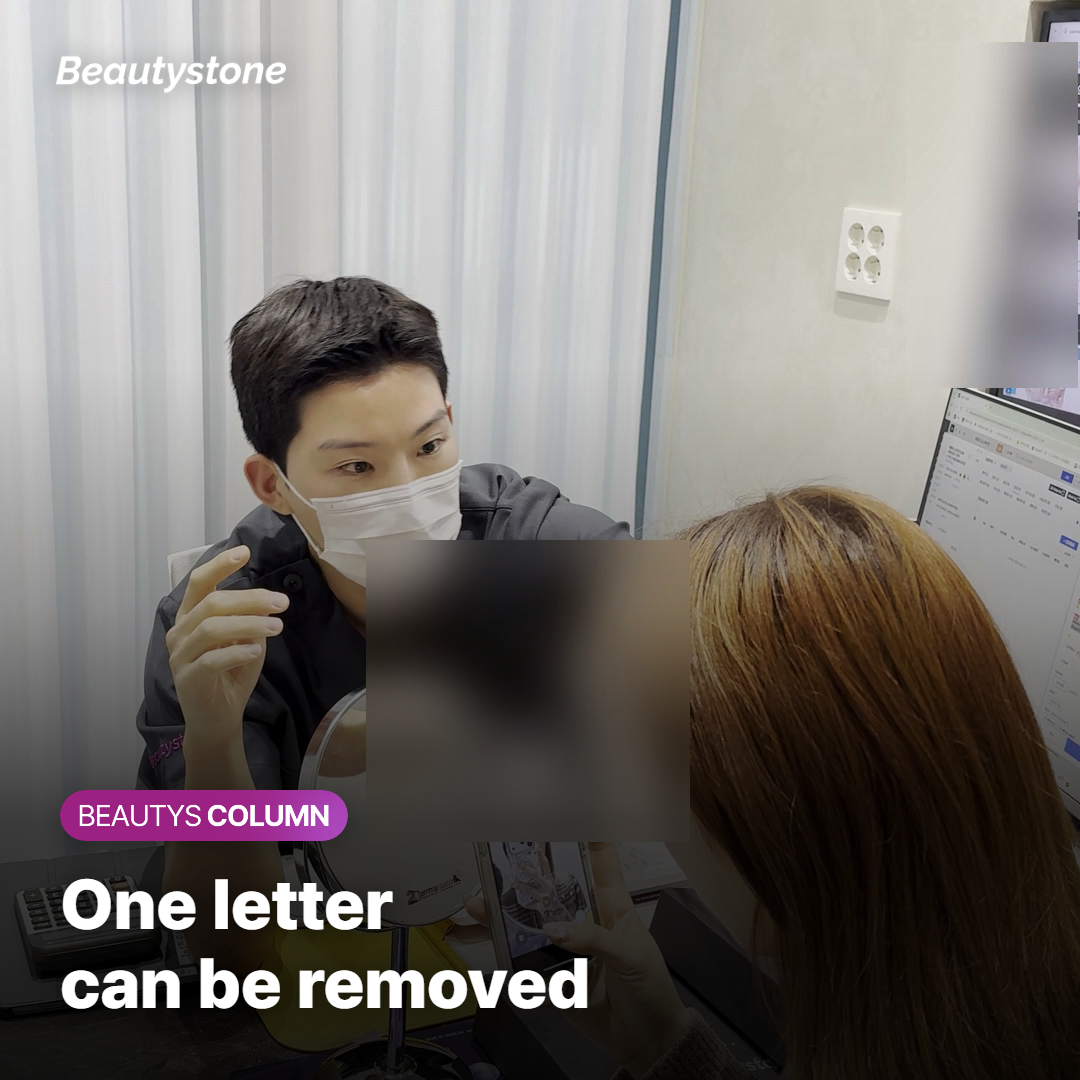
A partial removal quote centers on the size of the area, then adds the number of colors and the expected sessions. The US FDA also notes that the number and length of treatments depend on the tattoo's size and the colors used. A smaller area usually makes each visit lighter, but tricky edges can add sessions.
| What to check | What the quote should say |
|---|---|
| Area | How many letters, and which strokes |
| Colors | Black only, or other colors mixed in |
| Expected sessions | A session range and the interval |
| Extras | Whether numbing cream and aftercare are included |
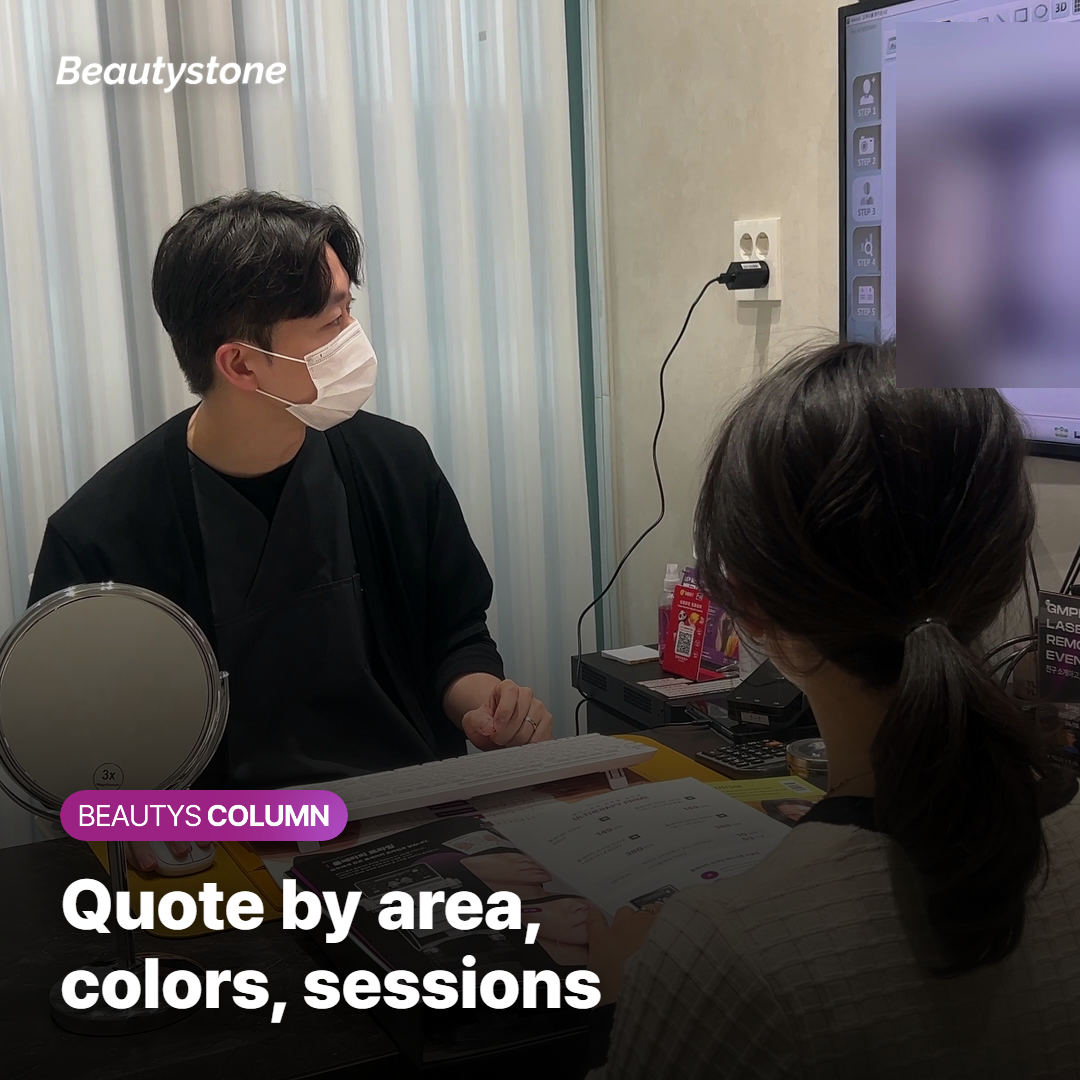
When you compare two quotes, check that they cover the same area before you look at the price. If one quote covers a single letter and the other includes nearby strokes, they aren't quoting the same treatment. You can only weigh a per-session price against a multi-session price when the expected number of sessions is written down.
Why Can One Letter Still Take Several Sessions?
Two letters of the same size can need a different number of sessions if their ink color or density differs. The FDA says black and dark blue are the easiest colors to remove, while green, red, and yellow are the hardest. White and flesh-toned inks can turn black when hit by a laser, and that darkened ink is no longer treatable by laser.
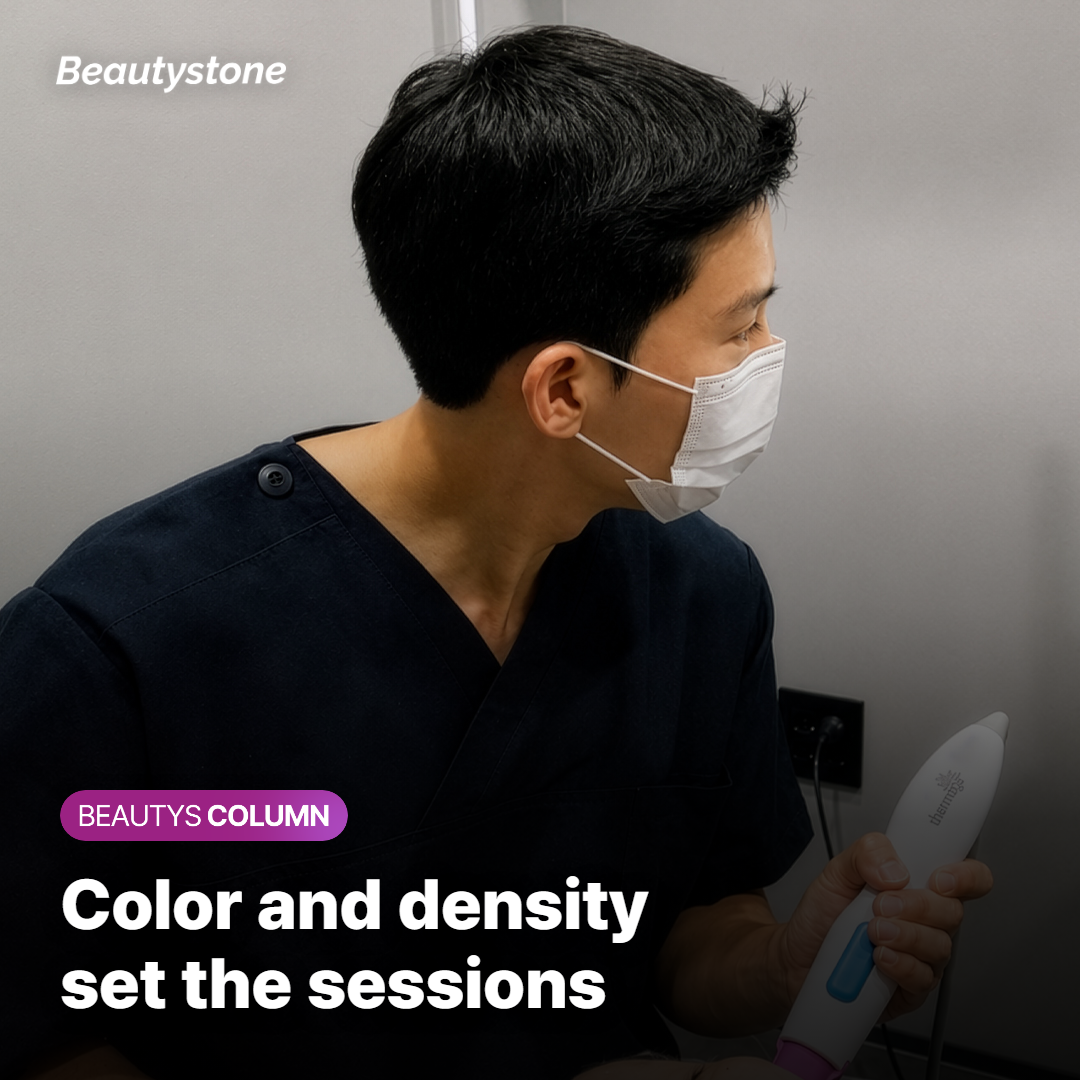
In a systematic review of 8 picosecond laser studies, mostly on black and blue tattoos, the share of tattoos more than 70% cleared after 1 to 10 treatments ranged from 69% to every tattoo treated. The range is wide because the studies used different devices, colors, and tattoos. In a small report on 4 people whose eyebrow tattoos were treated with a 1,064/532 nm picosecond laser, clearance ranged from 75% to complete after one to three sessions.
A report on four people isn't a basis for promising a number of sessions. At the consultation, the doctor looks at the color, how dense the ink is, and whether it's been treated before, then gives you a session range.
Side Effects After Laser: Which Blisters and Scabs Are Normal?
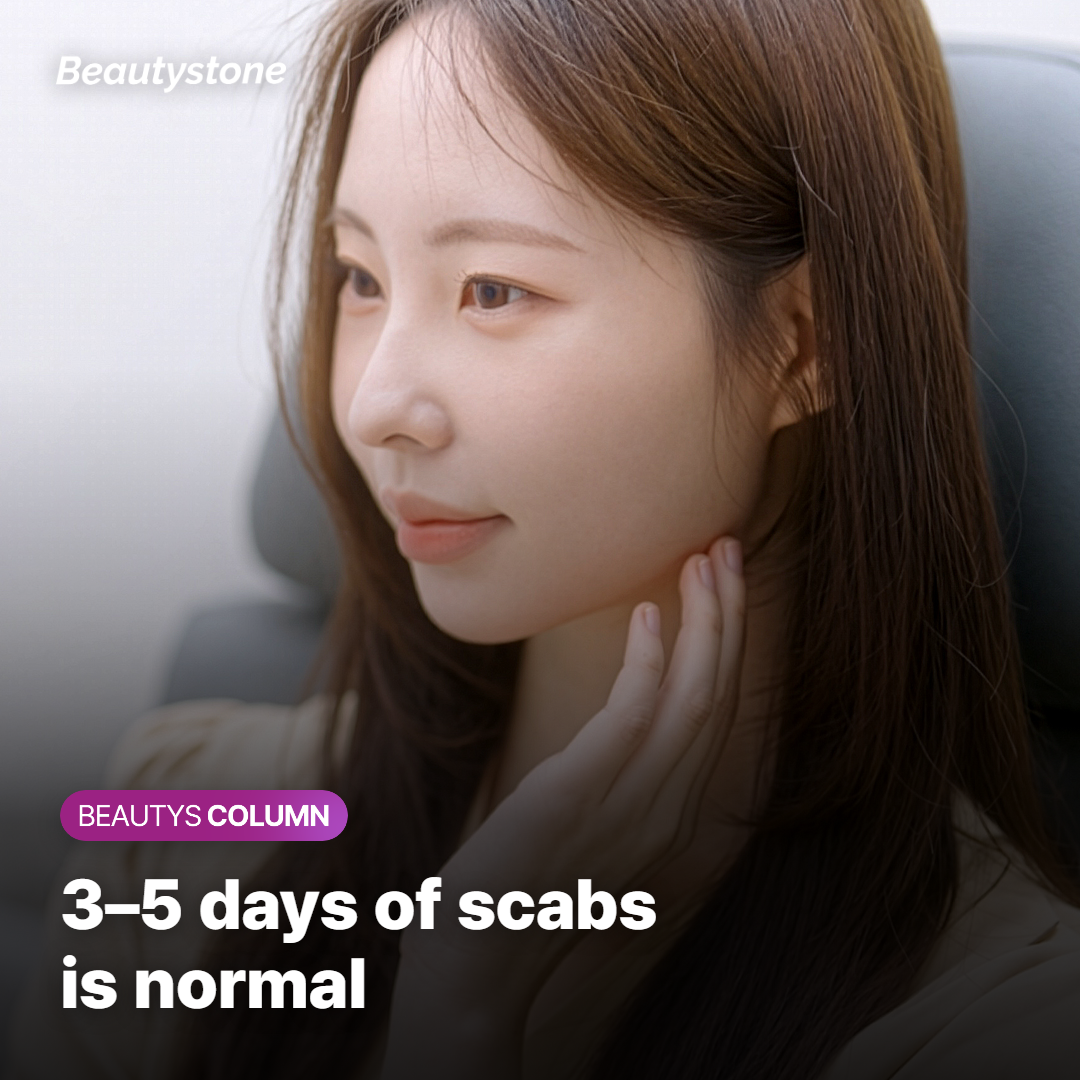
Redness, swelling, and pinpoint bleeding right after treatment, followed by a few days of scabbing, are common. In the eyebrow report, a thin crust appeared for about 3 to 5 days after each session. In a split-tattoo study comparing picosecond and nanosecond lasers, blistering and itching were milder and shorter on the picosecond side, but darkening of the skin appeared with both lasers.
Usually passes on its own
- Redness, swelling, stinging, and pinpoint bleeding
- A thin scab that forms and falls off over about 3 to 5 days
- Small blisters (leave them unpopped)
Contact the clinic right away
- A blister that swells, bursts, and keeps oozing
- Pus, redness and warmth spreading wider than before, or a fever
- Pain that gets worse day by day
- Skin that stays lighter or darker than the surrounding area for weeks after the scab falls off
Don't pick at scabs, and keep the treated area out of the sun. If you notice any of the signs above, take a photo and contact the clinic right away. The FDA also lists skin that ends up lighter than the surrounding area as a possible result of laser removal.
How to Prepare So Your Quote Is Accurate
Deciding exactly which letters to remove makes the quote and the session range much clearer. Mark the part you want removed on a photo of the whole tattoo, and note when you got it, its colors, and whether you've had laser treatment on it before.
If you plan to cover the area with a new design later, say so early. Some people stop once the ink is light enough to cover instead of removing it completely, which changes the session plan.

The Bottom Line: What to Check Before You Book
A partial removal quote is only useful when the area, colors, expected sessions, and extra costs are all written down. Check those four items before you book.
Beautystone is a clinic in Seoul's Hapjeong area. You can send your marked photo and notes through the consult button on this page, and the gap between the letters you keep and the ones you remove will be checked first at your visit.
Frequently Asked Questions
Q. Will removing one letter fade the letters next to it?
A. The laser is kept within the marked area, so the letters you keep are meant to stay as they are. When strokes touch or the gap is very narrow, the edge is harder to handle. That's why the gap is checked first and the edge is worked down in steps. If keeping the other letters intact matters most, say so at the start.
Q. Does partial removal take fewer sessions than full removal?
A. The number of sessions depends more on ink color and density than on size. A smaller area makes each visit lighter, but if the ink is dense or mixed with other colors, it can take a similar number of sessions. Tricky edges can even add one or two. The exact range is set after the skin is examined.
Q. Can I get a new design over the removed area?
A. The area needs to be fully healed and the skin tone settled first. If you plan to cover it, you may be able to stop once the ink is light enough rather than removing it completely. Mention this plan at the consultation so the sessions can be planned around it.
Q. How far apart are the sessions?
A. The FDA describes laser removal as multiple treatments a few weeks apart so the skin can heal. A split-tattoo study used 4-week intervals for up to 8 sessions. The actual spacing depends on how the scabs and redness settle, so share any fixed travel dates at the consultation.
Q. Can lettering with white or flesh-toned ink be removed?
A. The FDA notes that white and flesh-toned inks can turn black when treated with a laser, and that darkened ink is no longer treatable by laser. If these colors are present, a small test spot is often treated first to see how it reacts. Share a photo if your lettering has highlights or shadow colors.
Q. How much does it hurt?
A. The FDA compares it to a thin rubber band snapping against the skin, and says numbing cream can be applied beforehand if needed. Areas close to bone, like the wrist or ankle, often feel sharper. Numbing cream adds waiting time, so allow for that when you plan your visit.
Q. Will it leave a scar?
A. The FDA lists scarring and infection as possible risks of laser removal. In the split-tattoo study, no scarring was found with either laser, but that doesn't mean the risk is zero. Leaving scabs and blisters alone and avoiding the sun help. Mention it if you scar easily.
Q. I stopped removal at another clinic. Can I continue?
A. Yes. In the split-tattoo study, previously treated tattoos responded better than untreated ones. It helps to know how many sessions you had, when, and whether any areas changed color afterward. Bring past treatment records or photos if you have them.