4 Everyday Habits That Make Sofwave Redness Last Longer
Sofwave downtime is usually mild, but a handful of first-week habits and a few stubborn myths can keep the redness and swelling hanging around longer than they need to — here's how to spot them and heal on schedule.
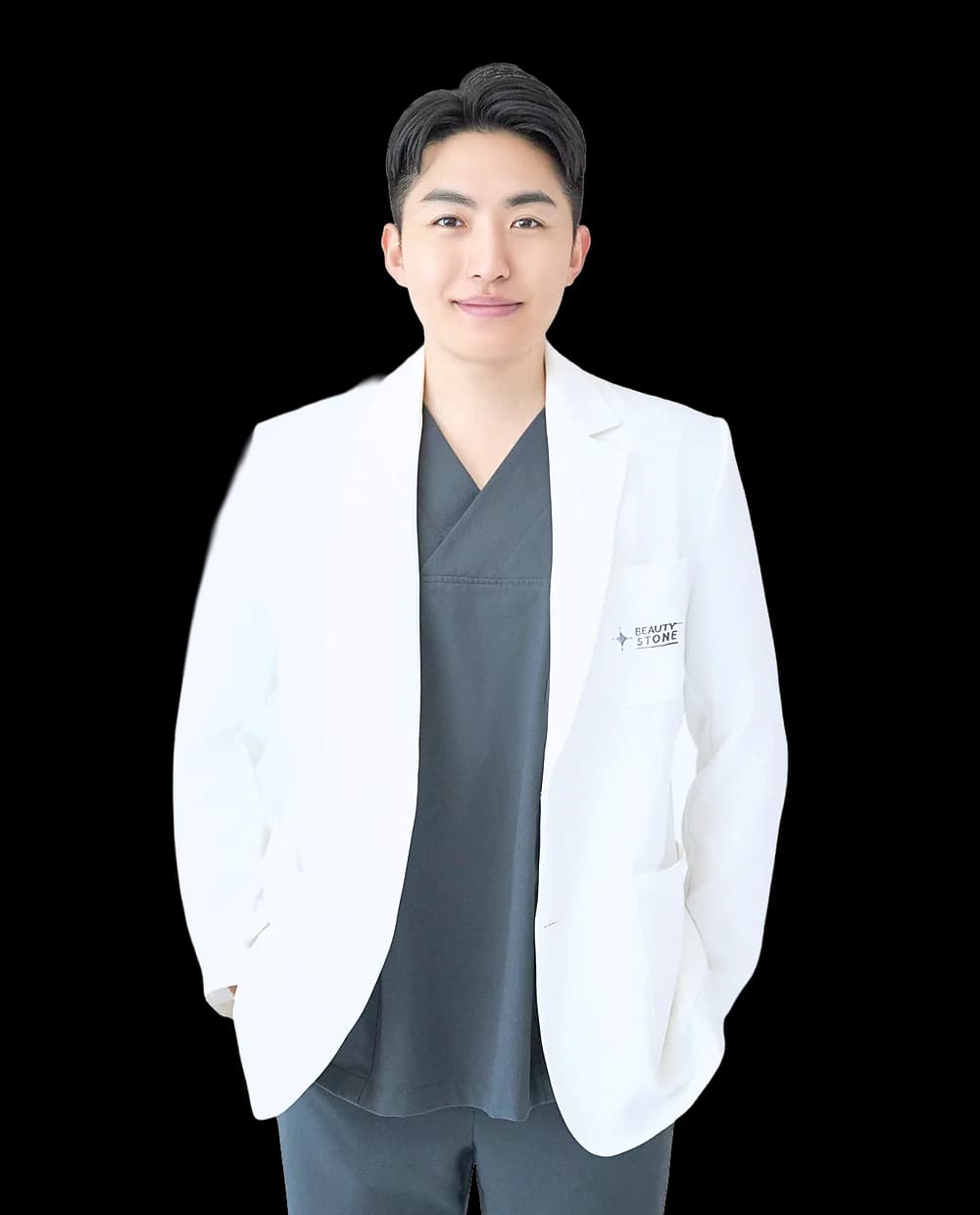
Wi Young-jin
Chief Director & CEO, Myeongdong
Most write-ups on Sofwave hand you a day-by-day countdown and stop there. This one starts from a different question: not how long recovery takes, but why it sometimes drags on longer than it should. Because for a low-downtime treatment, a surprising amount of the redness and puffiness that spills into a second week isn't the machine's doing at all — it's what people do in the first few days.
So think of this less as a calendar and more as a troubleshooting guide. We'll look at why two people heal at very different speeds, the everyday habits that quietly keep the flush around, the myths that steer people into the wrong aftercare, how to plan a session around a date that matters, and when a lingering reaction is worth a message to your clinic.
Why Two People Heal at Very Different Speeds
Sofwave sends focused ultrasound into the middle of the dermis, and the warmth it leaves behind coaxes the skin into building fresh collagen — over the following weeks, that firms and tightens things up. Recovery usually stays gentle because of where the heat lands: it works in the mid-dermis rather than the SMAS, which sits deeper and closer to nerves and bone, so it can't provoke the tissue as forcefully. Nothing is cut at the surface either, which is why downtime is lighter than lifting done through incisions.
Still, heat is doing the work, and living tissue answers heat the way it answers any small stress — with a brief flush and a little swelling. A warm, pink face right after your session isn't a warning; it's the expected receipt for a heat-based treatment.
The part worth sitting with is that this varies. How much you redden, whether a bruise turns up, and how fast it quiets down differ from one face to the next — two people can leave the same room and be on different timelines by the weekend. It's also why a fixed day-by-day chart is only a rough sketch of your recovery, not a promise.
The Everyday Habits That Keep the Redness Around
Here's the piece most day-by-day guides skip: a good share of the redness and swelling that overstays its welcome is kept going by what you do afterward, not by the treatment. The upside is that the fix is simple — sidestepping a few things in the first days does most of the work.
The worst offenders all raise blood flow, which pushes the flush and puffiness back up. Hard workouts, a hot sauna, and a drink or two all pull that way, so it's worth parking strenuous exercise, saunas, and alcohol for the first two to three days. And on treatment day, rubbing your skin — even with a towel — works against that fragile barrier.
So the short list of what actually helps in those first days:
- Cool the skin gently and keep it well moisturized, starting from the evening of treatment day.
- Handle your face lightly — pat rather than rub, and ease back into your usual skincare over a couple of days.
- Wear sunscreen from treatment day onward, and stay consistent as the skin calms down.
- Hold off on hard workouts, hot saunas, and alcohol until you're two or three days out.
None of this speeds healing — nothing really does. It just keeps you from extending the very redness you want gone, which is most of what "a good recovery" means.
Three Downtime Myths Worth Unlearning
Some of the longest recoveries start with a belief rather than a bad habit. Three ideas in particular talk people into the wrong aftercare, so they're worth setting straight.
| The myth | What's actually true |
|---|---|
| "Sofwave has no downtime, so I can carry on as before." | It's low-downtime, not no-reaction. Because heat is involved, redness, warmth, mild puffiness, and sometimes light bruising are all normal, and on the first day the barrier is briefly more fragile. |
| "A bruise means something has gone wrong." | Occasional light bruising tends to appear around days two and three and is an ordinary part of the process. It usually clears within about a week, and light makeup covers it by then. |
| "Once the redness fades, I'm done with sun care." | Skin takes UV harder in the days after a procedure, and the firming keeps building for weeks as collagen forms — so steady sun protection matters well after the flush is gone. |
The bruising myth causes the most needless worry. If a faint mark shows up a couple of days in, leave it alone rather than treat it as a red flag — once the skin isn't raw, light makeup is usually all it needs. The sun-care myth is the sneakiest: the redness is gone, so surely the risk is too. But the American Academy of Dermatology has noted that skin takes UV harder in the wake of a procedure, and dropping sunscreen too soon is an easy way to invite pigmentation.
The first myth, though, quietly wrecks recoveries. Reading "no downtime" as "no need to change anything" is how people end up back at the gym on day one, then wonder why the flush is still there at the weekend.
Planning a Session Around a Date That Matters
If there's a wedding, a shoot, or a big first day on the horizon, count backward from it. Most people are up and about the day after Sofwave, but how fast the redness clears varies, so you don't want your session pressed right against the event.
Roughly, here's how the first days tend to shake out for ordinary life:
- Washing and gentle skincare: ease back in from the evening of treatment day.
- Makeup: often fine from the next day once the redness has calmed, going by how your skin looks rather than the date.
- Work and errands: most people head back the next day without much fuss.
- Hard workouts, hot rooms, and drinking: give them the first two to three days.
The practical rule is to build in a buffer. A session a few days before something you care about gives you margin; one the day before bets on a fast fade not everyone gets. And since the firmer look develops slowly over the following weeks, not in time for the event, there's rarely a reason to cut it fine.
When to Simply Wait, and When to Reach Out to Beautystone
Most of what you'll feel in the first week is the healthy kind of reaction — redness and warmth that ease over two to three days, the occasional light bruise, a settled look around the one-week mark, and a firmer feeling later as collagen builds. When those reactions are clearly calming, patience is the right call, with no need to be overly anxious.
What deserves attention is the opposite pattern. If redness or swelling lingers noticeably longer than it should, or you're dealing with strong pain that isn't letting up, don't quietly ride it out — it's worth having a doctor take a proper look. Reactions like that are uncommon, but they're the ones a fixed timeline can't reassure you about.
This is also where a real consultation earns its place. Your skin, your history, and your schedule all shape the right timing — the things a generic recovery chart can't weigh for you. Beautystone is a dermatology clinic in the Hapjeong area of Seoul, and if you're unsure how long your own recovery might run, or when to book around a date that matters, you're welcome to reach out over LINE and talk it through.
Frequently Asked Questions
I worked out hard the day after my session and the redness looks worse — did I damage something?
Almost certainly not. Exercise, hot saunas, and alcohol all raise blood flow, and higher circulation can keep redness and swelling hanging on longer than they otherwise would. That's about extending a temporary reaction, not causing harm. Ease off strenuous workouts, saunas, and alcohol for the first two to three days, be gentle with the skin, and it should settle back onto its normal path.
A faint bruise turned up two days later. Do I need to cancel my plans?
Usually not. Light bruising often appears around days two and three and is an ordinary part of the process rather than a sign something went wrong. It typically clears on its own within about a week, and once the skin isn't raw, a light layer of makeup covers it well enough for everyday life. If a bruise or swelling drags on far longer than expected, that's the point to check in with your doctor.
The flush is basically gone after a few days — can I stop the sunscreen now?
Better to keep it up. The American Academy of Dermatology has noted that skin takes UV harder after a procedure, and the collagen work continues for weeks beneath the surface even once the visible redness has faded. Staying consistent with sun protection past that point is one of the simplest ways to head off pigmentation you didn't have to deal with.
How far ahead of a big event should I actually book?
Give yourself a buffer of a few days rather than booking the day before. Most people are back to normal the next day, but how quickly the redness fades varies from person to person, so a little slack protects you if you're on the slower end. And since the firming shows up gradually over the following weeks rather than in time for the event, there's no real upside to cutting it close.