

Potenza for Melasma: 3 Things to Check vs. a Laser
Melasma is trickier to treat than an ordinary sunspot, and pushing it too hard with a laser can backfire. Here's how Potenza's RF microneedling approach differs, and what results actually look like.


Planning a trip to Seoul?
If you've dealt with melasma, you've probably heard some version of this warning: push a laser too hard, and the pigment comes back darker than before. It's not just a scare story — melasma really is trickier to treat than an ordinary sunspot, and the wrong approach can backfire. That's part of why more people are asking about Potenza, a device that doesn't work the way a typical toning laser does. In this article, we'll cover what makes Potenza different, who tends to be a good fit for it, and what the recovery and results actually look like session to session.
What Is Potenza, and How Does It Treat Pigmentation?
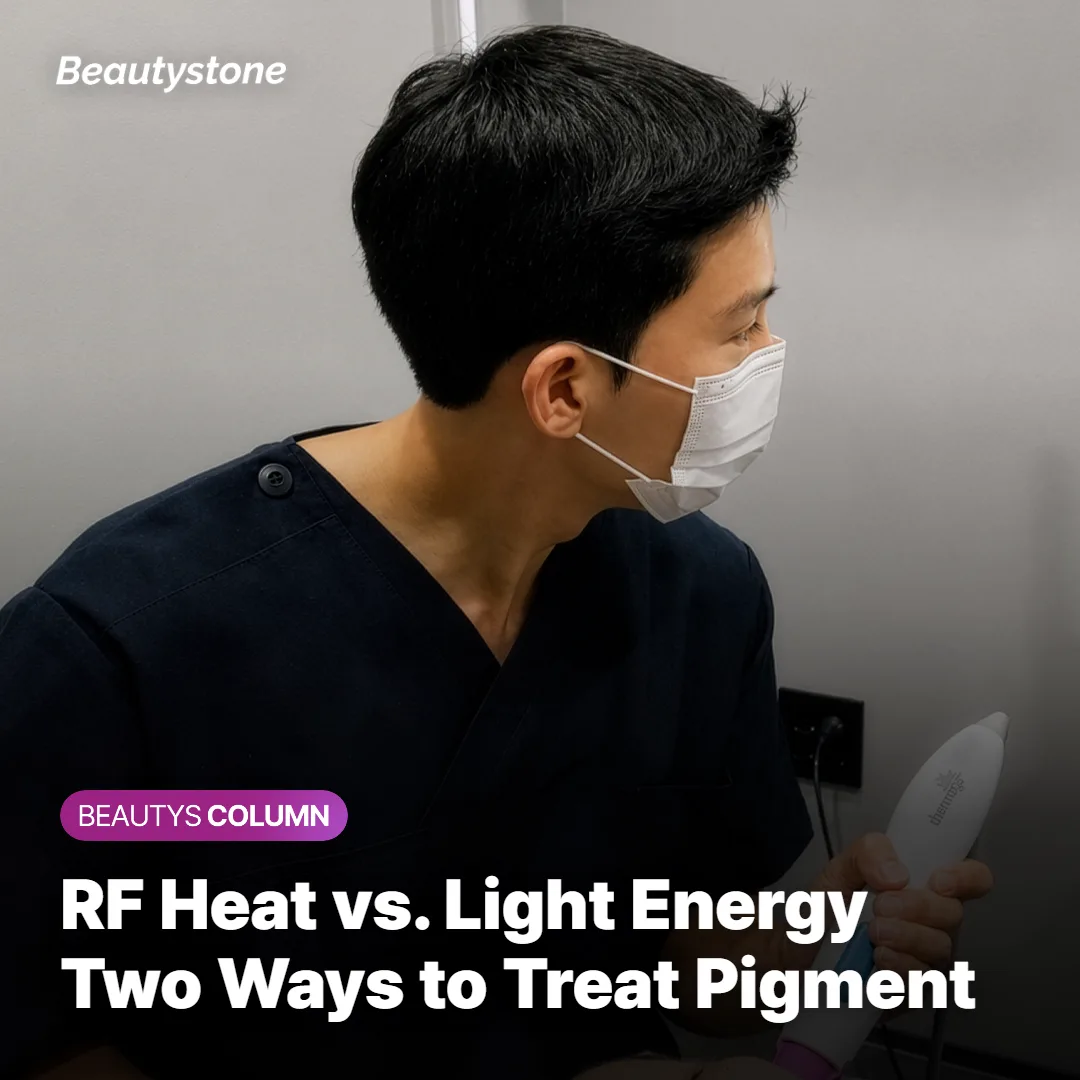
Potenza is an RF microneedling* device — it uses a grid of ultra-fine needles to carry radiofrequency energy just beneath the surface of the skin, instead of firing light directly at pigment the way a toning laser does. Rather than targeting melanin* head-on, it works more indirectly: calming the skin environment and easing the low-grade irritation that keeps pigment production running high.
RF microneedling*: a treatment that pairs tiny needles with radiofrequency heat, delivering warmth into the deeper layers of skin while sparing the surface most of the impact.
That's a different goal than what a lot of pigment lasers are built for. Toning lasers are typically designed to shatter pigment particles so your body can clear them out over the following weeks. Potenza doesn't try to blast pigment apart — it nudges the skin toward evening itself out, which tends to be a gentler process on the surface. That's a big part of why it comes up so often when melasma is the concern.
Melanin*: the pigment responsible for your skin's color. Sun exposure, hormones, and irritation can all push melanin production into overdrive, which is what shows up as melasma, sunspots, or general unevenness.
How Is Potenza Different From a Toning Laser for Melasma?
Melasma isn't just pigment sitting on the surface. It's shaped by a mix of UV exposure, hormones, and inflammation working together — which is exactly why it tends to fade and then creep back, and why treating it too aggressively can make it worse instead of better.
Here's how the two approaches stack up side by side:
| Category | Potenza (RF Microneedling) | Toning Laser |
|---|---|---|
| How it works | Microneedles + radiofrequency heat | Light energy absorbed by pigment |
| Main target | Skin environment and tone overall | Pigment particles directly |
| Surface irritation | Typically lower | Can build up with repeat sessions |
| Bonus effects | Pores and texture often improve too | Mostly focused on pigment fading |
| Course of treatment | Multiple sessions, cumulative | Multiple sessions, cumulative |
Potenza isn't trying to break pigment apart in one go — it's delivering heat into the dermis in a grid pattern and letting the skin regulate itself from there. That tends to make it a lower-drama option for pigmentation that's prone to flaring back up, like melasma. That said, it's not automatically the better choice for every kind of spot. Deeper or more stubborn pigment sometimes responds better when a laser is part of the plan too, so it's rarely an either-or decision.
Who's a Good Candidate for Potenza vs. a Toning Laser?
Potenza isn't a universal fix for every kind of discoloration. How well it fits depends a lot on what kind of pigment you're dealing with:
- Melasma that keeps coming back: if your pigment is the reactive, easily irritated type, a lower-drama approach like Potenza is worth discussing first.
- Pores and tone together: if uneven texture and pigment both bother you, Potenza tends to address both in the same sessions.
- Deep, stubborn dark spots: a toning laser may be more direct if that's your main concern.
- High sun exposure day to day: whichever treatment you choose, sunscreen has to be part of the plan, or the pigment is likely to come back regardless.
Pigment treatments generally aren't a one-and-done kind of thing — results build up over a series of sessions rather than showing up all at once, so it's worth judging the outcome over the full course rather than after a single visit.

What to Expect: Treatment, Recovery, and Timeline
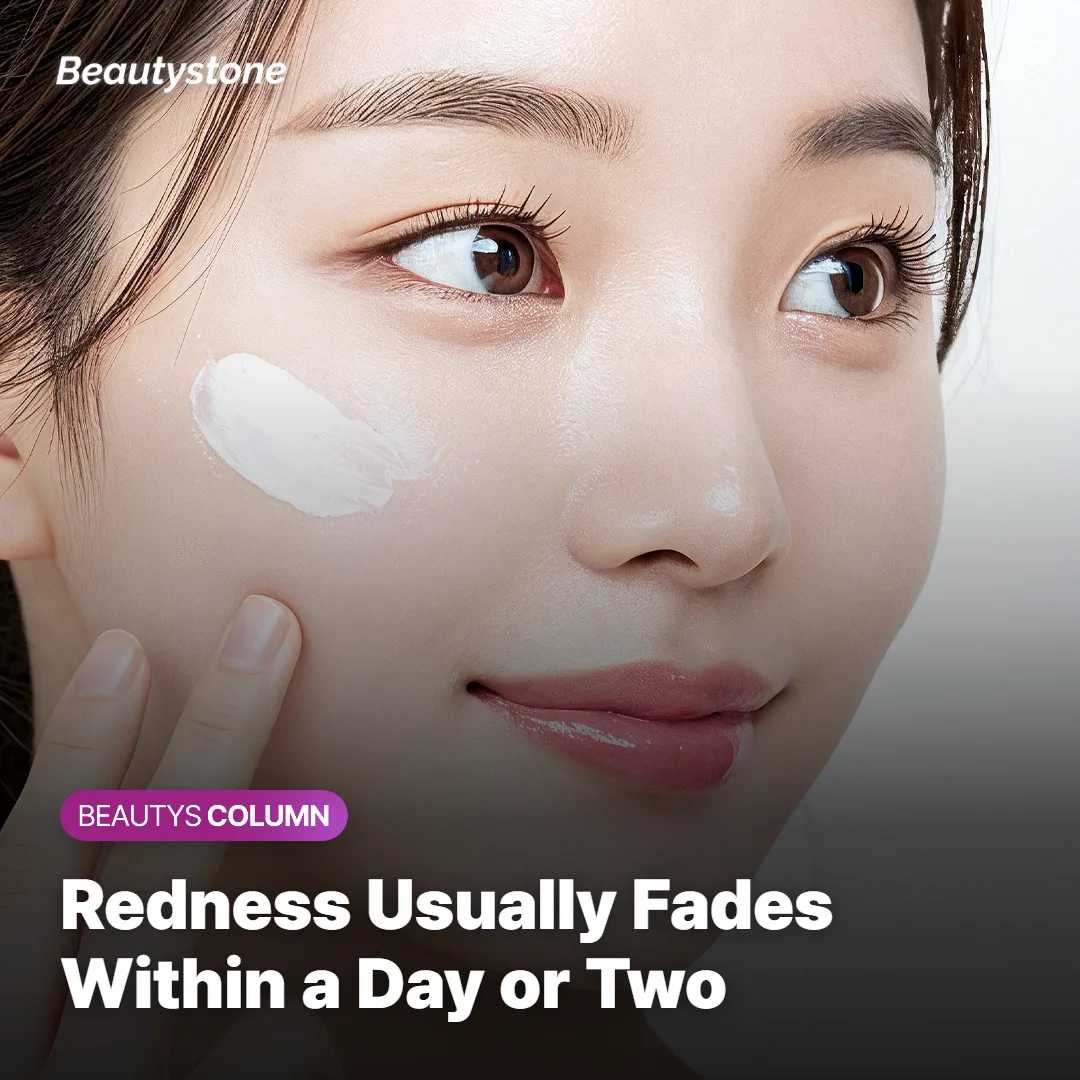
A typical Potenza session starts with cleansing and a topical numbing cream, then your provider adjusts the needle depth and RF intensity based on the area being treated. During the treatment, you'll likely feel warmth and mild pinpoint pressure. Afterward, some redness or faint pinpoint marks are common — most people see them settle within a day or two.
- Day of treatment: cleanse gently with lukewarm water and skip actives like retinol or exfoliating acids for about a day.
- 2–3 days in: tiny scabs or flaking can show up — let them shed on their own instead of picking at them.
- One week out: sunscreen becomes non-negotiable — skipping it is one of the fastest ways to see pigment creep back.
There's no extended downtime built into the recovery, but because this is a pigment-focused treatment, sun protection matters more here than it would after most other procedures.
Side Effects and Risks
Redness, warmth, and light pinpoint marks after Potenza are common and usually settle within a day or two. Some people notice mild dryness or flaking for a few days afterward as the skin resets.
If redness, marks, or swelling last noticeably longer than expected, or if your pigmentation looks like it's getting darker rather than fading, check in with your provider right away. Everyone's skin responds a little differently, and a treatment plan that ignores that isn't doing its job.
How Much Does Potenza Cost?
Pricing for Potenza varies by clinic, treatment area, and how many sessions your plan calls for — melasma protocols in particular tend to be built around a series rather than a single visit, so total cost depends on that plan more than any single-session price tag. A consultation is really the only reliable way to get a number that applies to your skin. You can see current offers at /en/promotion.
The Bottom Line
Potenza and toning lasers both aim at pigment, but they get there differently. Potenza leans on RF microneedling to calm the skin environment and even out tone gradually, while a toning laser goes after pigment particles more directly. For melasma specifically — pigment that's prone to rebound and irritation — Potenza's gentler approach is one reason it gets recommended so often, though it's not automatically the right call for every spot.
- Potenza works through the dermis with RF heat, not by targeting pigment particles directly.
- It tends to be gentler on the surface, which matters for reactive pigment like melasma.
- Results build over multiple sessions — judge the outcome by the full course, not one visit.
- Sunscreen and hormone or UV management matter just as much as the treatment itself.
Like any procedure, it comes with trade-offs, and individual results vary depending on your skin and pigment type. Ultimately, the choice depends on your skin, your goals, and your budget. If you're considering Potenza for melasma or pigmentation, a consultation is the best way to find out what fits you. Beautystone is a dermatology clinic in Seoul's Hapjeong area — see current offers at /en/promotion.
Frequently Asked Questions
Q1. How is Potenza different from a toning laser for melasma?
Potenza is an RF microneedling device that delivers radiofrequency energy just beneath the skin's surface rather than firing light directly at pigment. Instead of trying to shatter pigment particles the way a toning laser does, it works more indirectly by calming the skin environment, which tends to be a gentler process for melasma specifically.
Q2. Who's a good candidate for Potenza versus a toning laser?
Because melasma is shaped by a mix of UV exposure, hormones, and inflammation, treating it too aggressively with certain lasers can make it worse, which is why Potenza's gentler mechanism tends to suit melasma-prone skin. A provider can assess your specific pigment pattern and skin type to recommend the better fit.
Q3. What does recovery look like after Potenza?
As with most microneedling-based treatments, some redness or sensitivity in the days after is common, though the overall process tends to be gentler on the surface than a toning laser. Recovery and results can vary session to session and person to person.
Q4. How much does Potenza cost?
Cost depends on the clinic, the area treated, and how many sessions are needed, so it varies quite a bit. It's best to get a personalized quote during a consultation.