Melasma Laser Treatment Cost: 5 Things to Add
A single melasma laser session price rarely matches what you'll spend by the end. Here's how many sessions studies used, how many months of pills and cream to plan for, which reactions to report and why upkeep belongs in the total.

The total cost of melasma treatment is the laser sessions plus the medication you use between them and the sunscreen you keep using after it fades. A per-session price leaves out how many sessions you'll need, which ranged from 2 to 12 in comparison studies, and how many weeks of pills or cream come with them. Melasma can also darken again with summer sun, so upkeep belongs in the total, too.
It's tempting to compare clinics by the cheapest single session. That number rarely tells you what you'll have spent a year later. In this article, we'll cover what a session price leaves out, how many sessions and months of medication to plan for, which reactions to report right away, why melasma comes back and how treatment fits a trip.
Quick summary
- Plan melasma costs as a total: laser sessions, months of pills and cream, and upkeep after it fades.
- Laser sessions: studies used 2 to 12 sessions spaced 1 to 4 weeks apart.
- Medication: pills were studied over 3 months, and a prescription cream over 12 weeks of daily use.
- Visible results usually take 3 to 12 months, and sun protection continues after that.
What Does a Per-Session Melasma Laser Price Leave Out?
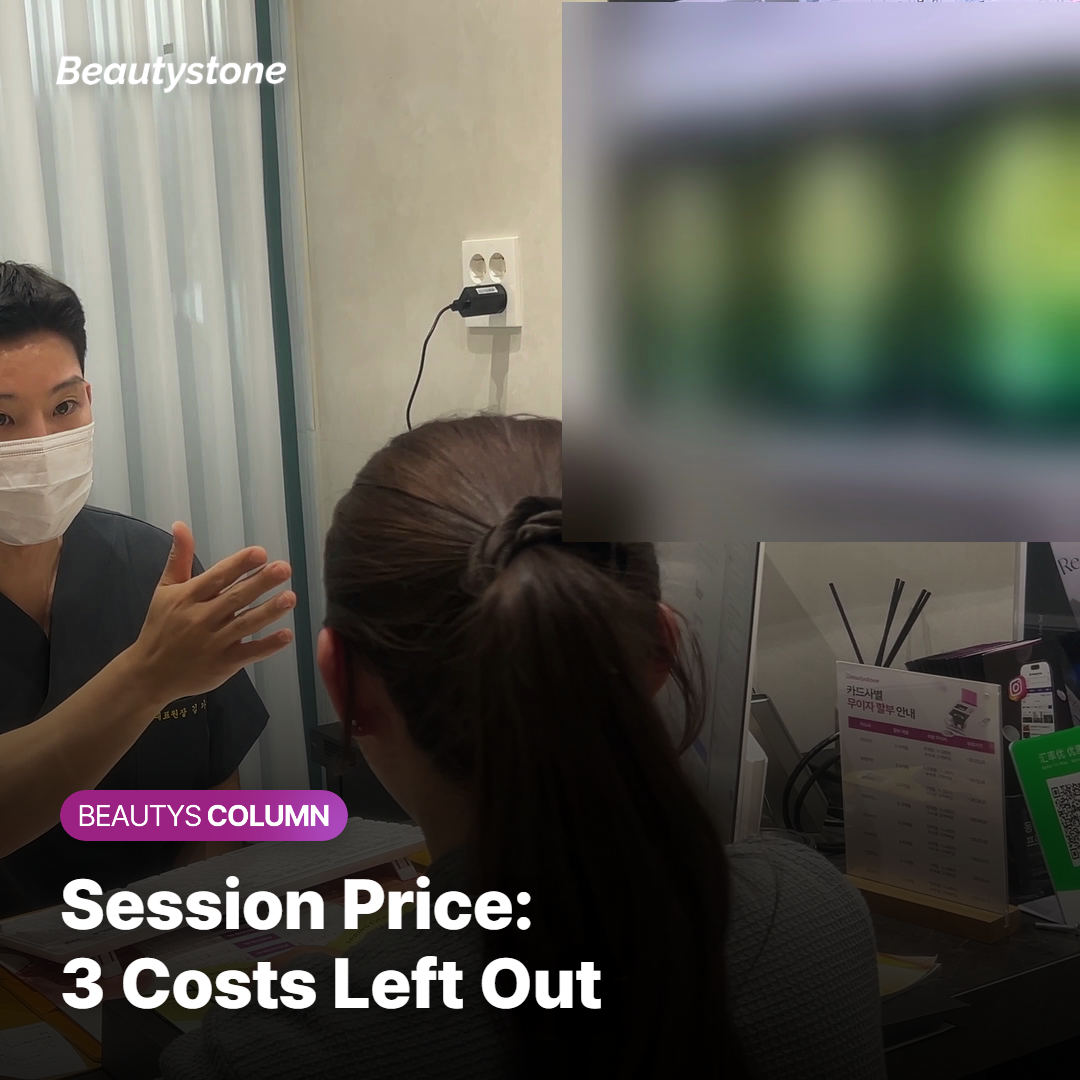
It usually leaves out three things: pills, prescription cream and the sun protection you'll need once the melasma fades. When you get a quote, check that each of the five lines below is actually on it.
| Cost item | Timeframe seen in studies and guidance | What to check on the quote |
|---|---|---|
| Laser | 2 to 12 sessions, 1 to 4 weeks apart | How many sessions the package covers and what happens after the last one |
| Tranexamic acid pills | Twice a day, 3 months in one study | How many weeks of pills are included |
| Triple combination cream | 12 weeks daily, then twice a week | Whether maintenance cream is billed separately |
| Sunscreen | Year-round, SPF 30 or higher | Whether it contains iron oxide |
| Restarting after a relapse | Melasma can darken again with summer sun | How a restart would be priced |
Tranexamic acid is a medicine for melasma that's taken as a pill or applied to the skin. A triple combination cream mixes three ingredients in one tube: hydroquinone, tretinoin and a mild steroid.
A low session price can still turn into the higher total if the package needs more sessions or the medication is charged on top. That's why it helps to add up all five lines for each quote before you compare them.
How Many Laser Sessions Does Melasma Usually Need?
That depends on how deep the pigment sits and how long you've had it. Melasma pigment can build up in the top layer of skin (the epidermis) or settle into the layer below it (the dermis), and melasma that's been there for years tends to respond more slowly*.
*Based on DermNet guidance.
At the first visit, I start by asking when your melasma appeared and looking at which layer the pigment seems to be in. That shapes how many sessions are realistic before any package is booked.
Across 16 comparison studies with 471 people, laser courses ran from 2 to 12 sessions, spaced 1 to 4 weeks apart. Those studies followed people for only 2 to 6 months, so they don't show how often melasma returned later. How much fades also differs from person to person. When you settle on a package, agree on how the months after the final session will be checked, too.
How Many Months of Melasma Medication Should You Budget For?
Plan on about 3 months of pills and at least 12 weeks of cream as your starting units. Tranexamic acid is usually prescribed as a pill taken twice a day, alongside a triple combination cream and sun protection*.
*Based on American Academy of Dermatology (AAD) guidance.
In a study of 44 people with moderate to severe melasma, those who took tranexamic acid twice a day for 3 months saw their melasma score drop by 49%, compared with 18% for those on a placebo (a dummy pill). Three months after stopping, the drop had shrunk to 26%, versus 19% on placebo. It was a single-clinic study of mostly Hispanic women, so your results may not match theirs.
The cream has its own timeline. In one trial of 70 people, the cream was applied every day for 12 weeks, then cut back to twice a week once skin was nearly clear. Of the 27 people who cut back, 21 saw their melasma darken again and went back to daily use. Because that trial ran for 24 weeks, it's safer to budget for more than 12 weeks of cream.
Results usually take 3 to 12 months to show, and older melasma can take even longer. Keep in mind that everyone's skin responds at its own pace.
Melasma Laser Side Effects: When Should You Call Right Away?
If your melasma turns blotchy and white or gets darker after laser, tell the clinic before your next session. In records of 360 Asian patients who had 10 weekly laser toning sessions (repeated low-energy laser passes), these changes showed up in 14.1% with one method and 1.1% with another. Patients weren't randomly assigned to the two methods, but the changes weren't rare, so comparing photos between sessions is worth the effort.
Contact the clinic that treated you before your next session if you notice any of these:
- Blotchy white patches on or around the melasma
- Melasma that looks darker after a session
- Red, flushed skin that settles into brown marks
Laser used too aggressively can make melasma darker, and melasma that returns can become harder to treat*. That's why I check whether a cream should calm the pigment first before more sessions are added.
*Based on DermNet guidance.

Why Does Melasma Come Back After Treatment?
Melasma can come back even after a good result, often once summer sun reaches the skin again. Sun protection is non-negotiable, which makes sunscreen a cost that continues long after the pigment fades.
For melasma, look for a sunscreen of SPF 30 or higher with zinc oxide, titanium dioxide or iron oxide. If a white cast bothers you, a tinted sunscreen works, too.
Hormones play a part as well. Birth control pills and other hormone medicines are among the known triggers, and that affects how you plan the year ahead. Before you start, ask whether a relapse would restart with medication or with a new round of laser. That answer shows you what next year might cost, not just this one.

Fitting Melasma Treatment Within Your Travel Schedule
Unless you've had sedation that day, there's no need to postpone your flight home after a melasma laser session.
It also helps to know what one visit means. Some treatments, such as fillers, change your shape the same day. Most others work gradually, bringing your skin closer to how it used to look rather than changing it all at once. Melasma care belongs to the gradual group, and a single visit doesn't replace the sessions and months of medication it usually takes.
Once you're home, you can contact us with photos if you have questions about how your skin is settling. If something changes sharply, such as white patches spreading or skin turning painful and swollen, see a local doctor first rather than waiting for a reply.
The Bottom Line: Compare Totals, Not Session Prices
Before you compare quotes, ask how many sessions are planned and how far apart they'll be, because that one answer changes the total more than the session price does. Then check how many weeks of pills and cream are included and whether there's a plan for after the melasma fades. Ultimately, the right mix depends on how long you've had melasma and how your skin responds.
Beautystone is a clinic in Seoul's Hapjeong area, and you can reach us through the consultation button on this page. In your first message, include how many years you've had melasma and the names of any pills or creams you're using now.
Sources
- A 3-month comparison of tranexamic acid pills and a placebo in 44 people with melasma (J Am Acad Dermatol, 2018)
- A trial of 12 weeks of daily triple combination cream followed by twice-weekly use (J Am Acad Dermatol, 2010)
- Laser toning records and side effects in 360 Asian patients with melasma (J Cosmet Laser Ther, 2015)
- An analysis of 16 studies comparing laser treatments for melasma (J Cosmet Dermatol, 2025)
- Melasma medication, sun protection and how long results take: American Academy of Dermatology (AAD)
- Causes, treatment and relapse of melasma: DermNet
Frequently Asked Questions
Q. Can I get melasma laser without taking any medication?
A. Melasma laser has been shown in some studies to improve results when it's added for people who are already using medication and sun protection. Melasma usually needs several approaches at once, so if a quote lists only laser sessions, check whether medication and sunscreen have been left out.
Q. Who shouldn't take tranexamic acid for melasma?
A. Before you're prescribed tranexamic acid for melasma, tell the doctor if you've ever had a blood clot. Your current health and any medicines you take are checked before it's prescribed, so bring the names of your medicines to the first consultation.
Q. What side effects does triple combination cream cause?
A. In a 24-week trial of triple combination cream, 53% of people had side effects, and most of them were mild. If your skin becomes very irritated or the redness keeps spreading, stop applying it and contact your provider.
Q. Do I still need sunscreen in winter once my melasma has faded?
A. Yes, sun protection for melasma is meant to continue year-round, even after it has faded. Melasma can return with summer sun after a good result, which is why guidance suggests an SPF 50 or higher sunscreen with iron oxide along with a wide-brimmed hat.
Q. Is melasma around the eyes treated the same way as melasma on the cheeks?
A. Melasma around the eyes reacted to laser more often than other areas in one set of records. Among 360 Asian patients who had laser toning, 23.9% of those with melasma around the eyes developed white patches or darker pigment with one method, compared with 2.9% with another. That's why the settings and number of sessions around the eyes are planned separately.
Q. Should I start treating melasma that appeared during pregnancy right away?
A. Melasma that appears during pregnancy can fade after delivery, and the same can happen when a medicine that triggered it is stopped. It can also last for years or even a lifetime, so one option is to wait a few months after giving birth and plan treatment around what remains.
Q. Does taking birth control pills affect melasma treatment?
A. Birth control pills and other hormone medicines are linked to melasma in about a quarter of women who have it. Guidance suggests stopping hormonal contraception if possible, so talk with the doctor who prescribed it before making any change.