Ultherapy Cost for 600 Shots: What to Check
A 600-shot Ultherapy quote says little until it lists the shots per depth and the tip opened for you. Here's how to compare quotes, check the tip and shot record, and read the first months after treatment.

Before you compare Ultherapy cost for 600 shots, check that each quote lists the shots per depth and the tip used that day. Face-and-neck sessions in research have used 800 to 1,200 lines at once, so the number 600 doesn't say much by itself. The same 600 shots can do different work depending on how they're split between the 4.5 mm and 3.0 mm tips.
Many people line up quotes by the total alone and then wonder whether a lower one means fewer shots or a used tip. In this article, we'll cover what a quote should spell out, whether 600 shots is enough for a face, how to confirm the tip and the shots you're paying for, which reactions are normal, when you'll know if the count was right and how a session fits a trip to Seoul.
Quick summary
- An Ultherapy 600-shot quote is only comparable when it lists the shots per depth and the tip used.
- Shot count in research: face-and-neck sessions have used 800 to 1,200 lines in a single visit.
- When results show: changes appear over 3 to 6 months, so it's hard to judge the count before then.
- Redness usually fades within about an hour, while tenderness to the touch can last up to a month.
What Should an Ultherapy 600-Shot Quote Spell Out?
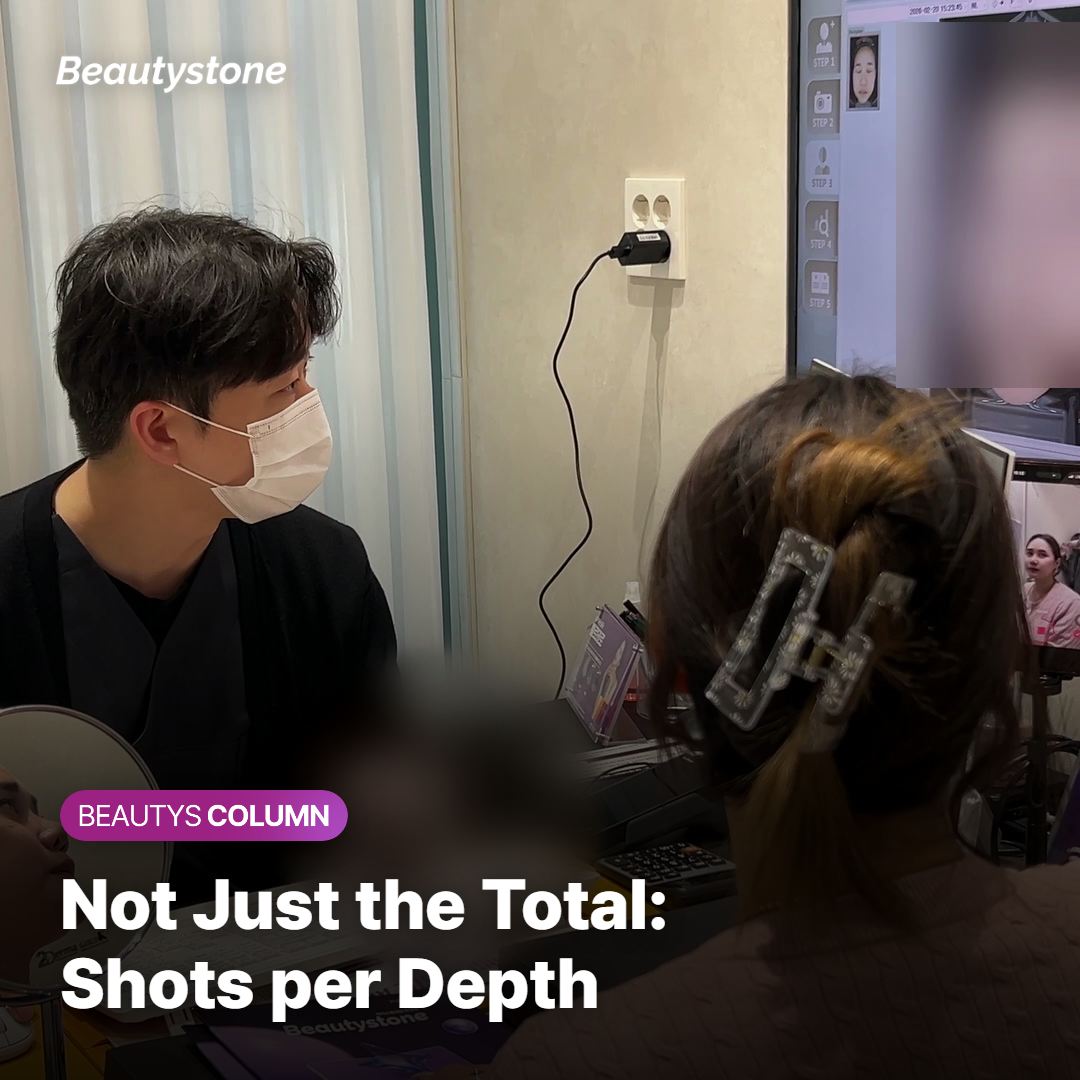
It should say how many shots go to each depth. Ultherapy works with interchangeable tips (transducers) that reach different depths, so the share given to the 4.5 mm tip versus the 3.0 mm tip can change from one 600-shot quote to the next. Line up these four items before you look at the bottom line of the quote.
*Transducer: the handpiece tip that sends ultrasound energy to one set depth under the skin.
| Quote item | What it should say | What to check when comparing |
|---|---|---|
| Shots per depth | How many at 4.5 mm, 3.0 mm and 1.5 mm | A total of 600 alone hides how much reaches the deep layer |
| Treated areas | Which of the cheeks, jawline, under the chin and forehead are covered | Spreading the shots wider leaves fewer for each area |
| Tip | Whether a new tip is opened for your session | Ask if you can see it before treatment starts |
| Record | Whether you get the number of shots used once it's done | Lets you compare on the same terms next time |
Two quotes that match on all four rows are the ones whose totals you can set side by side. If a row is blank, find out whether the gap in cost comes from how the shots are split before you decide.
Is 600 Shots of Ultherapy Enough for Your Face?
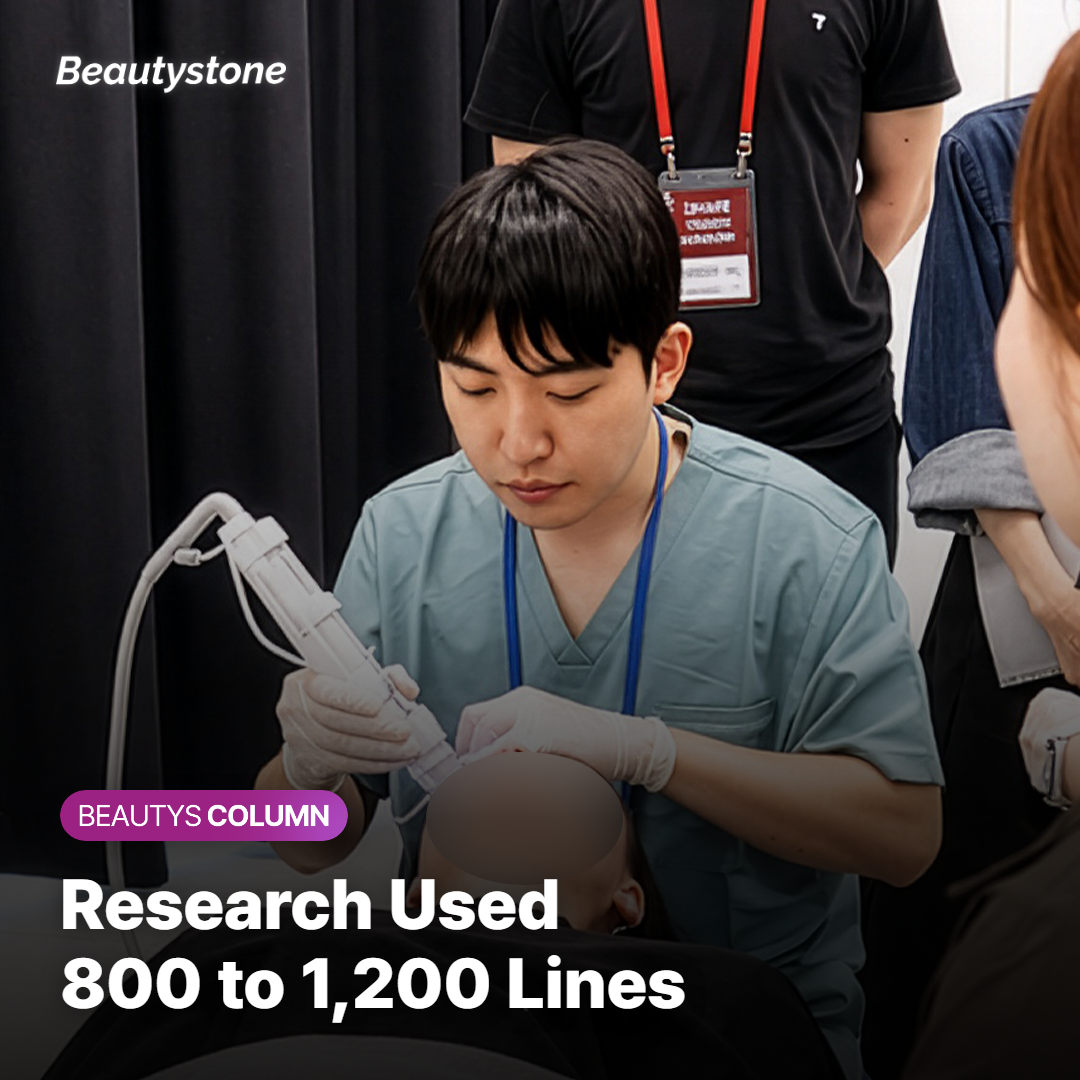
For the face alone, 600 shots sits below what's typically used when the face and neck are treated together. In two studies of face-and-neck tightening, 25 Asian adults received 800 lines in total with the 4.5 mm and 3.0 mm tips, and 50 people received 1,200 lines in one session, 400 with each tip.
Both numbers include the neck, so they don't line up one to one with a 600-shot session on the face only. That said, they show why the total depends on how much area you want covered. A bigger number isn't automatically a better plan, and individual results vary.
When I plan a session, I look at your face from the side with your head tilted slightly down before anything else. I check how far the cheeks and the area under the chin have dropped, then decide which layer should get more of the shots. Keep in mind that the right split for a friend's face may not be the right one for yours.
How Can You Tell the Tip Is New and Every Shot Was Used?
Ask to see the tip before treatment, and ask for a written count of the shots used at each depth afterward. The two things you can check yourself are the depth printed on the tip and the record of shots used that day. Asking about both while you're still comparing quotes saves an awkward conversation on treatment day.
During treatment, the device screen shows the layers under your skin as an ultrasound image. That view lets the provider confirm the tip is in full contact with the skin and see the target layer before delivering energy. The deepest 4.5 mm tip aims for the SMAS.
*SMAS: the thin layer that covers the facial muscles beneath the skin and fat.
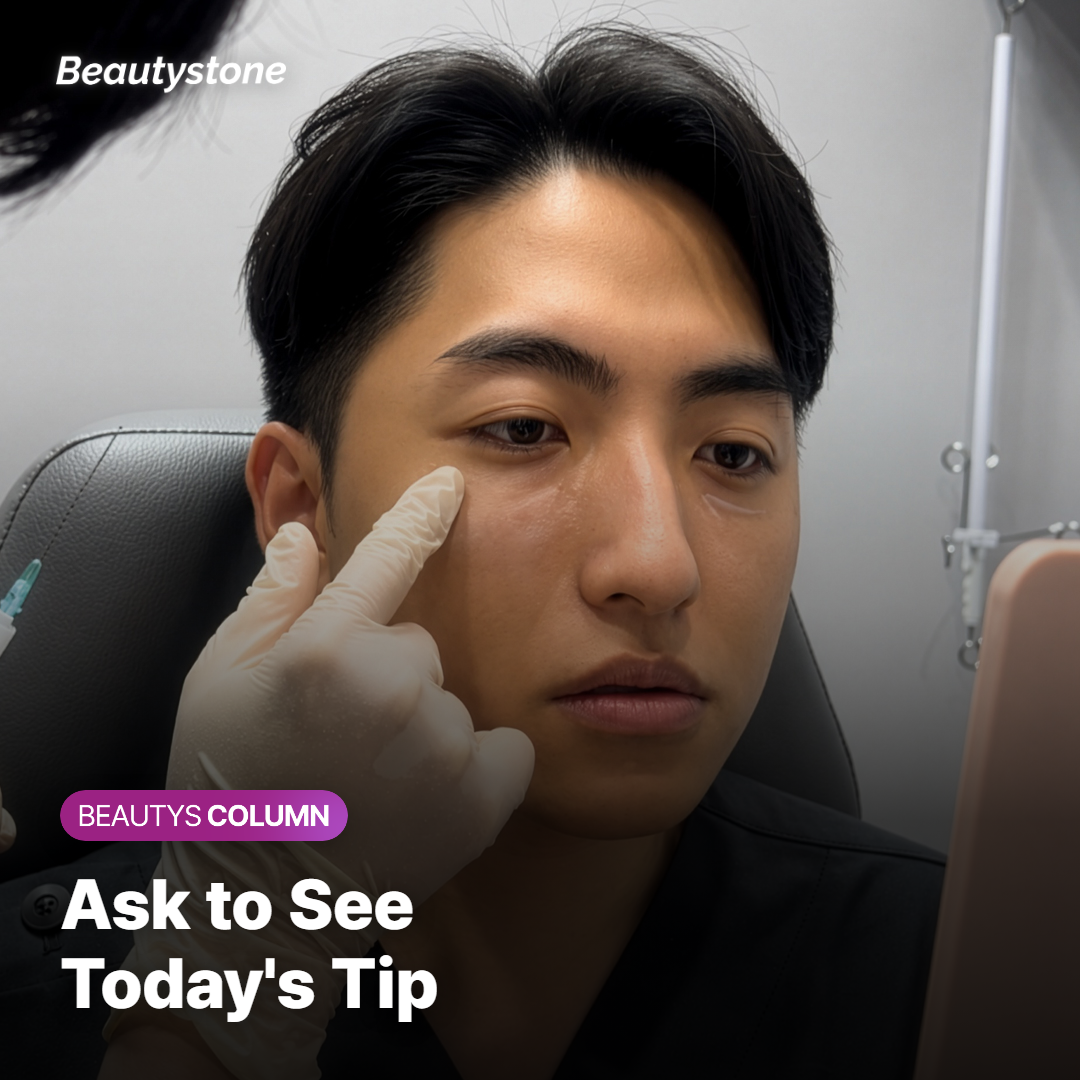
Without that contact check, burns, raised welts, stripe-like marks, numbness from heat near a nerve and bruising can happen, according to an expert consensus. So two sessions with the same shot count aren't necessarily the same treatment. Where and how those shots are placed is part of what you're paying for.
Ultherapy Side Effects: What Fades and When to Call
Redness usually settles within about an hour. Some people get mild swelling or bruising, and the skin can feel tender to the touch for up to a month. In a review that pooled 42 studies, redness, swelling, bruising and tenderness were the common reactions, and most were mild to moderate.
The signs below are different. Don't wait them out. Contact the clinic that treated you right away if you notice:
- Blisters, or raised stripe-shaped marks where you were treated
- Numbness on one side of your cheek or mouth, or movement there that feels off
- Burning or pain that gets worse each day instead of easing
If you're pregnant or have inflammation in the area to be treated, tell your provider before the session so the plan can be adjusted or postponed.

When Will You Know If 600 Shots Was the Right Amount?
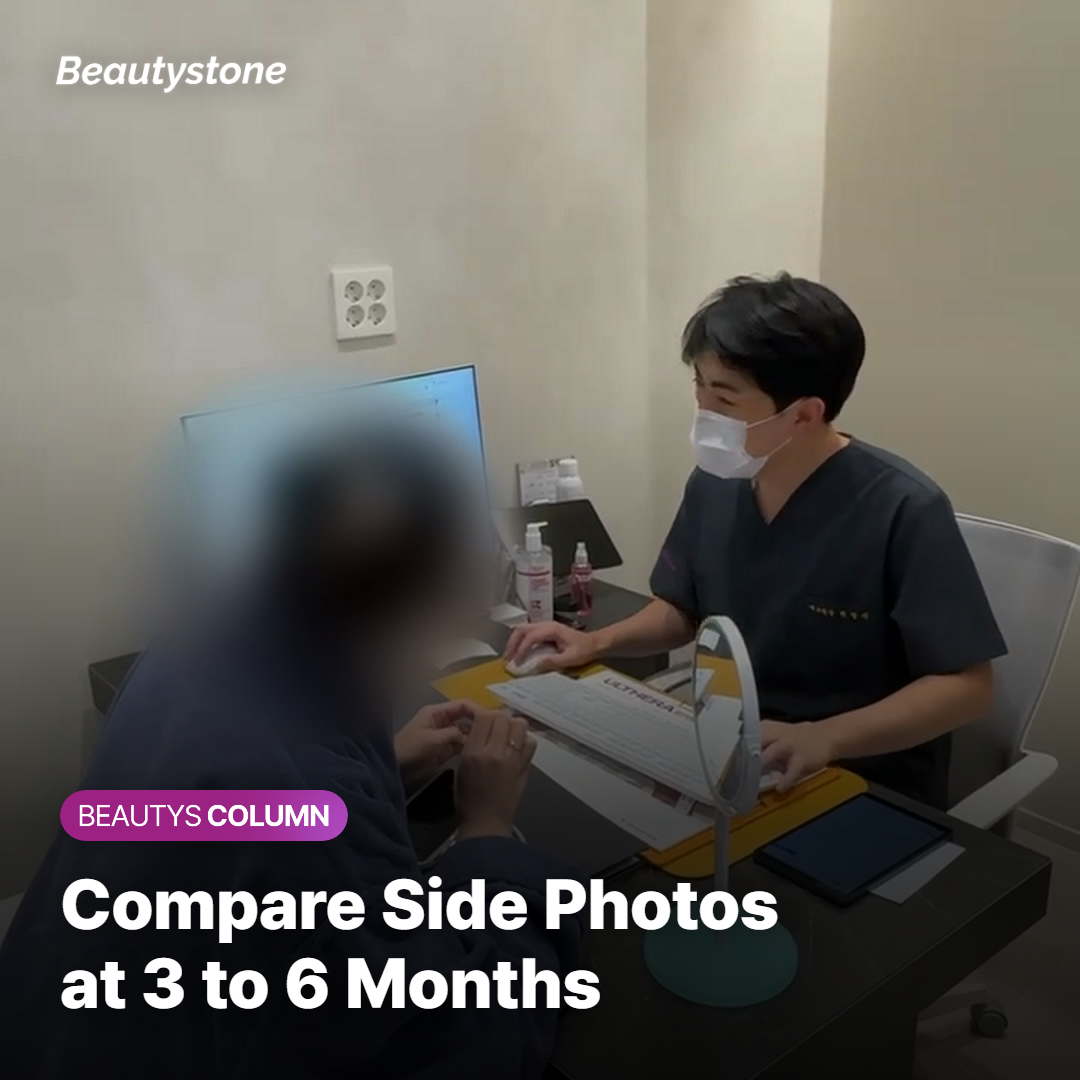
Usually not for a few months. Changes after Ultherapy tend to show up gradually over 3 to 6 months as new collagen forms, even if your skin feels a little tighter on the day. That's why a week or two is too early to decide the shots fell short.
Take side-view photos under the same light before treatment and again a few months later. Comparing those two is how the count for any next session gets decided. How much you see depends on your skin, and the photos make that easier to judge than the mirror on any single day.
Fitting Ultherapy Within Your Travel Itinerary
Unless you've had sedation that day, there's no need to postpone your flight home after Ultherapy. For sightseeing photos, with around 300 shots or fewer the swelling usually barely shows in pictures.
It also helps to know what one visit means. Some treatments, such as fillers, change your shape the same day. Most others, Ultherapy included, tend to bring you gradually closer to how you used to look rather than changing your face all at once.
Since results build over months, the side-view photos for comparison will likely be ones you take at home. Once you're back, you can contact us through the consultation button on this page and send those photos if you have questions about how your skin is settling. If you notice a major warning sign, such as blisters or numbness that spreads, see a local doctor first rather than waiting for a reply.
The Bottom Line: Two Questions for Your Next Quote
Ask "How many shots go to the 4.5 mm tip and how many to the 3.0 mm tip?" and "Can I see the tip you'll open today?" before anything else. Quotes that answer both are the ones you can fairly compare on cost. Ultimately, the right count depends on how much area you want covered and how far it has dropped.
Beautystone is a clinic in Seoul's Hapjeong area, and you can reach us through the consultation button on this page. When you reach out, include a side-view photo of the area that's sagging now, plus the name and date of your last lifting treatment.
Sources
- Ultherapy's ultrasound view, when results appear and normal reactions afterward (Cleveland Clinic)
- A study of 25 Asian adults given 800 lines on the face and neck (Dermatol Surg, 2017)
- A study of 50 people given 1,200 lines in a single session (Aesthet Surg J, 2020)
- Expert consensus on complications the ultrasound view helps avoid (J Cosmet Dermatol, 2021)
- A review of 42 studies on microfocused ultrasound results and side effects (Aesthet Surg J, 2024)
Frequently Asked Questions
Q. What's the difference between Ultherapy 300 shots and 600 shots?
A. Ultherapy 600 shots places twice as many heat points as 300 shots on the same face. Which count fits you depends on how wide the sagging area is. Either way, the quote should list the shots per depth and the areas covered so you can compare it.
Q. How long does an Ultherapy session take?
A. An Ultherapy session takes about 30 to 90 minutes for one area, and up to 2 to 3 hours when several areas are treated. More shots and more areas mean a longer session, so leave room in your schedule for the consultation and photos on the same day.
Q. Can I wear makeup and go back to work the day of Ultherapy?
A. You can usually put on makeup and get back to your day right after Ultherapy, since there's little to no downtime. Some people do get mild swelling or bruising, so keep that in mind if you have an important event right after.
Q. How soon can I get Ultherapy again?
A. You can start thinking about another Ultherapy session about 3 months after the first. In a study of 25 adults who received 800 lines on the face and neck, the lift under the chin was clearest at 90 days, and the authors suggested another treatment could be considered after 3 months. In practice, the decision comes from comparing photos at that point.
Q. Why do Ultherapy shot counts differ from clinic to clinic?
A. Ultherapy shot counts vary with how much sagging there is and how many areas are covered, so one number can't be right or wrong on its own. Compare quotes that cover the same areas split across the same depths. When the areas differ, a different shot count is expected.
Q. Have long-term nerve problems been reported after Ultherapy?
A. Long-term nerve or muscle problems weren't reported in a review that pooled 42 studies of microfocused ultrasound such as Ultherapy. Short-term numbness can still happen when heat reaches close to a nerve, so contact the clinic right away if one side of your face feels numb.
Q. Does Ultherapy work for severe sagging?
A. Ultherapy isn't recommended for very severe sagging. It's generally aimed at mild to moderate skin laxity, so with heavy sagging it's worth comparing other options at the consultation before settling on a shot count.