

Do You Need Numbing Cream Before a Procedure?
Numbing cream can make a laser or injectable appointment far more comfortable — but only if you use the right formula, apply it early enough, and give it time to actually work. Here's what matters.


Planning a trip to Seoul?
If your provider mentioned applying a numbing cream before your appointment, you're probably wondering whether it's a genuine step or just an extra one you could skip. For anyone who's nervous about needles or heat-based devices, it's a fair question.
The short answer? For most surface-level procedures, yes — a numbing cream can take the edge off in a real, measurable way. But it isn't a universal fix, and how well it works depends heavily on the formula, the timing, and what exactly is being done to your skin.
In this article, we'll cover how numbing cream actually blocks pain signals, which procedures it helps most, how long you need to leave it on, and the precautions worth knowing before you reach for the tube.
Does Numbing Cream Actually Help With Procedure Pain?
Most of what we feel as pain during a laser session or an injection starts with nerve endings near the skin's surface picking up on heat, pressure, or a needle and firing off a signal. A topical numbing cream interrupts that signal before it gets very far. It doesn't remove the sensation entirely, but it dulls it enough that many people describe the experience as pressure or warmth rather than a sharp sting.
That's also the honest limit of what it can do. Numbing cream works on surface-level and shallow-layer discomfort. Procedures that reach deeper tissue, or that use their own separate anesthesia, may only get partial relief from a cream — which is one reason your provider will sometimes skip it or pair it with something else.
How Does Numbing Cream Work?
A clinical review of topical anesthetics used in cosmetic procedures found that lidocaine-based creams are a mainstay for reducing discomfort during laser treatments and injections, largely because they're effective at the exact depth most of these procedures work in. Lidocaine — the active ingredient in most numbing creams — temporarily blocks the sodium channels nerve cells use to send pain signals, which slows the signal down before it reaches the brain.
The catch is absorption. A cream applied to the surface has to work its way down through the outer layers of skin before it reaches the nerve endings it's meant to dull, and that takes time. Apply it right before your appointment and you'll likely feel it hasn't kicked in yet — which is exactly why providers ask you to apply it in advance rather than in the waiting room.
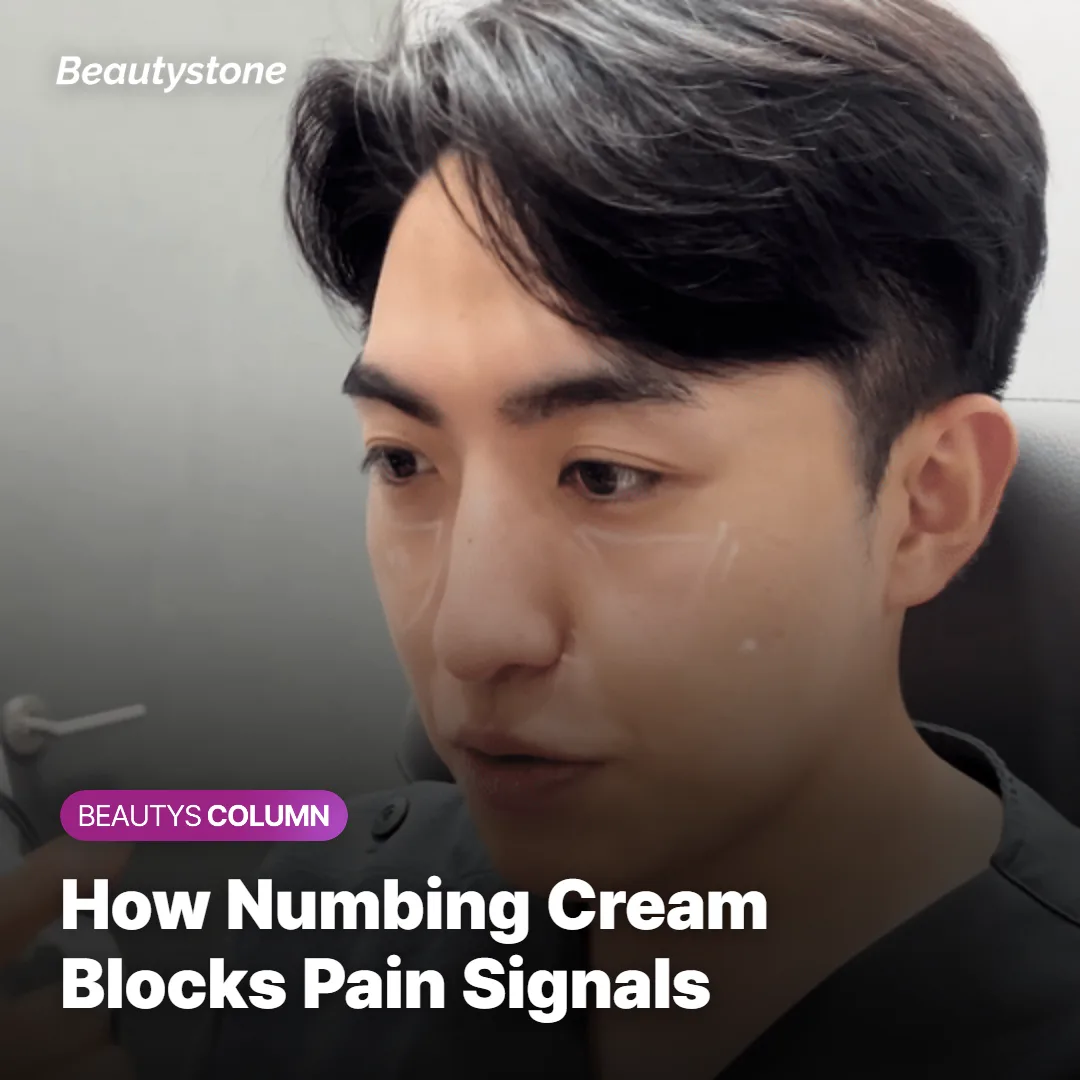
Which Procedures Benefit Most From Numbing Cream
Numbing cream tends to help most with treatments that work on or near the skin's surface. Deeper procedures, or ones that use their own dedicated anesthesia, see less benefit from a cream alone.
| Procedure Type | How Much It Helps | Notes |
|---|---|---|
| Surface lasers | Significant | Apply well in advance |
| Microneedling and fine injectables | Significant | Eases needle discomfort |
| Deep-layer lifting devices | Partial | Often paired with other methods |
| Mole or tattoo removal | Varies | Depends on depth and site |
The pattern here is straightforward: the closer to the surface a procedure works, the more a topical cream can do. If you're not sure where your treatment falls, it's worth asking directly rather than assuming.
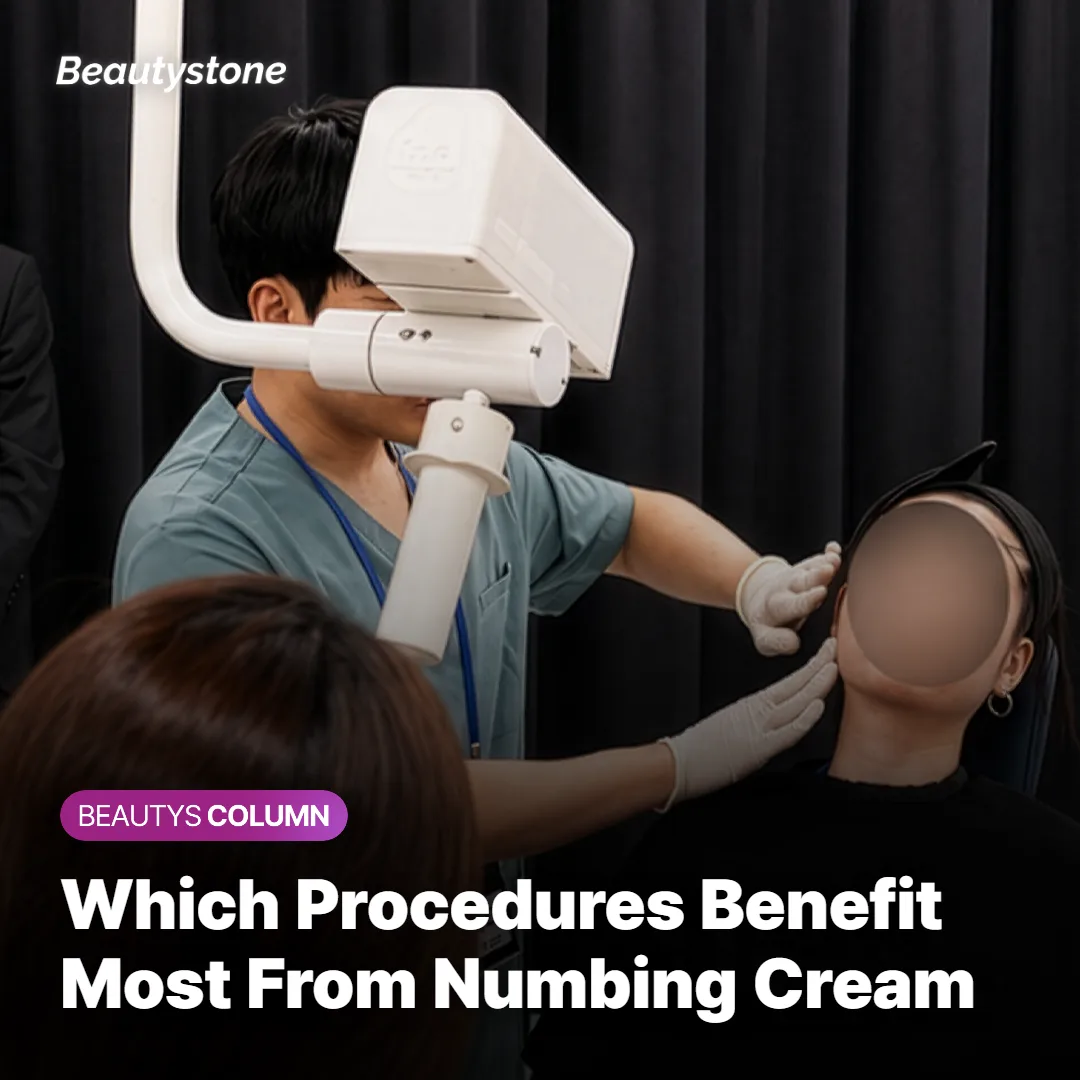
When to Apply It — and How Long to Wait
Numbing cream needs lead time to actually work, and how much depends on the formula. The same clinical review found that combination lidocaine-prilocaine creams typically need around 60 minutes of contact time to reach full effect, while liposomal lidocaine formulas — a newer delivery method — tend to work in closer to 30 minutes.
Apply it too early and it may wear thin by the time you're in the chair. Apply it too late and it simply hasn't absorbed enough to matter yet. If your clinic gave you a specific window, that instruction is more reliable than any general rule of thumb, since it accounts for your exact formula and treatment area.
How to Apply Numbing Cream the Right Way
A few habits make the difference between numbing cream that works well and numbing cream that causes more trouble than it's worth.
- Stick to the recommended time: apply it early enough to hit the full window your provider gave you — rushing it defeats the purpose.
- Keep the layer and area modest: a thick layer over a large surface doesn't work better — it just increases how much gets absorbed.
- Avoid the eyes and mucous membranes: keep numbing cream away from your eyes, lips, and any broken skin.
- Watch for irritation: if you notice stinging, hives, or unusual redness, wipe it off and let your provider know before your appointment starts.
- Skip the DIY substitutions: whatever cream is in your medicine cabinet isn't necessarily the one your provider expects you to use — follow their specific instructions instead of improvising.
Side Effects and Risks to Watch For
Used as directed, topical numbing cream is generally well tolerated. Mild redness, a slight paleness at the application site, or a temporary tingling sensation are common and usually fade shortly after the cream is removed.
Applying too much cream over too large an area is where real risk creeps in. Lidocaine absorbed in large enough amounts can affect more than just the skin — rare but serious reactions include an irregular heartbeat, dizziness, or ringing in the ears, which is why sticking to the amount and area your provider recommends matters more than it might seem. If you notice swelling, spreading redness, difficulty breathing, or a fast or irregular heartbeat after applying numbing cream, stop use and seek medical care right away.
Individual reactions vary — some people are more sensitive to topical anesthetics than others, so mentioning any known allergies or past reactions before your appointment is worth the extra minute.
The Bottom Line
Numbing cream is a genuinely useful tool for making surface-level procedures more comfortable, not just a formality. It works best when you use the formula your provider recommends, apply it within the right window — typically 30 to 60 minutes beforehand — and keep the layer and area within what's been recommended.
It has limits, though. Deeper procedures may need more than a cream can offer, and using too much in the wrong place introduces its own risks. Like most pre-procedure advice, the right approach depends on what you're having done and how your skin tends to react.
If you're not sure whether numbing cream applies to your upcoming procedure, a consultation is the best way to find out. Beautystone is a dermatology clinic in Seoul's Hapjeong area — see current offers at /en/promotion.
Frequently Asked Questions
Q1. Does numbing cream actually help with procedure pain?
For most surface-level procedures, yes — it can take the edge off in a real, measurable way. It doesn't remove sensation entirely, but it dulls it enough that many people describe the feeling as pressure or warmth rather than a sharp sting.
Q2. How does numbing cream work?
Lidocaine, the active ingredient in most numbing creams, temporarily blocks the sodium channels nerve cells use to send pain signals, which slows the signal before it reaches the brain.
Q3. How long before a procedure should I apply numbing cream?
It needs time to work its way down through the outer layers of skin before it reaches the nerve endings it's meant to dull, so timing matters. Follow your provider's specific instructions on when to apply it.
Q4. Does numbing cream work for every procedure?
No — it works best on surface-level and shallow-layer discomfort. Procedures that reach deeper tissue may only get partial relief from a cream, which is one reason providers sometimes skip it or pair it with another method.