
Onda Lifting Results: 1 Month or 3 Months?
Onda lifting can show early change by 1 month, but sagging is best judged at 3 months. Here's what the first days really show, how double chin results were timed, which reactions are normal and what to record.

Wi Young-jin
Chief Director, Myeongdong
Onda lifting results usually start to show around 1 month, but sagging and firmness are better judged from photos at 3 months. In a study of 171 faces, microwave lifting had improved more than focused ultrasound lifting at 1 month, while the ultrasound group pulled ahead by 3 months. Under the chin, small studies measured results 12 weeks after the final session.
That's why the mirror the morning after isn't a good judge. What you see then is mostly heat-related swelling. In this article, we'll cover what the first few days really show, what changes at 1 month and at 3 months, how double chin results were timed, which reactions are normal and how Onda fits a trip to Seoul.
Quick summary
- Onda lifting changes usually begin to show around 1 month, and sagging and firmness are judged at 3 months.
- Under the chin: in one small study, laxity scores fell from 3.6 to 2.3 twelve weeks after the last of 2 sessions.
- Redness and mild swelling right after treatment usually settle within a few days, so they aren't part of the result.
- Photos: take them before treatment, at 1 month and at 3 months, in the same light and from the same angle.
Onda Lifting the Next Day: Results or Just Swelling?
Most of what looks different the morning after is swelling and redness from heat, not the lift itself. Onda uses microwave energy to warm the fat layer under your skin and the dermis (the thick middle layer of skin), while the surface is kept cool. So it's normal for your face to feel a little puffy and warm for a short while afterward.
Reactions like redness and mild swelling typically fade within a few days*.
*Based on recommendations from an international advisory board of Onda users (Bioengineering, 2024).
Use the mirror in that first week to track recovery, not results. As the swelling goes down, some people feel their face has “gone back to normal” and worry the treatment didn't work. Fortunately, that feeling alone doesn't tell you much. Changes in the deeper layers build over several weeks, which is why the 1 month and 3 month marks matter far more than day 2.

What Changes 1 Month After Onda Lifting?
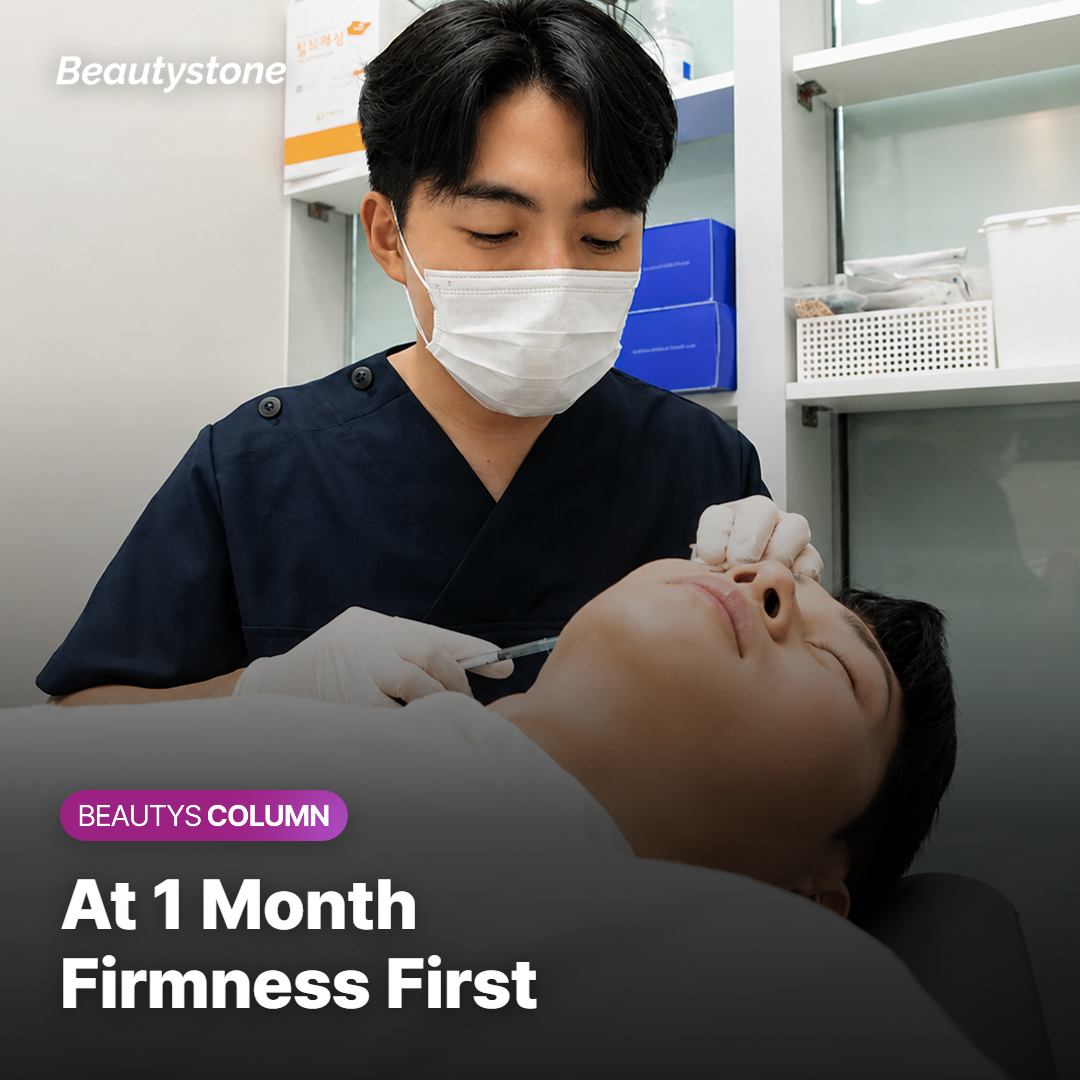
At 1 month, skin firmness and your overall look tend to change first. In records from one Korean clinic, 89 people had facial microwave lifting and 82 had high-intensity focused ultrasound (HIFU) lifting. At the 1 month check, the microwave group showed bigger gains in skin elasticity measurements and in both doctor-rated and patient-rated scores.
The microwave device in that study used a 7 mm tip for the fat layer and a 3 mm tip for the dermis, the same two-depth setup Onda uses. Pain was lower, too: 2.3 out of 10, compared with 4.7 for the ultrasound group.
Keep in mind that these were past patient charts compared after the fact, so the two groups weren't randomly assigned from the start. Everyone was East Asian and treated at a single clinic. The 1 month numbers show that change can arrive early, but they aren't the final verdict. Individual results vary.
A check-in about 1 month after treatment is a reasonable first review point*.
*Based on recommendations from an international advisory board of Onda users (Bioengineering, 2024).
Should You Judge Onda Results Again at 3 Months?
Yes. A second set of photos at 3 months is where sagging really gets judged. In the same group of 171 people, the HIFU group had moved ahead of the microwave group by month 3 on overall improvement, patient-rated scores and elasticity. Both groups had only mild, temporary reactions.
That pattern suggests microwave lifting tends to show change sooner, while the fuller picture on sagging needs the 3 month mark. When I review someone at this point, I look at the whole face first, including the balance between the left and right sides, before deciding which layer might need more heat.
If your photos 3 months after the last session still show no difference in sagging, it's worth a follow-up visit rather than rushing to add sessions. Whether the sag comes mainly from fat or from thinner, looser skin changes what comes next. If your fat layer is thin and sagging is the main concern, another type of lifting may be worth weighing instead of simply repeating Onda. How much you see depends on your skin.

Onda for a Double Chin: When Do Results Show?
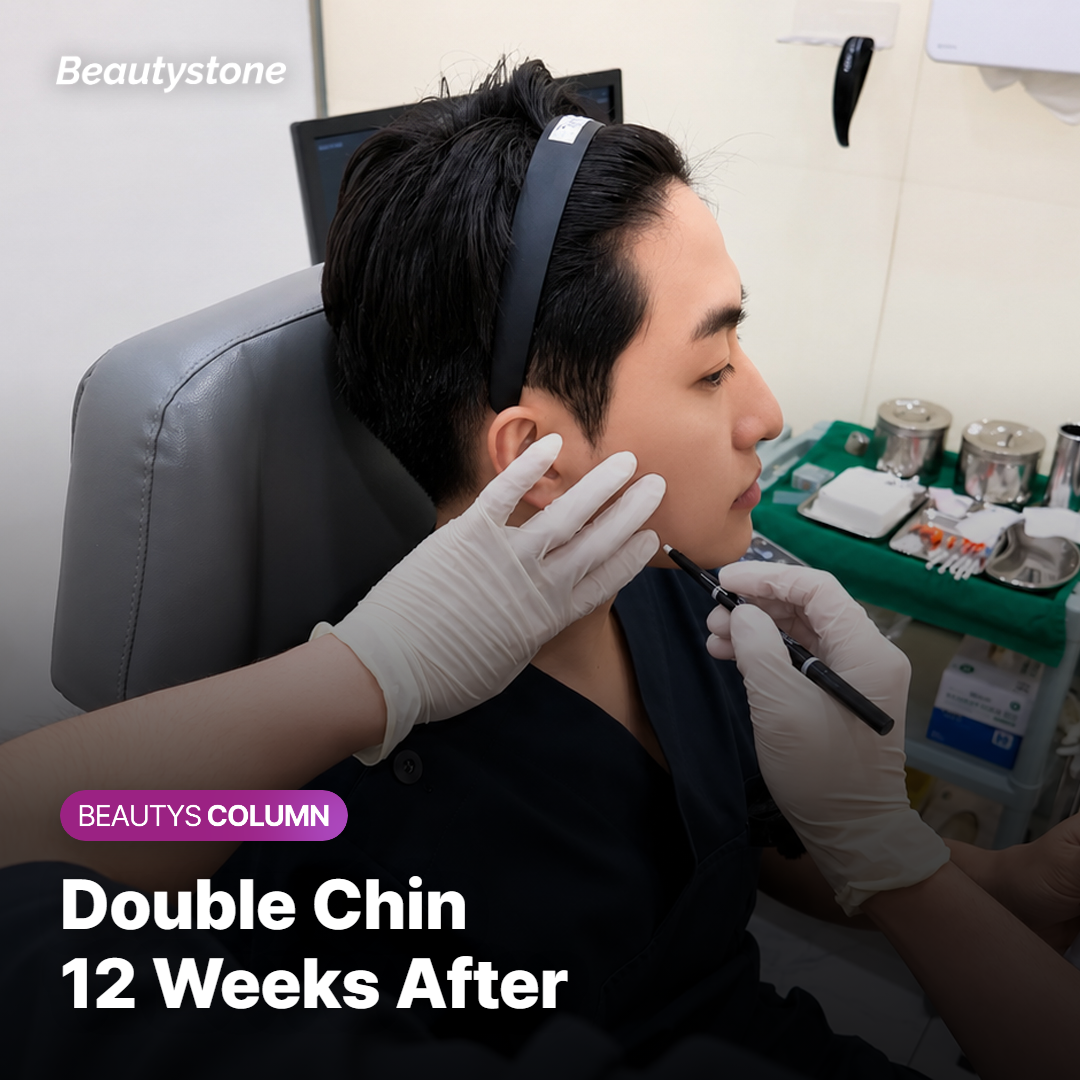
For the area under the chin, studies so far measured results 12 weeks after the final session, not right after it. In one study, 10 women had 2 microwave sessions spaced 30 days apart, each lasting about 10 minutes. Twelve weeks after the second session, their skin laxity score had dropped from 3.6 to 2.3.
In another study, 48 people had 6 sessions spaced 2 weeks apart. Twelve weeks after the last one, the fat score went from 3.4 to 1.7 and the laxity score from 3.7 to 2.4. Neither study reported side effects.
That said, both studies were small and neither had a comparison group, so it's hard to know how much of the change came from the treatment itself. Results differ from person to person. What these numbers do give you is a timeline: for a double chin, the photo that counts is the one taken about 3 months after your final session.
Onda Side Effects: What's Normal and When to Call?
Tingling, warmth, redness, mild swelling and some tenderness to the touch are the usual reactions, and they typically fade within a few days. While redness lasts, skip hot water, and stay out of direct sunlight for 2 days after treatment*.
*Based on recommendations from an international advisory board of Onda users (Bioengineering, 2024).
Some signs aren't part of normal recovery. Don't wait for your next session if you notice any of these; contact your provider right away:
- Blisters on the treated skin
- Deep pain in the treated area
- A firm lump you can feel under the skin
- Redness and heat that keep getting worse after a few days
These are different from the warm, slightly puffy feeling of the first days. If you're unsure which one you have, a photo and a quick note on when it started help your provider tell them apart.

Fitting Onda Lifting Into Your Travel Schedule
Unless you've had sedation that day, there's no need to postpone your flight home after Onda lifting.
It also helps to know what one visit can and can't do. Some treatments, such as fillers, change your shape the same day. Most others work gradually, bringing your face closer to how it used to look rather than changing it all at once. Onda belongs to the gradual group, and the chin studies above measured results after 2 to 6 sessions, so a single visit doesn't stand in for a full course.
Once you're home, you can contact us with your 1 month and 3 month photos if you have questions about how your face is changing. If something changes sharply, such as blisters or pain that keeps getting worse, see a local doctor first rather than waiting for a reply.
The Bottom Line: What to Record Before Your 3 Month Check
Take front and side photos before treatment, at 1 month and at 3 months, in the same lighting and from the same angle. Also note which tip depth was used on which area, 7 mm for the fat layer or 3 mm for the dermis, since that detail makes the next session easier to plan. Big weight changes make photos hard to compare, so jot down your weight on the days you take them.
Before booking more sessions, ask which layer was treated and whether your sagging looks more fat-related or skin-related. If you'd like a second look at your month 3 photos, the consultation button on this page reaches Beautystone, a clinic in Seoul's Hapjeong area. In your first message, include the date of your last session and the area that bothers you most.
Sources
- 171 Korean patients comparing facial microwave and focused ultrasound lifting at 1 and 3 months (Aesthet Surg J, 2026)
- 10 women treated with 2 microwave sessions for loose skin under the chin, 12 weeks later (Lasers Med Sci, 2025)
- 48 people treated with 6 microwave sessions for fat and loose skin under the chin (J Cosmet Dermatol, 2022)
- Aftercare and who should avoid treatment: recommendations from an advisory board of Onda users (Bioengineering, 2024)
Frequently Asked Questions
Q. Is Onda lifting painful?
A. Onda lifting was rated as mildly painful in the 171-person facial study: 2.3 out of 10 for the microwave group, compared with 4.7 for focused ultrasound. Warmth and tingling during and after treatment are common. Numbing cream is one of the available options, and the numbing method is chosen at your visit based on the area and how sensitive you are.
Q. How long does Onda lifting last, and is it permanent?
A. How long Onda lifting lasts hasn't been settled, because long-term follow-up studies are still limited. An advisory board of Onda users also noted that long-term data on results and safety are lacking. So rather than counting on a set number of months, plan your next step based on what's still visible in your 3 month photos.
Q. Does one Onda session work, or do I need several?
A. One Onda session is too early to judge, because the studies that measured results used several sessions. The chin studies used either 2 sessions 30 days apart or 6 sessions 2 weeks apart, then checked 12 weeks later. After a single session, it makes sense to watch your photos through month 3 before deciding on more.
Q. Can I get Onda soon after Botox or fillers?
A. If you've just had Botox or fillers, it's better to wait before Onda. An advisory board of Onda users recommends waiting about 6 months after Botox, and about 3 to more than 12 months after fillers depending on how quickly the filler breaks down. Tell your provider what you had and when.
Q. Who shouldn't get Onda?
A. Onda isn't recommended during pregnancy or while breastfeeding within 10 months of giving birth. It's also advised against if you have a pacemaker or another heart device, are being treated for cancer, or have had cancer within the past 5 years. These points come from recommendations for body treatment, so they're checked for the face at your visit as well.
Q. What aftercare does Onda need in the first few days?
A. Onda aftercare mainly means keeping heat and sun off the treated skin. Avoid hot water while redness lasts, so saunas and hot showers wait until it settles. Stay out of direct sunlight for 2 days, and wear sunscreen whenever you go outside.
Q. I'm losing weight. How can I tell if Onda worked?
A. If you're losing weight, photos alone make Onda results hard to read. Weight loss shrinks fat too, so the two changes blend together. Writing your weight next to your before and 3 month photos makes the comparison much easier.
Q. Why do my Onda results look smaller at 3 months than at 1 month?
A. Onda results that look smaller at 3 months than at 1 month don't necessarily mean the effect is gone. In the facial study, microwave lifting changed faster at 1 month, while focused ultrasound showed more improvement by 3 months. Compare your 3 month photo with your before photo, taken under the same conditions.