Onda vs Shurink: 4 Concerns and the Better Pick
Onda and Shurink both tighten skin with heat, but the way that heat travels and the depth it reaches are quite different. Here's a calm breakdown of microwave versus HIFU, and which concerns each one tends to suit.
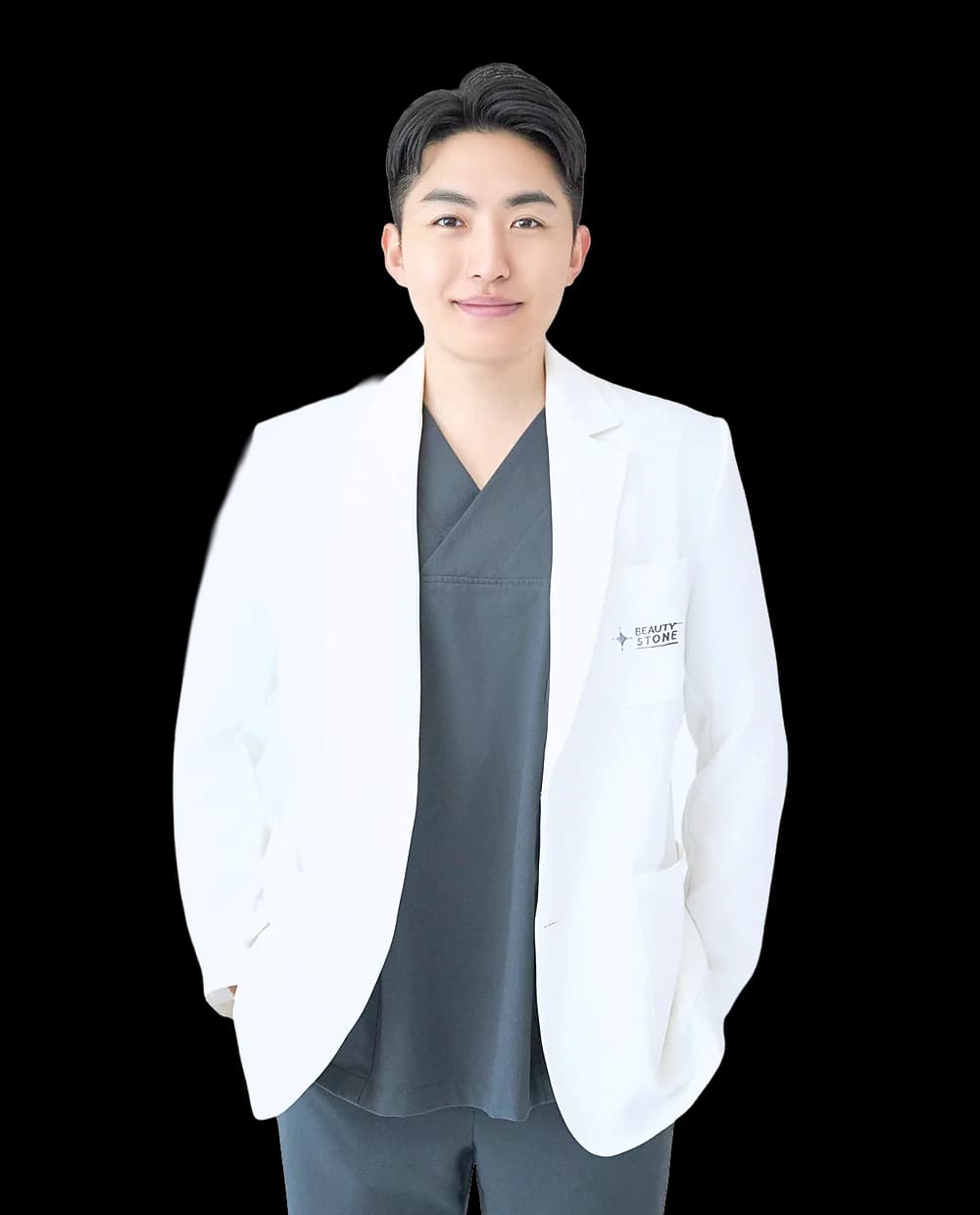
Wi Young-jin
Chief Director & CEO, Myeongdong
If you have been reading up on Onda and Shurink, you have probably seen them talked about as if they were two names for the same thing. They are not. Both use heat to firm skin, but a handful of quiet assumptions tend to push people toward the device that does not actually match their concern.
So this guide starts somewhere different. Rather than opening with mechanisms, we begin with the misunderstandings that trip people up, then line up each device against the specific change you want to see. The aim is a choice you can bring to a doctor and act on, not a spec sheet you have to decode.
What Are the Common Myths That Lead People to the Wrong One?
Most of the mismatched bookings we hear about trace back to the same few beliefs. None of them is completely wrong, but each one, taken on its own, hides the part that actually decides which device suits you.
- "Deeper must be better." Reaching a lower layer is only useful if that is where your concern sits. The more helpful question is not how deep a device can go, but which layer you want to address.
- "They basically do the same job." One warms broadly and the other targets points, so treating them as interchangeable is what leads to the wrong pick in the first place.
- "Less downtime means the safer choice." Recovery time and suitability are separate questions; a shorter settling period does not tell you whether a device reaches the layer you care about.
Clear those three out of the way and the decision gets a lot simpler, because it stops being an abstract contest between two devices and turns into a practical match between a device and a goal.
Broad Warmth or Pinpoint Depth: What Does Each One Actually Do?
Onda runs on microwaves, branded as Coolwaves, and they respond to both water and fat in the tissue. Because of that reach, the warmth spreads out and heats a whole zone in an even, gentle way instead of piling up in one tiny spot. Picture the energy as broad and diffuse, warming tissue as it moves and carrying that heat from the surface down into the layers below.
Shurink takes the opposite approach. It relies on high-intensity focused ultrasound, so it gathers sound energy onto a single focal point and raises the temperature there very fast. The tissue sitting around that point stays comparatively cool, which is how the heat can be dropped precisely where it is aimed.
If you want one line to carry in your head, it is this: Onda heats across an area, while Shurink stacks heat at chosen points. That single split in how the energy behaves is what sets up everything that follows, including how far down each one reaches and which concerns it ends up suiting.
Which Layer Does Your Concern Live In?
Shurink's signature trait is that it can send its focal point all the way to the SMAS, the fibromuscular layer that works something like the scaffolding of the face. Swapping cartridges lets a provider aim shallow or deep, which is why it tends to be chosen when the goal is lifting from that foundation, for a jawline that has started to blur or cheeks that have slipped downward.
Onda, following the nature of microwaves, is stronger at treating from the dermis down into the subcutaneous fat across a broad zone. That makes it a natural match for localized pockets of fat, mild laxity, and the overall firmness of the skin. There is also research suggesting that heating with radiofrequency or microwave energy may prompt collagen to remodel over time, so the point is less about a winner and more about where you want the work done.
It helps to know that even within focused ultrasound, the depth at which energy is released shifts with the cartridge, so a plan sometimes pairs a deep pass toward the SMAS with a shallower one nearer the dermis. Onda, by contrast, leans on evenness, raising the firmness of everything it covers rather than driving into a single point.
| Device | Where the heat lands | Best matched to |
|---|---|---|
| Onda | Dermis into subcutaneous fat, across a whole zone | Localized fat, mild laxity, overall firmness |
| Shurink | Focal points as deep as the SMAS | Lifting a blurring jawline or dropped cheeks from the foundation |
Four Situations, and Which Device Tends to Fit?
Because the heat settles at different depths, the concerns each device handles best split apart too. Read the pairings below as a general map only. What genuinely suits you rests on your own skin, and that is something a doctor weighs up during a consultation.
| Your situation | The device that often fits |
|---|---|
| A blurring jawline or dropped cheeks you want lifted from the foundation | Shurink, since it can reach the SMAS |
| Localized fat, such as the upper arms or under the chin, alongside broad, area-wide laxity | Onda |
| Overall firmness with even warmth spread across a wide zone | Onda |
| Both deep spots to reach and broad areas to warm | Worth asking about combining the two |
Notice that two of these point to Onda and one to Shurink, with the last one leaving room for a mix. That is the whole reason the earlier myths matter: if you had assumed the two were interchangeable, you might have booked the one that never reaches your layer at all.
What Happens Afterward, and When Should You Skip It?
Both treatments can leave mild redness, a flushed sort of warmth, or some localized swelling right after. For most people that settles within a few hours to a few days, though exactly how it feels differs from one person to the next.
Since Shurink builds heat deep at specific points, the sensation during the session can register more strongly for some, and now and then a temporary dull feeling lingers briefly. Onda spreads its warmth over an area, so the heat can seem to hang around a bit longer, yet the downtime is often described as comparatively short.
There are situations where you may not be a candidate, and disclosing them beforehand matters:
- Pregnancy, in which case the treatment may not be suitable.
- A metal plate or an implanted device within the area to be treated, which you should always mention in advance (see the clinic's reference guidance).
Afterward, skin tends to run drier and more sensitive to sunlight, so steady moisturizing and daily sunscreen genuinely count. These are heating treatments, so intense exercise, drinking, and long hot baths on the same day can push the warmth and redness further, and it is wiser to keep things low-key for a while. If something feels off or outstays what you expected, resist self-diagnosing and check back with the clinic that treated you.
On price, the cost of Onda and Shurink shifts with several things, including the number of shots, the area treated, and the plan a doctor maps out for you, so you can look at current figures on our pricing page (prices at our clinic may change).
How Do You Decide, Together With Your Doctor?
Onda and Shurink both firm the skin, yet they part ways from the ground up in how they carry heat. Onda uses microwaves to warm from the dermis into the fat layer across a whole zone, while Shurink uses focused ultrasound to set heat at points as deep as the SMAS. Whichever you lean toward, it is your goal, not the machine, that should lead the way.
So instead of asking which one is best in the abstract, work out which layer your concern actually lives in, ideally sitting down with a doctor, and choose from there. That single reframe quietly answers most of the myths we started with.
If you would like a hand figuring out which one suits you, the team at Beautystone Clinic in the Hapjeong area of Seoul is happy to talk it through.