
Nasolabial Folds: Does Lifting Alone Work?
Lifting softens nasolabial folds caused by sagging, but folds caused by volume loss usually need filler. Learn the cheek-lift mirror test, what HIFU and thread lifts can do, and which signs after treatment need care right away.

Wi Young-jin
Chief Director & CEO, Myeongdong
If your nasolabial folds (the lines running from the sides of your nose to the corners of your mouth) got deeper because your cheeks have dropped, lifting can soften them. If they deepened because the area has lost volume, lifting alone usually won't smooth them out. There's a quick mirror test: place your fingertips just beside your cheekbones and lift gently. If the line fades a lot, sagging is the bigger factor. If it barely changes, volume loss or a skin crease is more likely.
Lifting and filler get compared constantly, but they solve different problems. In this article, we'll cover how to tell which one your folds are showing, what ultrasound and thread lifts can and can't do, when filler belongs in the plan, and which reactions after treatment need a call right away.
The short version
- If sagging is the main cause, lifting comes first. If volume loss is the main cause, filler comes first.
- When to judge: lifting results are best assessed around 3 months later, not on the day of treatment.
- Don't expect a thread lift to hold for years.
- If the skin turns white or blue, or you feel unusual pain, get medical care right away.
Are Your Smile Lines From Sagging or Volume Loss?
Deep smile lines usually come from a mix of three things: sagging, volume loss, and creased skin. When the upper cheek slides downward, tissue piles up just outside the fold, and the shadow gets darker. Lift it, and the line fades.
A face that has lost volume at the front of the cheekbone or beside the mouth behaves differently. You can pull it upward, but the hollow stays where it was.
Anatomy helps explain why. A cadaver study of facial fat found that the fat beside the nasolabial fold sits in its own compartment, separated from the cheek fat, and that these compartments change in different ways as the face ages. So two people with similar-looking folds may need work in different places, depending on which compartment dropped and which one shrank.

When Does Lifting Soften Nasolabial Folds?
If the line fades noticeably when you lift your cheek, lifting is a reasonable place to start. Focused ultrasound lifting (HIFU) delivers heat to a set depth under the skin to tighten tissue. The goal is to support the descended cheek so there's less of a shadow outside the fold.
In a study of 75 patients who had a single HIFU session on the face and neck, more than 80% were rated as improved in the nasolabial area by physicians at 3 months, and more than 78% said they were satisfied. That said, the study had no comparison group, so it doesn't show that HIFU beats other treatments. Individual results vary.
Timing matters too. Tightening isn't something you judge in the mirror that evening. Take front and 45-degree photos in the same light before treatment, then repeat them about 3 months later. That comparison tells you far more than day-one impressions.

How Long Does a Thread Lift Last on Smile Lines?
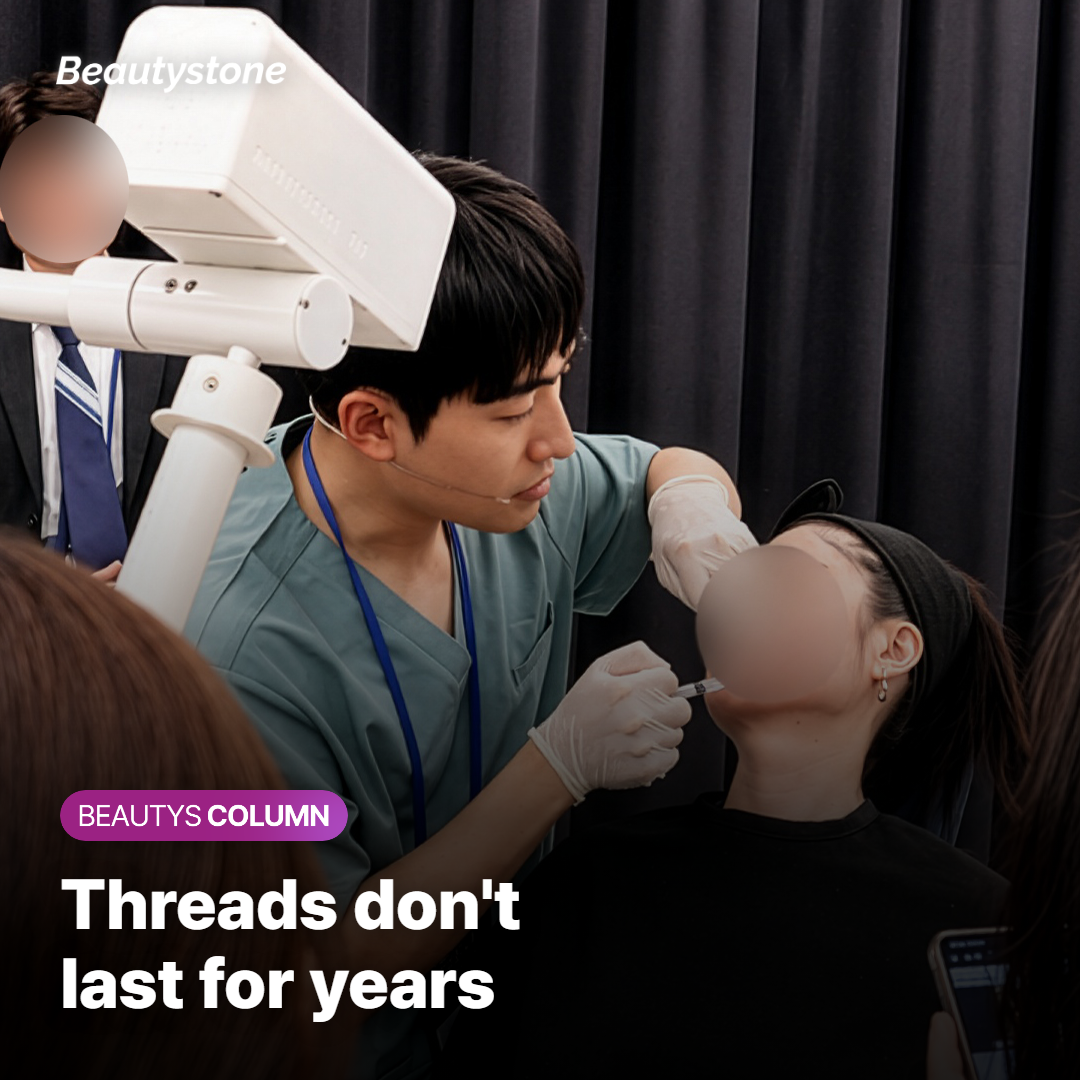
A thread lift uses dissolvable threads with small barbs to hook and lift sagging tissue. It can add lift to a face where sagging is obvious.
Durability is the weak spot. A systematic review of thread-lift studies concluded that, apart from two studies, the lifting effect showed very limited durability, and the two positive studies were sponsored by companies that make the threads. Fortunately, that doesn't make threads useless. It just means you shouldn't plan around results lasting for years.
Before booking, ask your provider what would be reassessed once the pull starts to soften, and when. Results differ from person to person, so a clear follow-up point is more useful than a promised timeline.
When Lifting Alone Won't Smooth the Fold
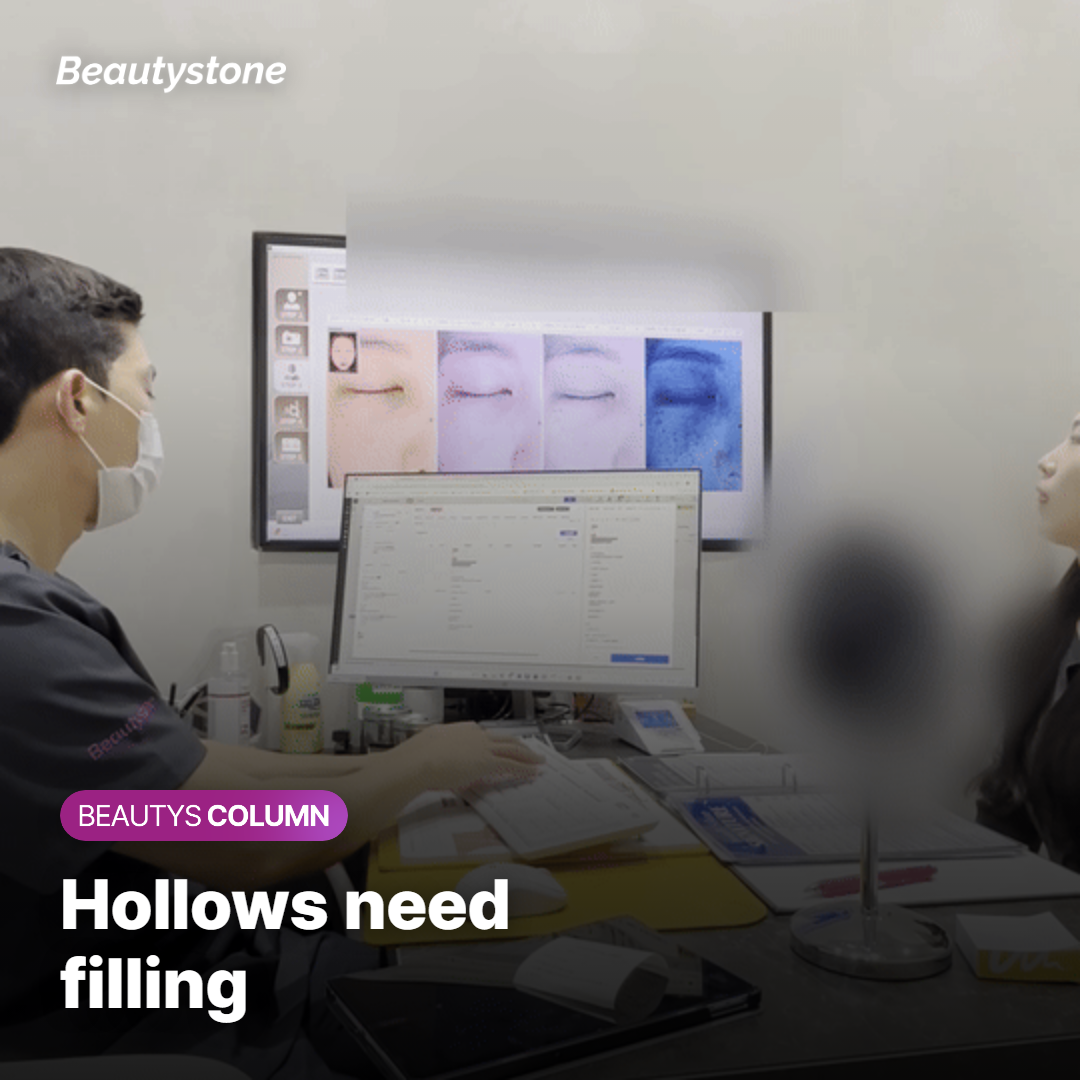
If the fold barely changes when you lift your cheek, the problem is likely volume loss or a crease in the skin itself. At Beautystone, a clinic in Seoul's Hapjeong area, the approach is to lift a face that has sagged and to fill a face that has hollowed. Pulling on a hollow raises the tissue around it, but the dip itself stays.
| What you see in the mirror | When you lift your cheek | Treatment to consider first |
|---|---|---|
| Tissue resting outside the fold | The line fades a lot | Lifting (ultrasound or thread) |
| Hollows at the front of the cheek or beside the mouth | The line barely changes | Hyaluronic acid filler |
| Both | The line fades partly | Discuss lifting and filler together |
The U.S. FDA has approved absorbable fillers for moderate to severe facial wrinkles and folds, including nasolabial folds, in adults over 21. A meta-analysis of hyaluronic acid studies found that HA filler lowered nasolabial fold severity scores by an average of 1.21 points at 6 months. How much you see depends on your skin and the product used.
Fine lines left behind by years of creasing may remain even after lifting or filling. In that case, it's worth asking about skin treatments as part of the same plan.
Side Effects: What's Normal and What's Urgent
Some people feel discomfort during HIFU, and the skin can look briefly red afterward before settling on its own. In the 75-patient study, one person had numbness along the jaw that resolved within 10 days. With filler, swelling, bruising, and redness are common. They typically fade within a few days to a few weeks. If they worsen or spread, contact your provider right away.
| HIFU, 75 patients | Share |
|---|---|
| Pain during treatment | 25.3% |
| Brief redness afterward | 6.7% |
Usually passes on its own
- Brief redness or an achy feeling when you press the area after lifting
- Swelling and bruising where the filler went in (a few days to a few weeks)
Contact a doctor right away
- Skin near the filler turns white, gray, or blue, or you feel unusual pain → get medical care immediately
- Blurry or changed vision → go to the nearest emergency room
- Slurred speech, numbness or weakness in the face, arms, or legs, trouble walking, severe headache, or dizziness → go to the nearest emergency room
The FDA warns that filler injected into a blood vessel can lead to skin necrosis, vision problems including blindness, and stroke. These signs can appear during or after treatment. Don't wait for a message reply; get care first.

The Bottom Line: What to Check Before a Consultation
If the line fades a lot when you lift your cheek, start by discussing lifting. If it barely moves, start with filler. If you see both, the answer is usually a combination.
Before you decide, ask which part of your fold your provider thinks has sagged and which part has hollowed — that one answer makes your options easier to compare. When you reach out through the consult button on this page, include front and 45-degree photos of your relaxed face and of your face with your cheeks gently lifted, any past lifting or filler treatments with dates, and whether the fold shows only when you smile or also at rest.
Frequently Asked Questions
Q. How long does a thread lift last on nasolabial folds?
A. There isn't strong evidence that it lasts for years. A systematic review found the lifting effect had very limited durability in most studies, and the two positive studies were company-sponsored. Before treatment, agree with your provider on when you'll reassess once the pull softens.
Q. How long does hyaluronic acid filler last in smile lines?
A. The American Academy of Dermatology lists hyaluronic acid fillers as lasting about 4 to 12 months. The actual duration depends on the product and the area. Because the filler is absorbable, keeping the result means having it topped up, so ask how long your specific product usually lasts in this area.
Q. Does HIFU hurt?
A. In a study of 75 patients, about 1 in 4 (25.3%) reported pain during treatment, and it resolved afterward. Areas close to bone, like the jawline and cheekbones, can feel more intense. If you're worried, ask about numbing cream or adjusting the energy level before you start.
Q. When can I judge my lifting results?
A. Look at how you appear a few months later, not the day of or the day after. The HIFU study assessed changes 3 months after treatment. Take photos before treatment in consistent lighting and angles, then repeat them about 3 months later to compare.
Q. Can someone in their early 20s get nasolabial filler?
A. The FDA has approved dermal fillers for adults over 21. In your early 20s, it's worth first finding out why the fold looks deep. At a younger age, the line is often from smiling or facial structure rather than sagging or volume loss, so bring photos of your relaxed and smiling face.
Q. What should I tell my provider before treatment?
A. Tell them if you're pregnant or breastfeeding, what medications and supplements you take, any allergies, and which fillers or thread lifts you've had in the face, with dates. Blood thinners can make bruising more likely. If you've ever had a non-absorbable filler in the same area, mention that too.
Q. How do I do the cheek-lift mirror test?
A. Stand facing a mirror with a relaxed face. Place your fingertips just beside your cheekbones and lift gently toward your ears. If the fold fades a lot, sagging is the bigger factor. If it barely changes, it's more likely volume loss. Lift only enough to move the skin slightly, since a hard pull makes almost any fold look lighter.
Q. Do smile lines that only show when I smile need treatment?
A. Lines that appear only when you smile are expression lines, so they don't necessarily need treatment. If the fold stays visible at rest or the shadow has darkened, it's worth checking whether sagging or volume loss has started. Photos of your relaxed and smiling face make that easier to see.