Oligio X Retreatment: 4 Signs It's Time (and When to Wait)
Oligio X tightens skin with monopolar radiofrequency, but the firming doesn't last forever. Here's a calm look at how long the effect tends to hold, why collagen remodeling keeps working for months, and when it makes sense to think about a repeat session.
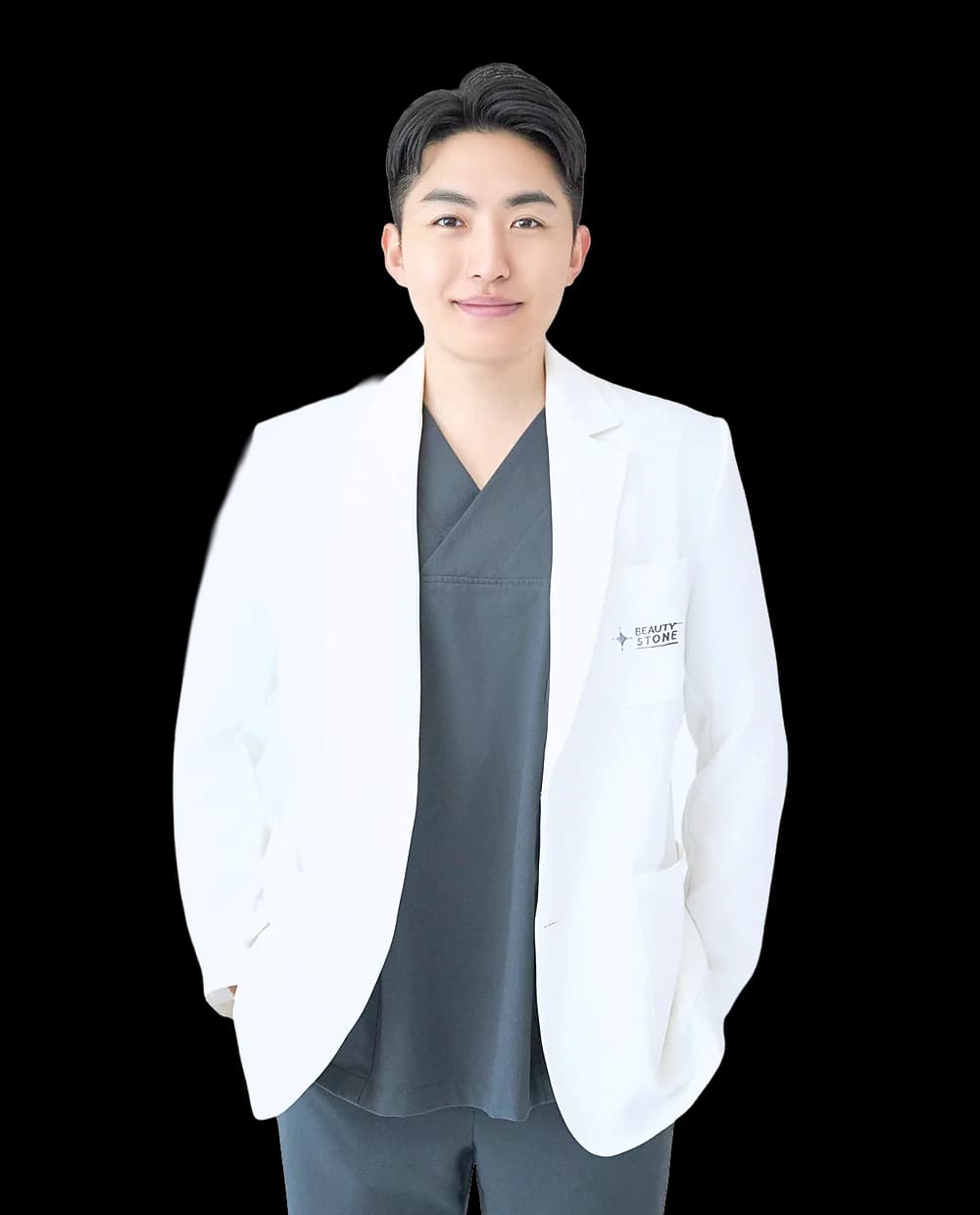
Wi Young-jin
Chief Director & CEO, Myeongdong
If you had Oligio X a while back and the mirror no longer looks quite as lifted as it did on week six, you're probably circling the practical question: is it worth booking again yet, or should you sit tight for now? This piece is written for exactly that moment, after your first treatment, when a repeat is on the table but the timing feels murky.
The short version is that there's no universal date to mark on a calendar. What matters far more is how your own skin is behaving, paired with a clear-eyed sense of what a second session can and can't speed up. Below we'll walk through the signals worth watching, the timing traps that waste an appointment, the likely cost, and the situations where the smarter answer is to hold off.
Is It Really Time for Another Round?
Firmness from Oligio X doesn't vanish overnight, and it doesn't renew itself on a fixed schedule either. The device warms the deeper skin with monopolar radiofrequency, and the lift you eventually felt came from collagen slowly rebuilding across the weeks that followed, not from the heat you noticed on the day itself. Because that build-up is gradual, the fade is gradual too, which is precisely why pinning the decision to one specific month rarely holds up.
A more honest way to choose is to let your skin be the clock. When the snug, lifted quality you gained begins to loosen and soften, that softening is the cue worth respecting. For plenty of people it arrives somewhere around the six-month-to-one-year mark, but treat that as a loose window shaped by your age, your baseline skin, and daily habits like sun exposure and sleep, never a guaranteed expiry date stamped on the result.
What Tells You the Effect Is Fading?
Instead of counting months, watch for the changes you can actually see and feel. None of these signals mean something went wrong; they're simply the natural arc of the result winding down toward where you started.
- The tight, held feeling along the jaw and cheeks has eased back toward how things looked before your session.
- Contours that read a little crisper for a while are starting to blur and settle again.
- The early warmth-driven tightness is long gone, and now even the slower, collagen-based firmness is quietly receding.
- It has been roughly six months to a year, and the mirror finally agrees with the calendar.
If several of these line up at once, that's a reasonable moment to raise timing with a doctor, ideally judging your face by how it looks right now rather than against a duration figure someone quoted you at the start.
Why Coming Back Too Early Backfires
It's tempting to assume that booking a second session sooner will make the skin firmer faster. In practice it doesn't work that way. The collagen response triggered by radiofrequency heat keeps unfolding for a stretch after treatment, and while that process is still active, your skin is already doing the very work you'd be paying to kick-start all over again.
There's published work suggesting that warming skin with radiofrequency energy encourages collagen to reorganize over time, and that reorganization needs room to finish. Stacking a fresh session on top of one that hasn't fully played out mostly burns the appointment for little added gain. Aging and ultraviolet light will keep quietly eroding collagen in the background regardless, so the effect was never meant to be permanent, but that's a case for spacing sessions sensibly, not for crowding them together. Giving the remodeling time to run its course and simply observing the change is usually the wiser move.
What Might a Repeat Plan Cost?
Budget is a fair part of the decision, especially once you're doing this more than once. Pricing is built around shot count, and a larger plan tends to bring down what each individual shot effectively costs. Here is the starting structure for the face at our Seoul clinic:
| Plan | Price (from) |
|---|---|
| Face, 100 shots | ₩429,000 |
| Face, 930 shots | ₩2,629,000 |
The right shot count and the exact area are matched to your skin by the doctor, so read these as starting figures and confirm the precise number on our pricing page; prices at the Seoul clinic can change. If you'd like the math mapped to your own face, the team at Beautystone Clinic in the Hapjeong area of Seoul is glad to talk it through with you.
Who Should Hold Off or Skip a Repeat?
Before you rebook, a quick self-check matters as much as the timing. A repeat carries the same considerations as your first appointment, and a handful of situations call for pressing pause or clearing it with a doctor first.
- Pregnancy, or a metal plate, pacemaker, or other implanted device in or near the treatment area — always disclose these before any session.
- Skin still in recovery: afterward it tends to run drier and more sensitive to sunlight, so steady moisturizing and daily sunscreen come first.
- The treatment day itself: skip hard workouts, alcohol, and long hot baths, all of which can amplify the warmth and redness.
- Anything that lingers: if redness, swelling, or an odd sensation outstays what you'd expect, don't self-diagnose — loop back to the clinic that treated you.
Most reactions here are mild and short-lived, and serious ones are rare. Handled at your skin's own pace and timed with a doctor rather than a deadline, a repeat is less a fresh start than the next quiet step in keeping the firmness you already built.