

Secret RF Sessions: How Many & How Far Apart?
Secret RF isn't a one-and-done treatment — most providers plan it as a series of three to four sessions, spaced about a month apart, so your skin has time to rebuild collagen between visits.

If you’ve started looking into Secret RF, you’ve probably noticed nobody talks about getting just one session. That’s not a sales tactic — it’s how the treatment is designed. Secret RF delivers radiofrequency energy through microneedles into the dermis, and the collagen it triggers builds up gradually, not all at once.
The short answer? Most people do a series of three to four sessions, spaced about four weeks apart, though the right number and interval depend on what you’re treating. In this article, we’ll cover why Secret RF works better as a series, how many sessions are typical for different goals, and why clinics usually leave about a month between visits.
What Is Secret RF?
Secret RF is a microneedling radiofrequency (RF) device — it’s FDA-cleared for procedures like skin resurfacing, and providers commonly use it off-label for enlarged pores, uneven texture, and mild loss of firmness. Instead of just puncturing the surface the way old-school microneedling does, insulated needles carry RF energy straight down into the dermis, the deeper layer of skin where collagen is actually made.
That’s the detail that trips people up. A single pass with a device like this doesn’t fix anything on the spot. It sets off a repair process that plays out over weeks, which is exactly why the treatment is planned as more than one visit.
How Does Secret RF Work?
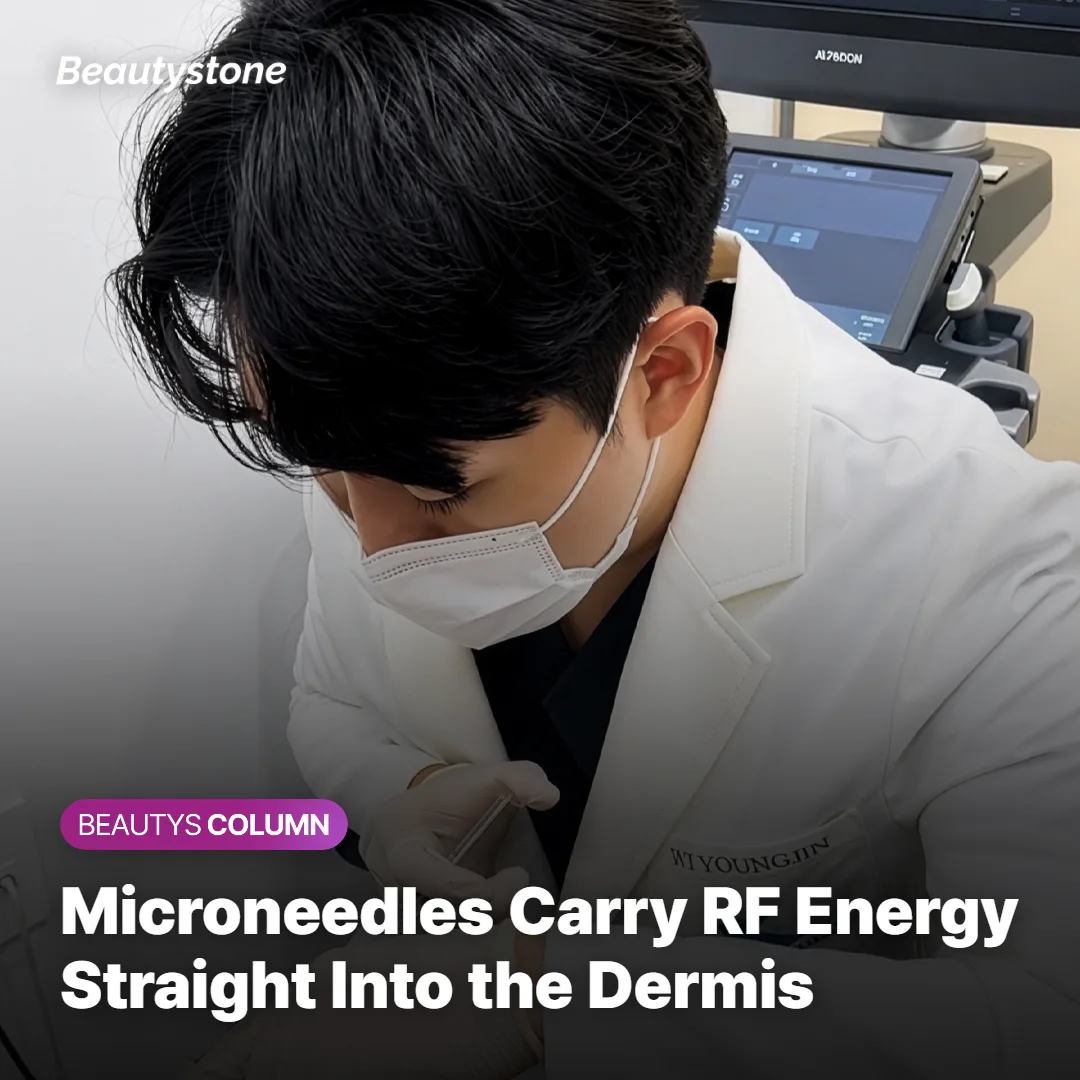
Here’s how it works: a grid of ultra-fine, insulated needles is pressed into the skin at a set depth, and each needle tip releases RF energy right where it lands. That heat creates controlled micro-injury in the dermis — enough to trigger your body’s own healing response, without damaging the surface layer above it.
Your skin responds to that controlled injury by ramping up collagen production, and collagen isn’t something that shows up overnight. It’s synthesized gradually, over roughly four to six weeks per treatment, which is one reason a single session rarely delivers a dramatic result on its own.
A study on Asian periorbital skin used microneedle RF in a three-session protocol spaced four weeks apart — not because more sessions sound impressive, but because that spacing gave the skin time to rebuild collagen between treatments.
How Many Sessions Do You Actually Need?
The short answer? It depends on what you’re treating — there’s no universal number that works for everyone. That said, most providers plan around a few common patterns.
| Goal | Typical Session Count | Note |
|---|---|---|
| Pores & texture | Around 3 sessions | Often planned as one series |
| Skin laxity & firmness | 3 to 4 sessions | Built up with consistent spacing |
| Acne scarring | Often more | Adjusted to how your skin responds |
If pores or texture are your main concern, three sessions is a common starting point, planned as one series rather than three separate decisions. If you’re also hoping for firmer, tighter-looking skin, your provider may recommend stretching that out to three or four sessions with consistent spacing. Acne scarring tends to respond more slowly, so it often takes more sessions — and more patience — before you see the full picture.
One thing worth keeping in mind: judging Secret RF after a single session is a bit like judging a workout program after one gym visit. The real comparison is your skin before the series versus a few months after you finish it.

Why Are Sessions Spaced About Four Weeks Apart?
Space sessions too close together, and your skin doesn’t get enough time to recover before the next round of micro-injury. Space them too far apart, and you lose some of the compounding effect — each session is meant to build on the collagen the last one started.
Research on microneedle RF treatments delivered two to six times, about a month apart, reflects the interval most clinics default to. A four-week gap tends to line up with how long it takes new collagen to start showing results, without leaving so much time between visits that momentum stalls.
That said, four weeks is a starting point, not a rule carved in stone. If your skin is more reactive than average, or swelling and redness linger longer than expected, your provider may space your sessions out a bit further. If you’re healing quickly and tolerating treatment well, they may be able to tighten the interval slightly. Either way, it’s worth discussing at each visit rather than assuming the same schedule fits everyone.

What Should You Expect Between Sessions?
Right after treatment: Your skin may look flushed, with pinpoint marks where the needles were placed — think a light sunburn plus faint texture.
- Day 1 to 3: Redness and mild swelling typically peak, then start to fade.
- Week 1 to 2: Most visible redness has settled, though skin may still feel slightly firmer or more sensitive than usual.
- Week 3 to 4: Skin looks and feels back to normal — roughly when your next session is often scheduled.
Makeup can usually go back on within a day or so, once any pinpoint marks have closed — but check with your provider, since exact timing depends on your skin and how deep the treatment went.
Side Effects & Risks
Secret RF is generally well tolerated, but it’s still a procedure that creates controlled injury in your skin — so a few things are worth knowing before you commit to a series.
- Redness and swelling: Common in the first few days and usually settles on its own.
- Pinpoint bleeding or scabbing: Can happen where the needles penetrated, and typically resolves within a week.
- Temporary sensitivity: Skin may feel tighter or react more to sun and active skincare for several days.
- Rare complications: Infection, prolonged redness, or changes in pigmentation are uncommon but possible, especially if aftercare instructions aren’t followed.
If redness spreads, swelling gets worse instead of better, or you develop a fever after a session, seek medical care right away rather than waiting it out. And if you’re pregnant, have an active skin infection, or have a history of keloid scarring, talk to your provider before starting — Secret RF isn’t automatically the right fit for every skin type or situation.
Is It Worth the Time — and the Cost?
Committing to three or four sessions is a bigger ask than a single 30-minute treatment, and it’s fair to weigh that before you start. Pricing varies by clinic, how many sessions your plan includes, and the areas being treated, so there’s no single number that applies across the board.
Rather than pricing out session one in isolation, it helps to think of the series as a package — most clinics price it that way too, often with a better per-session rate when you book the full course upfront. A consultation is really the most reliable way to get a plan and a number that reflects your actual skin, not a generic estimate. If you’re weighing Secret RF against other options, ask your provider directly how the total series cost compares to a single more intensive treatment for your goals.
If you’re in Seoul, Beautystone is a dermatology clinic in the Hapjeong area, and current offers are listed at /en/promotion — worth checking before you commit to a full series anywhere.
The Bottom Line
Secret RF is built around a series, not a single visit — typically three to four sessions, spaced about four weeks apart, so your skin has time to rebuild collagen between treatments. How many sessions you personally need comes down to your goal, whether that’s texture, firmness, or scarring, and how your skin responds along the way.
Like any procedure, it comes with trade-offs: a time commitment, some downtime after each session, and results that build up gradually rather than all at once. Ultimately, the choice — and the exact number of sessions — depends on your skin, your goals, and your budget. If you’re considering Secret RF, a consultation is the best way to find out what fits you; Beautystone is a dermatology clinic in Seoul’s Hapjeong area — see current offers at /en/promotion.
Frequently Asked Questions
Q1. How many Secret RF sessions do most people need?
Most people do a series of about three to four sessions rather than just one, since collagen builds up gradually with each treatment. The exact number depends on what you're treating and how your skin responds. Your provider can help tailor a plan once they've assessed your skin.
Q2. Why are Secret RF sessions spaced about four weeks apart?
Collagen synthesis after each session takes roughly four to six weeks to play out, so spacing sessions about a month apart gives your skin time to rebuild before the next round. A study using microneedle RF on periorbital skin used a similar three-session, four-week interval protocol. Sticking closer to this spacing is generally considered part of getting the most out of the series.
Q3. Does one Secret RF session give noticeable results on its own?
A single session rarely produces a dramatic result by itself, because it only sets off the repair process rather than completing it. That's why Secret RF is typically planned as a series instead of a one-time treatment. Results tend to build progressively as you complete more sessions in the recommended interval.
Q4. What should I expect in the weeks between Secret RF sessions?
Between sessions, your skin is working through the collagen remodeling process, so you may notice gradual improvement in texture or firmness rather than a sudden change. Mild redness from each session typically settles within the days following treatment. Individual healing pace varies, so following your clinic's aftercare guidance between visits matters.