Is Ultherapy Really Better Than Other HIFU?
HIFU devices all promise a lifted jawline, but they don't all reach the SMAS layer with the same accuracy. Here's why that difference is the whole story with Ultherapy.

Wi Young-jin
Chief Director, Myeongdong
If you've noticed your jawline looking a little softer than it used to, you're not alone. It's one of the most common concerns we hear once the weather cools down and people start thinking seriously about lifting treatments again. HIFU (high-intensity focused ultrasound) devices all promise the same thing: firmer, lifted skin without surgery. But they don't all deliver it the same way. Ultherapy tends to get singled out as the one that actually works, and the reason isn't marketing — it comes down to precision. In this article, we'll cover what Ultherapy actually is, why its targeting matters more than the number of shots you get, what recovery looks like, and who's a good candidate in the first place.
What Is Ultherapy, Exactly?
Ultherapy is an FDA-cleared HIFU device that uses focused ultrasound energy to create tiny heat points deep in the skin — specifically in the SMAS (superficial musculoaponeurotic system), a layer of connective tissue that sits below the fat and above the muscle. It's not a laser, and it's not radiofrequency (RF). Both of those technologies work on or near the surface of the skin. Ultherapy is designed to reach past that entirely.
Here's why that layer matters: the SMAS is the same tissue that surgeons lift and tighten during a facelift. When Ultherapy creates precise heat points in that layer, it triggers a wound-healing response that produces new collagen over the following months, gradually firming and lifting the skin from the inside out. Other HIFU devices — including Shurink and similar platforms — work on the same basic principle. The difference is in how reliably they actually hit that layer.
How Does Ultherapy Target the SMAS Layer?
This is the part that gets glossed over a lot: not every HIFU device confirms where its energy is actually landing. Many devices work off a fixed cartridge depth — load a 4.5mm tip, and the system assumes the SMAS sits at 4.5mm for every patient. In reality, skin thickness and SMAS depth vary quite a bit from person to person, and that gap between assumption and anatomy is where results tend to fall apart.
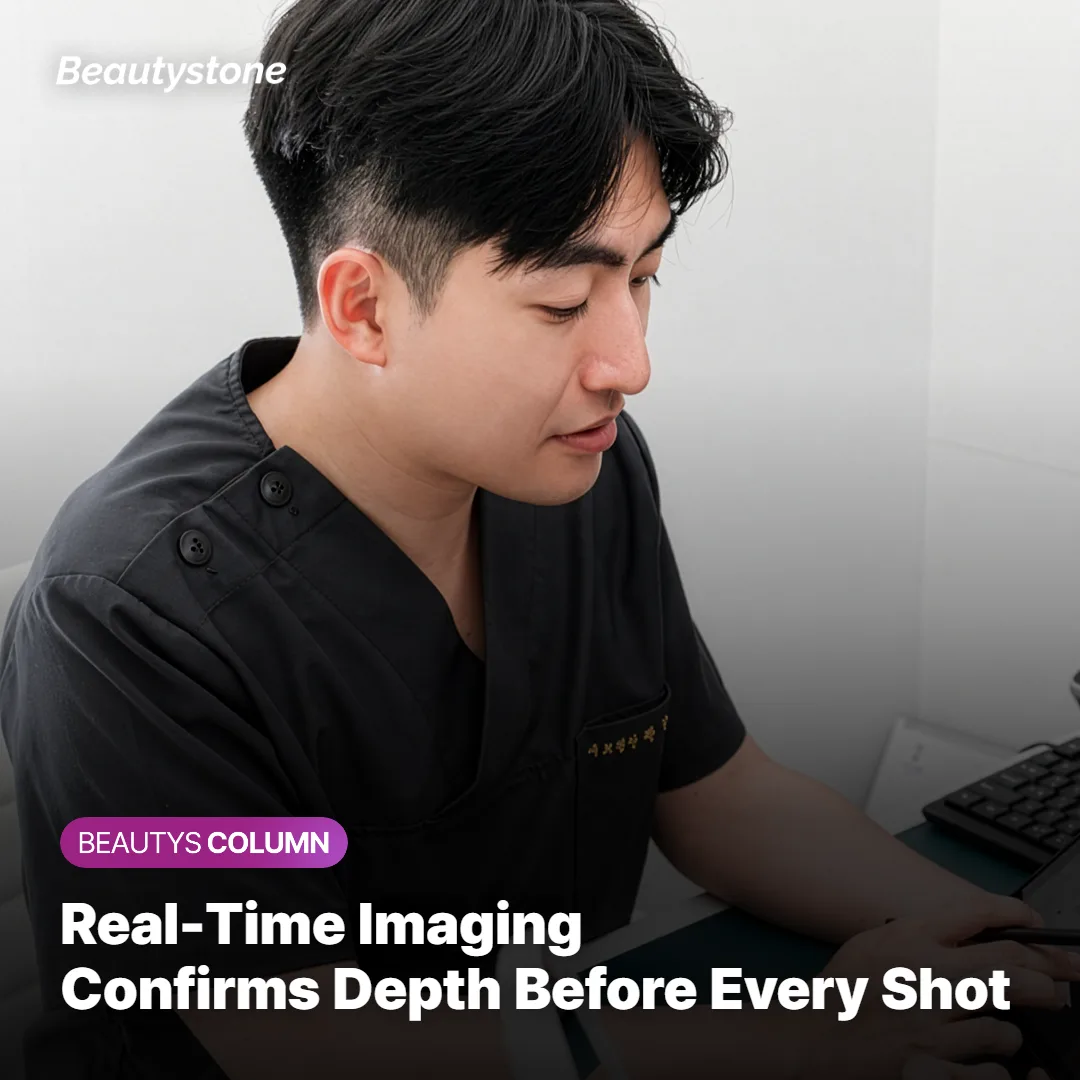
Ultherapy takes a different approach. It uses real-time ultrasound imaging, so your provider can actually see the SMAS layer on a screen before firing a single shot — and adjust the depth accordingly. Someone with thinner skin and a shallower SMAS might need a 3.0mm cartridge instead of the standard 4.5mm; without imaging, that mismatch simply wouldn't be caught. When energy lands past the SMAS and pools in the fat layer instead, you can end up with volume loss instead of lift — all the discomfort of the treatment with none of the payoff.
| Factor | Imaging-Guided HIFU (Ultherapy) | Cartridge-Depth-Only HIFU |
|---|---|---|
| How depth is confirmed | Live ultrasound view of the SMAS before each shot | Assumed based on cartridge size |
| Best suited for | Thinner skin, asymmetrical SMAS depth, prior treatment non-responders | Average skin thickness, lower budget |
| Typical discomfort | Higher — energy consistently reaches target tissue | Lower, but so is targeting precision |
Shot count matters too, but maybe not in the way you'd think. A full-face Ultherapy session typically delivers somewhere around 800 to 1,000 shots — but the number that actually predicts your results isn't the total. It's how many of those shots land precisely in the SMAS. A provider who splits cartridge depths based on your actual anatomy (say, a 7:3 mix of 3.0mm and 4.5mm passes for someone with shallower tissue) is doing more for your outcome than one who runs a single standard protocol on everyone.
What to Expect: Timeline and Results
Ultherapy doesn't give you an immediate, dramatic change — and that's actually expected, not a sign that it didn't work. Here's roughly how it unfolds:
- Day of treatment: Mild redness and warmth that usually fades within a few hours.
- First 48 hours: Some swelling or tenderness along the treated area is common, especially around the jaw.
- 2 to 4 weeks: Early, subtle firming as the initial collagen response kicks in.
- 2 to 3 months: This is typically when most people notice a real difference — new collagen has had time to build.
- Ongoing: Some providers recommend a second session at this point for more pronounced laxity, depending on your goals.
Results are generally reported to last around 12 to 18 months, though individual results vary quite a bit based on your skin, your age, and how your body naturally produces collagen. People who maintain a stable weight and stay consistent with sun protection tend to hold onto results longer; a fast, significant weight change can make things settle sooner than expected.
Side Effects and Downtime: What to Know
The short answer? Downtime is minimal, but the treatment itself isn't painless. Ultherapy tends to be more uncomfortable during the session than lower-intensity HIFU devices, precisely because the energy is reliably reaching a deeper layer. Most people describe it as intense warmth or brief zapping sensations rather than sharp pain, and it typically eases up once the session ends.
- Redness and swelling: Common and usually settle within a few days on their own.
- Tenderness or mild bruising: Possible, especially over bony areas like the jawline, and typically resolves within a week or two.
- Temporary tingling or numbness: Uncommon but reported by some patients; it generally resolves within a few weeks.
If you notice spreading redness, fever, or pain that gets worse instead of better in the days after treatment, contact your provider right away rather than waiting it out. Also worth flagging: Ultherapy doesn't melt fat, but energy that lands in the wrong layer can pool in the fat beneath the SMAS and contribute to a hollowed look in thinner faces. A provider who skips facial analysis and runs the same blanket protocol on every patient is one to be cautious of — ask how they plan to vary shot depth for your specific anatomy before you book.

How Much Does Ultherapy Cost?
Pricing varies a fair amount depending on the clinic, the area treated (face only versus face and neck), the number of passes, and your provider's experience level. As a general pattern, Ultherapy tends to run higher than other HIFU treatments — that's largely the tradeoff for the imaging technology and the extra time it takes to map your SMAS depth before treatment, rather than running a one-size-fits-all protocol.
Because pricing structures differ so much clinic to clinic, a consultation is really the only reliable way to get an accurate quote for your face. It's also worth asking whether current promotions are running before you book — clinics adjust seasonal offers fairly often, and it can meaningfully change the number you end up paying.
Who's a Good Candidate for Ultherapy?
Ultherapy tends to work best for people in their 40s and older with noticeably lax skin along the jawline, where SMAS laxity is the main driver of the sagging. If that's your situation, it's still generally considered one of the most reliable non-surgical options available.
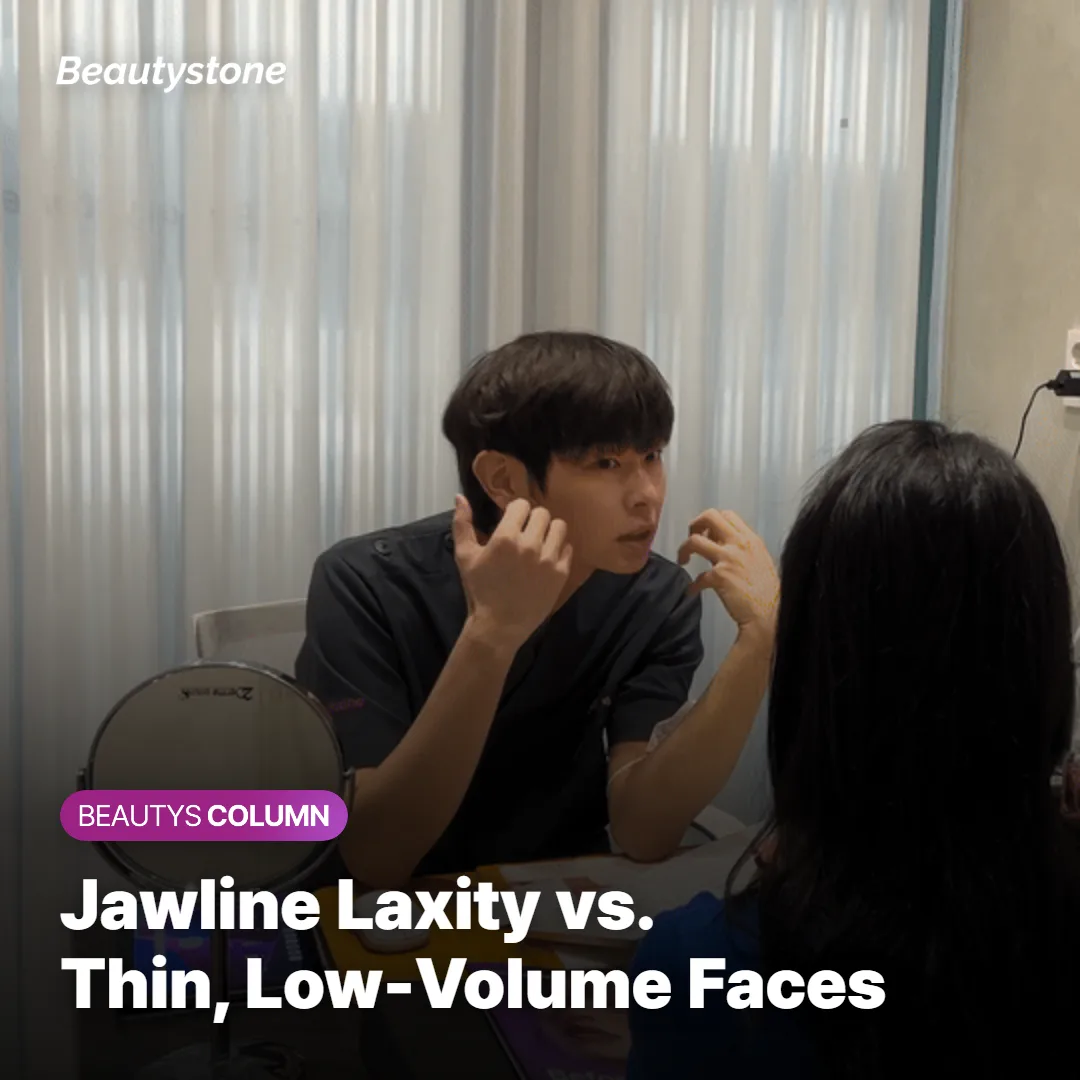
That said, it's not automatically the right first move for everyone. People with a naturally thin face and low cheek fat sometimes see a more hollowed appearance after aggressive lifting, since there's less volume to begin with. In those cases, a provider might reasonably suggest filler or Sculptra first, to restore some volume before — or instead of — going straight to a lifting treatment. It's also worth factoring in that Ultherapy is generally more uncomfortable and more expensive than other HIFU options, so it's not a treatment to choose casually.
- Good fit: Clear jawline laxity, age 40+, SMAS-driven sagging, realistic timeline expectations.
- Worth a second opinion: Very thin face, low fat volume, or primarily looking to address volume loss rather than laxity.
The Bottom Line
Not all HIFU treatments are interchangeable, and the difference usually isn't the ultrasound frequency on the spec sheet. It comes down to whether the device — and the provider running it — can confirm that energy is actually reaching your SMAS layer, not just assuming it based on a cartridge size.
- Ultherapy uses real-time imaging to confirm SMAS depth before treatment, rather than relying on a fixed assumption.
- Results generally build over 2 to 3 months and tend to last 12 to 18 months, though this varies by person.
- It's more uncomfortable and typically pricier than other HIFU options — a tradeoff for more consistent targeting.
- It's not automatically the best first step for very thin faces with low volume.
Like any procedure, it comes with tradeoffs, and it's not a fit for every face. Ultimately, the choice depends on your skin, your goals, and your budget. If you're considering Ultherapy, a consultation is the best way to find out whether it's the right approach for your face. Beautystone is a dermatology clinic in Seoul's Hapjeong neighborhood, and it's worth asking about current promotions before you book.
Frequently Asked Questions
Q1. Does Ultherapy hurt?
Most people describe it as intense warmth or brief zapping sensations rather than sharp pain. It tends to be more uncomfortable than lower-intensity HIFU devices, largely because the energy is reliably reaching a deeper layer of tissue.
Q2. How long do Ultherapy results last?
Results are generally reported to last around 12 to 18 months, though this varies from person to person depending on skin quality, age, and lifestyle factors like sun exposure and weight stability.
Q3. How much does Ultherapy cost compared to other HIFU treatments?
It typically costs more than standard HIFU devices, largely because of the real-time imaging technology and the extra time providers spend mapping SMAS depth. Pricing varies by clinic and treatment area, so a consultation is the best way to get an accurate quote.
Q4. Is Ultherapy right for someone with a thin face?
Not always. People with low cheek fat can sometimes look more hollow after aggressive lifting. In those cases, a provider might recommend filler or Sculptra first to restore volume before considering a lifting treatment.