How Long Does Ultherapy Really Last?
Ultherapy ads love to promise two years of lift, but most people see meaningful results for closer to 10 to 12 months. Here's why the timeline swings so much from person to person, and what actually helps you hold onto results longer.

If you got Ultherapy last year and you're already checking the mirror for sag, you're not imagining things — and you're not alone. Ads love to promise two years of lift, but real-world results tend to land somewhere else entirely.
In this article, we'll cover how long Ultherapy actually lasts, why the timeline swings so much from person to person, and what you can do to hold onto your results as long as possible.
What Is Ultherapy?
Ultherapy is a non-surgical lifting treatment that uses focused, high-intensity ultrasound energy — not radiofrequency — to reach deep into the skin. It's FDA-cleared for lifting the brow, chin, neck, and décolletage.
Unlike a lot of surface-level treatments, Ultherapy energy travels down to the SMAS layer, the same fibrous layer surgeons tighten during a facelift. That depth is a big part of why results tend to outlast a lot of other non-invasive options.
How Does Ultherapy Work?
Here's the short version: focused ultrasound energy heats tiny points deep in the skin and underlying tissue, which triggers a controlled healing response. Your body reads that heat as micro-damage and responds by building new collagen.
- Depth: Ultherapy can reach up to 4.5mm, letting your provider target the SMAS layer directly instead of just the surface dermis.
- Cartridges: Providers typically combine 4.5mm, 3.0mm, and 1.5mm depths depending on the area being treated.
- Timeline to see it: New collagen doesn't show up overnight — most people see gradual tightening over two to three months.
How Long Do Results Actually Last?
The short answer? Most people see meaningful lift for somewhere between 10 and 12 months. That's a long way from the "two years" some ads throw around — and honestly, plenty of providers used to quote something closer to that before enough real-world cases proved otherwise.
Two patients treated in the same month tell the story well. One, in her late 40s, got 300 shots and was still holding a defined jawline at 22 months. Another, in her early 40s, had the same 300-shot treatment and noticed sagging again within 8 months.
The difference wasn't the treatment itself. It was everything that happened after it.

What Affects How Long Ultherapy Lasts?
Ultherapy doesn't install a permanent structure under your skin — it kickstarts new collagen, and how long that collagen holds up depends a lot on your day-to-day habits.
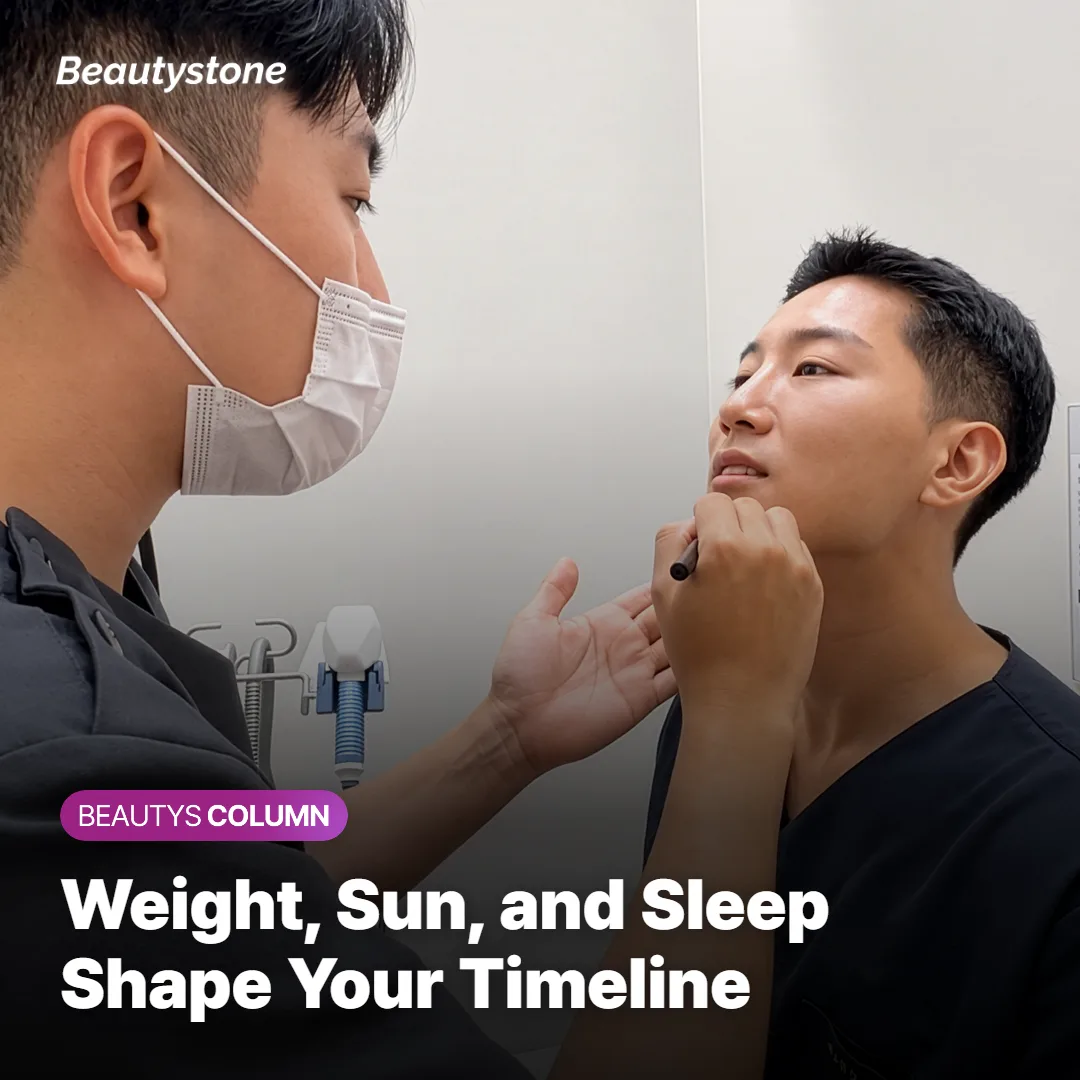
- Weight fluctuation: Losing or gaining more than a few kilograms stretches and slackens skin, which can undo lift fast.
- Sun exposure: UV exposure breaks down collagen faster than your body can rebuild it.
- Sleep and stress: Chronic poor sleep is linked to slower collagen turnover.
- Age and skin quality: Thinner, less elastic skin tends to lose ground faster, regardless of how well the treatment itself went.
In the two cases above, the patient who held onto her results longest had stable weight and consistent sunscreen use. The other had lost weight quickly and worked outdoors often.
It's also a common misconception that Ultherapy works less well as you get older. That's not quite right — your body still builds new collagen at any age, it just tends to break it down faster, which shortens how long the lift stays visible. That's not necessarily bad news: plenty of patients in their mid-40s and beyond maintain a jawline close to what they had years earlier, simply by coming in roughly every 10 months instead of waiting a full year or two.
Can You Extend Your Results?
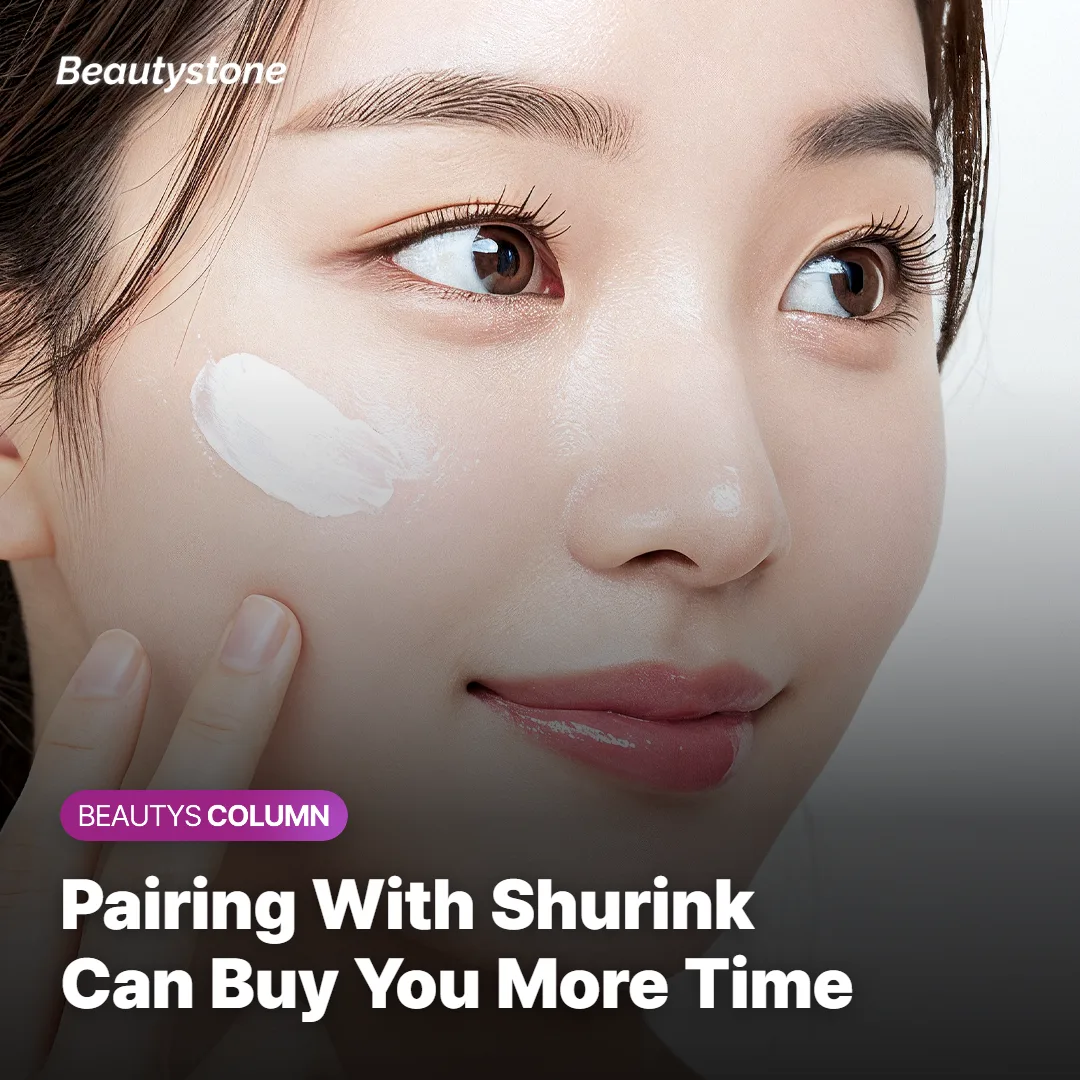
Yes — combining treatments is common in practice. Adding a Shurink session around six months after Ultherapy re-stimulates the dermis and can push back the point where results start to fade by two to three months.
That said, layering treatments adds cost, so it's usually reserved for people who really want to stretch the interval between Ultherapy sessions as far as it'll go.
Shot count isn't a shortcut, either. What matters more than a flat 300 vs. 600 comparison is how those shots are distributed across depths and areas. Loading up on shots in spots that don't need it can even cause volume loss instead of extra lift.
Side Effects & Safety
Ultherapy is generally well tolerated, and most side effects are mild and temporary.
- Redness and swelling: Common right after treatment and usually settles within a few hours to a day.
- Tenderness or tingling: Can linger for a few days as the deeper layers respond to treatment.
- Bruising: Less common, but possible depending on your skin and the areas treated.
If you notice spreading redness, fever, or pain that gets worse instead of better, seek medical care right away — that's not typical and shouldn't be brushed off. Everyone's skin responds a little differently, so talk to your provider about what to expect for your specific case.
How Much Does It Cost?
Pricing varies by clinic, the areas treated, and how many shots your face actually needs, so there's no single number that applies to everyone. Providers typically plan pricing around shot count and cartridge depth rather than a flat rate per session.
A consultation is really the best way to get a number that reflects your face and goals — you can see current offers at /en/promotion.
The Bottom Line
Ultherapy results aren't permanent, and they aren't one-size-fits-all, either. Most people see meaningful lift for around 10 to 12 months, not the two years some marketing suggests.
- Depth matters more than shot count — 4.5mm reaches the SMAS layer that actually holds a lift.
- Weight stability, sun protection, and sleep all influence how long your results stick around.
- Combining Ultherapy with a Shurink touch-up around six months in can stretch the timeline a bit further.
- If your results feel like they're fading, a side-by-side photo comparison with your provider beats guessing from the mirror.
Like any procedure, it comes with trade-offs, and results really do vary from person to person. Ultimately, the choice of when to retreat depends on your skin, your habits, and your budget. If you're considering Ultherapy, a consultation is the best way to find out what fits you — Beautystone is a dermatology clinic in Seoul's Hapjeong area, and current offers are listed at /en/promotion.
Frequently Asked Questions
Q1. How long does Ultherapy actually last?
Most people see meaningful lift for around 10 to 12 months. Some hold results well past a year with stable weight and consistent sun protection, while others notice fading closer to 8 months if they've had a fast weight change or a lot of sun exposure.
Q2. Can Shurink extend my Ultherapy results?
Yes, this is a common combination. Adding a Shurink session about six months after Ultherapy re-stimulates the dermis and can push back fading by roughly two to three months. It does add cost, so it's usually reserved for people who really want to maximize the gap between Ultherapy sessions.
Q3. Does a higher shot count make results last longer?
Not on its own. What matters more than a straight 300 vs. 600 shot comparison is how those shots are distributed across depths and facial areas. Extra shots in areas that don't need them can even cause volume loss instead of a longer-lasting lift.
Q4. How do I know if I actually need a touch-up?
The feeling of sagging often shows up before any real change does — mirror angle, lighting, and how tired you are can all play tricks. Comparing side-by-side photos with your provider is a more reliable way to decide than going off a gut feeling alone.