Cortisone Shots for Acne: Do They Work?
A cortisone shot can calm a swollen, painful pimple within days, but it isn't the right move for every type of acne, and getting the dose right matters as much as getting the shot at all.

Last updated: July 2026
If you've ever watched a single pimple turn into a red, throbbing situation two days before a big event, you've probably heard someone mention a "cortisone shot" as the fix. The short answer? It can calm an angry breakout down fast — but it's not something every pimple needs, and how it's used matters just as much as whether you get one at all. In this article, we'll cover what an acne cortisone shot actually is, how it works, what kind of breakouts respond best, and the two things that separate a good result from a bad one.
What Is an Acne Cortisone Shot?
An acne cortisone shot — dermatologists usually call it an intralesional corticosteroid injection — is a tiny amount of diluted steroid, most often triamcinolone, injected directly into a single inflamed pimple. It's not a cream, a pill, or a long-term acne treatment. It's a targeted, in-office move meant to bring down swelling and pain in one specific spot, fast.
This use is considered off-label — triamcinolone wasn't originally developed as an acne treatment — but it's a well-established technique dermatologists have used for decades on inflamed lesions. It's popular before weddings, graduations, and photoshoots for a reason: people jokingly call it the "emergency zit shot," and for a single stubborn pimple, that's basically what it is.
How Does It Work?
Acne starts when oil (sebum), dead skin cells, and bacteria get trapped inside a pore. Your immune system reacts to that buildup, and that reaction — not the clogged pore itself — is what causes the redness, swelling, and pain you actually feel. When that immune response gets out of hand, a small clogged pore can turn into a deep, painful, pus-filled bump.
A cortisone shot works by calming that immune response right where it's injected. The diluted steroid reduces inflammation at the site, which is why swelling and tenderness can drop off so quickly. Catching that inflammation early may also lower the odds of the lesion leaving a scar behind — less inflammation generally means less tissue damage.
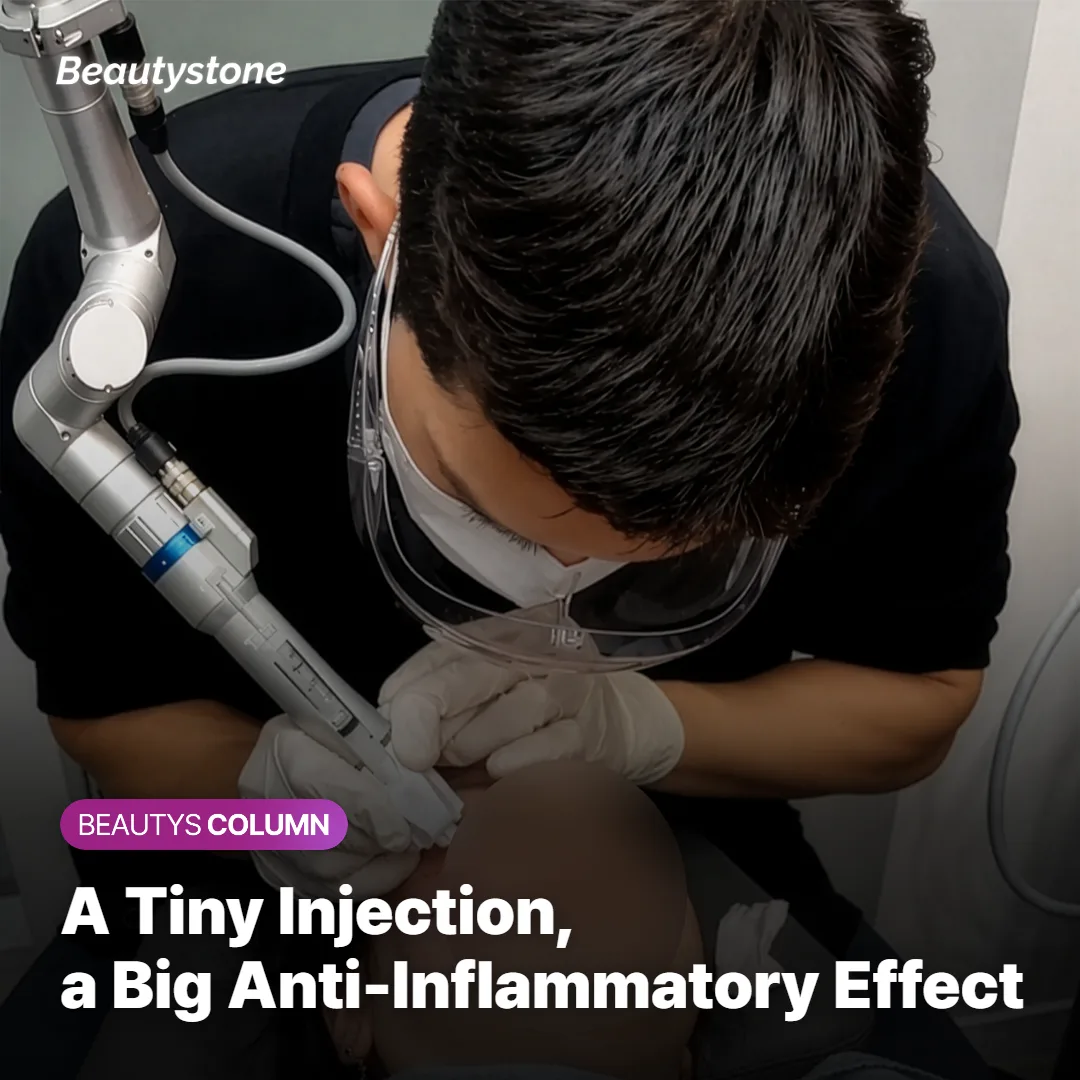
The whole visit is quick. Your provider injects a small volume directly into the lesion, and that's it — no real downtime, no bandages, nothing to plan your week around.
What to Expect: Timeline
Results tend to show up fast, though the exact timing depends on how inflamed the spot was to begin with. Some people notice less redness and swelling within a day or two. Most people see a clear improvement within about two to three days. A large, deeply inflamed lesion may take a little longer to fully settle than a smaller one.
Individual results vary, and this isn't a treatment you repeat on a schedule — it's used as needed, spot by spot, which is exactly why the next section matters.
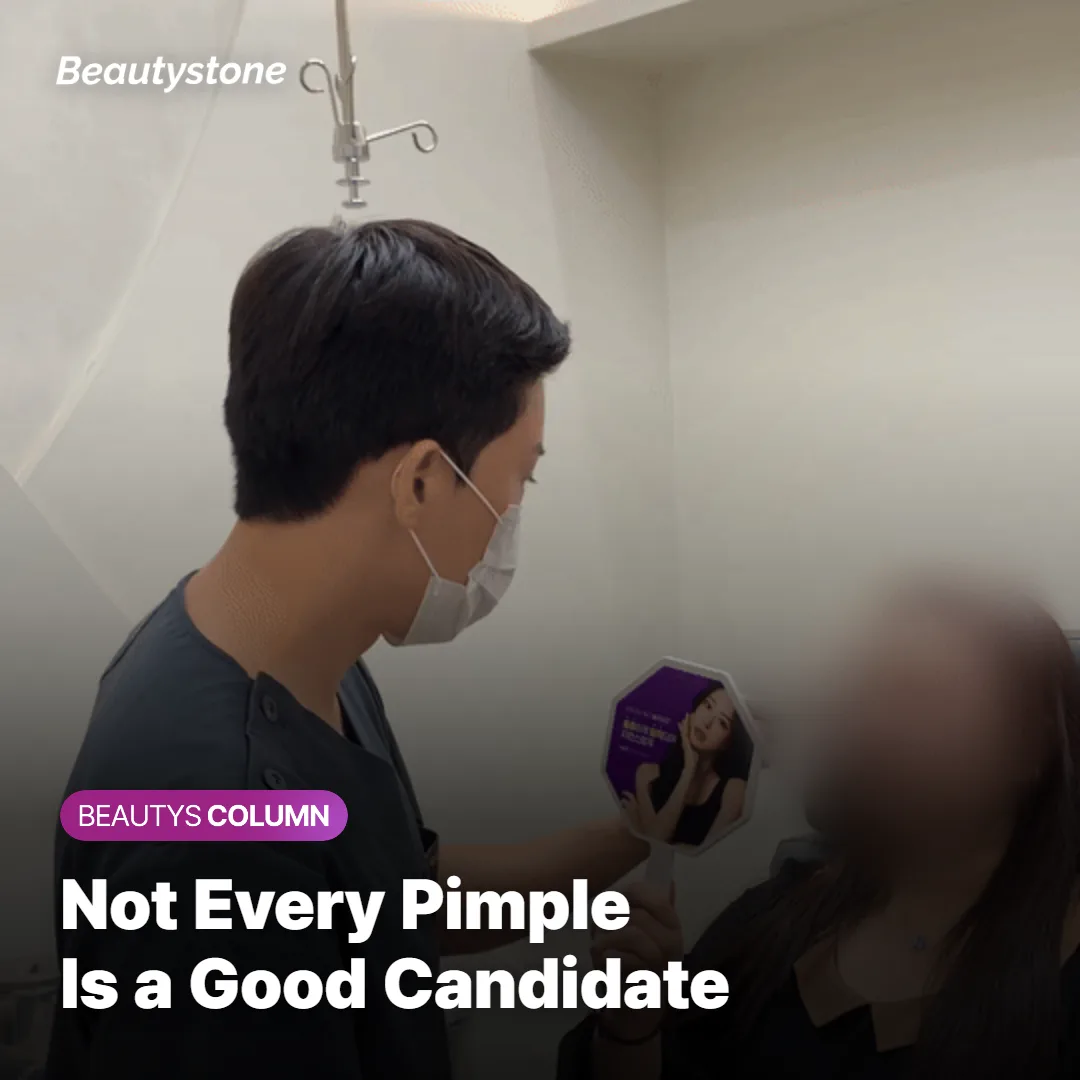
Does It Work for Every Type of Acne?
Here's the checkpoint most people skip: a cortisone shot isn't the right tool for every kind of acne. Not even close. The lesion type is what determines whether this is a smart move or a waste of a trip to the clinic.
| Acne Type | What It Looks Like | Best Approach |
|---|---|---|
| Comedonal (whiteheads, blackheads) | Clogged pore, little to no redness or swelling | Extraction, exfoliation, or a retinoid — a cortisone shot isn't the right fit |
| Small inflammatory papule or pustule | Small, red, tender bump, localized | This is the sweet spot for a cortisone shot |
| Large cystic or nodular acne | Deep, swollen, pus-filled, often quite painful | A shot alone often isn't enough — may need incision and drainage, sometimes with antibiotics |
So the honest answer is: a cortisone shot shines on small, localized inflammatory acne. For comedonal breakouts, it's overkill and the wrong tool. For a large, pus-filled cyst, it may help but often isn't a complete fix on its own — that lesion may still need to be drained by a provider.
Side Effects & Risks
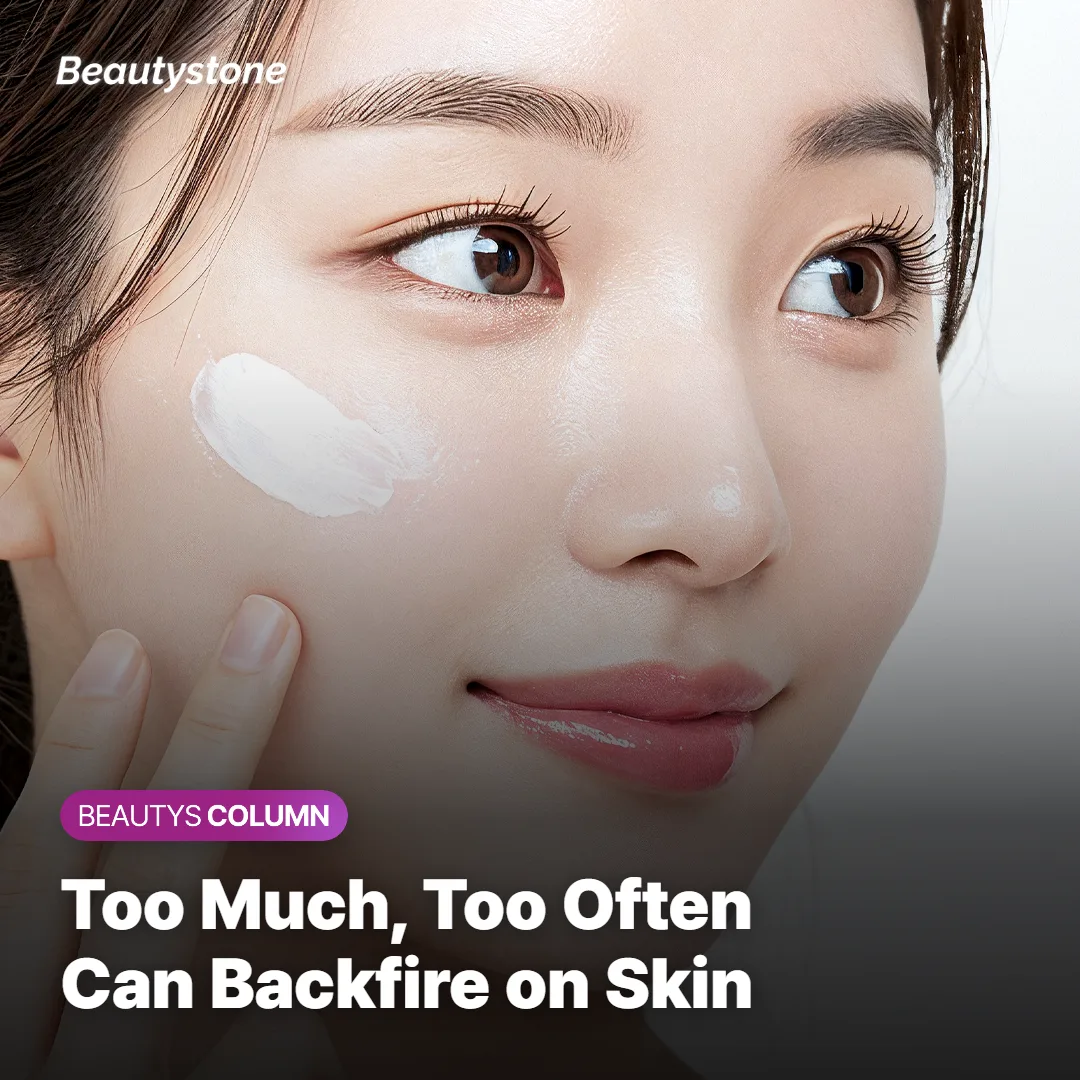
The other checkpoint is dosing, and this one's non-negotiable. The whole reason a cortisone shot works is that steroids are powerful anti-inflammatories — but that same strength is what makes getting the amount right so important.
- Atrophy: Too much steroid, or repeated injections in the same spot, can leave a small dent or depression in the skin.
- Skin thinning: Overuse can thin the treated area over time.
- Telangiectasia: Small, visible blood vessels can appear at the injection site.
These aren't common outcomes when a provider uses the right concentration and volume, but the risk climbs with repeated shots to the same spot. That's why a good provider sticks to the minimum dose needed, and only when it's actually necessary — not as a routine touch-up.
It's also worth being clear about what this treatment isn't. A cortisone shot doesn't address the root causes of acne — hormones, oil production, or habits that clog pores. It calms down inflammation that's already there. If breakouts keep showing up in the same area, that's a sign the underlying cause still needs attention, not just another injection. If you notice a dent, unusual discoloration, or swelling that's getting worse instead of better, contact your provider right away.
How Much Does It Cost?
Pricing for an acne cortisone shot varies quite a bit by clinic, and by how many lesions get treated in a single visit — some places charge per lesion, others build it into a broader acne consultation. Because it's often paired with other treatments (extractions, chemical peels, or skin boosters, depending on what your skin needs), the total for a visit can look pretty different from one plan to the next.
A consultation is really the only reliable way to get an accurate number for your situation — see current offers at /en/promotion or check /en/price for general pricing information.
The Bottom Line
A cortisone shot can take a painful, swollen pimple down a notch in a day or two, and that's genuinely useful when you need it. But it works best on small, localized inflammatory acne — not on early comedonal breakouts, and not as a standalone fix for a large, pus-filled cyst. Dosing matters, too: more isn't better, and repeated shots to the same spot raise the risk of side effects like atrophy or thinning skin.
Like any procedure, it comes with trade-offs, and it isn't a substitute for a broader acne plan that addresses what's causing the breakouts in the first place. Ultimately, the choice depends on what your skin is dealing with and what your provider recommends after actually looking at it. If you're dealing with a stubborn breakout, a consultation is the best way to find out what fits you. Beautystone is a dermatology clinic in Seoul's Hapjeong area — see current offers at /en/promotion.
Frequently Asked Questions
Q1. Does an acne cortisone shot work on every type of pimple?
No — it works best on small, inflamed papules and pustules. Early comedonal acne (whiteheads and blackheads) usually responds better to extraction or exfoliation, and large, pus-filled cystic or nodular acne may need incision and drainage in addition to, or instead of, an injection.
Q2. How fast does a cortisone shot work on acne?
Many people notice less redness and swelling within a day or two, and most see a clear improvement within about two to three days. Individual results vary depending on how inflamed the lesion was to begin with.
Q3. Is it safe to get repeated cortisone shots in the same spot?
Repeated injections in the same area raise the risk of side effects like skin atrophy (a small dent), thinning skin, or visible blood vessels. Providers typically use the minimum effective dose and only inject when it's actually needed, not on a routine basis.
Q4. Will one cortisone shot stop acne from coming back?
No. A cortisone shot calms inflammation that's already there — it doesn't address the underlying causes of acne, like hormones or oil production. It works best as one part of a broader treatment plan rather than a standalone fix.