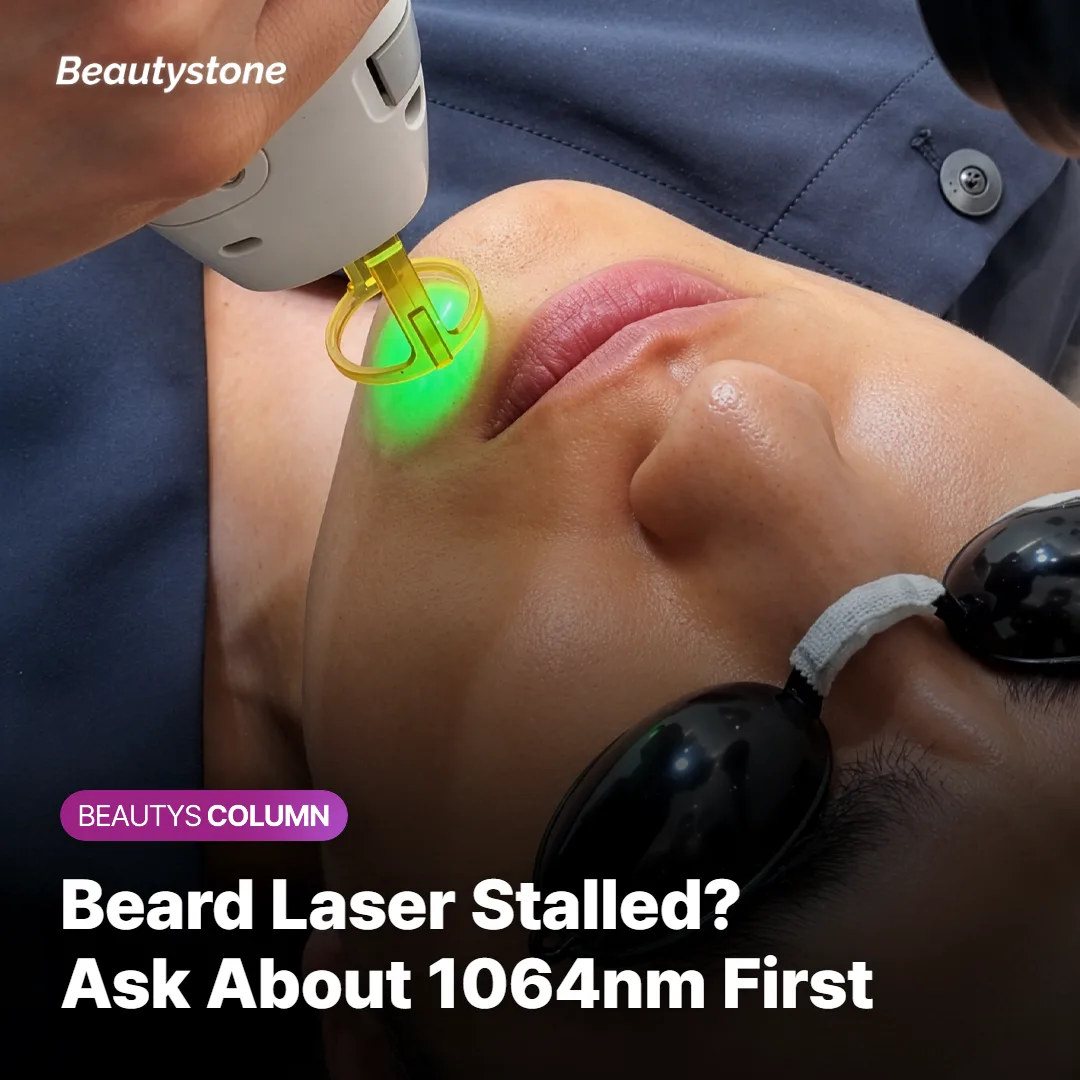
Sofwave for Beginners: What to Know First
Ultherapy, Shurink, Sofwave — if you're new to ultrasound lifting, the names alone can be confusing. Here's what makes Sofwave different, how it actually works, and what to expect before you book a first session.

If you've started researching lifting treatments, you've probably run into a wall of similar-sounding names — Ultherapy, Shurink, Sofwave — and walked away more confused than when you started. Sofwave in particular comes up constantly, but what it actually does, and how it's different from other ultrasound lifting treatments, isn't always clear.
The short answer: Sofwave uses ultrasound energy to heat the mid-dermis — a shallower target than some other devices reach — to trigger new collagen production. That single detail explains a lot about why people describe it as more comfortable, with a shorter recovery, than deeper-reaching treatments. In this article, we'll cover how Sofwave works, how it stacks up against Ultherapy and Shurink, what treatment day and recovery actually look like, and what's worth asking about before your first session.
What Is Sofwave, Exactly?
Sofwave is a non-invasive ultrasound treatment that's FDA-cleared for lifting the eyebrow and improving lines and wrinkles on the neck and décolletage. It relies on a proprietary ultrasound delivery system called SUMANO, which spreads energy evenly across the mid-dermis — roughly 1.5mm deep — rather than focusing on a single, narrow point.
That depth is the whole story. As skin ages, the collagen and elastic fibers packed into the dermis gradually break down, which is a big part of why skin loses firmness over time. Sofwave's approach is to deliver a controlled burst of heat at that specific depth to kick-start the skin's own repair process, rather than reaching further down toward the muscle layer the way some deeper ultrasound devices do.
How Does Sofwave Trigger Collagen Renewal?
The mechanism itself is fairly simple, at least in concept. When ultrasound energy heats the collagen and elastin fibers in your mid-dermis, your skin reads that heat as a minor injury — not unlike a small wound — and switches on a repair response. Producing new collagen is part of that response.
Skin is made up of three main layers: the epidermis on the surface, the dermis underneath (where collagen and elastin do most of the structural work), and a deeper fatty layer below that. Ultrasound-based lifting treatments are built to hit that dermis layer precisely. Too shallow, and you're really only affecting the epidermis. Too deep, and you skip past the collagen-rich tissue and land in muscle or fat instead.
Sofwave's mid-dermis target is meant to sit in that sweet spot — enough heat to meaningfully stimulate collagen, without going so deep that comfort and recovery take a hit. That said, new collagen doesn't show up overnight. It takes weeks to months for those fibers to mature and for visible firming to become noticeable, so the effect builds gradually rather than appearing the moment you leave the treatment room.
Sofwave vs. Ultherapy vs. Shurink: What's the Difference?
Ultrasound lifting sounds like one category, but Sofwave, Ultherapy, and Shurink don't all do the same thing. Each one targets a different depth, and that single variable changes what they're best suited for and how the treatment actually feels.
| Feature | Sofwave | Ultherapy | Shurink |
|---|---|---|---|
| Technology | SUMANO ultrasound (mid-dermis) | HIFU (reaches toward SMAS/fascia) | HIFU (dermis to fascia, cartridge-based) |
| Typical depth | About 1.5mm | Up to about 4.5mm | Varies by cartridge depth |
| Sensation | Generally milder | More noticeable, sharper | Moderate |
| Best for | Early texture and mild firmness loss | More advanced sagging | Broader laxity concerns |
A deeper reach isn't automatically the better choice — it depends on what you're actually dealing with. If you're noticing early textural changes or mild loss of firmness, a treatment that works broadly across the mid-dermis, like Sofwave, tends to be a good match. If sagging is more advanced, something that reaches closer to the muscle layer may make more sense. This is exactly the kind of question worth bringing to a consultation rather than guessing on your own.
What to Expect: Treatment Day and Recovery Timeline
Here's what a typical first Sofwave session looks like, start to finish:
- Consultation: Your provider checks your skin and talks through what you're hoping to address.
- Numbing cream: Applied beforehand to take the edge off any discomfort.
- Treatment: Usually around 30 minutes, depending on the area.
- Cooldown: A brief period to calm any warmth or redness before you leave.
- Back to your day: Most people head straight back to work or errands afterward.
Right after treatment, mild redness, warmth, or slight puffiness is common — and it's usually gone within a few hours to a day. What you won't see right away is the actual lifting effect. Since results depend on new collagen forming, most people notice gradual improvement over the following weeks, with changes continuing to build for a few months.

Side Effects & Downtime: What's Normal, What's Not
Sofwave has a reputation for being an easier first treatment, and the downtime backs that up. Mild redness, a warm sensation, or light swelling right after your session is typical, and it tends to settle within a few hours to a day for most people.
For the first few days afterward, it's worth skipping saunas, steam rooms, and intense workouts — anything that significantly raises your skin temperature or blood flow isn't necessary right when your skin is starting its repair process. Sunscreen matters more than usual during this window too. Newly stimulated collagen is more vulnerable, and unprotected UV exposure can slow down how well your results settle in.
Individual results and sensitivity vary, so let your provider know if you have particularly reactive skin — settings can often be adjusted. Serious complications are rare with Sofwave, but as with any energy-based treatment, pay attention to how your skin responds. If you notice blistering, redness that doesn't fade after several days, or pain that's getting worse instead of better, contact your provider right away.

Is Sofwave Right for You?
Sofwave tends to work best for people who are noticing early signs of skin texture changes or mild loss of firmness — the kind of thing you catch in photos before it's obvious in person. It's often a comfortable entry point for first-timers who are curious about lifting treatments but wary of anything that sounds intense.
It's not necessarily the right fit for more advanced sagging, where a treatment that reaches deeper toward the muscle layer may be more appropriate. Everyone's skin, goals, and timeline are different, which is exactly why an in-person evaluation matters more than trying to match your situation to a table online.
Cost is another common question, and it genuinely varies by clinic, treatment area, and how many sessions your provider recommends. Rather than guessing at a number, a consultation is the most reliable way to get pricing that actually applies to you — you can see current offers at /en/promotion.
The Bottom Line
Sofwave uses ultrasound energy to heat the mid-dermis — a shallower, broader target than some other ultrasound lifting devices — to trigger new collagen production. That shallower approach is generally why people describe it as more comfortable, with less downtime, though results still take weeks to months to fully show up.
Like any procedure, it comes with trade-offs: you'll need patience for full results, and it may not be the strongest option if you're dealing with more advanced sagging. Ultimately, the choice depends on your skin, your goals, and how your concerns compare to what a treatment like Ultherapy or Shurink is built to address.
If you're considering Sofwave, a consultation is the best way to find out what actually fits your skin. Beautystone is a dermatology clinic in Seoul's Hapjeong area — see current offers at /en/promotion.
Frequently Asked Questions
Q1. Does Sofwave Hurt?
Most people describe it as mild warmth or brief discomfort rather than real pain, especially compared to deeper-reaching ultrasound treatments. Numbing cream is typically applied beforehand, and your provider can adjust the intensity if a spot feels too warm.
Q2. Is One Sofwave Session Enough?
A single session does start the collagen renewal process, but how many sessions you need depends on your skin and goals. Some people see enough improvement from one treatment, while others plan a follow-up session — it's worth discussing your specific concerns with your provider.
Q3. Can You Return to Normal Activities Right Away?
In most cases, yes. Downtime is minimal, and mild redness or warmth usually fades within a few hours to a day. It's best to avoid saunas and intense workouts for a few days afterward while your skin starts repairing itself.
Q4. Can You Combine Sofwave With Other Lifting Treatments?
Some people do combine treatments, but the right combination and timing depend on your skin condition and recovery needs. Rather than stacking treatments on your own, it's safer to plan any combination with your provider.