
Melasma Laser Treatment Cost: 5 to 15 Sessions
Melasma laser treatment cost depends on whether the price covers your full face or just your cheeks, and on how many sessions you need. See how to check your area, budget for sessions, and plan for upkeep.

Wi Young-jin
Chief Director, Myeongdong
Melasma laser treatment cost depends first on how much of your face the melasma covers, and then on how many sessions you need. If the patches sit only on your cheekbones, compare prices for that area. If they've spread to your forehead, upper lip, or jawline, compare full-face prices instead.
Then multiply by the number of sessions and leave room for upkeep after the course. In this article, we'll cover what an advertised price may leave out, how to gauge how far your melasma has spread, how many sessions to plan for, which reactions need a call, how a trip to Seoul fits in, and what upkeep looks like.
Quick summary
- Match the price to the area your melasma covers, then multiply by your number of sessions.
- Sessions: most laser toning studies used 5 to 15 sessions, usually 9 to 10, spaced 1 to 2 weeks apart.
- Check whether an advertised price covers the full face or only the cheeks before you compare two clinics.
- Melasma can come back within a year of finishing, so budget for sun protection and maintenance as well.
Is the Advertised Melasma Laser Price for the Full Face?
A single per-session price often doesn't tell you whether it covers your whole face or only the patches on your cheeks. So the first question to ask is a simple one: what area does this price cover? Even with the same laser toning, two prices that cover different areas can't be lined up side by side.
Laser toning is sometimes done by passing over the whole face evenly and then adding extra passes where the melasma is darkest. A review that pooled 42 laser toning studies lists one study that made 2 passes over the whole face and then 4 to 8 more over the melasma itself. With that approach, a cheeks-only price and a full-face price describe different work.
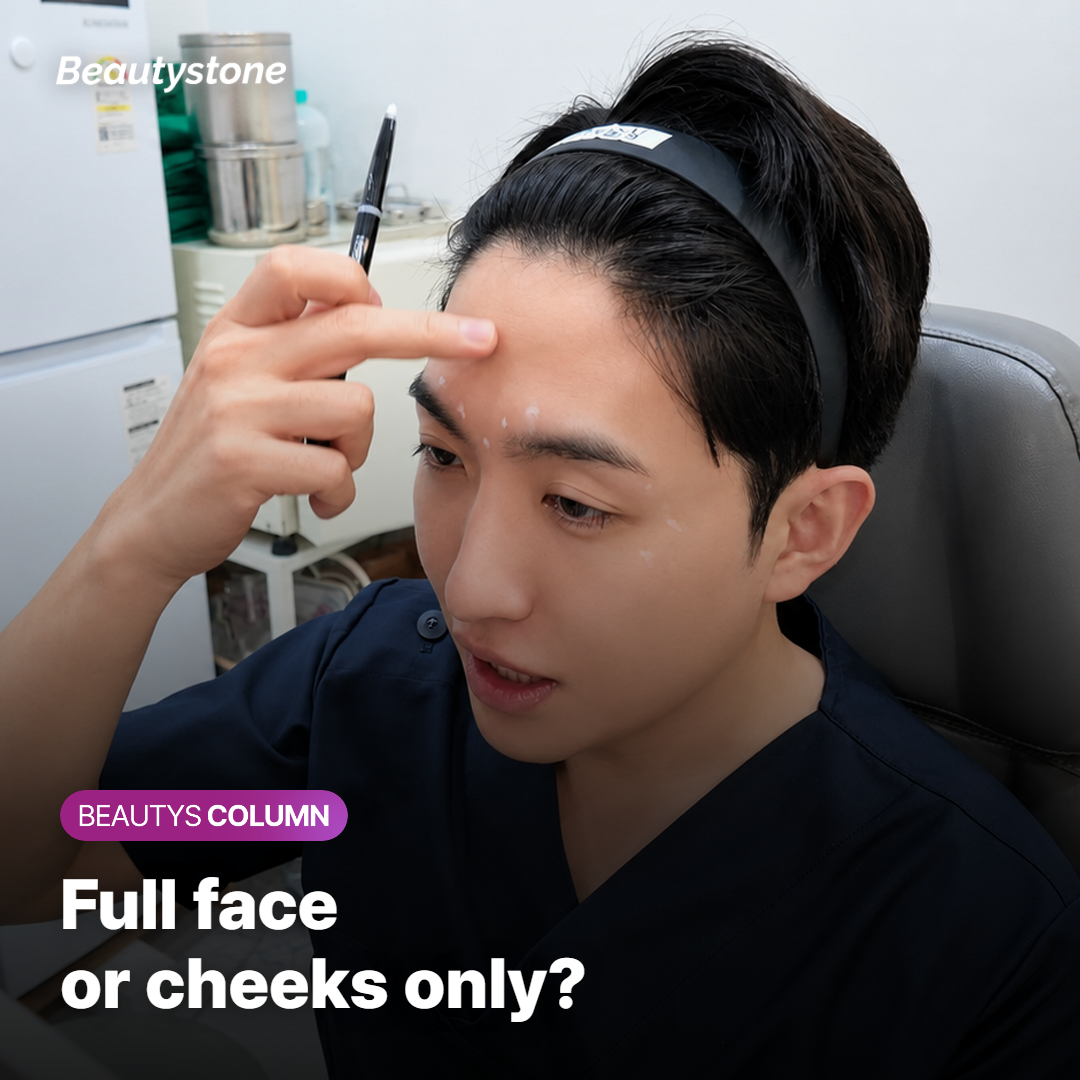
Cheek Melasma Only? How to Tell If You Need Full-Face Pricing
If your melasma is concentrated on your cheekbones, start by comparing area-based prices. If faint patches also reach your forehead, the space between your brows, your upper lip, or your jawline, full-face pricing is the fairer comparison. Melasma commonly shows up on the cheeks, forehead, chin, and above the upper lip, so the real area can be wider than what you notice in the mirror*.
*Based on American Academy of Dermatology guidance on melasma
Melasma is often grouped by location. The central pattern covers the forehead, the area between the brows, the nose, cheekbones, upper lip, and chin, while the outer pattern covers the temples, the area in front of the ears, and the jawline. In one study of Brazilian women, the central pattern made up just over half of cases, and a mix of both patterns made up more than 40%.
Take photos without makeup in natural light, from the front and from both sides. If you spot light brown patches near your temples or along your jaw too, a total based on a cheeks-only price will likely fall short.
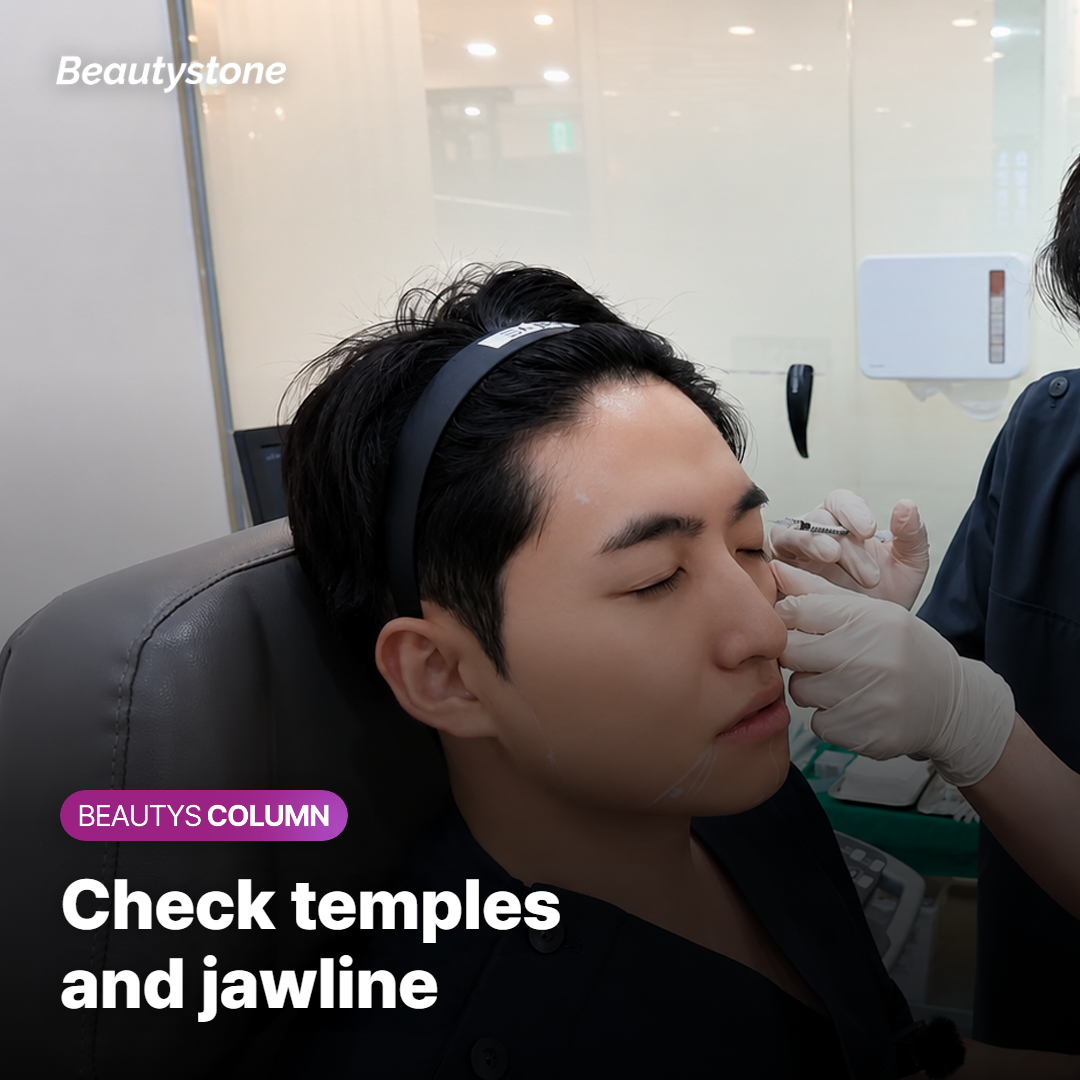
How Many Melasma Laser Sessions Should You Budget For?
Plan within a range of 5 to 15 sessions spaced 1 to 2 weeks apart, and use 9 to 10 as a working midpoint. Laser toning fades melasma gradually with low energy rather than removing it in one go, so the session count moves your total more than anything else. Individual results vary.
Spacing sessions too closely, or adding too many, can build up energy in the skin and leave white, blotchy spots. That's why it's safer to agree up front on the session where you'll compare photos than to keep adding sessions.
| Sessions | What to check | What to look for in the price |
|---|---|---|
| 1 to 4 | How your skin reacts at 1- to 2-week intervals | Per-session price and the area covered |
| 5 to 10 | Progress compared around sessions 9 to 10 | Sessions included in the package |
| After the course | Whether the color starts to come back | Price of extra or maintenance sessions |
If you're weighing a single session against a 10-session package, check that both cover the same area first. A package only saves money if it covers the same area at the same spacing.
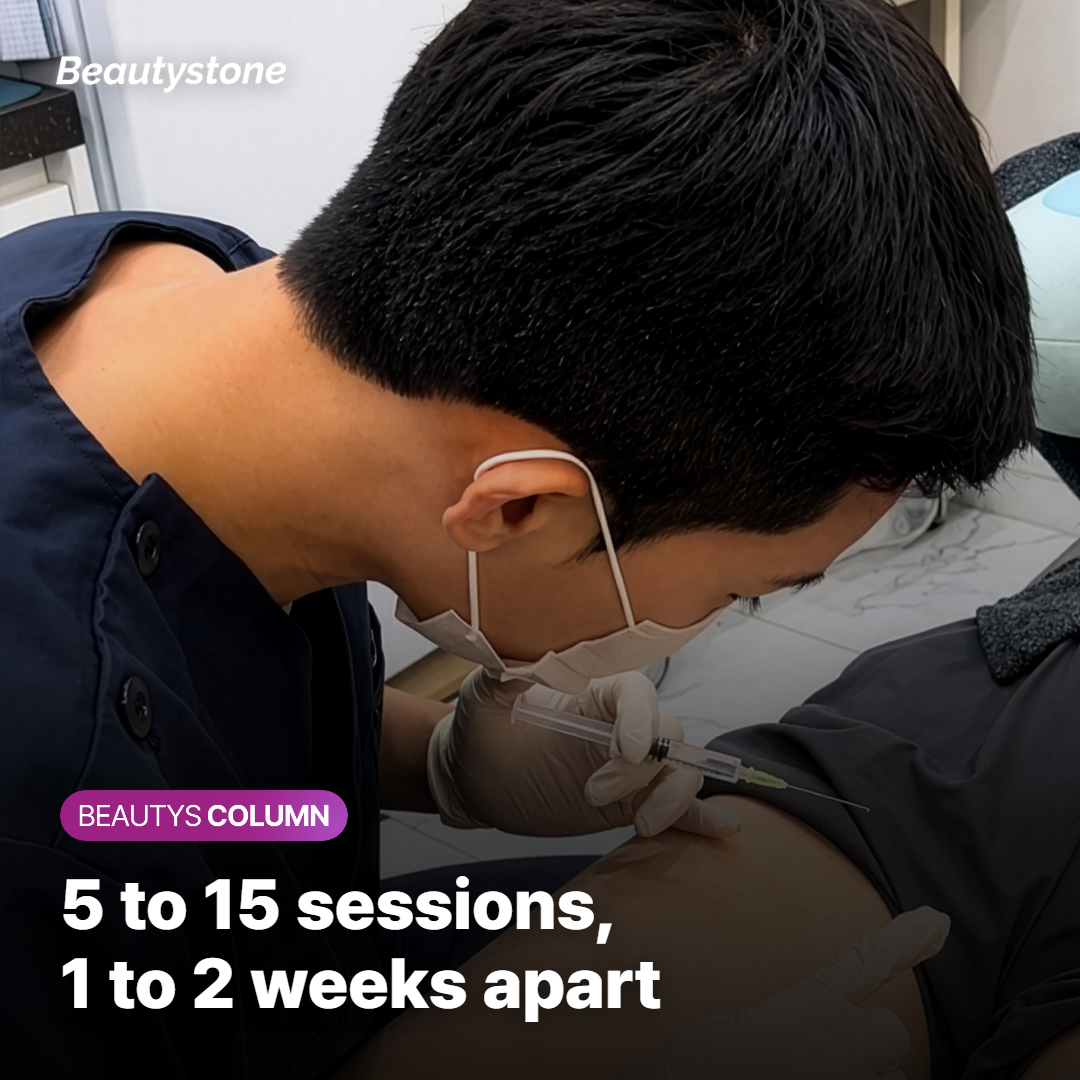
Melasma Laser Side Effects: What Passes, What Needs a Call
Brief redness and swelling right after a session are the reactions reported most often after laser toning, and they settle soon. Less often, the skin color itself changes, and this has been seen more in people with darker skin. If you notice either of the changes below, tell the clinic before your next session.
- White, blotchy spots on or around the melasma
- Melasma that looks darker than it did before treatment
Used too aggressively, even laser toning can trigger inflammation that darkens the skin. If these changes appear, the next session should be postponed and the energy and spacing reset.

Melasma Laser Treatment on a Trip to Seoul: Flights, One Visit, Home
Apart from a day when you've had sedation, there's no need to postpone your flight because of a laser toning session. While you're traveling, keep the treated skin out of direct sun and keep reapplying sunscreen.
Be realistic about what one visit can do. Some treatments, like filler, change shape the same day. Melasma toning works over a series of sessions spaced 1 to 2 weeks apart, so one visit on a short trip is a single step rather than the whole course, and change tends to come little by little.
Once you're home, you can send photos to the clinic through the consultation button on this page if something worries you. If a reaction looks severe, see a local doctor first rather than waiting for a reply.
Upkeep After Melasma Laser Treatment: Budget for It Now
It's safer to include upkeep in your first estimate. In a study of 34 people who had 6 to 10 toning sessions (a median of 8) two weeks apart, melasma came back in 20 of them (58.8%) within a year.
In another study, 40 women had 9 sessions, and the 21 who were followed for a year kept their lighter skin. Because results differ between studies, setting aside a line for a possible return keeps your total realistic.
If melasma darkens again, look at your sun exposure and the products you use before adding sessions. Daily broad-spectrum sunscreen and a wide-brimmed hat are the foundation, because sun brings faded melasma back.
The Bottom Line: Area First, Then Sessions
If your melasma sits only on your cheekbones, start with the area price times your sessions. If it reaches your forehead or jawline, start with the full-face price instead. Either way, the per-session price only makes sense once you know the area and roughly how many sessions you're paying for.
Before you decide, ask which area your price covers and how many weeks apart your sessions would be. Those two answers explain most of the gap between a small total and a large one. Beautystone is a clinic in Seoul's Hapjeong area.
References
- A review of 42 laser toning studies for melasma: sessions, spacing, side effects, and recurrence, Medicina, 2022
- How often melasma returned within a year after 6 to 10 toning sessions, J Cosmet Dermatol, 2016
- Melasma results one year after 9 laser toning sessions, Lasers Surg Med, 2022
- Where melasma appears on the face and how its patterns are grouped, An Bras Dermatol, 2014
- Where melasma appears, why it comes back, and treatment during pregnancy, American Academy of Dermatology
- The roles of sun protection, skin medicine, and lasers in melasma treatment, American Academy of Dermatology
Frequently Asked Questions
Q. How long does it take to see results from melasma laser treatment?
A. Melasma treatment usually takes 3 to 12 months to show results when you follow your treatment plan. It may take longer if you've had melasma for a long time. That's why it helps to compare photos at a session you agreed on, rather than stopping after two or three visits.
Q. Why is sunscreen stressed so much during melasma treatment?
A. Sunscreen protects the progress you've made, which is why it's stressed during melasma treatment. Sunlight pushes the pigment cells in your skin to make more color. Skin that's just been treated is also more reactive, and skipping protection can let the color return to areas that had faded.
Q. Can I start melasma laser treatment in summer?
A. You can start melasma laser treatment in summer as long as you use sunscreen every day and wear a wide-brimmed hat. Many people with melasma notice their patches look darker in summer and fade in winter. If you spend long hours outdoors, be extra careful with sun protection between sessions.
Q. Should I try an over-the-counter melasma cream first?
A. If you try an over-the-counter melasma cream, use it for no longer than 3 to 6 months, and see a doctor if it hasn't faded by then. Melasma treatment usually starts with sun protection and creams. A few studies found that adding a laser helped people who were already using medicine and protecting their skin from the sun.
Q. Can laser treatment get rid of melasma for good?
A. Laser treatment can fade melasma, but no treatment makes it go away forever, and it can come back. It's especially likely to return if you spend time outdoors without sun protection. That's why sun protection and an upkeep plan belong in your budget from the start.
Q. Is melasma laser treatment riskier for darker skin?
A. With darker skin, white blotchy spots or rebound darkening need closer attention during melasma laser treatment. In a review of laser toning studies, these reactions were rare but more frequent in darker skin types. For this skin, keeping the energy and spacing conservative comes first.
Q. I got melasma during pregnancy. Should I treat it right away?
A. Melasma that appears during pregnancy is best treated after your baby is born. For some women it fades or even goes away after giving birth or after stopping birth control pills. If it's still there after the birth, that's the time to look at how far it has spread and plan sessions.
Q. Does long-standing melasma cost more to treat?
A. Long-standing melasma can take longer to show results, so it's wise to plan a longer budget. Melasma that has been there for many years can be harder to improve, which is why treating it sooner is recommended. If yours has been around a while, include upkeep along with your sessions when you do the math.