Skin Booster: Who Should Avoid or Wait?
Skin boosters are a low-risk treatment for most people, but a few situations — active breakouts, a cold sore flare, pregnancy, or blood thinners — call for waiting first.

If you've been eyeing a skin booster appointment but you're dealing with a breakout, a cold sore, or you're expecting, you're probably wondering whether now's actually a good time. The short answer? For most people, a skin booster is a low-risk, well-tolerated treatment — but a few situations call for hitting pause first. In this article, we'll cover who should wait, what can happen if you don't, and how to tell when your skin is ready to try again.
What Is a Skin Booster, and Why Does Timing Matter?
A skin booster is an injectable treatment — usually hyaluronic acid (HA) or polynucleotides (PN, the active ingredient in Rejuran) — delivered directly into the dermis, the layer just beneath your skin's surface. It's not a serum or a cream sitting on top of your skin. It's going into it.
That distinction matters. The dermis is where collagen, blood vessels, and nerve endings live, so whatever's happening in that layer at the time of treatment affects how your skin responds and heals afterward.
Because a needle is passing through the skin barrier, an active infection or inflammation at the injection site is a bigger deal than it would be for, say, a moisturizer. One clinical review of injectable procedures lists active infection at the treatment site — including cold sores around the mouth — and known allergies to the injected material among the main reasons to screen patients before treatment. That's exactly why checking your skin's condition comes before the appointment, not after.
Who Should Wait Before Getting a Skin Booster?
A skin booster isn't a "some people can never get one" situation — it's mostly about timing. Here's who typically needs to wait:
- Active breakouts or inflamed skin: If the treatment area has active acne, redness, or an unhealed wound, adding needle trauma on top can slow healing and make irritation worse.
- Cold sores (herpes simplex) around the mouth or nose: If you get recurring cold sores, treatment near that area during a flare can trigger a new outbreak. Wait until it's fully cleared.
- Pregnancy or breastfeeding: Safety data on injectables during pregnancy and breastfeeding is limited, so most providers recommend waiting.
- Blood thinners or a bleeding disorder: If you're on an anticoagulant, or you bruise and bleed easily, you're more likely to see bruising or prolonged bleeding at the injection sites. Don't stop any medication on your own — flag it with your provider first.
None of these rule you out for good. They just mean the timing needs a second look.
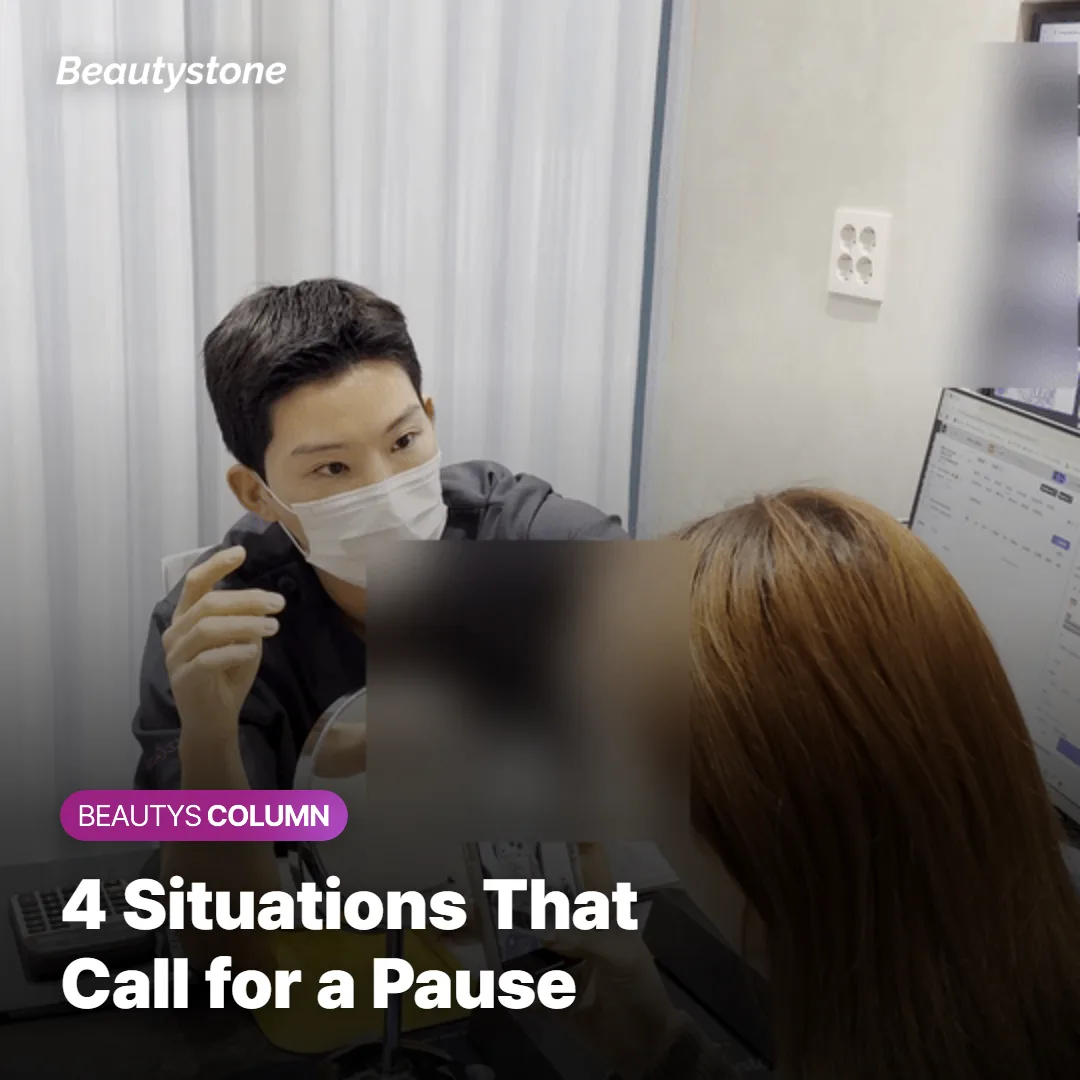
Delay or Proceed? A Quick Reference
Here's a rough guide to how these situations typically get handled. Your actual treatment plan should always come from a consultation, not a table.
| Situation | What Typically Happens | Why |
|---|---|---|
| Active breakout or inflammation at the site | Wait until it clears | Extra trauma can slow healing |
| Active cold sore (herpes simplex) | Wait until symptoms fully resolve | Treatment can trigger a new outbreak |
| Pregnancy or breastfeeding | Usually recommended to wait | Limited safety data |
| Taking a blood thinner | Talk to your provider first | Higher bruising and bleeding risk |
| Skin at baseline, no flare-ups | Good candidate | No extra risk factors present |
These are general patterns, not hard rules for every case. If you're taking any medication or managing an ongoing condition, mention it at your consultation.
What Are the Risks of Getting Treated During a Flare-Up?
So what actually happens if you go ahead and get treated on compromised skin? Redness and swelling are common after any skin booster and usually settle within a few days on their own. But layering needle trauma on top of active inflammation or a breakout can stretch out that recovery window and make irritation more noticeable.
Around the mouth, treating over an active cold sore carries a specific risk: the trauma from injections can trigger a new outbreak, sometimes a more uncomfortable one than the last.
And if you're on a blood thinner and didn't flag it beforehand, expect more bruising than usual — not dangerous, but not exactly what you signed up for either.
If you notice spreading redness, worsening pain, or fever after any injectable treatment, contact your provider or seek medical care right away. That's not a normal part of recovery.
When Can You Try Again?
Once whatever was holding things up has settled, most people can move forward without much of a wait. The main thing to check is whether your skin — and your body — is back to its usual baseline.
- The breakout or irritation has cleared and your skin tone looks normal again — a sign inflammation has settled.
- Any cold sore symptoms, including blisters and tingling, are completely gone — the active phase has passed.
- If a medication adjustment was needed, that conversation with your provider is done.
How long that takes varies from person to person. A deep breakout or a cold sore that just cleared up might need a little extra buffer before you rebook. If you were waiting out pregnancy or breastfeeding, loop in your provider once that period ends so you can figure out timing together.

Is Now the Right Time for You?
Most people considering a skin booster fall into the "good candidate, any time" category — no active flare-ups, no relevant medications, nothing that needs a second look. If that's you, timing isn't really a variable.
If you're not sure where you land, that's exactly what a consultation is for. A provider can look at your skin in person, ask about anything you're taking, and tell you whether today's a good day or whether it's worth circling back in a week or two.
The Bottom Line
- A skin booster is a low-risk treatment for most people, but timing matters because it's injected into the skin, not applied on top of it.
- Active breakouts, active cold sores, pregnancy or breastfeeding, and blood thinners are the main reasons to wait.
- None of these are permanent conditions — once your skin or situation settles, you can typically move forward.
Like any procedure, it comes with a few trade-offs, and knowing when to wait is part of getting a good result. Ultimately, the right timing depends on your skin, your health history, and what your provider sees at your visit.
If you're considering a skin booster, a consultation is the best way to find out whether now's the right time for you. Beautystone is a dermatology clinic in Seoul's Hapjeong neighborhood — see current offers at /en/promotion.
Frequently Asked Questions
Q1. Can I get a skin booster if I have an active breakout?
It's best to wait. If the treatment area has active acne or inflamed skin, adding needle trauma on top can slow healing and make irritation worse. Once your breakout clears and your skin's back to its usual tone, you're typically good to go. If breakouts are a recurring issue for you, it's worth bringing up at your consultation.
Q2. Is it safe to get a skin booster while pregnant or breastfeeding?
Most providers recommend waiting. Safety data on injectables during pregnancy and breastfeeding is limited, so unless there's an urgent reason to treat now, it's simpler to hold off until that period is over. Talk to your provider about timing once you're ready to revisit it.
Q3. I'm on blood thinners — can I still get treated?
Possibly, but don't stop your medication on your own to make it happen. Blood thinners raise the chance of bruising or prolonged bleeding at the injection sites, so your provider needs to know before you're treated. In many cases, treatment can still move forward with a few extra precautions.
Q4. How long should I wait after a cold sore clears up before booking?
Wait until the blisters and any tingling or soreness are completely gone, not just scabbed over. Treating that area too soon can trigger a new outbreak. If cold sores tend to come back for you, mention it at your consultation so your provider can plan around it.