Shurink Cost: 3 or 6 Months Between Sessions?
Your yearly Shurink total is the per-session price times the sessions you book in a year, and the interval sets that count. Here's how long one session's change held in a study, why more shots don't stretch the gap, and what a yearly quote should spell out.
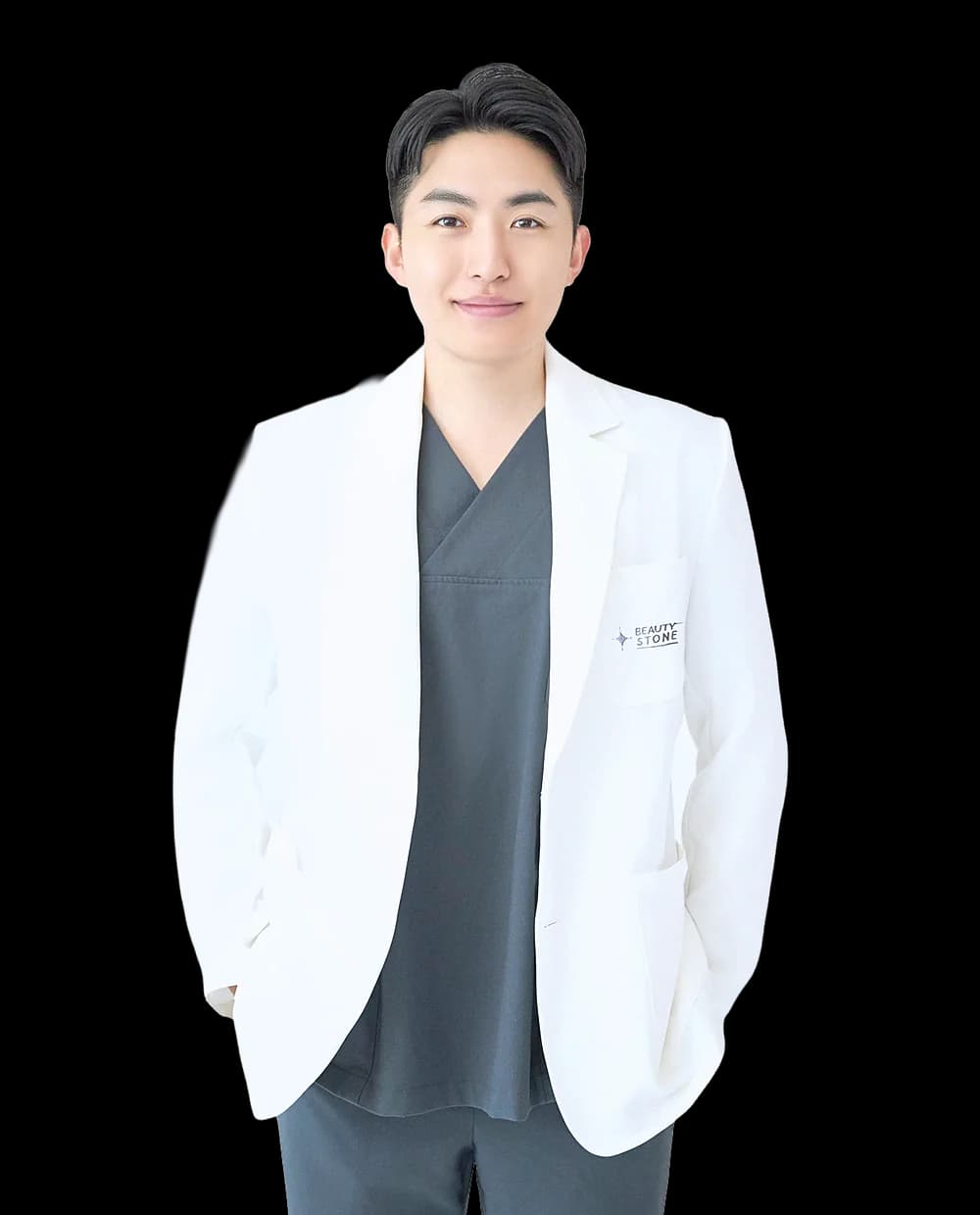
Wi Young-jin
Chief Director & CEO, Myeongdong
Your yearly Shurink cost is the price of one session multiplied by the number of sessions you book in a year, and the interval between sessions sets that number. The change from this kind of ultrasound lifting builds over a few months and then slowly fades, so how long you wait before the next visit tends to move your yearly total more than a small difference in the price of one 300-shot session.
Shurink (Ultraformer MPT) is a HIFU (high-intensity focused ultrasound) treatment, and it's usually booked as repeat maintenance rather than a one-off. In this article, we'll cover how to read your own interval, what a shorter gap adds to the yearly count, whether more shots buy you time, which reactions are normal, and what a yearly quote should spell out.
Quick summary
- Your yearly Shurink total depends less on one session's price than on the interval your face actually needs.
- Timing: in 20 Korean adults, improvement after one session of a similar device was clear at 3 months, held to 6 months, and satisfaction dropped after that.
- At 12 months, 4 of the 15 people who responded said part of the effect was still there.
- Shots: between 400 and 500 shots, the number used didn't change how much people improved.
How Do You Decide How Many Shurink Sessions You Need a Year?
Plan the next session around when the effect starts to fade, not around a fixed date on the calendar. HIFU sends focused ultrasound energy to set depths under the skin and creates tiny heated spots called thermal coagulation points. As your body repairs those spots, the tissue gradually tightens, so the change tends to show more a few months later than it does on the day.
That same repair process is why the effect doesn't stay put. Once it winds down, the tightening slowly gives way again, and the timing differs from one face to the next.
The clearest timeline comes from a Korean study of Ultherapy, a different HIFU device in the same category. Twenty adults aged 37 to 75 had one session, and all seven facial areas measured had improved by month 3 and stayed that way through month 6. After month 6, satisfaction fell in every area except the cheeks, and by month 12 only 4 of the 15 people who could be reached said part of the effect remained.
Keep in mind it was a small study with no untreated comparison group, and it didn't test Shurink itself, so its months aren't a schedule to copy. Results differ from person to person. What it does give you is a question to bring to every follow-up: is the change you saw still holding, or has it started to fade?
How Much Does a Shorter Interval Add to Your Yearly Shurink Cost?
If the price per session stays the same, a shorter interval means more sessions a year, and your total rises with it. Here's the simple math, counting one session's price as 1:
| Interval | Sessions a year | Yearly total |
|---|---|---|
| Every 3 months | 4 | 4 times one session |
| Every 4 months | 3 | 3 times one session |
| Every 6 months | 2 | 2 times one session |
| Every 12 months | 1 | 1 session |
So a plan with a slightly lower per-session price but a 3-month interval can still cost more over a year than a 6-month plan, because you'd book two extra sessions. We didn't find evidence that going back at 3 months, while the effect is still holding, adds a matching amount of improvement.
The interval can miss in both directions. Too long, and you spend more of the year with the sagging you wanted to manage showing again. Too short, and you pay for sessions on skin that was still holding the last result.
Can More Shurink Shots Push Your Next Session Back?
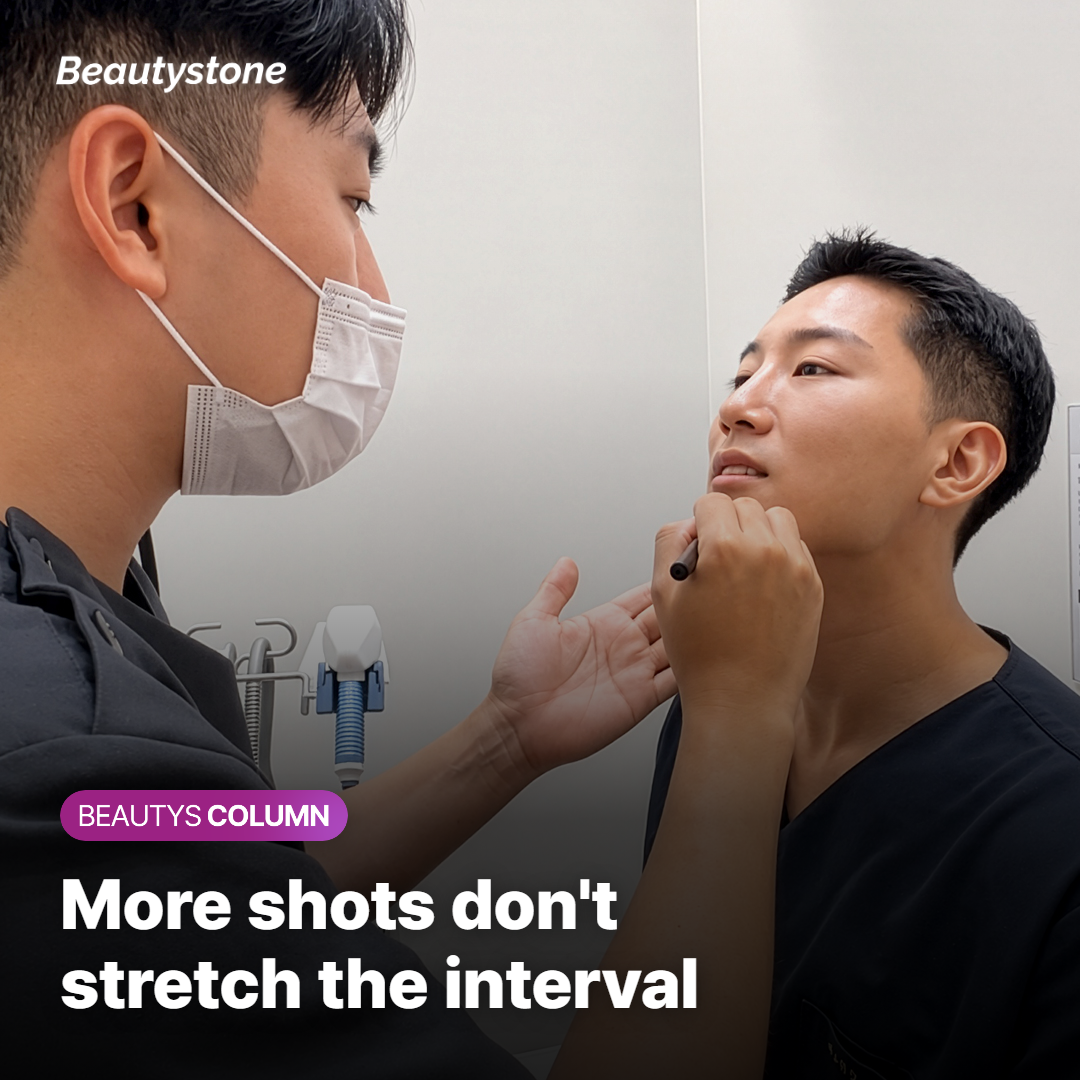
There's no evidence that a higher shot count, on its own, stretches the interval. In the Korean study above, people received 400 to 500 shots depending on face size, and both the doctors' ratings and patient satisfaction were similar whatever the number.
A survey of 13 Korean doctors shows how shot counts get set in practice:
- Fuller faces: 61.5% used upward of 450 to 600 shots
- Leaner faces: 30.8% cut back to 300 to 350 shots at lower energy
That's why the shot count is matched to how much facial fat you have and where the sagging sits, while the yearly cost is worked out separately from the number of sessions. If your cheeks are already on the hollow side, piling more shots into the deeper layer isn't the answer. Fewer shots, with another approach considered alongside, tends to suit that face better.
Shurink Side Effects: What Fades and What to Report Right Away
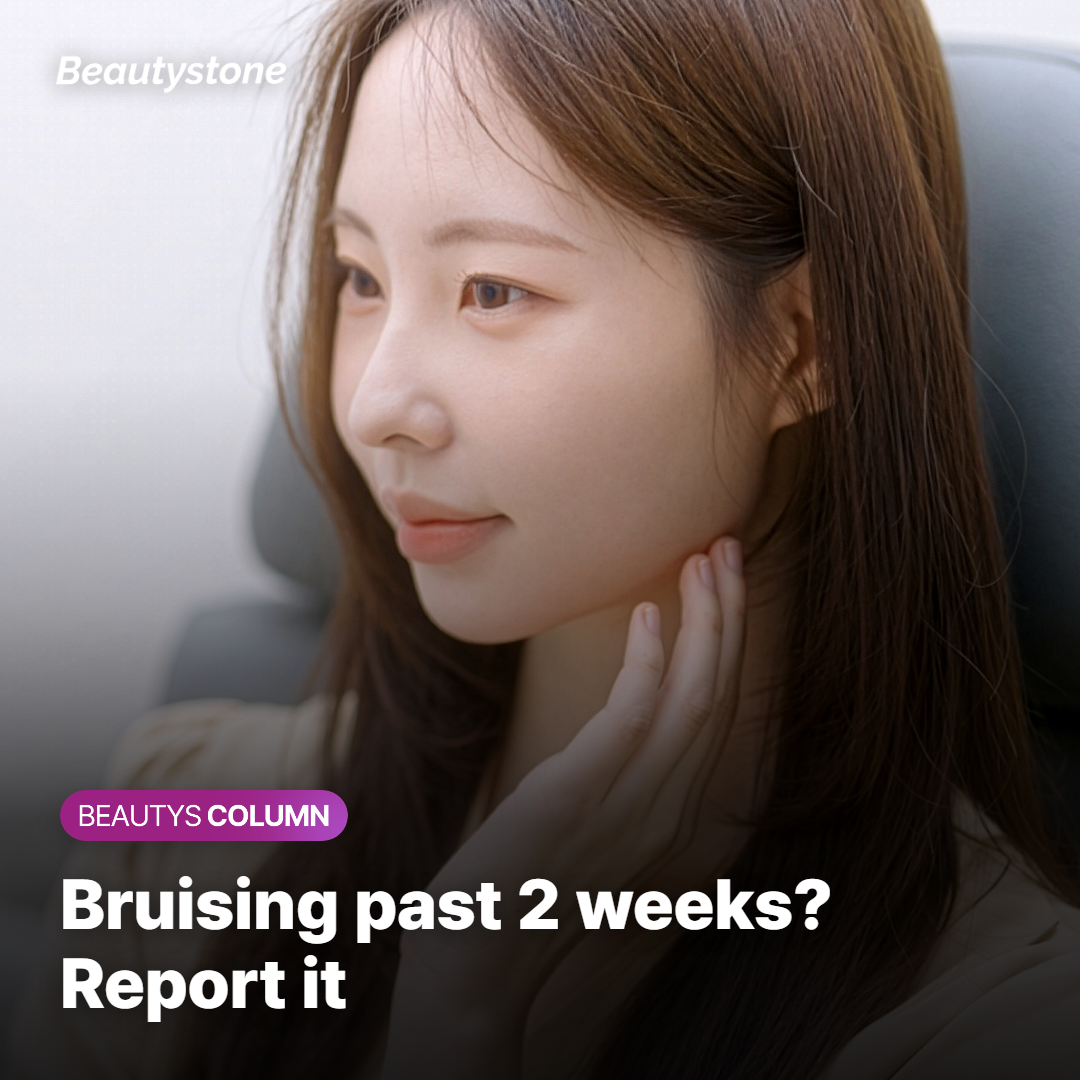
Redness and swelling are common after HIFU and tend to settle on their own. Among the 20 Korean adults described above, 6 had redness or swelling and 2 had bruising, and all of it cleared within 2 weeks. If these get worse or spread instead of fading, contact your provider right away.
Don't wait it out if you notice any of the following. Tell the clinic that treated you:
- Bruising or swelling that still hasn't eased after 2 weeks
- Stripe-like marks (striations) or blisters on the skin
- Numbness or tingling on one side of your face that doesn't go away
These are uncommon. A review of 16 studies found that numbness, bruising and stripe-like marks each showed up in about 2% of cases.
When you book the next session, mention any reaction like this from the last one. Whether energy goes back into the same spot is decided from that record.
What Should a Yearly Shurink Quote Spell Out?
Shurink's place is lighter, periodic maintenance with less burden per visit. When sagging is deeper, Ultherapy is generally the more effective option, so it's worth settling which one fits your face before you compare yearly plans.
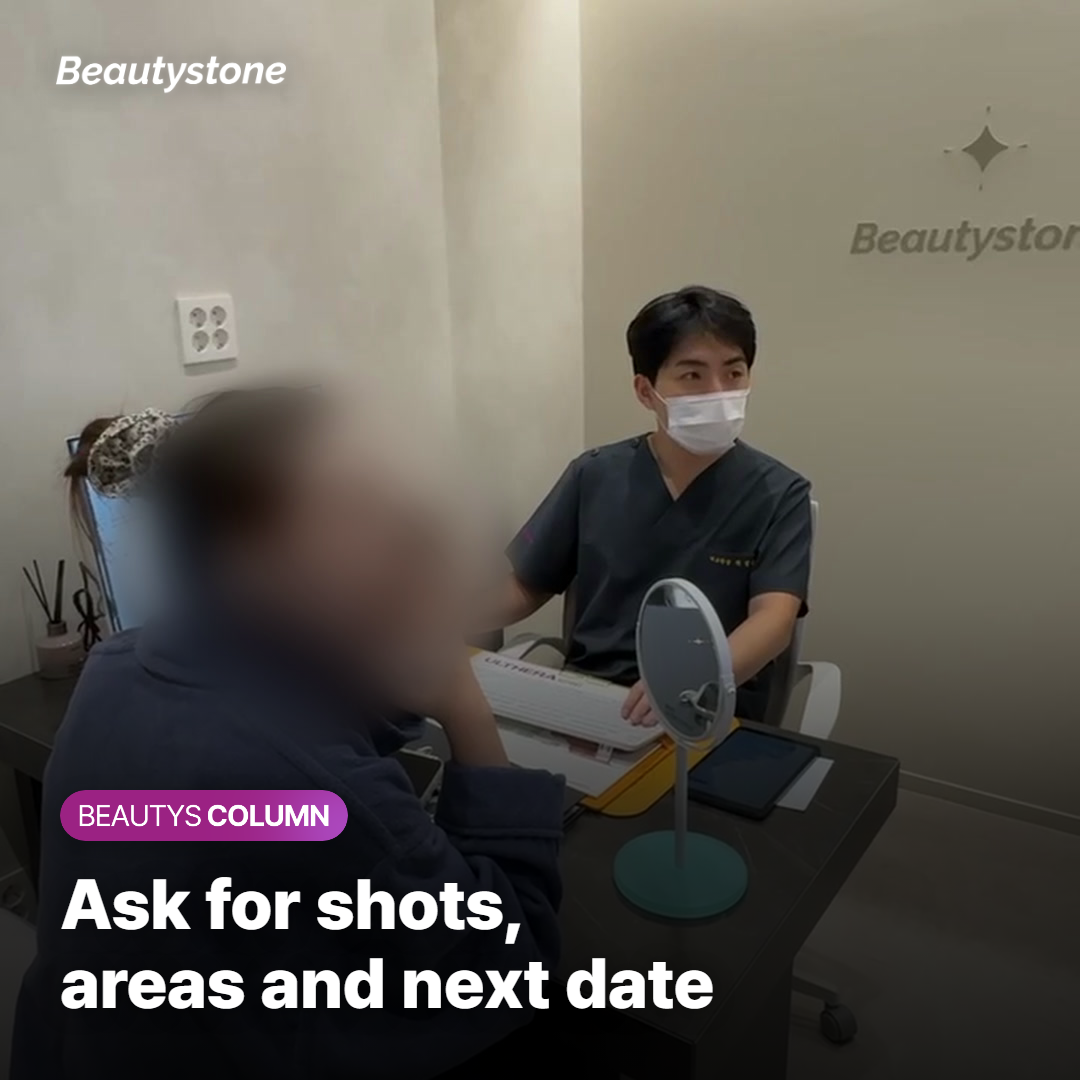
If maintenance is the goal, a quote needs three lines beyond the per-session price before you can work out a yearly total:
| Quote line | What to check | If it's missing |
|---|---|---|
| Shots and areas | How many shots go to the jawline, cheeks or forehead | You may compare it with a different treatment plan |
| Next-session timing | How many months until the next visit | You can't count sessions per year |
| Follow-up checks | Whether photos are compared at 3 and 6 months | You may pay again while the effect is still holding |
If a quote shows only a single price, ask for the other two lines before you line it up against anything else.
Shurink Within Your Travel Itinerary in Korea
Unless you had sedation that day, there's no reason to push back your flight home because of a Shurink session.
It also helps to know what one visit can do. Some treatments, like fillers, change your shape on the same day. Most others, Shurink included, don't transform things in one go; they bring you gradually closer to how you used to look, and with HIFU that change builds over the following months. How much you see depends on your skin.
If you only visit Korea once or twice a year, your trips partly set your interval. Bring the date and shot count of your last session so the plan can be built around when you'll actually be here.
Once you're home, you can send photos through the consultation button on this page if you have questions about how things are going. If a reaction looks serious, see a local doctor first rather than waiting on a reply.
The Bottom Line on Your Yearly Shurink Budget
Before you compare prices, ask one question: for my face, how many shots, and how many months until the next session? That answer turns a one-line price into a yearly figure you can set against other plans. Taking photos in the same light and at the same angle at 3 and 6 months also helps you judge your own timing.
At Beautystone, a clinic in Seoul's Hapjeong area, the doctor looks at where the sagging sits and how much facial fat you have before setting the shots and the interval. You can reach us through the consultation button on this page. In your first message, include the date and shot count of your last lifting treatment, and whether the jawline or the cheeks bother you more.
Sources
- Review of 16 studies on HIFU results and side effects — International Journal of Environmental Research and Public Health, 2023
- One HIFU session in seven facial areas of 20 Korean adults, followed for months — Annals of Dermatology, 2015
- How 13 Korean doctors plan lifting and rejuvenation treatments — Annals of Dermatology, 2025
- Results of one ultrasound lifting session followed to 1 year — Journal of Clinical and Aesthetic Dermatology, 2016
Frequently Asked Questions
Q. Does one Shurink session do anything on its own?
A. One session can bring a visible change, but expectations depend on who's judging. In a US study of 20 people who had one session of a similar ultrasound lifting device, 95% were rated as improved at 1 year by the treating doctors and by the patients themselves, while reviewers who didn't know which photos were which saw improvement in only 6 of 14 people.
Q. Do Shurink results last longer than a year?
A. There isn't follow-up data beyond a year yet. In a review of 16 studies on ultrasound lifting, the share of patients who felt improved after one session was 42% at 90 days and 53% at 360 days, and no study tracked people past that point. After a year, comparing photos is the more reliable way to judge.
Q. How far ahead of a wedding or big event should I get Shurink?
A. Leave a few months rather than booking it just before, because the change from ultrasound lifting builds gradually and isn't at its clearest right after the session. Short-term redness and bruising also need time to settle, so set the exact date with the doctor based on how your skin usually reacts.
Q. Can alternating Shurink with other lifting treatments lower my yearly cost?
A. We didn't find evidence that alternating treatments brings the yearly total down. In a survey of Korean doctors, fuller faces were often treated with ultrasound lifting plus a fat-reducing injection, while leaner faces were more often paired with radiofrequency or a volume-building injectable, so any combination is chosen from your facial fat rather than to cut cost.
Q. Does Shurink hurt?
A. Pain averaged 3.8 out of 10 across a review of 16 studies on ultrasound lifting, and in a survey of Korean doctors, numbing cream was the most common way to manage it. Sensitivity differs from person to person, so tell the doctor during the session if it feels like too much.
Q. Should I count numbing cream in my yearly Shurink budget?
A. Yes, it's safer to count it until you know. Some clinics include numbing cream in the session price and others charge for it separately, so check whether the quote lists it before you multiply by the number of sessions.
Q. Can I get Shurink while pregnant or breastfeeding?
A. We didn't find studies confirming its safety during pregnancy or breastfeeding. Tell the doctor before treatment if you're pregnant, planning a pregnancy or breastfeeding, and mention any medications and recent treatments, so the timing can be decided with that in mind.
Q. Is Shurink the same as Ultherapy?
A. They're different devices that both use focused ultrasound. Ultherapy is generally the more effective choice for deeper sagging, while Shurink tends to be used for lighter, regular maintenance with less burden per visit, so the right one depends on how much sagging you have.