Ultherapy Postpartum: 5 Signs You're Ready for Lifting
If your face feels a little looser since giving birth, you're not alone. Here's how to think about the timing and safety of Ultherapy HIFU lifting after pregnancy and while breastfeeding.
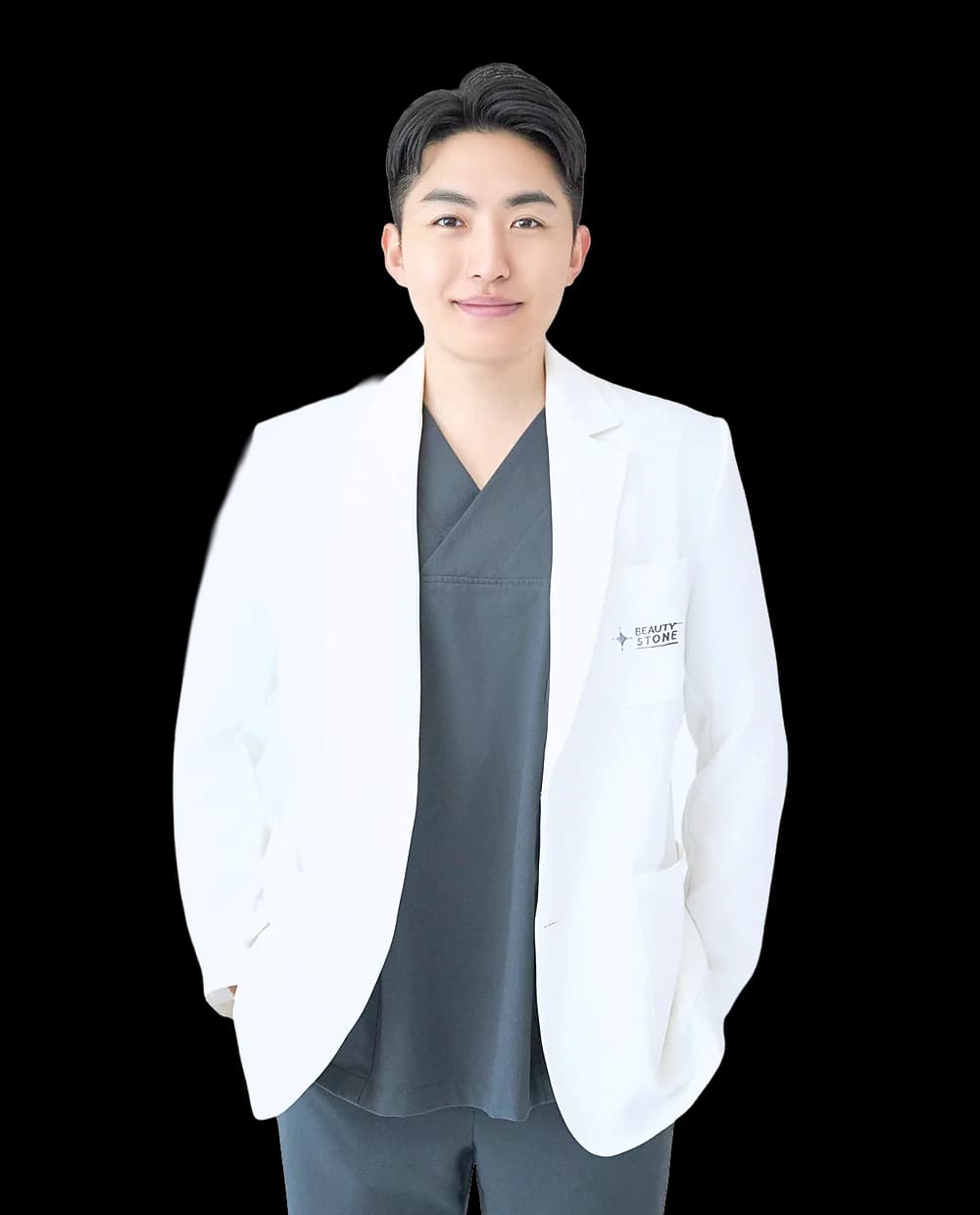
Wi Young-jin
Chief Director, Myeongdong
If you've been eyeing Ultherapy since your face started feeling looser after the baby, you've probably already run into the same advice everywhere: wait. What almost nobody explains is how long, or how to actually tell when the waiting is over. That gap is exactly what this guide is for.
Instead of handing you a fixed number of months, we'll walk through what your skin is quietly doing in the background, why breastfeeding changes the timing rather than the safety, and five practical signs that suggest you're ready to book. Think of it as reading your own recovery instead of a calendar.
Does 'wait a while' really mean do nothing?
The standard suggestion after birth is to hold off on elective lifting for a stretch, and that can land like a hard no. It isn't. The pause exists for two gentle reasons rather than any documented harm: your body is still resettling, and a fair amount of the looseness you're noticing tends to ease off on its own. Framed that way, waiting is less a restriction and more a chance to let free improvement happen before you spend on a procedure.
So the honest version is patience with a purpose. Give the natural rebound its window, keep a casual eye on how your skin responds week to week, and treat the eventual decision as something you time deliberately, not something you rush into during the most exhausting months of new parenthood.
What's behind the softer look in the mirror?
Pregnancy and the weeks after it swing your hormones hard, and those swings reach well past mood and energy. Estrogen has a say in how much collagen and moisture your skin holds onto, so when it dips and drifts after delivery, skin can briefly lose some of its spring and tautness.
Layer a few ordinary pressures on top of that, broken sleep, the physical toll of feeding, weight that climbs and drops quickly, and the change you're seeing starts to make sense. The encouraging part is how much of it is short-lived. Postpartum slackening frequently walks itself back, at least partly, as your system settles toward its old baseline over the following months. Outcomes differ from person to person, yet plenty of people watch things firm up gradually without doing a single thing.
Where does this ultrasound actually do its work?
Ultherapy belongs to the HIFU family, meaning focused ultrasound. Rather than treating the surface you can touch, it channels concentrated sound energy beneath the outer layers to a deep support sheet called the SMAS, the very scaffold a surgeon repositions during a facelift.
By depositing pinpoint spots of controlled warmth at that depth, the treatment nudges tissue to tighten a little and, across the weeks that follow, to lay down fresh collagen. None of this is overnight. Most people register a slow shift instead of a same-day reveal, and that collagen rebuilding tends to keep going for roughly two to three months after a session. How much you ultimately see comes down to your skin, your age, and how much laxity you started with.
Why is nursing a timing issue, not a drug issue?
Here's the reassuring piece up front: nothing is injected. Ultherapy delivers sound energy into the skin's deeper layers, so there's no medication being absorbed into your system and no route for it to reach breast milk the way a swallowed pill could. That sets it well apart from anything built around injectables or drugs.
Even so, most clinicians still say hold on, and the reason is caution rather than evidence of danger. Research aimed specifically at pregnant and nursing people is thin, so careful practice leans toward postponing optional cosmetic work until your recovery and hormones have levelled out. There's a practical upside too: since so much postpartum looseness fades on its own, waiting can spare you paying for something your body was already sorting out. The one rule that really matters is not deciding solo, say plainly that you're breastfeeding and let a provider weigh your specific picture before anything gets on the schedule.
Which reactions are routine, and which need a phone call?
Because no surgery is involved, recovery is usually light. It's still heat placed below the surface, though, so it helps to know the normal range in advance. Expect the usual and passing: redness, a bit of swelling, tingling, or tenderness that generally quiets down within a few days.
Less often, you might notice small patches of bruising or a temporary numb feeling across the treated zone. What shouldn't be shrugged off is a fever, redness that keeps spreading, or pain that worsens in the days afterward, those deserve a prompt call to your provider instead of a wait-and-see. Postpartum skin can also run more reactive than usual, which is one more argument for a proper consult beforehand so someone can rule out any reason to hold off.
5 signs you're finally ready to book
So when does the waiting actually end? There's no universal date, but these signals, taken together, suggest the timing has come around for you.
- You've finished breastfeeding, so the nursing-related caution no longer applies to your situation.
- Your postpartum recovery feels settled rather than still in flux from week to week.
- Your hormones have had several months to drift back toward their old baseline.
- You've given the natural rebound its chance, and whatever laxity is left is what you actually want addressed.
- You're at peace with gradual, build-over-weeks results and want a real plan instead of an overnight fix.
One more thing to sort before you commit is price. Ultherapy is quoted by how many shots you need and how much area you're covering, not as a single flat figure, and because it's elective it isn't something insurance picks up. Online numbers drift, so ask for a live quote at your consultation instead of trusting a figure you spotted in a search result.
If those signs describe where you are, a conversation is the natural next step. Beautystone is a dermatology clinic in the Hapjeong area of Seoul, and it's a place to talk through your own timing, your skin, your recovery, and your history, before you decide anything.