Post-Laser Dark Spots: 3 Ways to Cut the Risk
If a laser treatment left a brown mark behind instead of removing one, you're not alone, and it's not a sign the laser failed. Here's why post-inflammatory hyperpigmentation happens and how to prevent it.

If you got a laser treatment to fade a stubborn spot or patch of melasma, and a few weeks later a brown mark showed up in that exact same area, you're not alone, and no, the laser didn't backfire. What you're likely seeing is post-inflammatory hyperpigmentation, or PIH: a common, largely preventable reaction some skin goes through after any kind of controlled irritation, laser included.
The short version: PIH happens because your skin's pigment-producing cells overreact to irritation, not because anything went medically wrong. In this article, we'll cover why PIH shows up after laser treatments in the first place, how to prepare your skin before your appointment, exactly how strict your sun protection and skincare need to be during recovery, and what to do if a dark mark shows up anyway.
What Is Post-Inflammatory Hyperpigmentation (PIH)?
Short answer: PIH is your skin overproducing pigment in response to irritation or injury, not a sign that your treatment went wrong. After almost any kind of trauma to the skin, a breakout, a scrape, or a laser pass, pigment-producing cells in that area can go into overdrive and leave behind a flat brown or grayish-brown mark once the initial redness has settled.
That mark isn't the same thing the laser was originally targeting, which is exactly what makes it so unsettling. It can look like the old spot came right back, or even like it's darker than before, and for understandable reasons that feels alarming right after paying for a treatment meant to fade pigment in the first place.
Why Do Dark Spots Show Up After Laser Treatments?
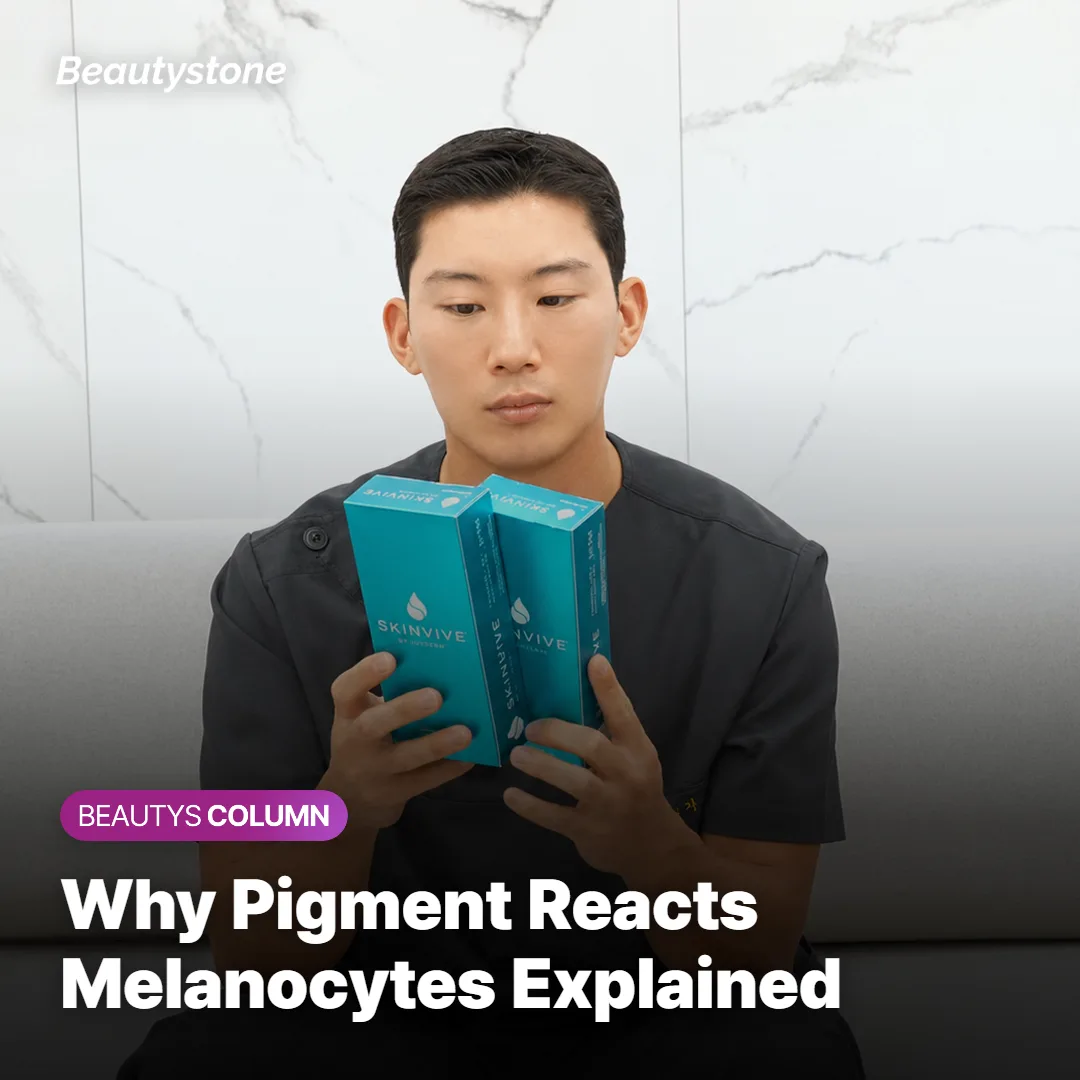
Lasers work by using targeted heat to break down pigment or blood vessels, and that heat inevitably affects some of the surrounding skin too. Melanocytes, the pigment-producing cells that live in the deepest layer of your epidermis, pick up on that irritation as a stress signal and respond by cranking out extra melanin. When that pigment builds up in the epidermis, or leaks down into the dermis after the deeper skin layer is disrupted, it shows up on the surface as a brown or grayish mark.
Not everyone reacts the same way. Dermatology research on postinflammatory hyperpigmentation notes that skin with more background pigment tends to react more strongly to this kind of trigger, and separate research on skin typing has found that people with medium-to-deep skin tones, roughly Fitzpatrick III through VI, are more prone to PIH than people with very fair skin. If that sounds like your skin type, it's worth being a little more cautious about prevention, not because anything is wrong with your skin, but because it simply responds more strongly to this specific kind of stimulus.
How to Prepare for Laser Treatment to Lower Your Risk
A lot of people only start thinking about PIH prevention on the day of their appointment, but prep really should start a little earlier than that. Skin that's already sensitized or sun-stressed tends to react more dramatically to laser stimulation.
- Cut back on sun exposure 2 to 4 weeks out: Tanned or sun-stressed skin has a stronger pigment response to laser treatment.
- Pause retinoids and acid exfoliants a few days ahead: Stopping retinol and stronger exfoliating acids 3 to 5 days before your appointment gives your skin barrier a break.
- Let active breakouts calm down first: Treating over inflammation that hasn't settled yet raises your PIH risk in that area.
- Tell your provider about your skin tone and pigmentation history: If you've dealt with PIH before, mention it upfront.
Being upfront about your skin tone and any past pigmentation issues during your consultation lets your provider dial back the intensity or space sessions further apart. Going a little more conservative, several lighter sessions instead of one aggressive one, tends to lower the risk considerably.
Sun Protection and Skincare During Recovery
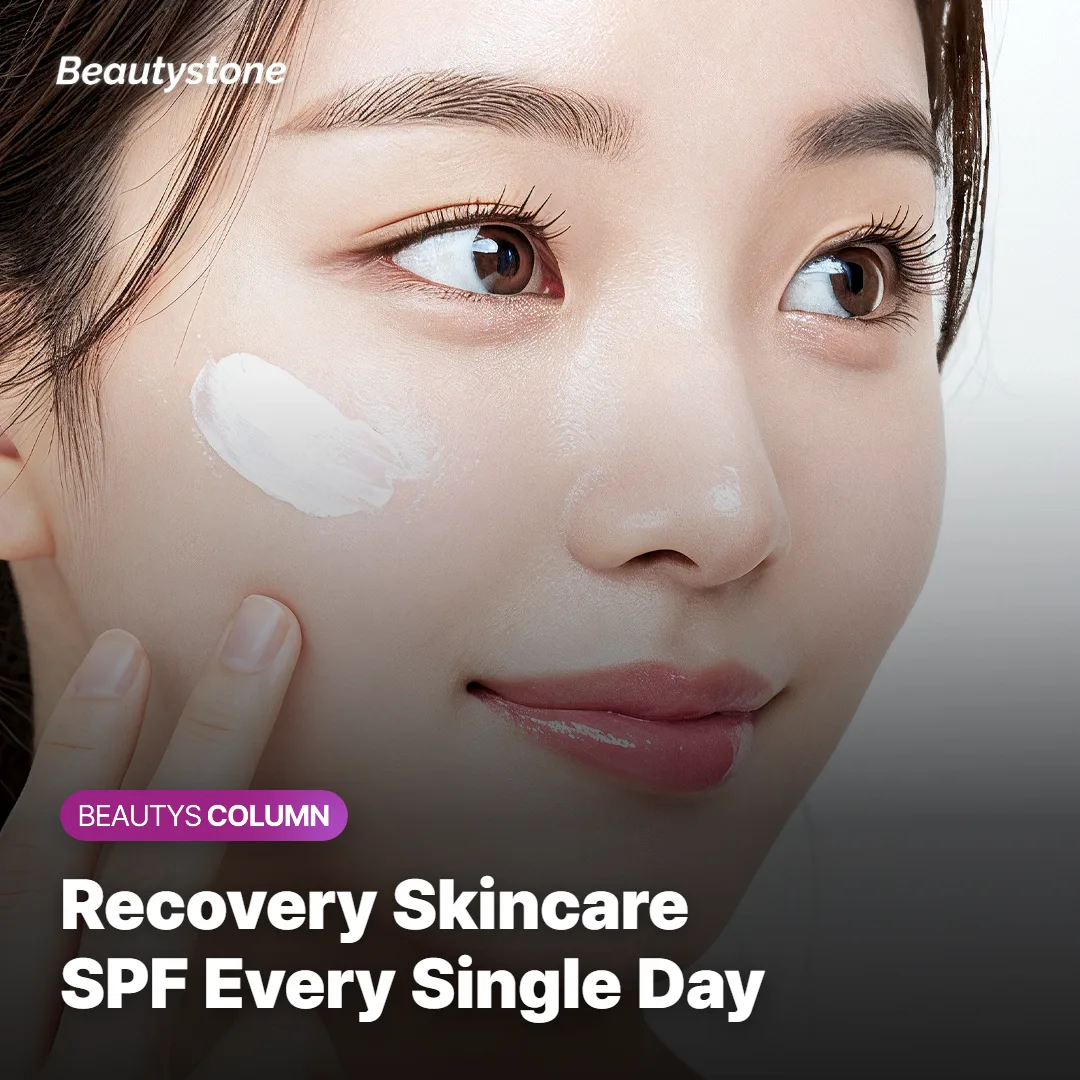
The two biggest levers during recovery are sun protection and keeping things calm, because UV exposure is what flips already-sensitized melanocytes into overdrive. Here's roughly how that translates day to day.
| Care Step | Day 0 to 3 | Day 4 to 7 | 2 Weeks and Beyond |
|---|---|---|---|
| Sunscreen | Reapply diligently, SPF 30 or higher | Keep it up, SPF 30 or higher | Daily, no exceptions |
| Physical coverage (hat, umbrella) | Strongly recommended | Strongly recommended | Recommended outdoors |
| Moisturizer and calming care | Gentle, generous layers | Generous layers | Back to your normal routine |
| Retinoids and exfoliants | Hold off | Hold off | Reintroduce slowly |
| Brightening actives | Check with your provider first | Check with your provider first | Can usually resume |
Reapplying sunscreen matters just as much as putting it on in the first place. If you're spending any real time outdoors, reapply every 2 to 3 hours rather than assuming one morning application will carry you through the day. Rubbing during cleansing or makeup removal can also stir up pigment in those first few days, so pat rather than scrub. Keep your routine simple and moisture-focused, and add new actives back in one at a time once your skin feels settled again.
Side Effects and Risk Factors to Watch For
Some redness, mild swelling, and light flaking in the first few days are a normal part of healing and usually settle on their own. PIH itself, when it shows up, typically appears as a flat brown or grayish-brown mark anywhere from about one to four weeks after treatment. It's not dangerous, just cosmetically frustrating.
That said, a few signs are worth flagging to your provider rather than waiting out on your own: spreading redness, pain that's getting worse instead of gradually improving, blistering, or a fever. Those aren't typical parts of normal recovery, and catching them early makes a real difference. People with a personal history of PIH, deeper skin tones, or ongoing sun exposure between sessions carry a higher risk and may want extra spacing between treatments.
What to Do If Dark Spots Show Up Anyway
If pigmentation does show up despite your best prevention, try not to panic. Post-inflammatory hyperpigmentation usually fades on its own over time, even without extra intervention. UV exposure is the single biggest thing that slows that fading down, so doubling down on sun protection matters even more once a mark has already appeared.
- Brightening actives, added carefully: Ingredients like niacinamide and vitamin C serum are commonly discussed for evening out lingering marks, but check timing with your provider first.
- Keep irritation to a minimum: Skip scrubs, strong exfoliants, and anything involving rubbing until the area has fully settled.
- Give it time: Epidermal pigment, sitting in the upper skin layer, tends to fade faster than pigment that's settled deeper in the dermis, and both take patience, often several months.
If a mark hasn't budged after a few months, or seems to be getting darker instead of lighter, it's worth checking back in with the provider who did the original treatment to rule out something else going on. This article covers general information, not a diagnosis. What's right for your skin and your specific situation is something to work out with your own provider.
The Bottom Line
PIH after a laser treatment isn't a sign the procedure failed. It's your skin's melanocytes reacting to normal, controlled irritation, and it's largely preventable with the right prep and aftercare. Cutting back on sun exposure and pausing retinoids before your appointment, staying strict about SPF and gentle skincare during recovery, and being upfront with your provider about your skin tone and history all lower the odds significantly.
Like most skin reactions, how your own skin responds can vary, and results aren't identical from person to person. Ultimately, the right laser settings, session spacing, and aftercare routine depend on your skin tone, your pigmentation history, and how your skin has reacted to treatments in the past.
If you're considering a laser treatment and want to talk through your personal PIH risk, a consultation is the best way to find out what fits your skin. Beautystone is a clinic in Seoul's Hapjeong area, and current offers are listed at /en/promotion.
Frequently Asked Questions
Q1. Does everyone get dark spots after a laser treatment?
No, PIH isn't universal. It depends heavily on skin tone, treatment intensity, and how carefully you protect the area afterward. People with deeper skin tones or a personal history of pigmentation tend to be more prone to it, so flagging that during your consultation lets your provider adjust the approach.
Q2. How soon after laser treatment can dark spots show up?
Most people notice it anywhere from about one to four weeks after treatment, often after the initial redness or flaking has already settled down. Staying strict with sun protection and gentle skincare during that window tends to make a real difference in how noticeable it ends up being.
Q3. Do I really need sunscreen indoors during recovery?
Yes, especially near windows. UVA rays pass through glass and are present even on cloudy days. If you spend a lot of time near a window or head outside at all, reapplying SPF 30 or higher during the day is a smart habit while your skin is recovering.
Q4. Can I start using brightening products right away?
It's usually better to wait until your skin has calmed down before layering on new actives like niacinamide or vitamin C serum, since freshly treated skin can react to ingredients it normally tolerates just fine. Check timing with your provider, and always get guidance before using a prescription-strength brightening ingredient.