Dermatology in Seoul: What Should You Expect?
Walk-ins, intake forms, English at the front desk—your first dermatology visit in Seoul, explained.

You have probably walked past the same dermatology sign near your station a hundred times. Your skin has been acting up for weeks, your Korean coworkers keep saying "just go to the pibugwa," and yet you keep putting it off — not because of the skin, but because you have no idea what happens after the front door.
Here is the short answer first: a first visit to a neighborhood skin clinic in Seoul usually runs check-in, a short intake form, a consultation, and payment — often all inside an hour. You do not need a referral, and at many clinics you do not need an appointment either.
What trips people up is not the medicine. It is the small unknowns: which ID counts, whether anyone speaks English, what the intake form says, how you pay. This walkthrough covers exactly that, drawn from what we see day to day at Beautystone, a small dermatology clinic in Seoul's Hapjeong–Hongdae area.
What you'll learn

  · You'll know what the front desk asks for and what to bring
  · You'll know how the consultation runs when English is limited
  · You'll know how a treatment day flows if one gets scheduled
  · You'll know how payment, foreign cards, and prescriptions work
Check-in: what the front desk asks for
Walk in, and the front desk handles three things: who you are, why you came, and how the visit will be billed. Many neighborhood dermatology clinics in Seoul take walk-ins — you give your name, sit down, and wait your turn. How long that takes swings with the hour: weekday mornings are usually quiet, evenings and Saturdays fill up. If you are used to booking a dermatologist weeks out back home, the walk-in rhythm can feel almost suspiciously casual. It is normal here.
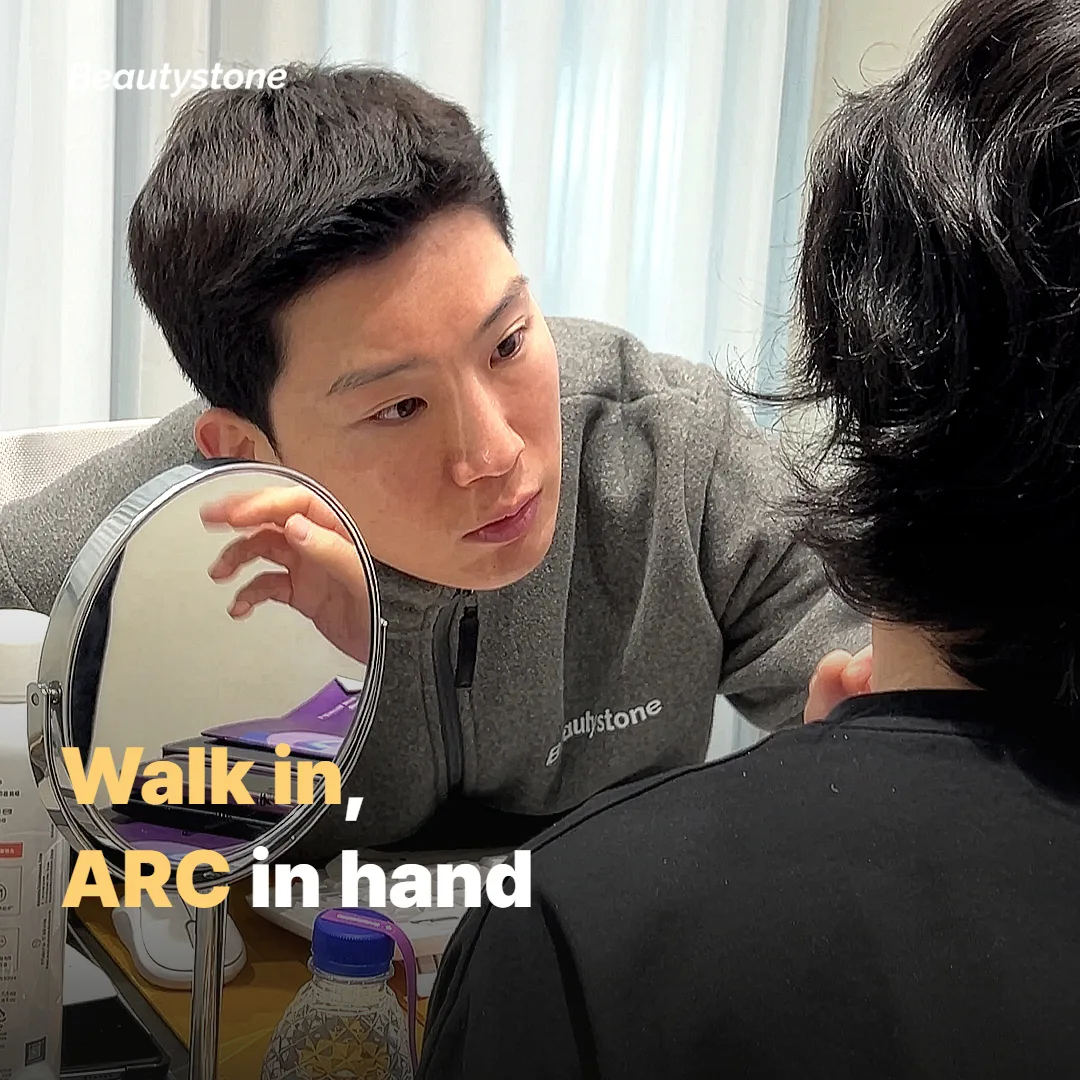
If you live in Korea, bring your ARC (Alien Registration Card). Foreign residents who stay in Korea for more than six months are enrolled in the National Health Insurance system, so a medical concern — a rash, an acne flare, a mole you want checked — is billed the same way it would be for any local patient. Cosmetic concerns are self-pay for everyone; insurance does not enter into it. Visiting on a tourist stamp instead? Your passport works as ID, and everything is self-pay.
Then comes a short intake form: what brought you in, how long it has been going on, medications, allergies, and pregnancy or breastfeeding status. Some clinics keep an English version, many do not — staff will usually walk you through the Korean one line by line.
| What to bring | Why it helps |
|---|---|
| ARC (or passport if visiting) | Registration, and insurance billing for residents |
| Names of your medications and allergies | The intake form asks; English brand names are fine |
| Photos of flare-ups | Skin looks different day to day; photos fill the gap |
| A Korean phone number | Used for records and follow-up calls |
The consultation: what happens when English is limited
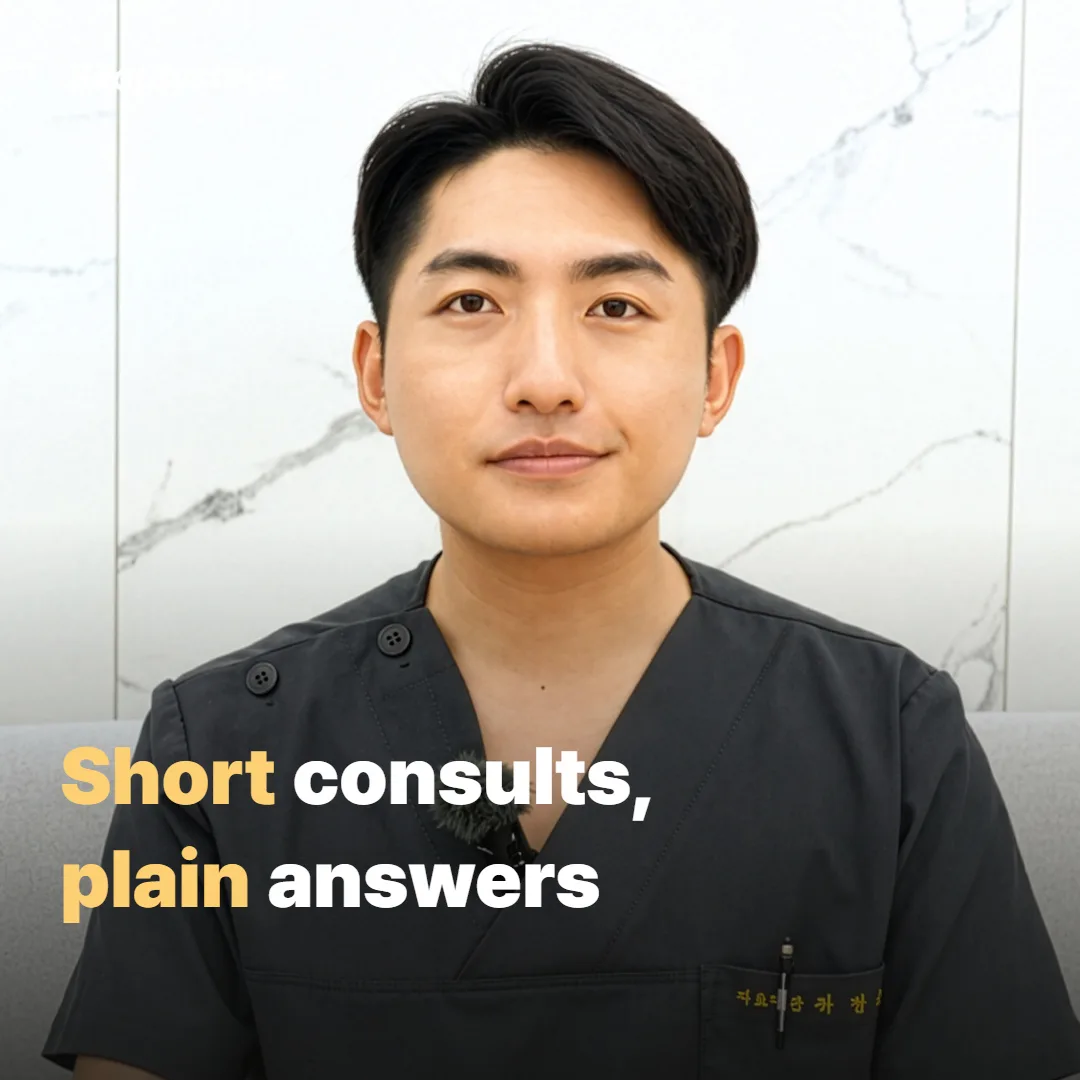
Consultations here run shorter than most Americans expect — often five to ten minutes. That is not indifference. The doctor examines first and asks targeted questions, rather than opening with a long conversation, so the visit is compact because the exam leads.
On the language front, the honest picture is mixed: most dermatologists read and write medical English comfortably, while conversational fluency varies clinic to clinic and doctor to doctor. Front-desk staff often lean on translation apps, and for symptom-level talk that works better than you might expect. Two habits smooth the visit considerably: show photos instead of describing from memory, and ask the doctor to write down any diagnosis or ingredient name in English so you can look it up later.
If you hit a genuine wall mid-conversation, the government-run 1330 Korea Travel Helpline offers interpretation help by phone and chat. It is built for travelers, but nothing stops a resident from dialing it.
And ask your questions — they are standard consultation material, not an imposition. Four worth having ready:
- "What is this, and what happens if I just wait?"
- "Could you write the diagnosis or ingredient names in English?"
- "If a treatment is on the table — what would it cost, and is today's consultation fee separate?"
- "If this comes back after I leave, when should I return?"
If a treatment comes up: how the day flows
A consultation commits you to nothing. If the doctor suggests a treatment — a prescription routine for acne, say, or a laser- or energy-based option for pigment or texture — answering "I'd like to think about it" and going home is completely normal, and nobody blinks.
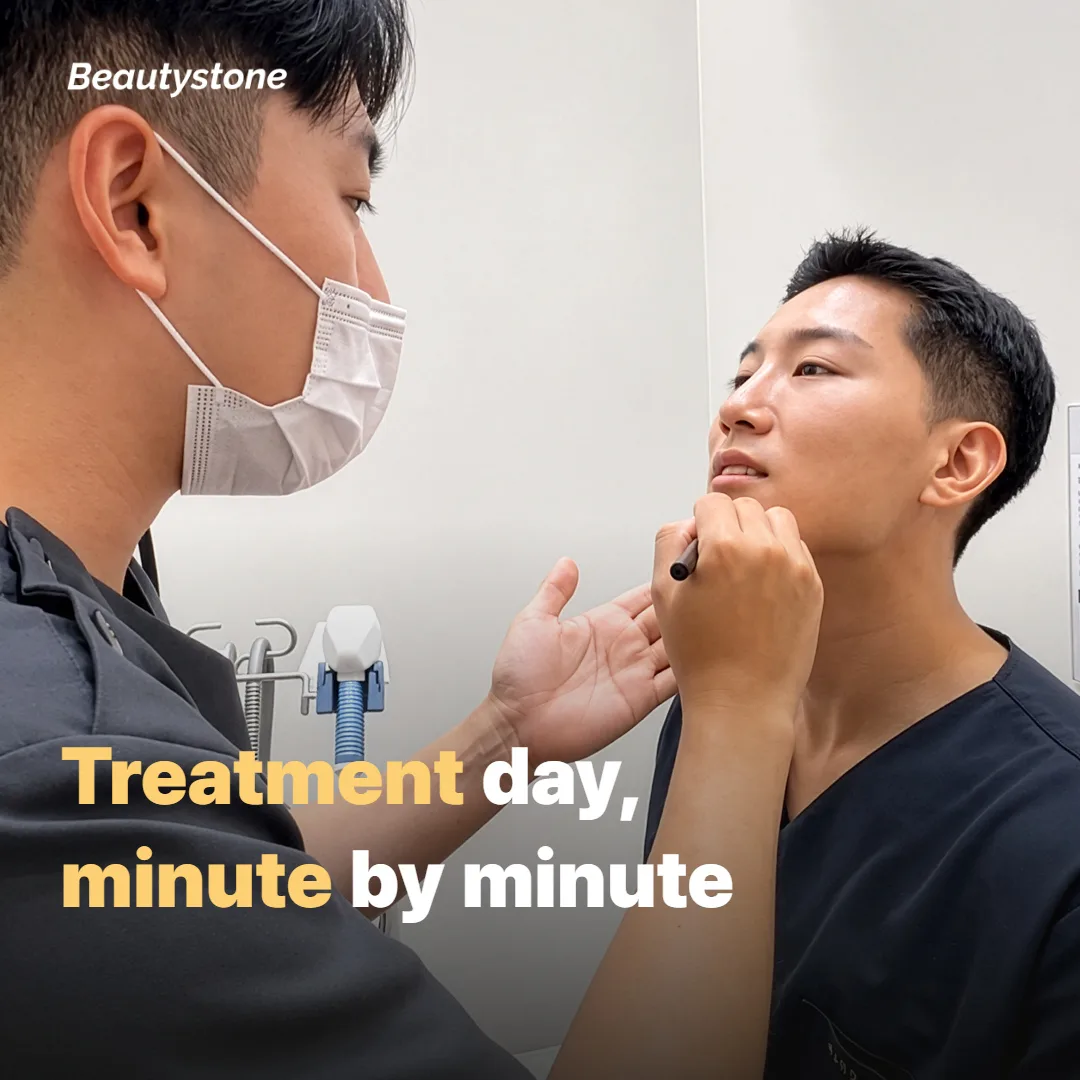
If you do go ahead, simple treatments often happen the same day, while others get scheduled for a return visit. The day itself follows a steady pattern: you sign a consent form, and for many laser- or energy-based treatments a numbing cream goes on first, followed by a twenty- to thirty-minute wait — frequently longer than the treatment itself. Afterwards you get aftercare instructions, sometimes on paper, sometimes verbally at the desk.
Whether any particular treatment makes sense for your skin is a case-by-case call between you and the doctor who examined it — this article stays out of that on purpose, and individual responses to the same treatment genuinely vary. One practical note if your time in Korea is limited: side effects or follow-up questions that surface after you leave the country will need a provider wherever you are, so build that into the decision.
Mild redness, swelling, or tenderness for a few days is common after almost any in-office procedure and usually settles on its own. Escalation is the red flag: spreading redness, fever, or pain that builds instead of fading — contact the clinic that treated you right away, or seek urgent care.
Hongdae and Hapjeong: neighborhood clinics at a different pace
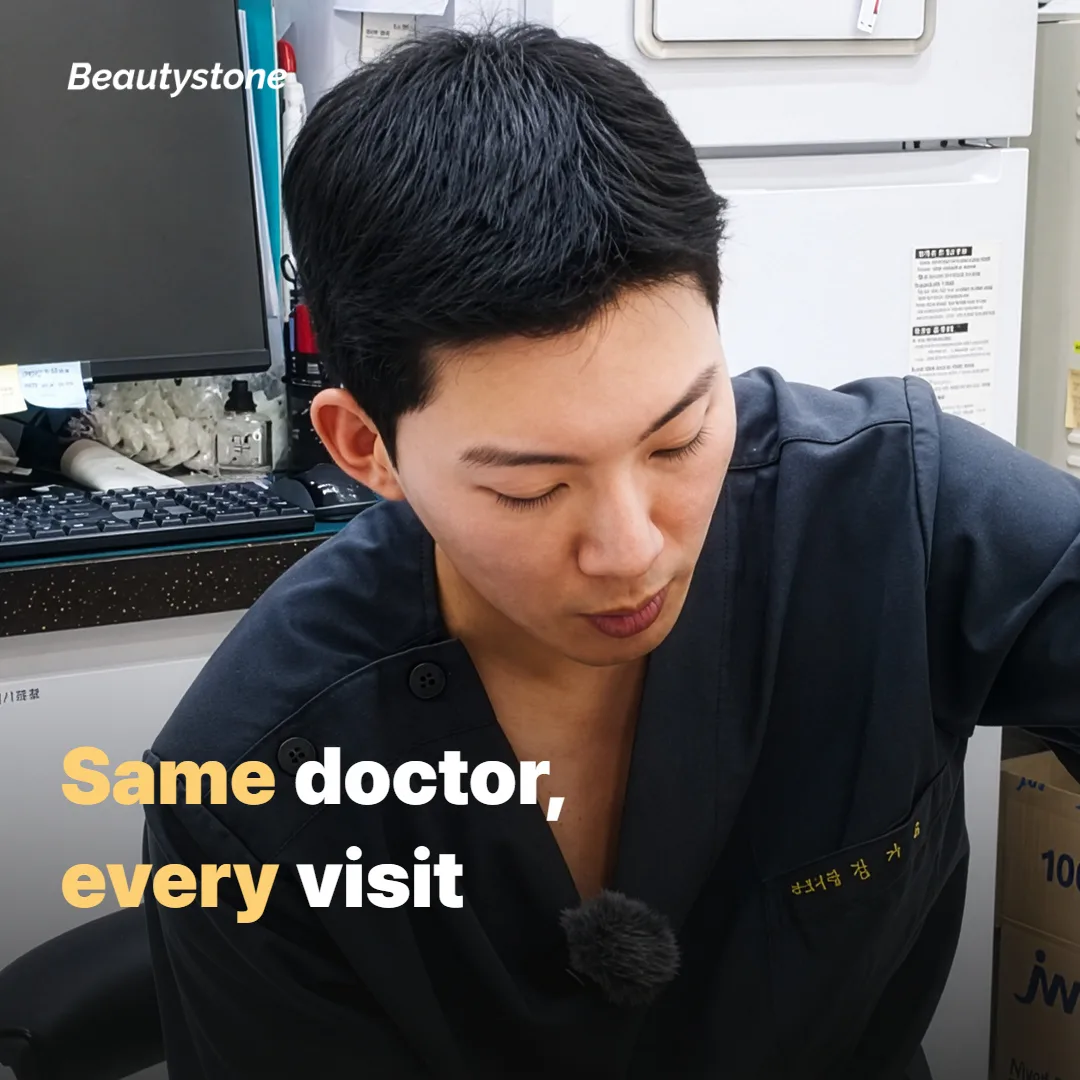
Most of what you have seen online about Korean skin clinics comes from Gangnam, and that district earns its reputation: large multi-floor centers, international desks, high patient volume. The Hongdae–Hapjeong area, across the river, runs on a different scale — smaller clinics tucked into the same streets as the cafés and studios, where the doctor who saw you in March is the one who sees you in June. That is not a ranking; it is a difference in pace and scale, and which one suits you is a personal call.
| What differs | Large Gangnam centers | Neighborhood clinics (Hongdae–Hapjeong) |
|---|---|---|
| Scale | Multi-floor, multiple doctors and devices | Compact — often one or two doctors |
| Pace | High volume, brisk turnover | Slower rhythm, familiar faces between visits |
| Language support | Dedicated international desks are common | Varies — written medical English plus translation apps |
| Booking culture | Often appointment-led, especially for international patients | Walk-ins are common; waits swing with the hour |
| May suit you if | You want one-stop scale and a formal English desk | You live nearby and want continuity at a local pace |
Beautystone sits a few minutes' walk from Hapjeong Station, on the quieter edge of the Hongdae area. The order of operations is deliberately plain: look at your skin first, then talk about whether anything is worth doing — not the other way around.
Payment, foreign cards, prescriptions, and follow-up
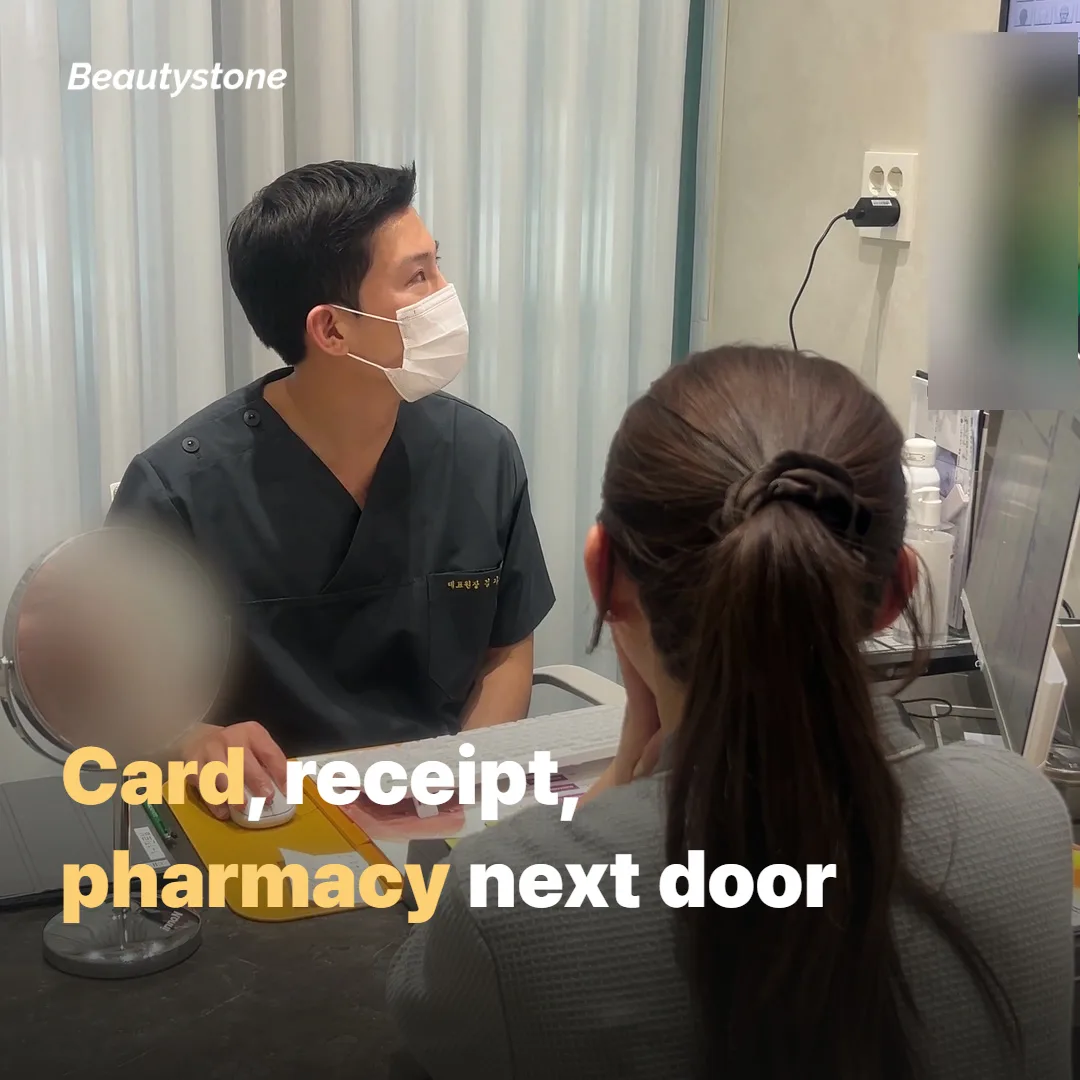
Payment happens at the same front desk on your way out. Seoul clinics run on cards, and major foreign-issued cards generally go through — though terminals occasionally refuse a foreign card for no obvious reason, so carrying a backup card or some cash is sensible. If you plan to claim the visit on private or travel insurance, ask for an itemized receipt (진료비 세부내역서, jinryobi sebu-naeyeokseo); clinics print them on request.
The cost logic follows the insurance line from check-in. An insured medical consultation typically ends with a modest copay — often under ₩20,000 at a neighborhood clinic, though it varies by clinic and by what is actually done during the visit, so treat that as a marker, not a quote. Cosmetic care is quoted in full: the number should come before anything happens, itemized — ask for the breakdown if you are handed a single figure. Consultation-fee practice differs too; some clinics charge it separately, others fold it into the treatment price if you go ahead, and it is fair to ask which applies.
Korean clinics do not dispense medication. If you are prescribed anything, you get a paper prescription to fill at a pharmacy (약국, yakguk) — usually one within a minute's walk, often in the same building. The pharmacist marks dosage and timing on the packet, and it is fair to ask for the notes in English.
Before you leave, the desk will tell you whether a follow-up makes sense and when. If anything feels off afterwards, the clinic that treated you is the right first call. One closing note for the road: this is general information about how visits work, not medical advice — decisions about your own skin belong with a provider who has actually looked at it.
Frequently asked questions
Q. Do dermatologists in Hongdae speak English?
A. Often enough to get through a skin visit, but fluency varies clinic to clinic. Most doctors handle written medical English comfortably, front-desk staff frequently use translation apps, and photos of your symptoms cover much of the rest. If English consultation matters to you, it is reasonable to check whether a clinic offers it before you go.
Q. Can I walk into a skin clinic in Seoul without an appointment?
A. Yes — many neighborhood dermatology clinics take walk-ins, and no referral is needed. Expect the wait to depend on timing: weekday mornings tend to be quiet, evenings and Saturdays busy. Treatments that need more time are sometimes scheduled for a separate visit even when the consultation happens on the spot.
Q. Can I pay with a foreign credit card at a Korean dermatology clinic?
A. Usually, yes — clinics run on card payment and major foreign-issued cards generally go through. Terminals do occasionally reject foreign cards, so a backup card or some cash is worth carrying. For insurance claims, ask the front desk for an itemized receipt; they print one on request.
Q. Do I need my ARC or passport to see a dermatologist in Seoul?
A. Bring one of the two. Residents should bring their ARC, which connects a medical visit to national insurance billing; visitors can register with a passport and pay out of pocket. Cosmetic concerns are self-pay regardless of status, so the ID mainly matters for registration and insured medical billing.