Ultherapy vs. Thermage: What's the Difference?

A perfect comparison of the effects and differences between Ultherapy and Thermage
The reason you shouldn't receive any Ulthera or Thermage treatment.
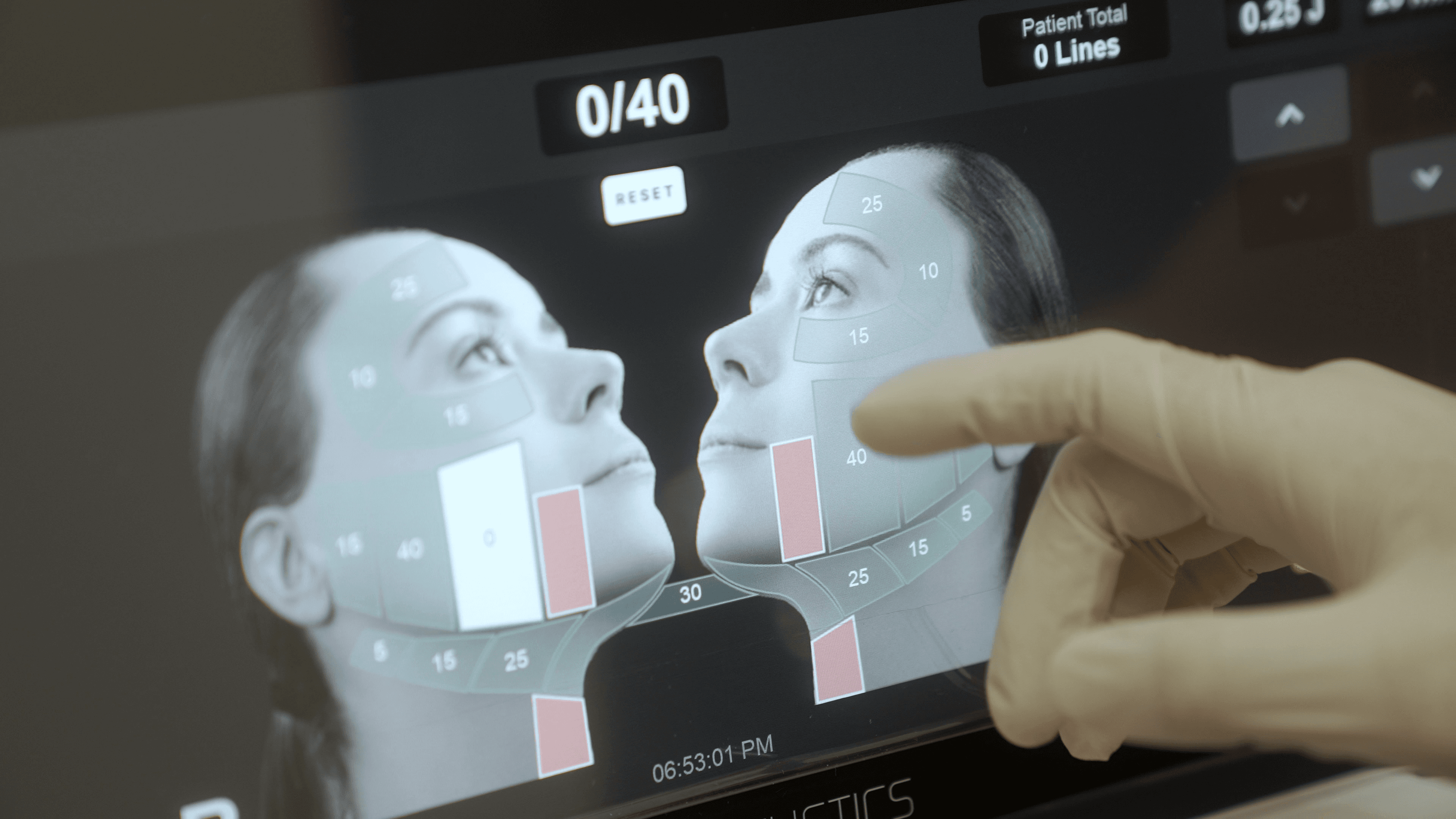
Hello. Chief Director Kim Jang-joo. For those considering lifting procedures,
what is the reason for comparing various procedures one by one?
The answer is surprisingly simple.
Because you want to make the best choice for your skin right now.
However, when you actually look into it, the situation is not as easy as you might think.
There are far more types of lifting procedures than expected.
The representative of ultrasound lifting, Ulthera,
and Thermage, which is well-known for radiofrequency lifting,
each have different principles and characteristics, which can make the criteria increasingly blurry the more you compare.
There is plenty of information, but haven’t you ever thought:
“I understand the effects, but which one is right for my skin?”
On the surface, they are all labeled as lifting, but in reality,
✔ The skin layers they act on are different ✔ The concerns they address are different ✔ The changes you feel are also different.
If you choose without knowing this difference, rather than being ineffective,
it can sometimes end up being a ‘choice that was not right for me’.
From now on, I will point out the key points in a not too difficult, but accurate manner.
Isn't all lifting similar? Your thoughts can change today.
Ulthera, the representative of ultrasound lifting, and
Thermage, the representative device of radiofrequency lifting,
the names are familiar, but it seems that not many people actually know the differences.
I will simply summarize the key effects of Ulthera and Thermage below.
What kind of procedure is Ulthera?
Ulthera utilizes high-intensity ultrasound
to deliver energy to the deep layers of the skin, the SMAS layer, also known as the fascial layer.
It is mainly specialized for lifting effects and is often used for concerns like double chin, jowls, and nasolabial folds
that arise as the skin sags.
It is a procedure where the effects gradually appear over 1 to 3 months rather than immediate changes.
Because it stimulates deep layers, there is some discomfort during the procedure.
What kind of procedure is Thermage?
On the other hand, Thermage uses radiofrequency to uniformly deliver heat to the dermis layer of the skin.
It is effective mainly for skin elasticity, texture, fine lines, and pore refinement.
Many people feel the elasticity immediately after the procedure,
and the discomfort is somewhat less than Ulthera. 👀 By comparing the effects of Ulthera and Thermage, while both procedures seem to have similar purposes,
the approach and points of effectiveness are clearly different.
Therefore, it is not simply about which procedure is better,
but understanding which method is more suitable for you is the key.
The effects of Ulthera and Thermage also
can vary in terms of perception and duration depending on individual skin conditions.
For those who may be more suitable for Ulthera
🧡 If you have concerns
such as double chin, jowls, or nasolabial folds that arise as the skin sags
🧡 If you want to start serious lifting management
Ulthera delivers ultrasound energy to the deep SMAS layer of the skin
to create a high thermal coagulation point and thereby causes the tissue to contract,
which lifts sagging skin. Among the effects of Ulthera and Thermage,
Ulthera can be seen as a more suitable case for the goal of lifting.
may be more suitable for Thermage
🧡 If you generally feel a decrease in skin elasticity 🧡 If wrinkles appear deeper when you look in the mirror
🧡 If you are more interested in improving skin texture, tone, and pores rather than lifting
Thermage applies wide and uniform thermal stimulation to the dermis layer
to induce collagen production and
works mainly on the tightening effect that densifies the skin.
In other words, it focuses more on refining skin texture and elasticity.
When comparing the effects of Ulthera and Thermage,
Thermage excels in organizing the surface texture and density of the skin.
⚠️ Before the procedure Important points to check
Lifting procedures cannot simply be determined by the device alone.
Depending on individual skin thickness, elasticity state, fat distribution, and degree of aging progression,
the appropriate procedure method, intensity, and area design can vary completely.
Due to the increasing mention of the effects of Ulthera and Thermage these days,
the practice of mixing or alternating the two is also on the rise.
However, that decision must be made based on a facial diagnosis
and should be thoroughly planned.
🧾 Summary of today's article 🧡 Ulthera is based on ultrasound and focuses on delivering energy to the deep SMAS layer for lifting effects 🧡 Thermage is based on radiofrequency and stimulates the dermis layer overall for skin elasticity, texture, and pore refinement 🧡 The important point is that the effects of Ulthera and Thermage can vary depending on individual skin conditions.
So far, we have summarized the principles of action, expected effects,
and recommended targets of Ulthera and Thermage through a comparison of their effects.
Both procedures have excellent advantages, but
the key is whether they are accurately applied in a direction that suits your skin.
I hope this helps you in managing healthy and elastic skin. Thank you! This was Kim Jang-joo. Recommended Beauty Column Outline & Volume
Nov 24, 2025
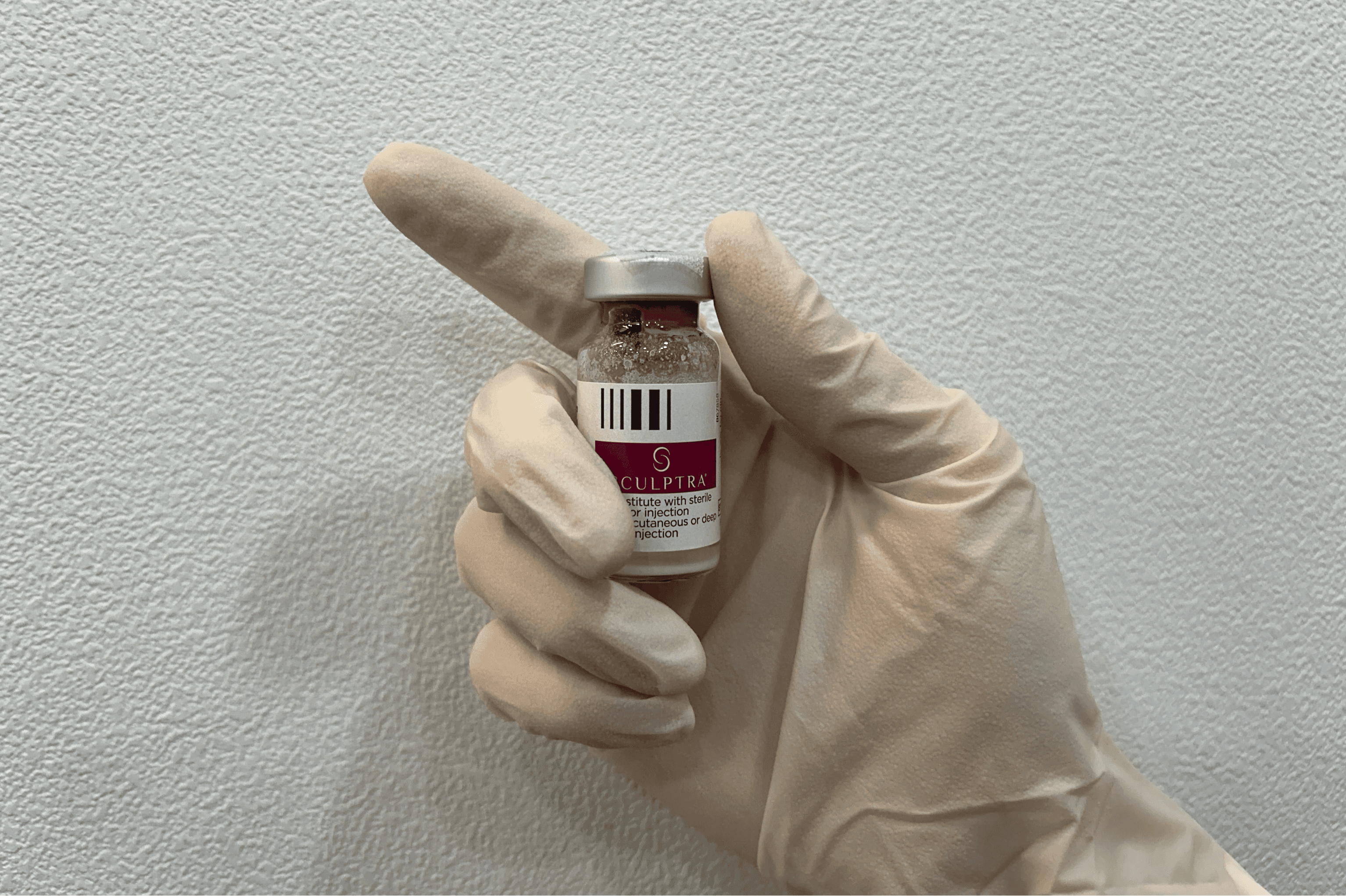
Effects achievable with one bottle of Sculptra The Truth of One Bottle of Sculptra
Lifting

Nov 21, 2025 Who is Sofwave effective for? Sofwave without worrying about ball loss

Nov 17, 2025
The naturalness seen in the reviews of chin fillers Contour shaping starting from the chin
skin
Nov 16, 2025
Special collagen injection Retigen Are you really injecting collagen yourself?
Oct 31, 2025
What on earth is radius? Side effects and effects. Everything about Radius Latest post
Mar 26, 2026
쥬베룩과 기존 필러의 차이점, 만들어진걸 넣느냐, 직접 만드느냐?
Mar 24, 2026
[칼럼] 쥬베룩 시술 후 울퉁불퉁, 언제까지 기다려야 할까? 쥬베룩 부작용일까? 정상 반응 vs 진짜 문제 구분법 5가지

Mar 23, 2026
[원장 칼럼] 피부과 입문자를 위한 실패 없는 '가성비 시술' TOP 3 가이드 부담은 낮추고 효과는 확실하게, 가장 경제적인 피부과 관리법 3가지
men's
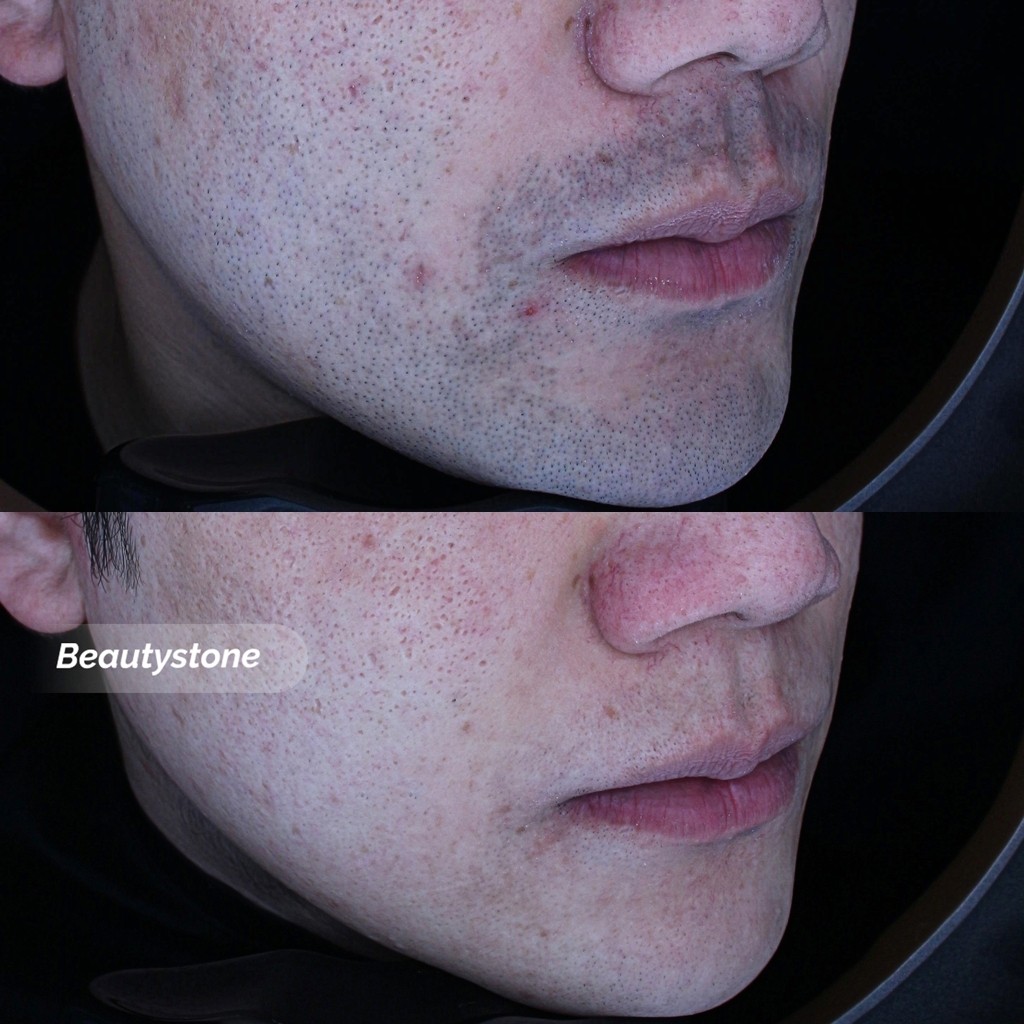
남자 얼굴 전체 제모 범위 6구역 완전 정리 "수염만 되는 거 아닌가요?" — 남자 얼굴 제모 범위의 진짜 기준

Mar 22, 2026
결혼적 웨딩케어 클리닉 vs 홍대·합정, 어디서 받는 게 나을까? 강남 웨딩케어클리닉 말고, 서울대 전문의가 직접 보는 곳
Tattoo removal

Direct Columns Written by Directors Wi Young-jin, Kim Jang-ju, Kim Ha-won, and Kim Ga-eul
Honest and sincere description of skin beauty treatments



Everything about skin beauty treatments is explained Beauty Doctors by Directors Wi Young-jin & Kim Ga-eul
Frequently Asked Questions
Q1. What's the main difference between Ultherapy and Thermage?
Ultherapy uses high-intensity focused ultrasound to reach the deep SMAS layer, making it more focused on lifting concerns like jowls and a double chin. Thermage uses radiofrequency energy and works somewhat differently on the skin's layers. Because they act on different depths and address different concerns, the right choice depends on what specifically you're looking to improve.
Q2. How long does it take to see results from Ultherapy?
Ultherapy results tend to appear gradually over about 1 to 3 months rather than immediately, since the effect relies on the body's own collagen response after the deep layers are stimulated. Because it targets a layer below the skin surface, some discomfort during the procedure is also part of that process. Individual timelines can vary.
Q3. Is Ultherapy or Thermage more suitable for someone with sagging around the jawline and nasolabial folds?
Ultherapy is often used for concerns tied to sagging structure, such as a double chin, jowls, and nasolabial folds, because it works on the deeper fascial layer. Whether it's the better fit compared to Thermage for your specific concern depends on your skin's condition and goals, so an in-person assessment is recommended. The article notes that choosing based on labels alone, without understanding these differences, can lead to a less suitable outcome.
Q4. Why shouldn't I just pick whichever lifting procedure is cheaper or more popular?
The article points out that even though Ulthera and Thermage are both labeled as lifting treatments, they act on different skin layers, address different concerns, and produce different kinds of visible change. Choosing without understanding this can mean the treatment doesn't match what you actually needed, even if it isn't ineffective outright. A consultation to compare your specific concerns against each device's characteristics is the safer approach.