Bumps After Laser Hair Removal: Normal or Not?
Small, reddish bumps that show up a few days after a laser hair removal session usually aren't a sign anything went wrong — they're part of how the treated hair sheds.

If you've noticed small, reddish bumps popping up a few days after a laser hair removal session, you're not alone. It's one of the more common questions we hear: "did something go wrong?" In this article, we'll cover why this happens, how GentleMax Pro Plus actually targets hair, how to tell a normal reaction from one that needs medical attention, and what you can do at home to help things settle faster.
What's Really Going On Under Your Skin?
Those bumps aren't a burn, and in most cases they're not a sign that anything went wrong. What you're seeing is closer to folliculitis — inflammation around a hair follicle — and it's tied to the hair itself working its way out, not to heat damage on the surface.
After a session, the treated hairs are weakened at the root, and over the following days to weeks, your body naturally pushes them out. As that happens, your immune system can treat the exiting hair almost like a foreign object and mount a small, localized inflammatory response around it. It's a similar mechanism to pseudofolliculitis: the irritation that shows up when a shaved hair curls back and re-enters the skin, even though the trigger here is laser treatment rather than a razor.
One case study on laser-induced folliculitis found it can behave like a foreign-body reaction to the hair shaft as it exits the follicle, and that people with coarser, darker hair may be more prone to it. That lines up with what shows up in practice: it's not that treatment failed, it's that thicker hair tends to produce a bigger reaction on its way out.
Areas with denser, coarser hair growth or frequent friction — think underarms, the bikini line, or inner thighs — tend to react a bit more than areas with finer hair. Knowing this is part of the normal shedding process, not a treatment failure, can make the whole thing feel a lot less alarming.
How Does GentleMax Pro Plus Actually Target Hair?
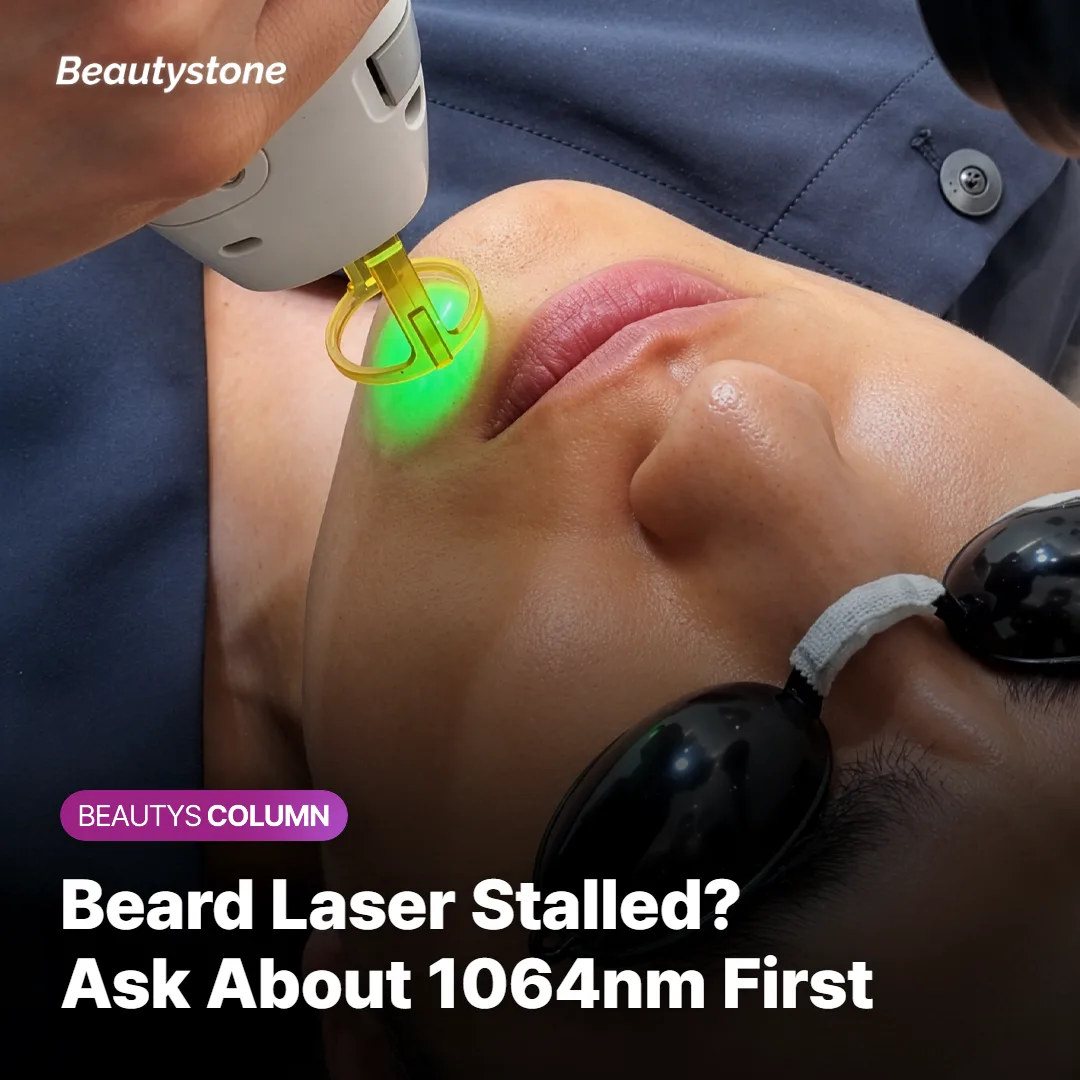
GentleMax Pro Plus works by targeting melanin — the pigment inside your hair — with focused light energy. That energy converts to heat, and the heat damages the hair's growth center at the root. The goal was never the surface of your skin; it's the follicle sitting underneath it.
Because of that, the weakened hairs don't disappear right away. They shed gradually, sometimes over one to three weeks, and it's during that window that folliculitis is most likely to show up. That's also why your skin can look completely fine right after your appointment, only for bumps to appear several days later — the timing lines up with hair working its way out, not with anything that happened during the session itself.
How much reaction you get depends on the treated area, how coarse the hair is, and your individual skin. Even on the same person, one area can react more than another.
Normal Reaction or Something to Watch For?
Not all post-treatment bumps are the same. Most are shallow, mild, and settle on their own within a few days. A smaller number go deeper and need a closer look. Here's how to tell them apart.
| Sign | Usually Normal | Worth a Check-In |
|---|---|---|
| Appearance | Small red bumps, like tiny pimples | Large, firm, or pus-filled lumps |
| Sensation | Mild stinging or itching | Deep, tender pain when touched |
| Timeline | Fades within a few days | Spreads or worsens over time |
| Other symptoms | None | Oozing, fever, or widespread redness |
Shallow, surface-level irritation typically fades on its own within days, and giving that spot a short break from hair removal can help it settle even faster. Dermatology sources describe shallow folliculitis as usually just irritation from regrowing hair that clears up within days, while infections that go deeper can turn into painful, tender bumps needing cleaning and sometimes antibiotics — which is exactly why the distinction matters.
If you're seeing anything from the "worth a check-in" column, avoid picking or squeezing it and have your provider or a dermatologist take a look. Most reactions are mild, but knowing where the line is means you won't lose sleep over a normal bump, or ignore a sign you shouldn't.
What Can You Do About It At Home?
For a mild reaction, less is usually more. Reducing friction and keeping the area clean does most of the work.
- Keep it clean and dry: a gentle cleanser helps shedding hairs and dead skin move out without adding irritation.
- Don't pick or squeeze: extra irritation can spread the inflammation or leave lingering discoloration behind.
- Skip tight clothing: friction against fabric tends to aggravate follicles that are already irritated.
- Pause hair removal on that spot: shaving or waxing the area while it's inflamed usually slows healing down.
- Flag a pattern to your provider: if it happens after every session, it's worth planning your pre- and post-care together ahead of time.
If it's not settling with basic care, or it's getting worse instead of better, checking in with your provider is the safer move. Recurring folliculitis in the same spot is usually a sign that your settings or aftercare routine could use a small adjustment.

Side Effects & When to Get It Checked
Beyond folliculitis, a few other reactions are common in the hours and days after GentleMax Pro Plus treatment, and most settle on their own.
- Mild redness and stinging: usually eases within a few hours to a day.
- Slight puffiness around follicles: hair reacting to treatment, and it can linger for a few days.
- Small bumps appearing days later: often lines up with hair shedding, as covered above.
Contact your provider right away if you notice any of the following: a large, firm, or painful lump; redness that keeps spreading or getting worse instead of better; oozing or discharge; or fever. These aren't the norm, and they're worth a same-week visit rather than a wait-and-see approach.
Individual results and reactions vary — hair thickness, skin sensitivity, and the treated area all play a role in how your skin responds.
Why Patients Choose Beautystone for Aftercare
At Beautystone, a small clinic a short walk from Hapjeong Station in Seoul, GentleMax Pro Plus consultations start by looking at hair thickness and skin condition in the specific area being treated, not just handing out a generic aftercare sheet. If you're someone who tends to react more in coarser, denser areas, that gets factored into the plan for what to expect and how to manage it before you even start.
Because it's a smaller practice, your provider can adjust session settings and aftercare guidance based on how your skin actually responds over time, rather than a one-size-fits-all protocol.
The Bottom Line
Bumps that show up a few days after laser hair removal are usually just part of the shedding process, not a sign that anything went wrong. Most cases are mild, fade within days, and respond well to basic care: keep the area clean, skip the picking, and give it a short break from more hair removal.
Like any procedure, laser hair removal comes with a few trade-offs, and skin reactions are one of them. If a bump turns firm, painful, or starts spreading, that's your cue to get it looked at rather than wait it out.
Ultimately, how your skin responds depends on your hair type, the treated area, and your individual skin, and your provider is the best resource for sorting out what's normal for you. If you're considering GentleMax Pro Plus hair removal, a consultation is the best way to find out what fits you — Beautystone is a dermatology clinic in Seoul's Hapjeong area, and current offers are listed at /en/promotion.
Frequently Asked Questions
Q1. Can I still get laser hair removal if I have folliculitis?
In most cases, yes, once the reaction has calmed down. Providers usually want irritation to settle before treating that area again, and if it keeps happening in the same spot, it's common to adjust the settings or aftercare plan first. Getting treated while the area is actively inflamed isn't recommended.
Q2. Should I pop or squeeze the bumps?
No, picking or squeezing tends to spread the irritation and can leave discoloration behind. A gentle cleanser and a bit of patience work better, and if it's not improving, it's worth having a provider take a look.
Q3. Is it normal for bumps to show up days after treatment, not right away?
Yes, that's actually one of the more common patterns. The hair is weakened at the root and sheds gradually over the following days to weeks, and that's usually when folliculitis appears. It's rarely a sign that anything went wrong during the session.
Q4. How can I lower my chances of getting folliculitis after laser hair removal?
Keeping the area clean, avoiding tight clothing, and skipping other hair removal methods on that spot for a bit all help. If you tend to react more than average, mention it before your next session so your provider can plan ahead with you — the goal is reducing severity, not eliminating it entirely.