GentleMax Pro Plus vs. Diode: Which Fits You?
GentleMax Pro Plus runs two wavelengths in one device, while diode lasers stick to a single wavelength built for speed — here's how that difference affects your results.

If you're comparing GentleMax Pro Plus and diode laser hair removal, you've probably noticed both promise smooth skin but sound like completely different machines. The short answer? They use different wavelengths of light, and that difference is what decides which hair types and skin tones respond best. In this article, we'll cover how laser hair removal actually targets hair, what sets GentleMax Pro Plus apart from diode systems, and how to figure out which one fits your skin.
What Are GentleMax Pro Plus and Diode Lasers?
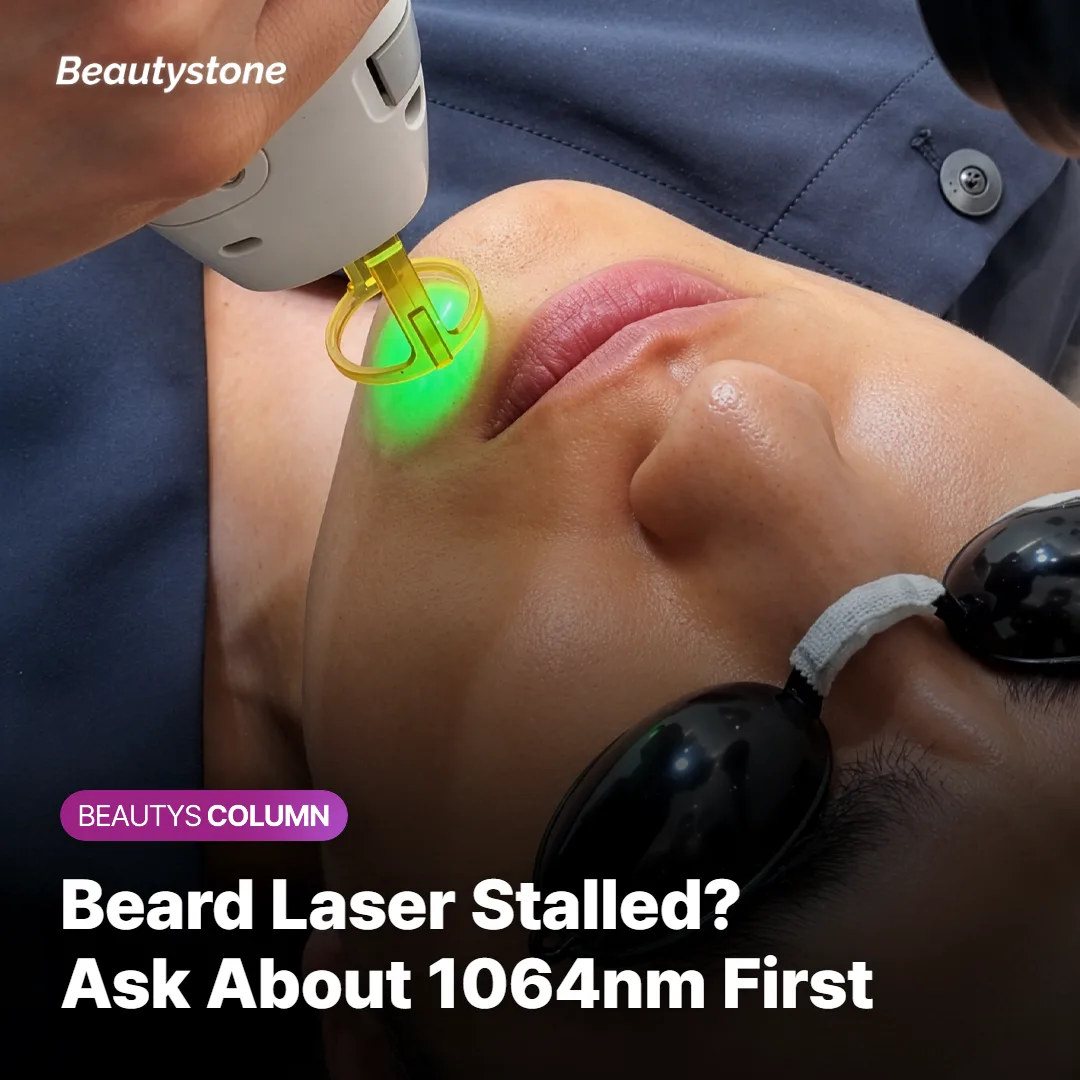
GentleMax Pro Plus is an FDA-cleared laser platform made by Candela that houses two separate wavelengths in one machine — a 755nm alexandrite laser and a 1064nm Nd:YAG laser. A diode laser, on the other hand, typically runs on a single 810nm wavelength and is built for speed across larger areas. Both are used for laser hair removal, but the way they deliver energy — and who they work best for — isn't identical.
How Does Laser Hair Removal Target Hair?
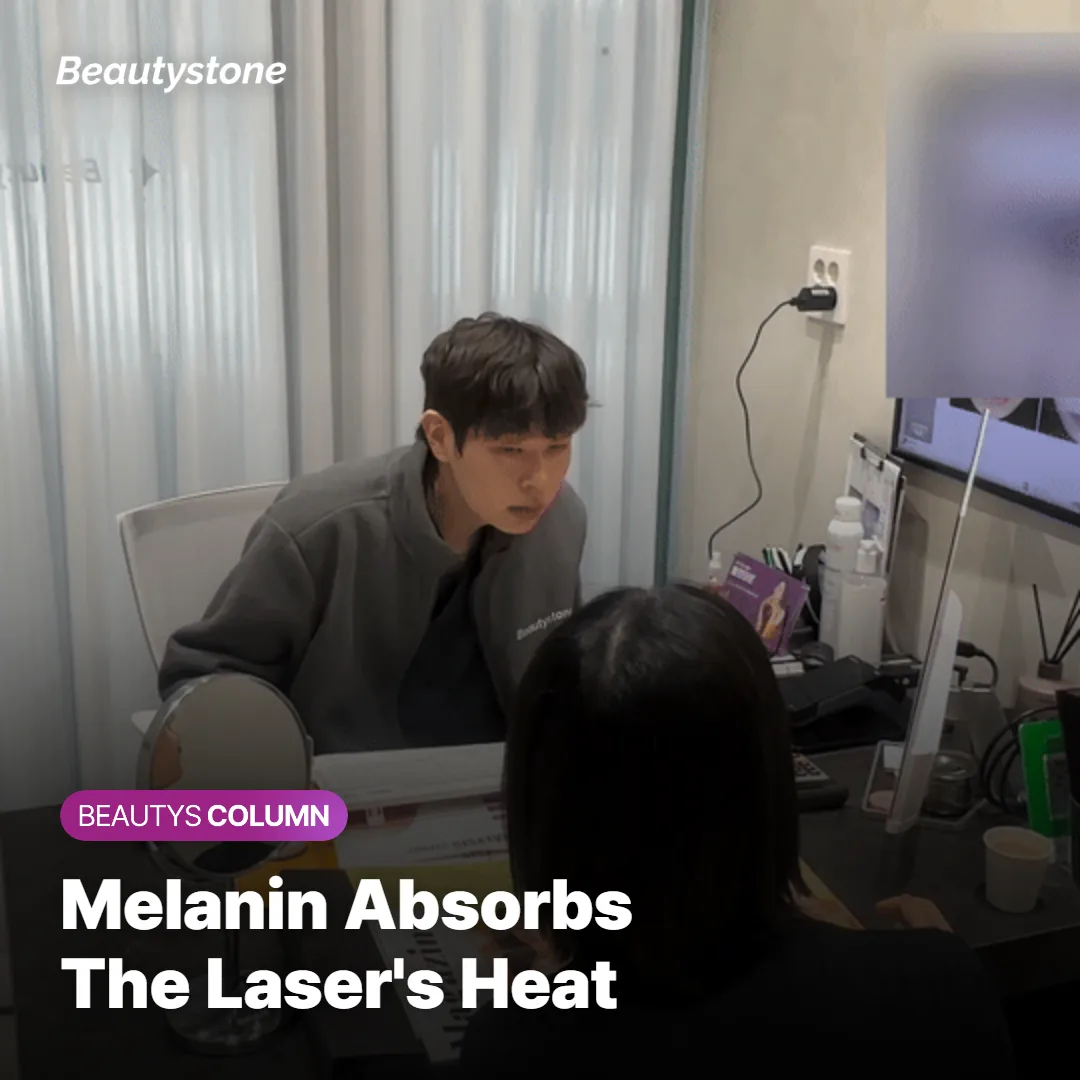
Every laser hair removal device works on the same basic principle: selective photothermolysis (a fancy way of saying "targeted heat"). The laser's light is absorbed by melanin, the pigment in your hair and skin, which converts that light into heat. That heat travels down into the follicle and disables the structures that regrow hair, while the surrounding skin is left largely untouched.
Because the whole system depends on pigment, hair color and skin tone both matter. Darker, coarser hair tends to respond better because it has more melanin to absorb the light. Fine, light-colored hair (think blonde or gray) doesn't have much pigment for the laser to grab onto, so results are typically less dramatic — that's true across every device, not just these two.
GentleMax Pro Plus: Two Wavelengths, More Flexibility
What makes GentleMax Pro Plus stand out is choice. The 755nm alexandrite wavelength is absorbed strongly by melanin, which makes it a go-to for lighter skin with dark, coarse hair. The 1064nm Nd:YAG wavelength travels deeper and is absorbed less by surface pigment, so it's generally considered a more comfortable option for deeper skin tones.
- 755nm alexandrite: Strong pigment absorption — tends to work well on fair skin with dark, dense hair.
- 1064nm Nd:YAG: Deeper penetration, less reaction with surface melanin — often the pick for deeper skin tones.
- Switching between wavelengths: A provider can move between the two depending on the treatment area and your skin.
That flexibility is the whole point — a provider isn't locked into one setting for your entire body. That said, more options don't automatically mean better results. The wavelength still has to be dialed in by someone who knows what they're doing, and individual results vary based on your hair and skin.
Diode Laser: One Wavelength, Consistent Coverage
Diode lasers usually run at 810nm, which sits between the two GentleMax Pro Plus wavelengths. Rather than switching settings, a diode system repeats the same wavelength consistently, which makes it efficient for treating larger areas like the back or full legs in less time.
810nm penetrates a bit deeper than 755nm and tends to put less thermal stress on the surface of the skin, which is part of why diode lasers are often used across a wide range of skin tones. Many diode systems also pair with a built-in cooling tip, which keeps the surface comfortable during longer sessions.
In short: diode is built for broad, steady coverage, while GentleMax Pro Plus is built for switching gears mid-treatment.
Which One Fits Your Skin Tone?
So, what does this mean for you? Wavelength length is the deciding factor — longer wavelengths go deeper and react less with surface pigment, which generally makes them a better fit for deeper skin tones.
| Factor | GentleMax Pro Plus | Diode Laser |
|---|---|---|
| Wavelength | 755nm + 1064nm (dual) | 810nm (single) |
| Fair skin, dark hair | Strong response via 755nm | Solid, steady response |
| Deeper skin tones | Handled via 1064nm | Generally considered comfortable |
| Best for | Mixed skin tones, targeted areas | Large areas, faster sessions |
Neither device is a universal upgrade over the other — it comes down to where your hair and skin tone sit on that spectrum. A patch test during your consultation is the best way to see how your skin actually responds before committing to a full treatment plan.

Side Effects & Safety
Laser hair removal is considered low-risk when it's done by a trained provider, but it isn't risk-free. Redness and mild swelling around the follicles are common and usually settle within a few hours to a day.
- Common: Temporary redness, warmth, or slight puffiness right after treatment.
- Less common: Temporary changes in skin color, especially if the wavelength or setting wasn't matched to your skin tone.
- Rare: Blistering or burns, which are more likely with the wrong settings or after recent sun exposure.
If you notice blistering, spreading redness, or pain that gets worse instead of better, seek medical care right away. Sun exposure and tanning right before or after treatment raise the risk of pigment changes, so most providers will ask you to sit out a session if you've been in the sun recently. As with any laser procedure, individual results and reactions vary — always disclose medications, skin conditions, and recent sun exposure at your consultation.
How Much Does It Cost?
Pricing for GentleMax Pro Plus and diode laser hair removal depends on the treatment area, how many sessions you need, and the clinic itself, so a single number here wouldn't be accurate. Because hair grows in cycles, most people need several sessions spaced a few weeks apart — not just one — to catch the follicles that are actively growing at each visit.
Beautystone is a dermatology clinic in Seoul's Hapjeong area, and a consultation is the best way to find out what a treatment plan for your skin and hair would actually cost — see current offers at /en/promotion.
The Bottom Line
GentleMax Pro Plus and diode lasers both rely on the same core science — melanin absorbing light and turning it into heat — but they get there differently. GentleMax Pro Plus offers two wavelengths you can switch between, while diode sticks to one wavelength built for broad, steady coverage.
- Both target melanin in the hair follicle through selective photothermolysis.
- GentleMax Pro Plus (755nm + 1064nm) offers more flexibility across mixed skin tones.
- Diode (810nm) is efficient for larger areas and a wide range of skin tones.
- Multiple sessions are needed either way, since hair grows in cycles.
Like any laser procedure, it comes with trade-offs, and results vary from person to person. Ultimately, the choice depends on your skin tone, your hair, and the area you're treating. If you're considering laser hair removal, a consultation is the best way to find out what fits you — talk to your provider about which wavelength makes sense for your skin.
Frequently Asked Questions
Q1. Does laser hair removal with GentleMax Pro Plus or diode hurt?
Most people describe it as a warm snap or rubber-band flick rather than sharp pain, and many diode systems add cooling to keep things comfortable. Sensitivity varies by area and by person — thicker skin like the legs tends to feel less than areas like the underarms or bikini line. Your provider can adjust the settings and cooling if a session feels too intense.
Q2. How many sessions do I need for laser hair removal?
Because hair grows in cycles and a laser only affects follicles that are actively growing, most people need several sessions spaced a few weeks apart rather than one treatment. The exact number depends on the area, your hair density, and how your skin responds, so your provider will map out a realistic session plan at your consultation.
Q3. Is diode laser safe for darker skin tones?
The 1064nm Nd:YAG wavelength on GentleMax Pro Plus and the 810nm wavelength on diode lasers both penetrate deeper and interact less with surface pigment, which is why they're commonly used on deeper skin tones. That said, settings still need to be tailored carefully, and a patch test is the safest way to confirm how your skin responds before a full session.
Q4. How much does laser hair removal cost?
Cost depends on the treatment area, how many sessions your plan includes, and the clinic you choose, so there isn't one universal number. Beautystone is a dermatology clinic in Seoul's Hapjeong area — a consultation is the best way to get a plan and pricing that match your skin and hair, and you can see current offers at /en/promotion.