Milia: Should You See a Dermatologist?

How to resolve milia at the dermatology clinic
How to eliminate the bitterness of millet grains
Hello. This is Chief Director Kim Ha-won.
These days, I often meet people in the clinic who are concerned about
small bumps appearing on their face. At first, they look like acne,
but they often don't pop and remain on the skin like small dots.
Especially, they tend to appear around the eyes and cheeks, making it hard to cover with makeup,
and they do not disappear naturally over time, which can feel more frustrating. In such cases, it may not just be acne but you might want to consider the possibility of milia.
However, it's not easy to distinguish from other skin conditions just by appearance,
so the process of confirming the condition through an accurate diagnosis is important.
So today, I would like to calmly explain
what milia is, and what methods are available for treatment
to you. 💡 What is milia?
Milia appear on the surface of the skin as small, firm grains resembling millet,
benign skin lesions.
They mostly occur on the around the eyes, between the eyebrows, cheeks, and eyelids,
and they are small, typically around 1mm, and may have a white or yellow color.
They are formed as cysts where sebum and keratin are trapped in the skin, and they appear as if small oil beads are embedded.
Therefore, they are also called ‘oil seeds’ or ‘milk spots’.
❓ I asked a dermatologist about milia, why do they occur?
Milia develop when the keratin components and sebum of the skin are not properly expelled
and are trapped inside the pores.
✔️Skin with high sebum production, ✔️lack of exfoliation, ✔️and genetic factors can also contribute.
In other words, if the pores are blocked or exfoliation is not smooth
keratin accumulates inside the skin, transforming into small cysts.
To accurately diagnose these causes,
it’s best to confirm the condition through dermatological assessment for milia.
💆♀️ How to treat milia? What should be done?
Small milia might disappear naturally, but most require dermatological treatment.
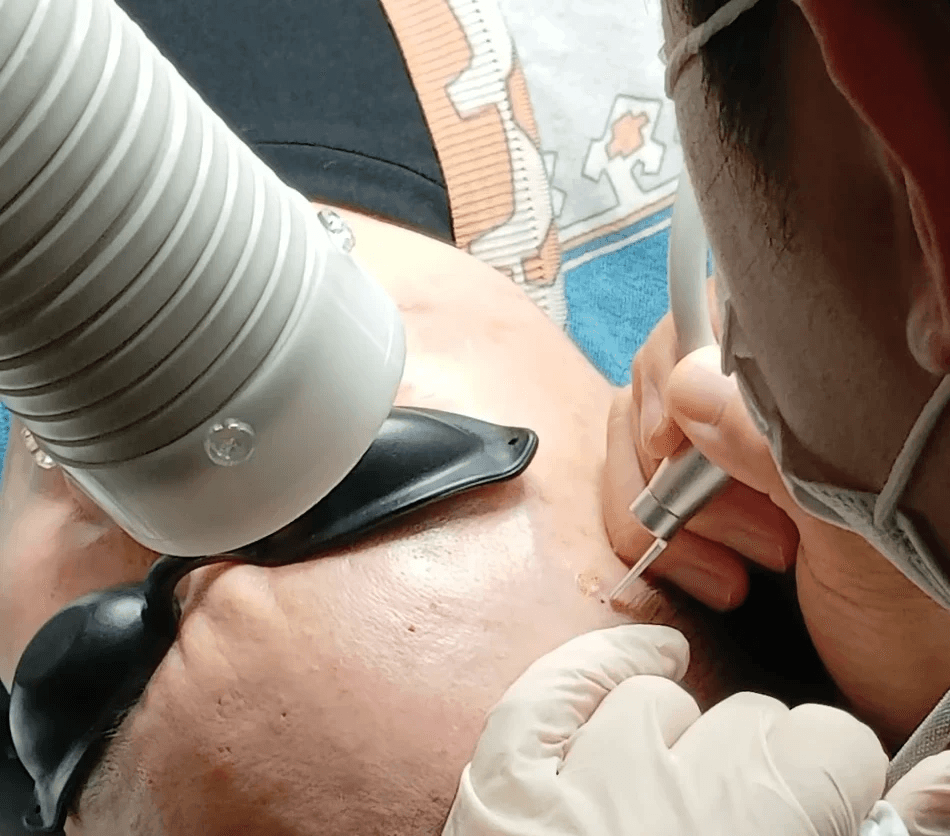
The most common method is CO2 laser treatment.
The CO2 laser carefully opens the surface of the milia, allowing the trapped keratin and sebum to be expelled. If necessary, it can be performed under local anesthesia,
and after the procedure, hydrocolloid dressing helps with recovery.
Typically, full recovery occurs within a few days, and a key advantage is that there are almost no scars left. Depending on the skin condition, electrosurgery or micro-incision treatment may also be combined.
🙅🏻♂️ However, do not forcibly squeeze or poke with a needle!
This can lead to infection, pigmentation, or scarring.
Always seek safe treatment at a dermatology clinic specializing in milia. 🧴 Prevention methods for milia
🫧Thorough washing twice a day 🫧Thorough cleansing after makeup 🫧Use a gentle exfoliator 1-2 times a week 🫧Regular moisturizing to strengthen the skin barrier If the skin is dry, keratin builds up
and sebum production increases, raising the likelihood of developing milia.
Regular care and lifestyle habits are key points in preventing milia.
💡 Key points when selecting a clinic for milia
Milia cannot be easily diagnosed just by appearance.
They can resemble other conditions such as seborrheic keratosis and flat warts.
Therefore, rather than simply choosing based on the laser equipment,
you should opt for a place where experienced medical professionals can diagnose directly and
fine-tune the treatment.
The results vary depending on the depth, strength, and interval of the laser,
and if the energy is too low, there will be no effect,
while too high an energy could lead to scarring or pigmentation.
Especially, milia around the eyes or on thin-skinned areas requires more delicate adjustments.
Because of this, instead of selecting a clinic based solely on the equipment,
it's important to choose professionals who accurately assess the skin thickness and lesion depth
and treat with customized energy.
💬 Q&A
Q1. How many treatments are usually needed? 👉 Most can be removed in one session, but if there is a recurrence or if there are many, it is typically done over 2-3 sessions. Q2. Will there be scars where the milia used to be? 👉 Because only the epidermis is opened using fine lasers, scarring is minimal. However, you must use sunscreen after treatment to prevent pigmentation.
Q3. Can I wash my face or wear makeup right after the treatment?
👉 Starting the day after the treatment, light washing and makeup are possible. However, areas with scabs should not be rubbed, and you should wait for them to fall off naturally. Q4. How can I prevent recurrence? 👉 Being thorough with cleansing, and combining exfoliation with moisturizing can lower the chances of recurrence. If your skin is dry or oily, regular maintenance is also beneficial.
Q5. How can I differentiate between milia and sebaceous cysts?
👉 Milia are white and firm grains,
while sebaceous cysts are flesh-colored or slightly reddish and
tend to spread. However, it’s hard to distinguish with the naked eye,
so a professional dermatological diagnosis is the most accurate.
📌 Summary of Today 1️⃣ Milia are small, firm benign skin lesions. 2️⃣ They occur due to the accumulation of sebum and keratin. 3️⃣ They can be safely removed with CO2 laser and other methods. 4️⃣ Accurate diagnosis and choosing an experienced milia clinic are key. 5️⃣ Improving lifestyle habits is important to prevent recurrence.
Milia may seem like merely a cosmetic issue,
but if management and treatment directions are taken improperly, it can lead to scarring.
Recover your clear skin with detailed care from a dermatologist specialized in milia.
Thank you for reading. This was Kim Ha-won. Recommended Beauty Column Outline & Volume
Nov 24, 2025
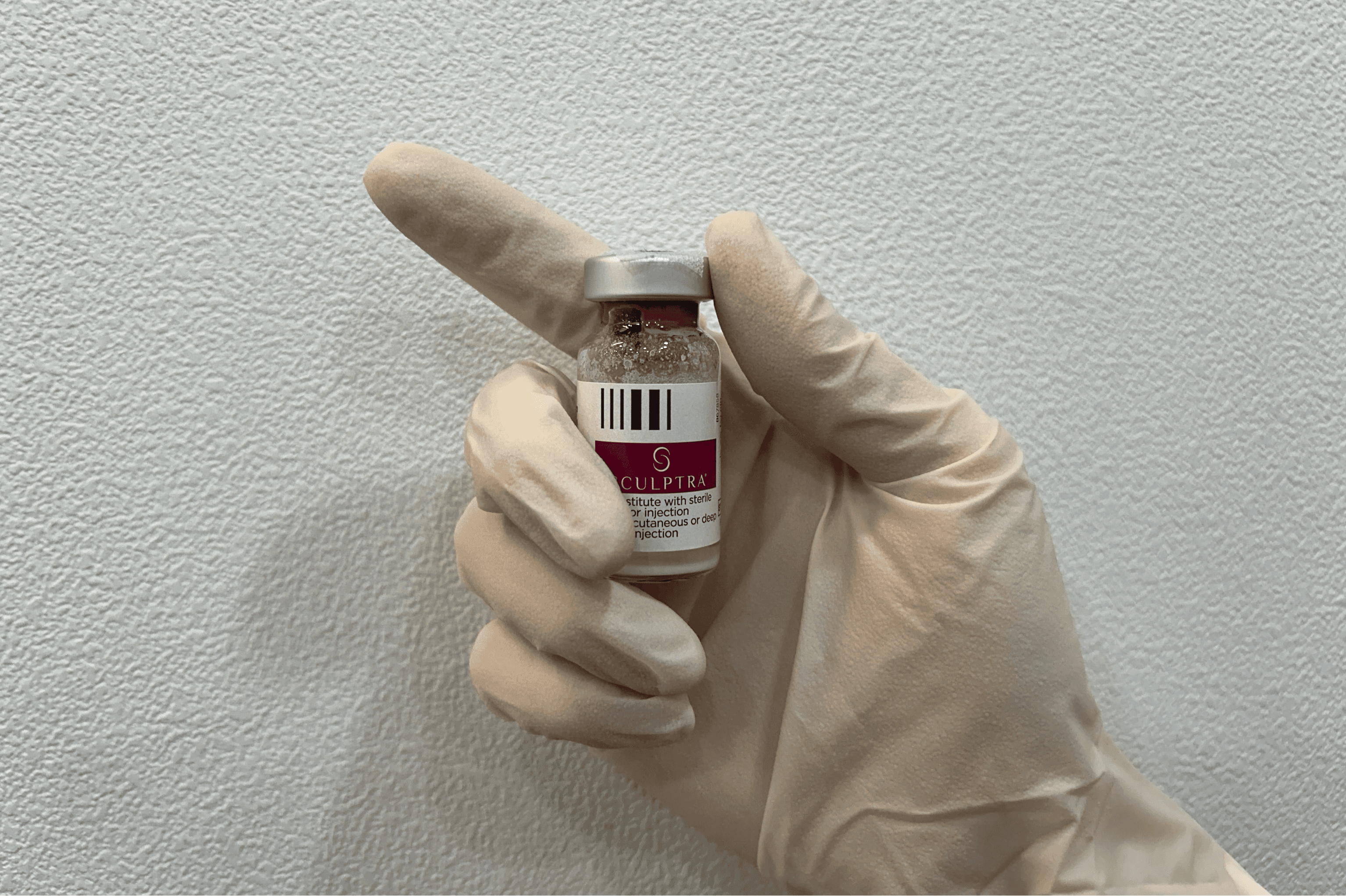
Effects achievable with one bottle of Sculptra The Truth of One Bottle of Sculptra
Lifting

Nov 21, 2025 Who is Sofwave effective for? Sofwave without worrying about ball loss

Nov 17, 2025
The naturalness seen in the reviews of chin fillers Contour shaping starting from the chin
skin
Nov 16, 2025
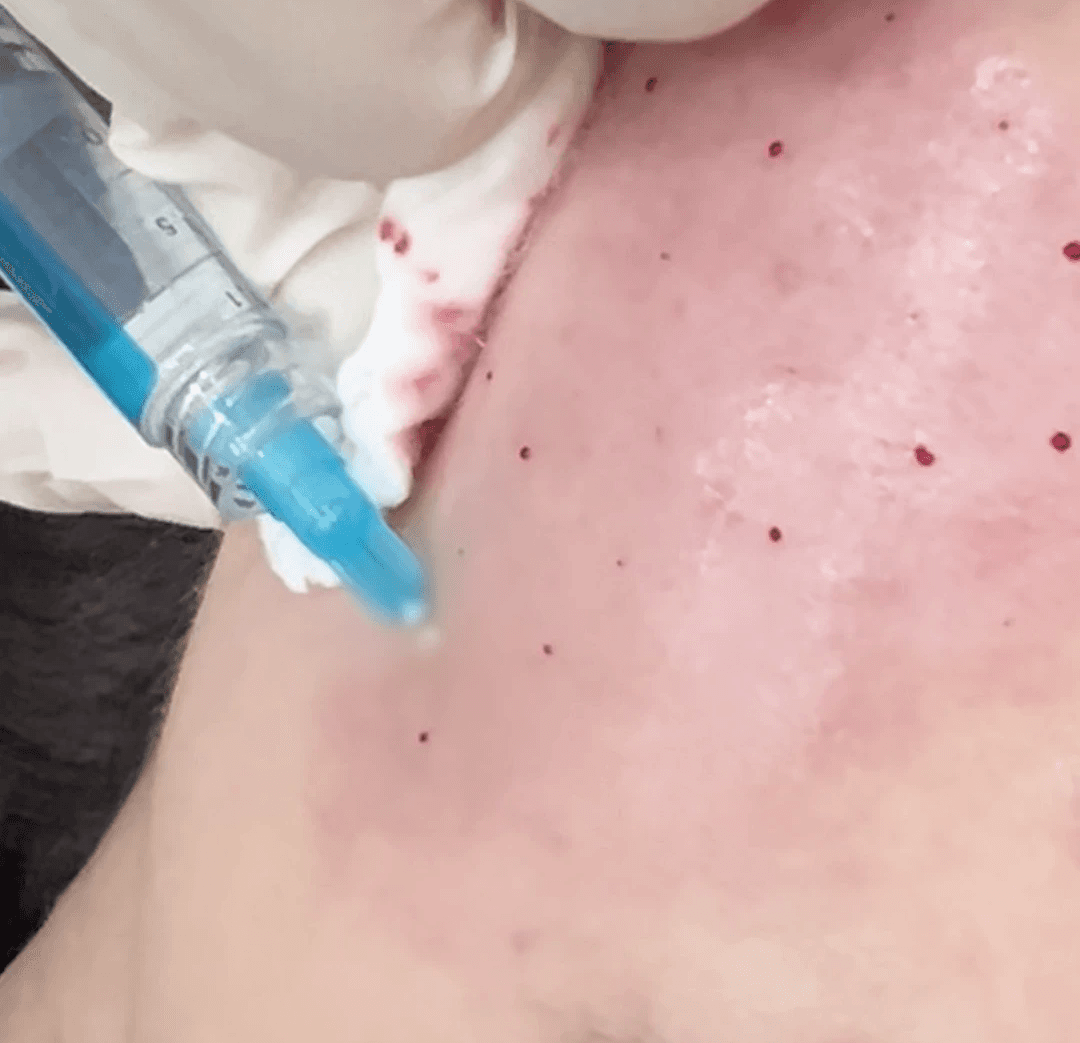
Special collagen injection Retigen Are you really injecting collagen yourself?
Oct 31, 2025
What on earth is radius? Side effects and effects. Everything about Radius Latest post
Mar 26, 2026
쥬베룩과 기존 필러의 차이점, 만들어진걸 넣느냐, 직접 만드느냐?
Mar 24, 2026
[칼럼] 쥬베룩 시술 후 울퉁불퉁, 언제까지 기다려야 할까? 쥬베룩 부작용일까? 정상 반응 vs 진짜 문제 구분법 5가지

Mar 23, 2026
[원장 칼럼] 피부과 입문자를 위한 실패 없는 '가성비 시술' TOP 3 가이드 부담은 낮추고 효과는 확실하게, 가장 경제적인 피부과 관리법 3가지
men's
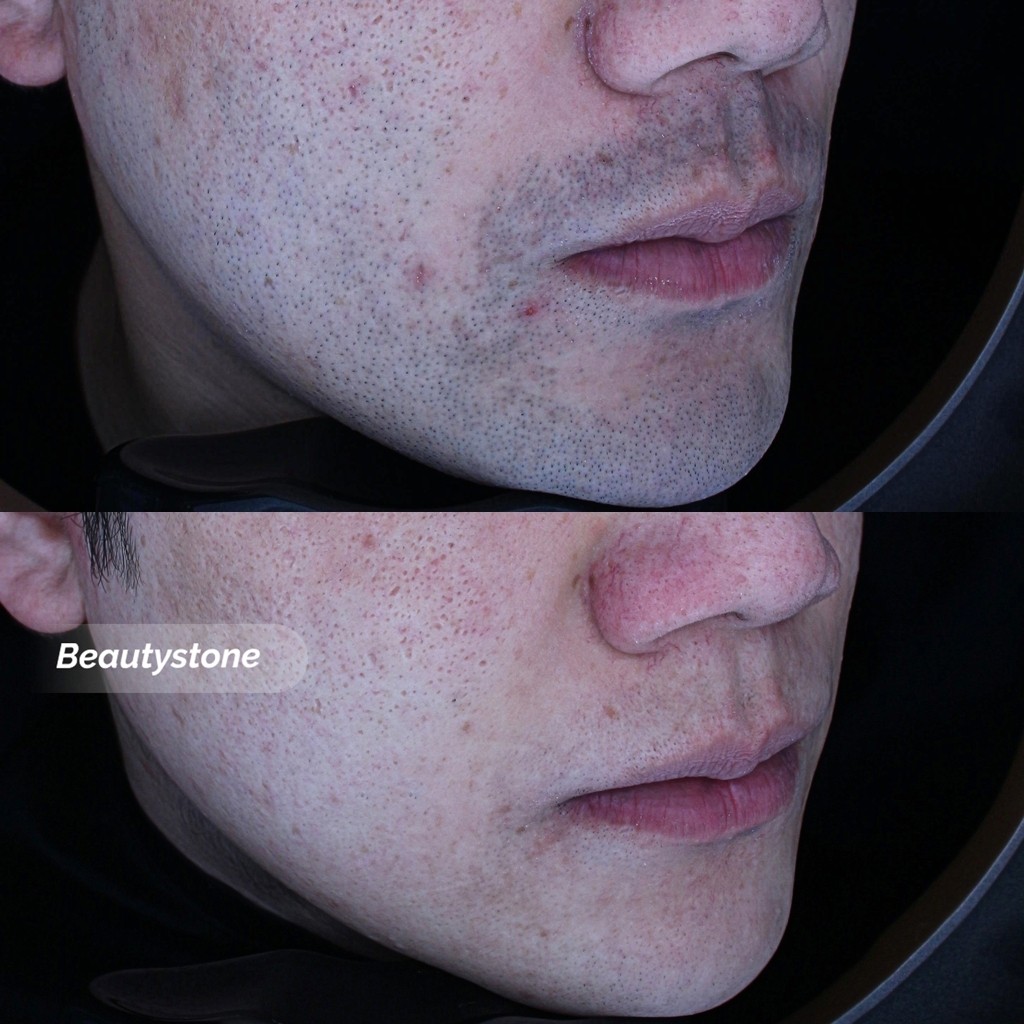
남자 얼굴 전체 제모 범위 6구역 완전 정리 "수염만 되는 거 아닌가요?" — 남자 얼굴 제모 범위의 진짜 기준

Mar 22, 2026
결혼적 웨딩케어 클리닉 vs 홍대·합정, 어디서 받는 게 나을까? 강남 웨딩케어클리닉 말고, 서울대 전문의가 직접 보는 곳
Tattoo removal

Direct Columns Written by Directors Wi Young-jin, Kim Jang-ju, Kim Ha-won, and Kim Ga-eul
Honest and sincere description of skin beauty treatments



Everything about skin beauty treatments is explained Beauty Doctors by Directors Wi Young-jin & Kim Ga-eul