Underarm Odor: Why Doesn't Deodorant Work?
The same deodorant works for some people and not others. Here's a quick breakdown of the individual differences shaped by the ABCC11 gene, bacterial communities, hormones, and diet.

Why does the same deodorant work for some people but not for others?
You use the same brand, the same scent, and the same amount — yet your friend is perfectly fine while you find yourself worrying again by the afternoon. You did the same workout, wore similar fabrics, so why are the results so different? It can be genuinely frustrating.
The short answer. The mechanism behind underarm odor is the same for everyone. However, a few key variables differ from person to person, which means that even starting from the same point, the final intensity can vary significantly. Once you understand those variables, you can find the right approach for your own body.
Before a consultation, it helps to clear up a few common misconceptions.
The Mechanism Is the Same — But the Results Differ
The pathway through which underarm odor is produced is the same for everyone. Apocrine glands release sweat containing proteins and fatty compounds, and bacteria living on the skin break those components down into short-chain fatty acids and ammonia — that's what creates the odor we're all familiar with.
What differs is the raw material going into that process and the bacterial "workers" doing the breaking down. The activity level of your apocrine glands, the types of bacteria living on your skin, and which chemical compounds those bacteria are more efficient at producing — all of these are variables. Even on the same pathway, if the input volume and the bacterial composition differ, the resulting odor intensity can be completely different.
Most Koreans Actually Carry the 'Low-Activity Gene'
Here's an interesting fact: there's a specific gene that determines the intensity of underarm odor. The ABCC11* gene is responsible for transporting proteins and fats into sweat via the apocrine glands. People with a more active version of this gene produce more material for bacteria to break down, while those with a less active version produce less.
ABCC11: This gene acts as a channel through which proteins and fats are transported into sweat via the apocrine glands. A low-activity variant is very commonly distributed among East Asian populations. Some people estimate their own tendency based on whether their earwax is dry or wet.
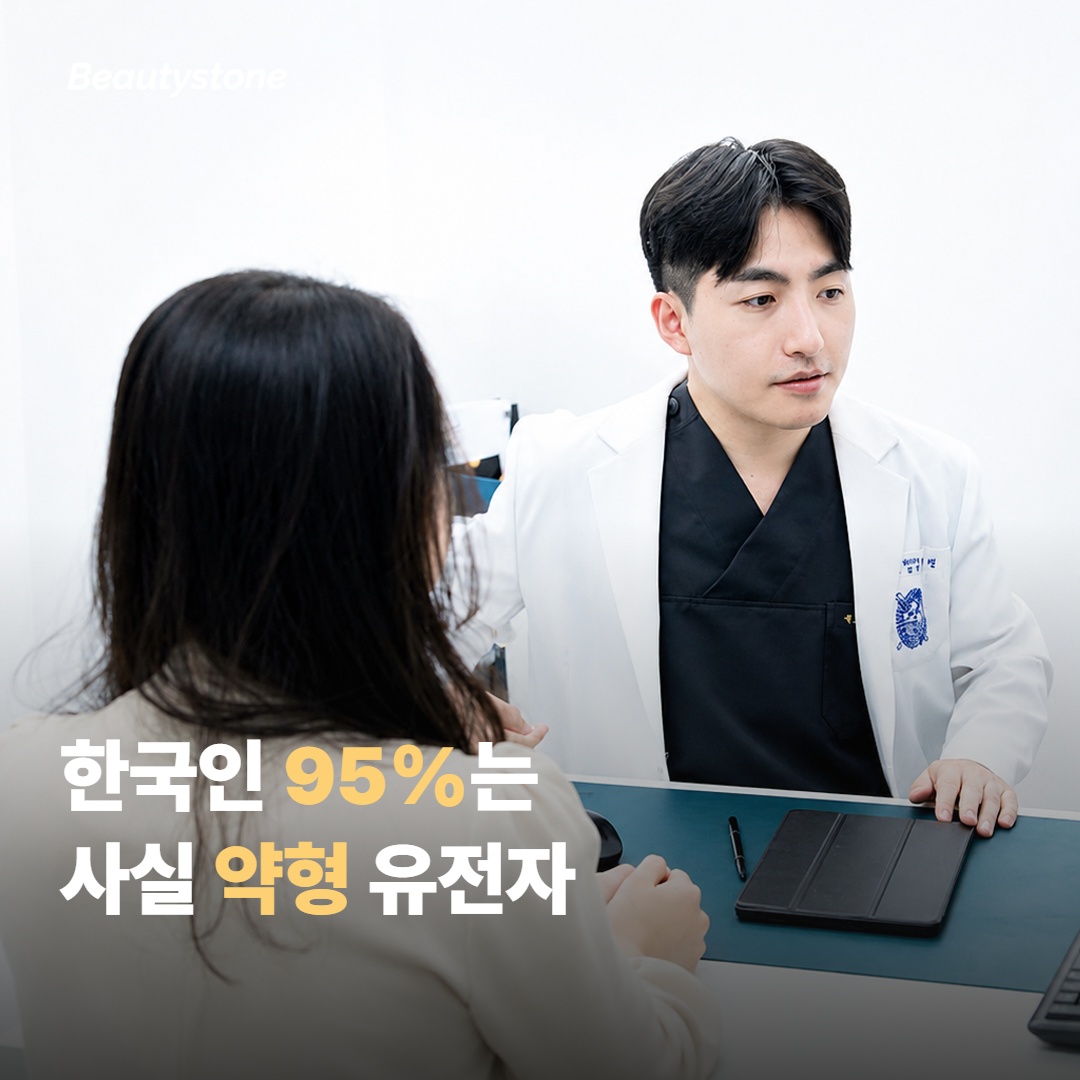
Research has reported that over 95% of Koreans carry the low-activity variant of the ABCC11 gene. So if you feel your odor is stronger than those around you, statistically speaking, you may fall into a less common category. That's nothing to feel bad about — but it can be a signal that standard deodorant usage may not be sufficient for you.
Everyone Has a Different Bacterial Community
Even among people with the same ABCC11 variant, the type of odor produced can still vary depending on the bacteria living on their skin. A higher presence of Corynebacterium tends to produce a sharper, more fermented sour smell, while a dominance of Micrococcus or certain strains of Staphylococcus creates a different odor profile altogether. This is why the same deodorant works well for some people and not at all for others — most deodorants are formulated to target specific bacteria.
Everyday factors like sweat volume, clothing ventilation, shower frequency, and exercise habits gradually shift your bacterial community over time. Even taking a few days off from daily shaving can allow different bacteria to multiply. Rather than trying one or two deodorants and concluding they "don't work," it's more effective to slowly observe which direction your own bacterial profile leans.

Hormones, Diet, and Stress Are Variables Too
Apocrine glands become fully active after puberty — it's not that odor suddenly intensifies in adulthood for no reason; this gland activity is naturally at its peak during that period. Hormonal changes such as pregnancy, menopause, and thyroid fluctuations can also cause notable shifts in secretion levels.
Diet has a significant impact as well. The sulfur compounds in garlic, onions, and curry, along with alcohol and spicy foods, are released through sweat and alter the material available for bacteria to break down. Even cutting back for just a few days can help you get a clearer sense of your personal baseline. During periods of stress, the apocrine glands become particularly active. Unlike regular sweat, emotionally triggered sweat contains a higher concentration of proteins. This is why odor feels noticeably stronger right before an exam, presentation, or interview — it's not just in your head.
Laser Hair Removal Reduces One of the Variables
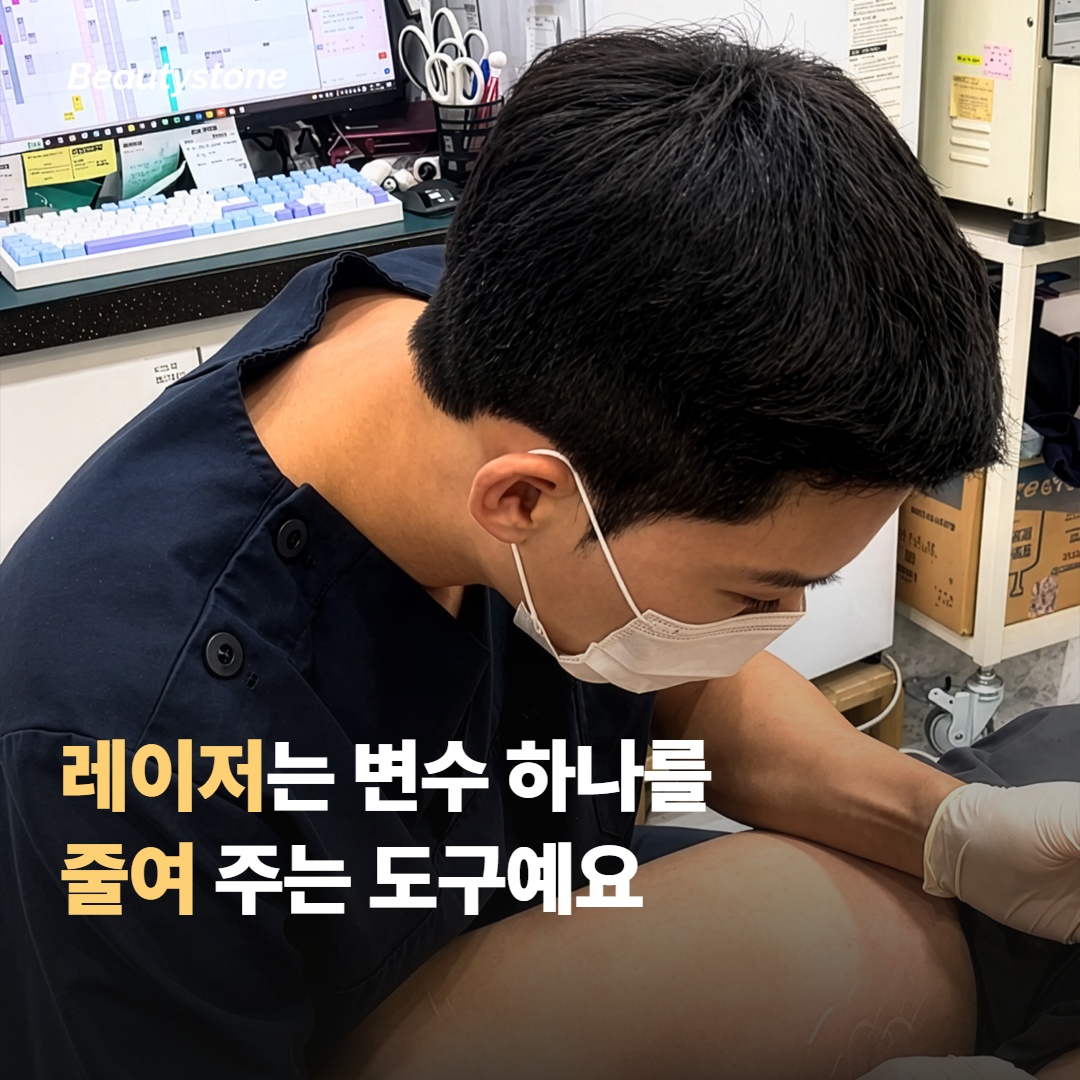
Viewed this way, managing underarm odor means addressing four factors simultaneously: genetics, bacteria, hormones and diet, and environment. Of these, the one you can act on most quickly is the environmental factor — and that includes the hair environment.
Laser hair removal works by reducing the environment in which bacteria thrive. As hair follicles shrink, the space where sweat and sebum tend to accumulate decreases, ventilation improves, and there's less surface area for bacteria to settle. Some clinical studies have reported a reduction in body odor intensity of approximately 60% following laser hair removal. That said, if your ABCC11 activity is high or you have clinically significant axillary osmidrosis, addressing the environment alone may have its limits. In those cases, combining Botox or procedures that directly reduce apocrine gland activity may be necessary for more complete results.
This article is intended as general information only. For guidance tailored to your specific condition, a direct consultation with a dermatologist or plastic surgeon is always the most accurate approach.
Frequently Asked Questions
Q. No one in my family has a strong body odor, but I do. Is it still genetic?
A. Even within the same family, ABCC11 gene combinations can differ. That said, genetics is only one of several variables — it's worth also considering the influence of diet, hormones, and bacterial community.
Q. I've been using deodorant for a while, but it suddenly seems less effective.
A. Over time, your bacterial community can shift toward strains that are less sensitive to the active ingredients in a particular deodorant. Trying a different product, or alternating between one that reduces sweat and one that masks odor, may help.
Q. If I get laser hair removal, will I be able to live without deodorant?
A. If your ABCC11 activity is low and your odor isn't particularly strong to begin with, that's a realistic possibility. However, if your activity level is high, supplementary management will likely still be needed even after completing your sessions.