When Is It Safe to Treat a Wound Yourself?
Most small cuts, burns, and bites heal fine with a pharmacy ointment, but a few warning signs mean self-care isn't the right call. Here's how to tell the difference before day five.

A small cut, a kitchen burn, a bug bite that won't stop itching — for most of us, the automatic move is a trip to the pharmacy aisle, not the doctor's office. Most of the time, that instinct is right. But every so often, a wound that looks minor on day one turns into something that needed stitches or antibiotics by day five. In this article, we'll cover the three-question test that separates a wound you can handle yourself from one that needs a professional look, plus a simple timeline for knowing when self-care has stopped working.
Can You Treat This Wound at Home? The 3-Question Test
Before you reach for the ointment, run through three quick checks. If any one of them comes back "no," a clinic visit is the safer move — even if the wound looks small.
- Is it clean? Dirt, rusted metal, an animal's teeth, or another person's saliva or blood can leave bacteria behind that rinsing alone won't fully clear. These wounds also carry a tetanus risk, so a same-day evaluation is worth it.
- Is it shallow? If you can see the yellowish fat layer below the skin, or bleeding hasn't slowed after five minutes of steady pressure, that wound likely needs stitches. Self-care on a wound that deep tends to leave a more noticeable scar.
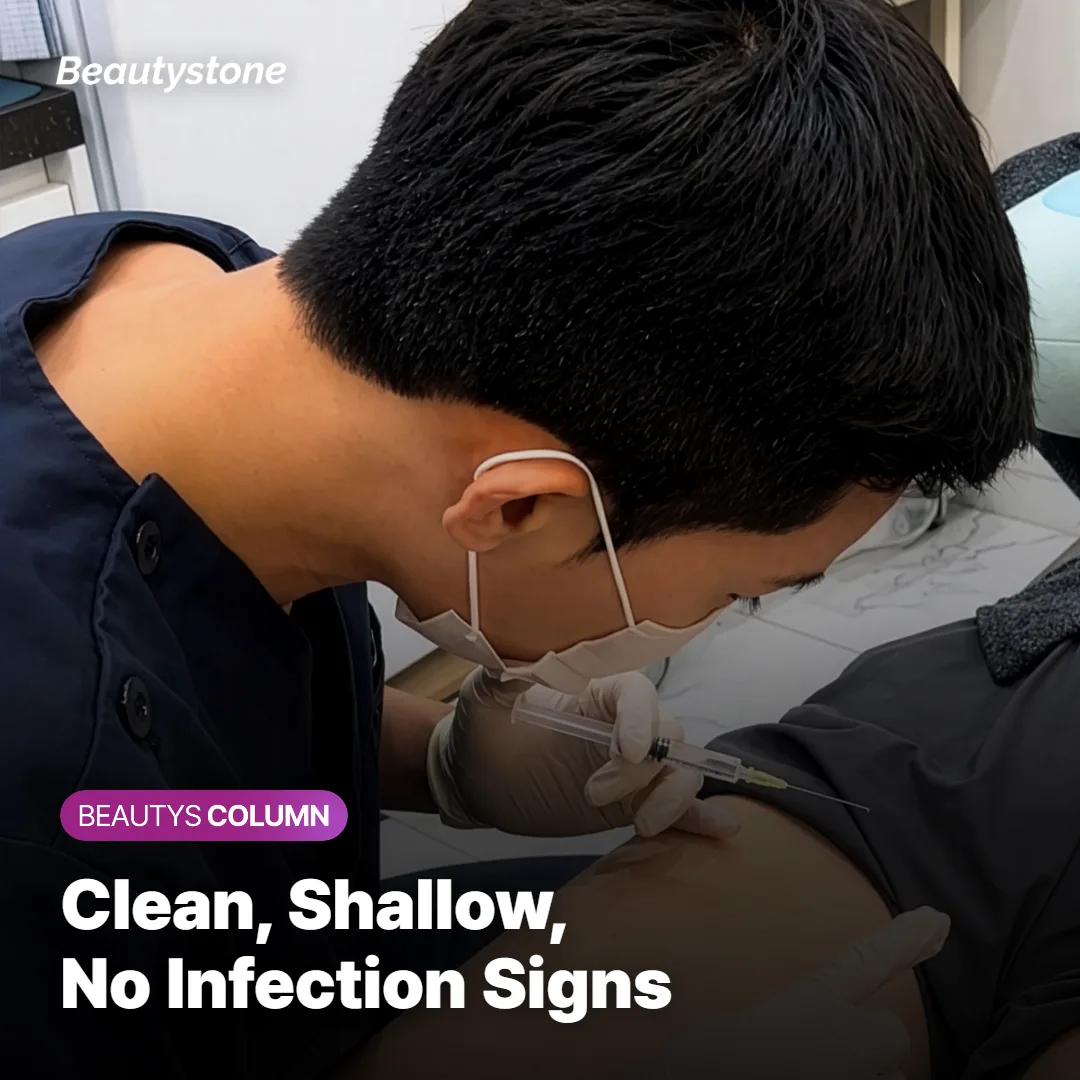
- Are there infection signs already? Increasing swelling, spreading redness, yellow discharge, or warmth at the 24-hour mark means bacteria have already moved in. An everyday ointment isn't strong enough to catch up at that point.
A Quick Guide to Common OTC Wound Ointments
It's easy to freeze in the pharmacy aisle. This isn't a substitute for a diagnosis, but it's a fast reference for the categories that come up most.
| Wound Type | Common OTC Option | What to Know |
|---|---|---|
| Minor cuts & scrapes | Triple-antibiotic ointment | Apply a thin layer after rinsing; keeping the wound moist tends to heal faster than letting it air-dry. |
| Shallow scrapes that keep weeping | Hydrocolloid dressing | Traps moisture and can be left on for a few days at a stretch — check the packaging for change intervals. |
| First-degree burns (red, no blistering) | Aloe vera or burn-specific gel | Cool the area under running water first; skip ice directly on the skin. |
| Itchy insect bites | Hydrocortisone cream | Meant for short-term use; check with a pharmacist before using it on broken skin. |
The 5-Day Rule: How Long Self-Care Should Take to Work
Once you've started treating a wound yourself, five days is a natural checkpoint. If pain is easing, swelling is going down, and any discharge is drying up within that window, self-care is doing its job.
If day five arrives and the pain has gotten worse, the area is more swollen than it was on day one, yellow discharge hasn't let up, or a fever has shown up, that's not a "wait a little longer" situation. It's a cue to book an appointment.

Infection Signs: The Safety Red Flags to Watch For
A handful of signs point to infection regardless of where you are in the five-day window, and they're worth knowing before you need them.
- Spreading redness: Especially if it's moving outward from the wound rather than staying contained.
- Red streaking: Lines that trail away from the wound toward the heart can signal the infection is spreading through the lymph system.
- Thick yellow or green discharge: Clear fluid in the first day or two is normal; colored, foul-smelling drainage isn't.
- Fever or chills: A sign the infection may have moved beyond the skin's surface.
If you notice spreading redness, fever, or pain that keeps getting worse, seek medical care right away rather than waiting out the rest of the five days.
Wounds That Need a Doctor From Day One
A few situations skip self-care entirely, since the risk of getting it wrong outweighs the convenience of a pharmacy fix.
- Animal bites: The bacteria involved aren't ones an OTC ointment is built to handle, and rabies risk needs a professional assessment.
- Deep cuts on fingers or toes: These areas pack in nerves and tendons close to the surface, so what looks like a simple cut can mean more underneath.
- Wounds on the face, joints, or genitals: Scarring and function matter more in these spots, and a doctor is better positioned to decide whether stitches are needed.
- Burns larger than your palm: These carry a higher infection risk and often heal better under professional guidance.
- Diabetes or a weakened immune system: Wounds can worsen faster than usual, so it's worth getting even a small one checked early.
One Habit That Makes Self-Care Safer: Photo-Tracking
One of the simplest ways to use an OTC ointment well is to photograph the wound — right after treating it, again at 24 hours, and again at 48 hours, from the same distance and under similar lighting.
Memory tends to skew toward "it's getting better," even when it isn't. A side-by-side photo comparison makes improvement or decline obvious, so you're less likely to miss the point where a doctor's visit becomes the right call.
This article is general information, not a diagnosis. The safest way to know whether a specific wound is right for self-care is to check with a healthcare provider directly.
The Bottom Line
- Self-care works when a wound is clean, shallow, and free of infection signs.
- Five days without improvement — or any worsening before then — is the signal to stop DIY and get it looked at.
- Animal bites, deep cuts, and wounds on the face, joints, or genitals are safer starting with a doctor, not a pharmacy shelf.
Like most home health calls, this one comes with some judgment involved, and it's fine to lean toward caution. If a wound doesn't seem to be improving on schedule, a quick visit to a doctor or urgent care is the safest next step. And if a scar or lingering skin concern needs a longer-term look afterward, that's a conversation for a dermatologist — Beautystone, a dermatology clinic in Seoul's Hapjeong neighborhood, is one option, with current offers listed at /en/promotion. Ultimately, the choice comes down to what the wound in front of you actually looks like, not a general rule.
Frequently Asked Questions
Q1. How many days should I give an OTC ointment before I see a doctor?
Give it about five days. If pain, swelling, or drainage haven't started easing up by then — or if they're getting worse — it's time for a professional to take a look.
Q2. Which OTC ointment works best for a fresh cut?
A thin layer of triple-antibiotic ointment after rinsing the wound with water is the standard go-to for shallow, clean cuts and scrapes.
Q3. What are the clearest signs a wound is infected?
Watch for spreading redness, red streaks leading away from the wound, thick yellow or green discharge, increasing warmth, or a fever. Any of these means it's time to stop self-treating and get it checked.
Q4. Can I use an OTC ointment alongside a prescription my doctor gave me?
Check with your provider first. Layering an over-the-counter product on top of a prescription can double up on the same ingredients and irritate the skin more than it helps.