Sheet Mask Every Day: Helpful or Harmful?
Wondering if daily sheet masking is actually good for you? Here are two key reasons it may be damaging your Skin Texture instead.

Does Using a Sheet Mask Every Day Really Improve Your Skin? — Two Reasons It Backfires
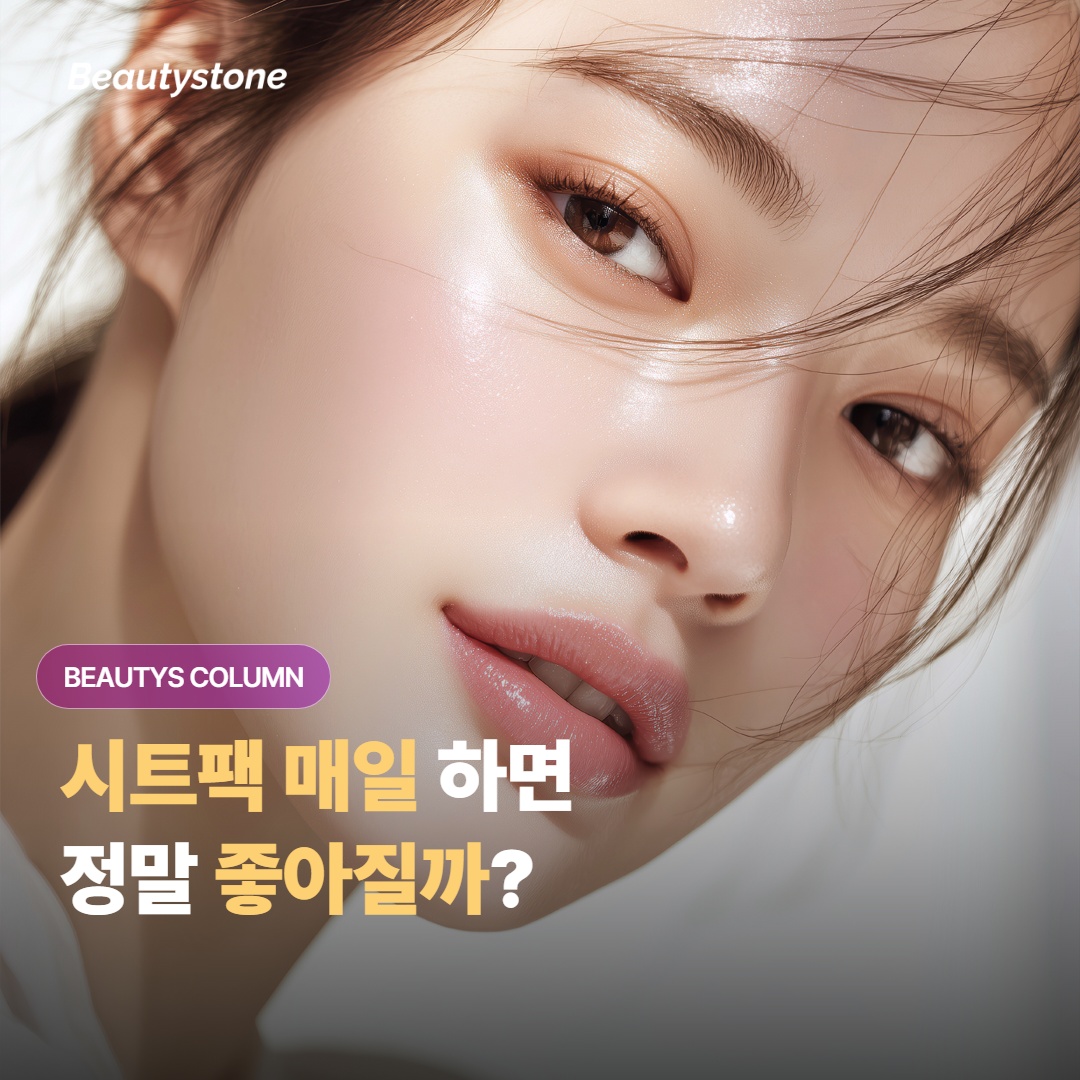
For many people, applying a sheet mask before bed has become part of their nightly routine. Ads and videos often tout the "one mask a day" approach, and bulk packs of 30 sheets are everywhere. Yet among those who mask daily, quite a few actually notice their Skin Texture getting worse over time. Why does that happen?
The short answer. Sheet masks are not the kind of product where daily use builds cumulative results. Used incorrectly, they can actually become a turning point that weakens your skin barrier.
What Sheet Masks Actually Do — and What They Can't
The core function of a sheet mask is "short-term penetration of water-based ingredients + temporary surface occlusion." When the mask adheres closely to your face, the active ingredients trapped between the sheet and your skin temporarily penetrate deeper into the surface of the epidermis. Afterward, your skin looks plump and your Skin Texture appears smoother.
However, this effect is short-lived and does not accumulate. The morning after a sheet mask, your skin returns to its baseline. That's quite different from the intuitive assumption that "the more often you use it, the better your skin gets."
The First Reason Daily Sheet Masking Damages Your Skin Texture
Sheet masks are typically worn for around 15 to 20 minutes, and the time the sheet spends in contact with the surface of your skin is itself a form of stress. In particular, using sheet masks containing active ingredients at the same time every day can gradually strip the protective lipids from your epidermis.
Even if your skin looks immediately Moisturizing afterward, you may notice slightly rougher Skin Texture and increased sensitivity the next day. Over time, that pattern becomes a permanently rougher baseline.
The Second Reason Daily Sheet Masking Backfires — Over-Hydration
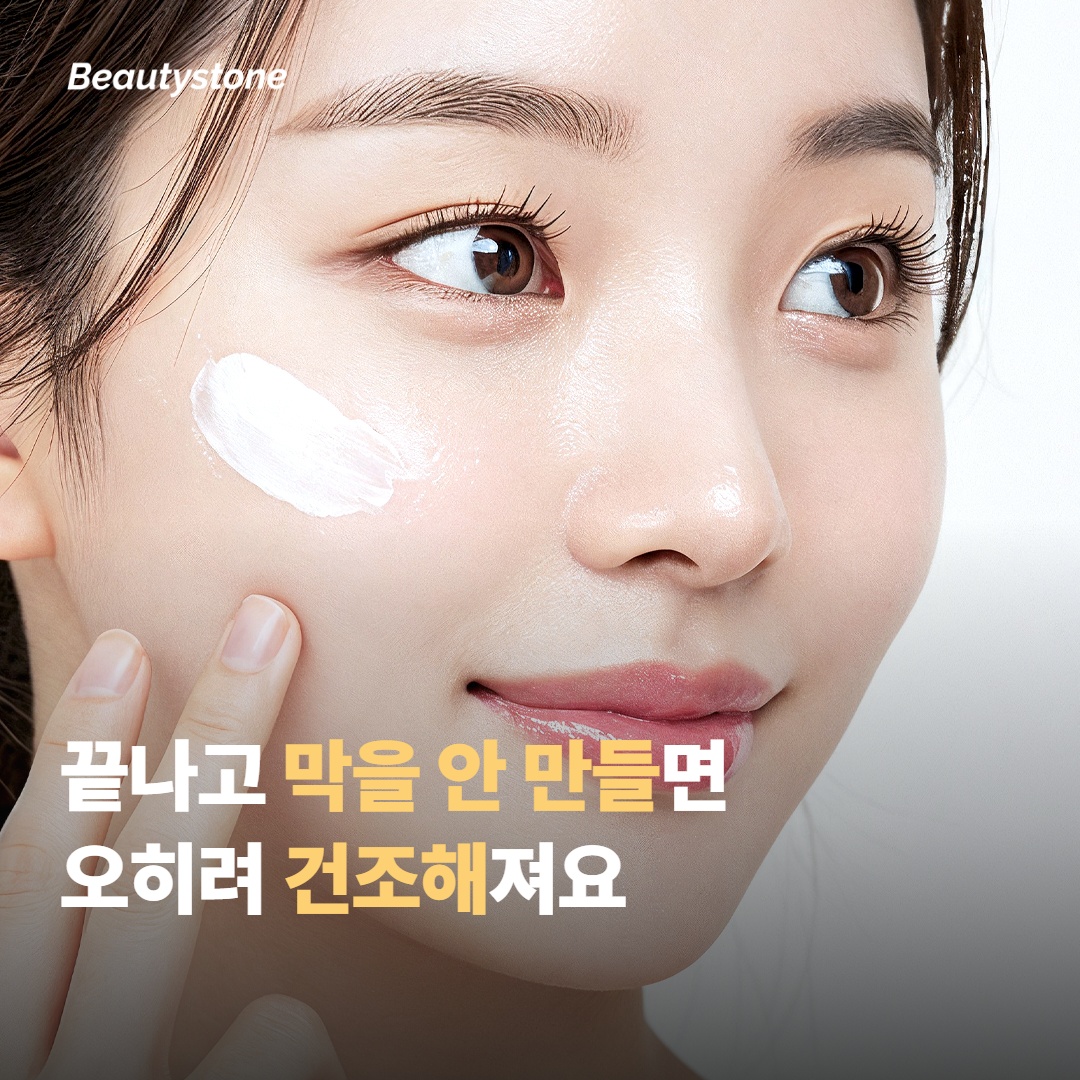
Sheet masks flood the skin surface with moisture all at once, but once the mask is removed, that moisture evaporates into the air — and it pulls your skin's own moisture along with it. If you leave the residual essence on your skin and go to sleep, your skin can actually end up drier by morning.
That's why, after a sheet mask, you should gently pat in any remaining essence and then seal it in with a lightweight cream or facial oil. Skipping this step means daily sheet masking is more likely to leave your skin in worse condition than before.
How to Get the Most Out of Sheet Masks
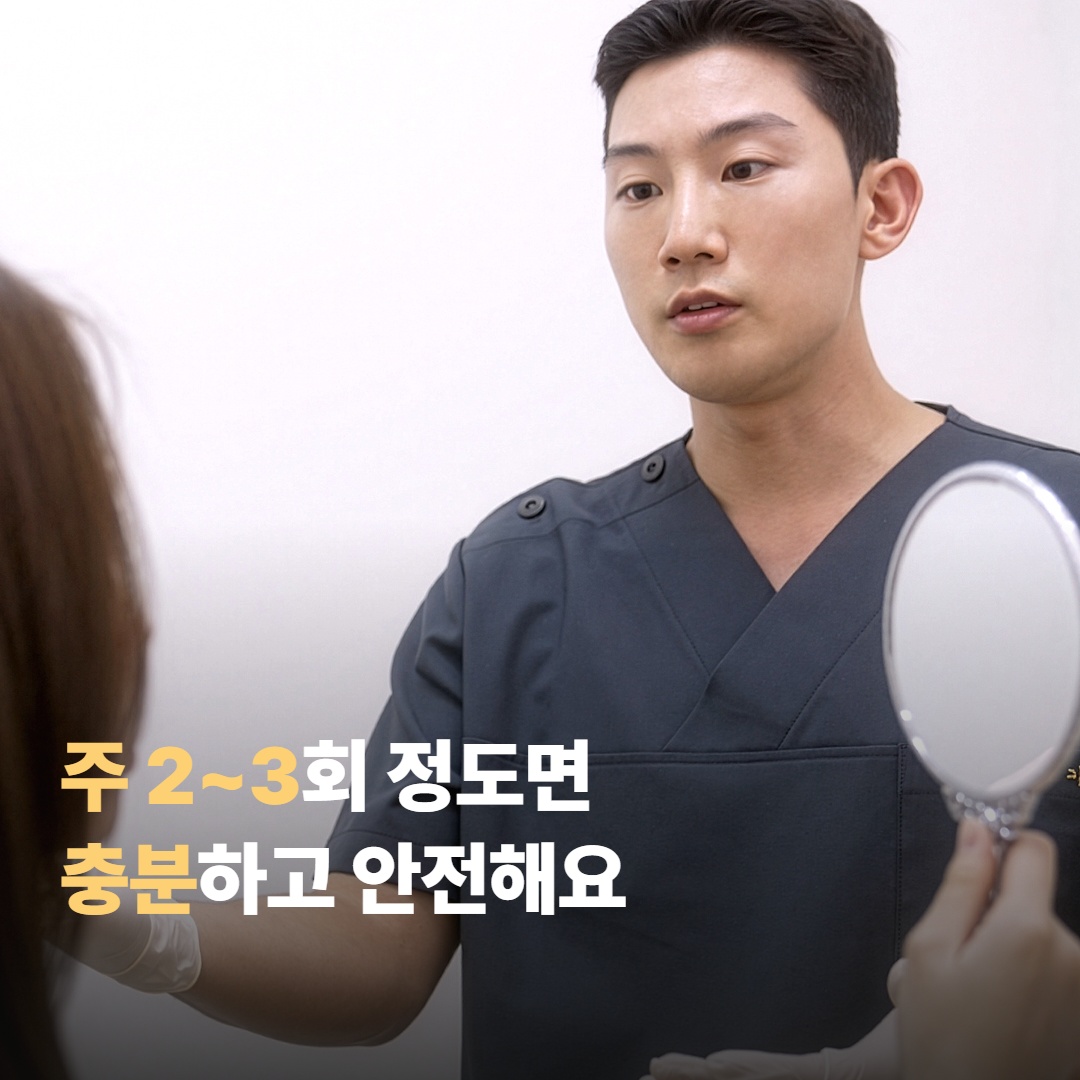
The most sensible frequency is 2 to 3 times per week. If your skin tends to be dry and responds well to sheet masks, up to 3 times a week is reasonable. If you have sensitive or breakout-prone skin, 1 to 2 times a week is the safer approach.
Keep the application time to around 15 minutes. Wearing a mask for 30 minutes or longer allows the sheet to dry out and actually draw moisture back out of your skin. Putting a mask on and falling asleep in it is a practice that's unfavorable for almost every skin type.
Using sheet masks as an occasional treat rather than a daily ritual also works well — think the night before a wedding, the evening before an important meeting, or a day when your skin feels particularly dull.
There Are More Effective Ways to Moisturize Than Sheet Masks
If your skin needs daily Moisturizing, there's a better answer than sheet masks. Consistently using a Moisturizing cream that suits your skin type delivers far more cumulative benefit. The cost of 30 sheet masks is more than enough to invest in one or two quality Moisturizing creams.
If your skin feels like it needs daily replenishment, it's worth looking at your environment first. A humidifier, your daily water intake, the position of the air conditioner in your office, the dryness level in your bedroom — these environmental factors can make a far greater difference than any single sheet mask.
This article is for general informational purposes only. If you experience chronic dryness or repeated irritation after using sheet masks, that's a signal worth bringing up with a doctor.
Further Reading
Frequently Asked Questions
Q. Is it okay to leave the residual essence on my skin and go to sleep after a sheet mask?
A. It's not recommended. As it dries, it can draw moisture out of your skin. Gently pat the essence in, then apply a cream or facial oil on top to seal it in.
Q. Can I use a sheet mask in the same routine as active ingredients like retinol or vitamin C?
A. Using a Moisturizing sheet mask as a follow-up step after your active ingredients can help calm and stabilize the skin. However, using a sheet mask that itself contains active ingredients separately may lead to cumulative irritation.
Q. Are there more effective Moisturizing options than sheet masks?
A. A Moisturizing cream suited to your skin type, combined with environmental adjustments such as using a humidifier and staying well-hydrated, delivers more cumulative results. Think of sheet masks as a supplementary step or an occasional boost rather than a core part of your routine.