UVA vs. UVB: Why Summer and Winter Sun Differ
How UV rays change by season — here's what UVA and UVB each do to your skin.

Why Summer and Winter UV Rays Are Different — Breaking Down UVA vs. UVB
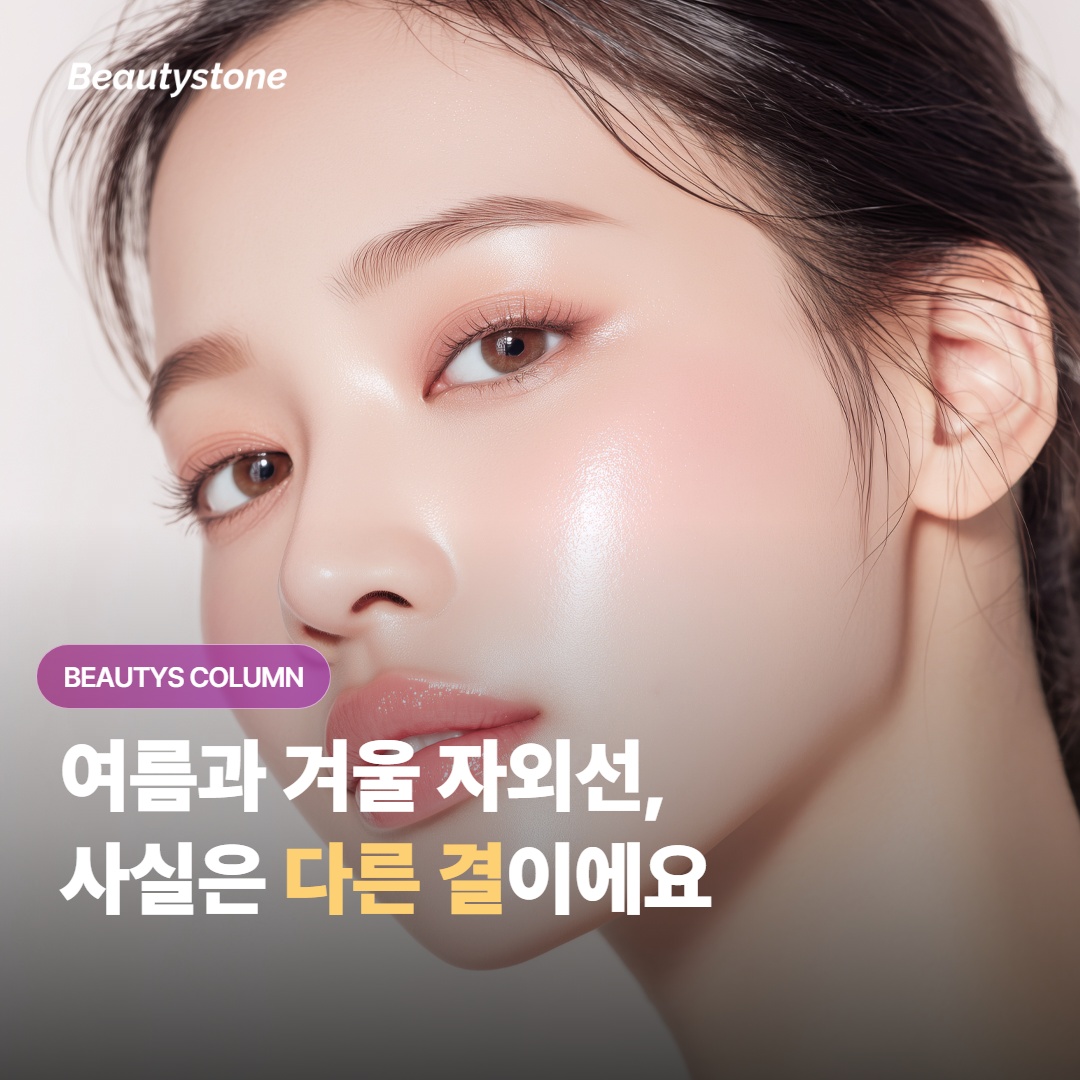
A lot of people are diligent about applying Sunscreen every day in summer, then gradually let it slide once winter rolls around. "The sun isn't as strong, so I should be fine" — but the truth is, there's a type of UV radiation you still need to protect against in winter. That's because summer and winter UV rays affect your skin in very different ways.
The bottom line. UVB intensity increases in summer, while UVA makes up a relatively larger proportion in winter. Since the two affect your skin differently, your approach to sun protection should actually shift with the seasons.
The Key Difference Between UVA and UVB
UV radiation is classified into UVA, UVB, and UVC based on wavelength. The ones that actually reach your skin are UVA (about 95%) and UVB (about 5%).
UVB has a shorter wavelength and carries more energy. It acts on the epidermis and causes sunburn, pigmentation, and DNA damage. That red, sunburned look you get from intense summer sun? That's UVB at work. The SPF rating on your Sunscreen measures its ability to block UVB.
UVA has a longer wavelength and lower energy, but it penetrates much deeper. It reaches the Dermis, breaking down Collagen and driving photoaging. It doesn't typically cause sunburn, but years of cumulative exposure lead to Fine Lines, sagging, and pigmentation. The PA rating (or PPD) on your Sunscreen measures its ability to block UVA.
How the Balance Shifts by Season
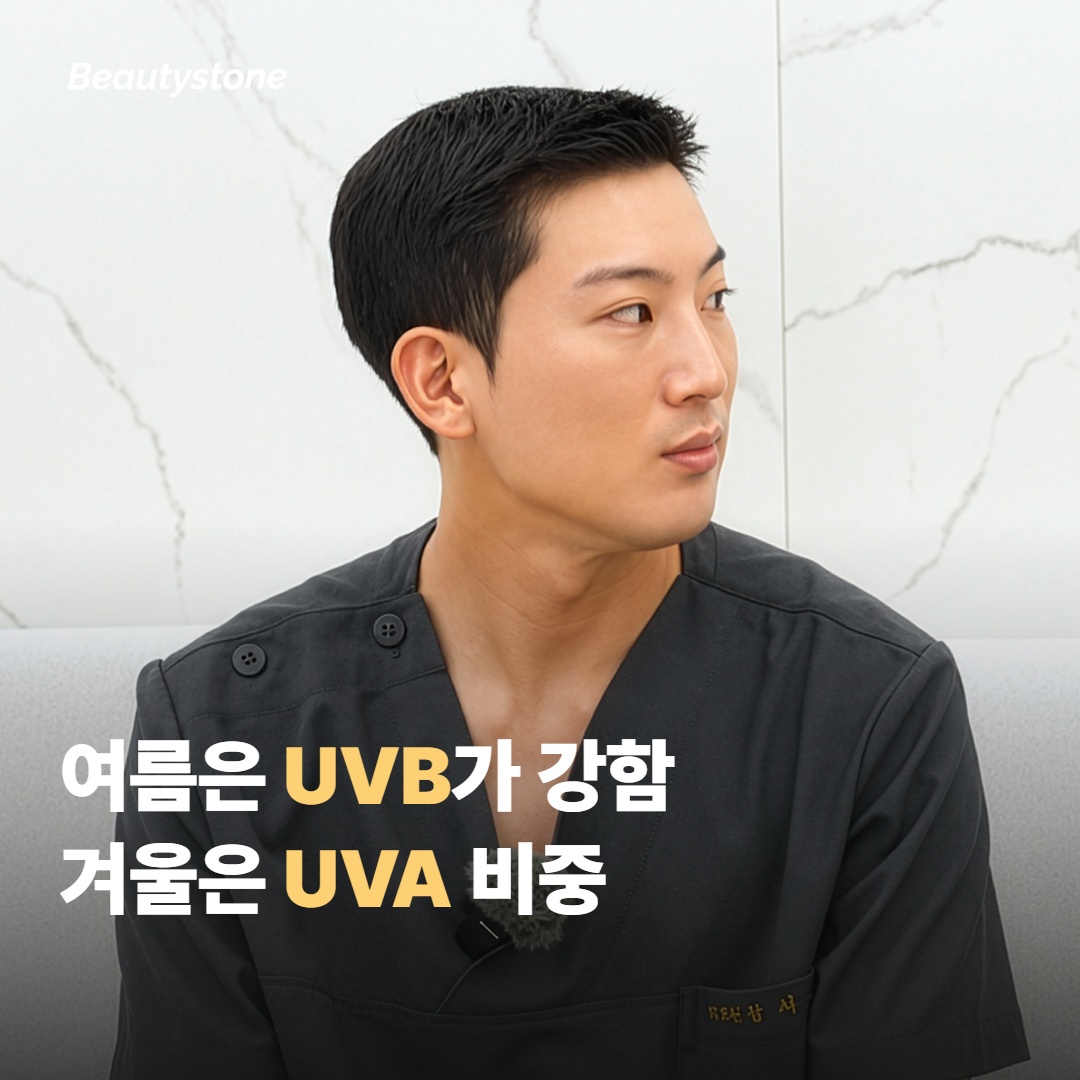
In summer, the sun sits higher in the sky and UVB intensity rises sharply. UV index readings of 8 or above are common during peak hours. The risk of sunburn is at its highest, and pigmentation can develop rapidly.
In winter, the sun is lower and UVB levels drop significantly. UV index readings typically fall to around 2–3. That's where the impression that "you don't need Sunscreen in winter" comes from.
However, UVA levels fluctuate far less with the seasons. Even a one-hour outing in winter still accumulates UVA-driven photoaging. On top of that, UV rays reflected off snow can add extra exposure. And on overcast days, UVA passes through clouds almost unimpeded.
The Result: Skin Damage Looks Different Each Season
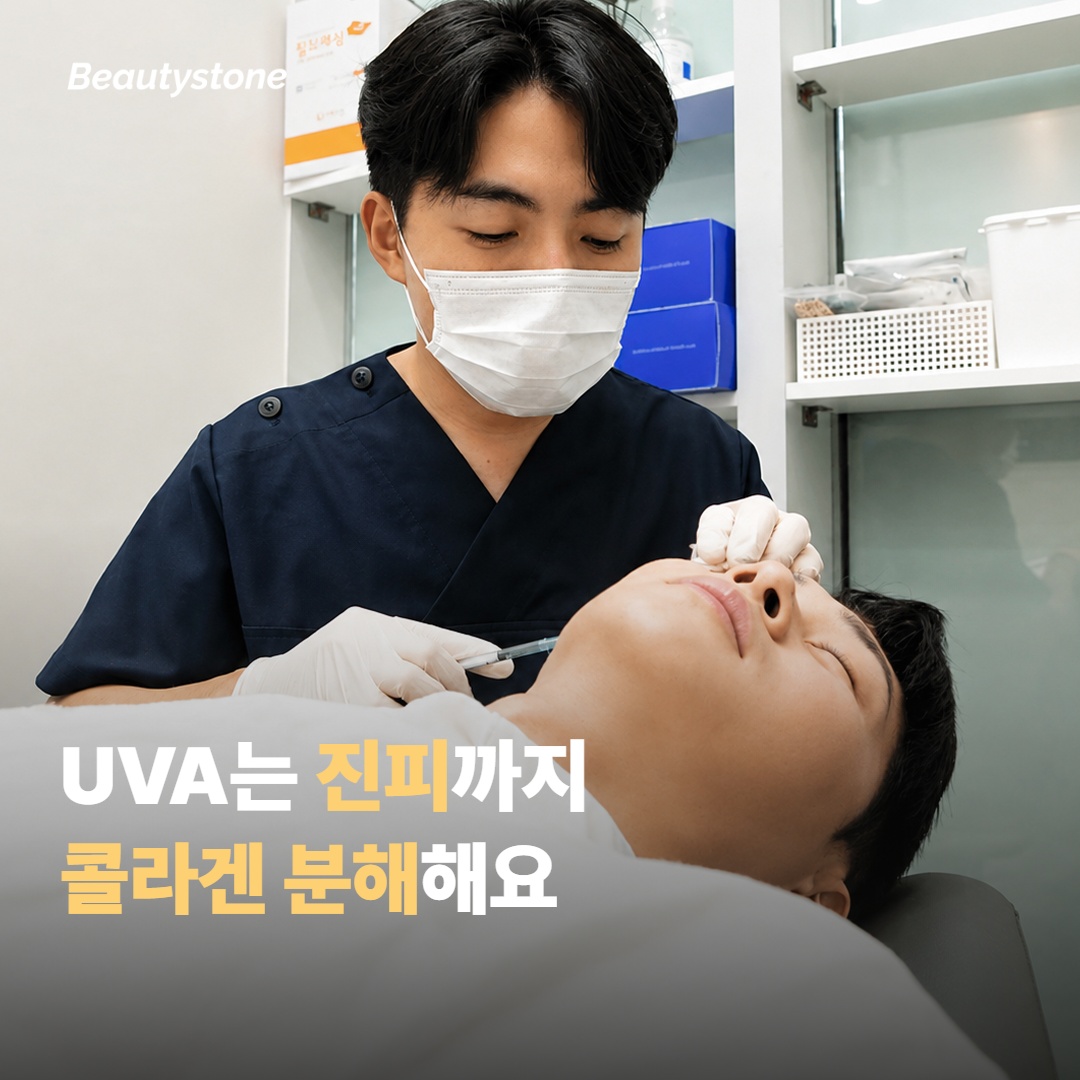
Summer damage tends to show up quickly. Your skin reddens, darkens over the following days, and visible pigmentation often sets in within weeks. Stubborn pigmentation that doesn't fully recover continues to accumulate.
Winter damage builds slowly and quietly. You won't notice it right away, but the Collagen in your Dermis breaks down a little more each day. Over five or ten years, the Fine Lines and sagging become unmistakable.
In short: summer tends to accumulate pigmentation-type damage, while winter silently accumulates aging-type damage.
Choosing the Right Sunscreen for Each Season
In summer, look for SPF 50 and PA+++ or higher. With UVB at its strongest, a high SPF matters. Pair it with a water-resistant formula and make it a habit to reapply throughout the day.
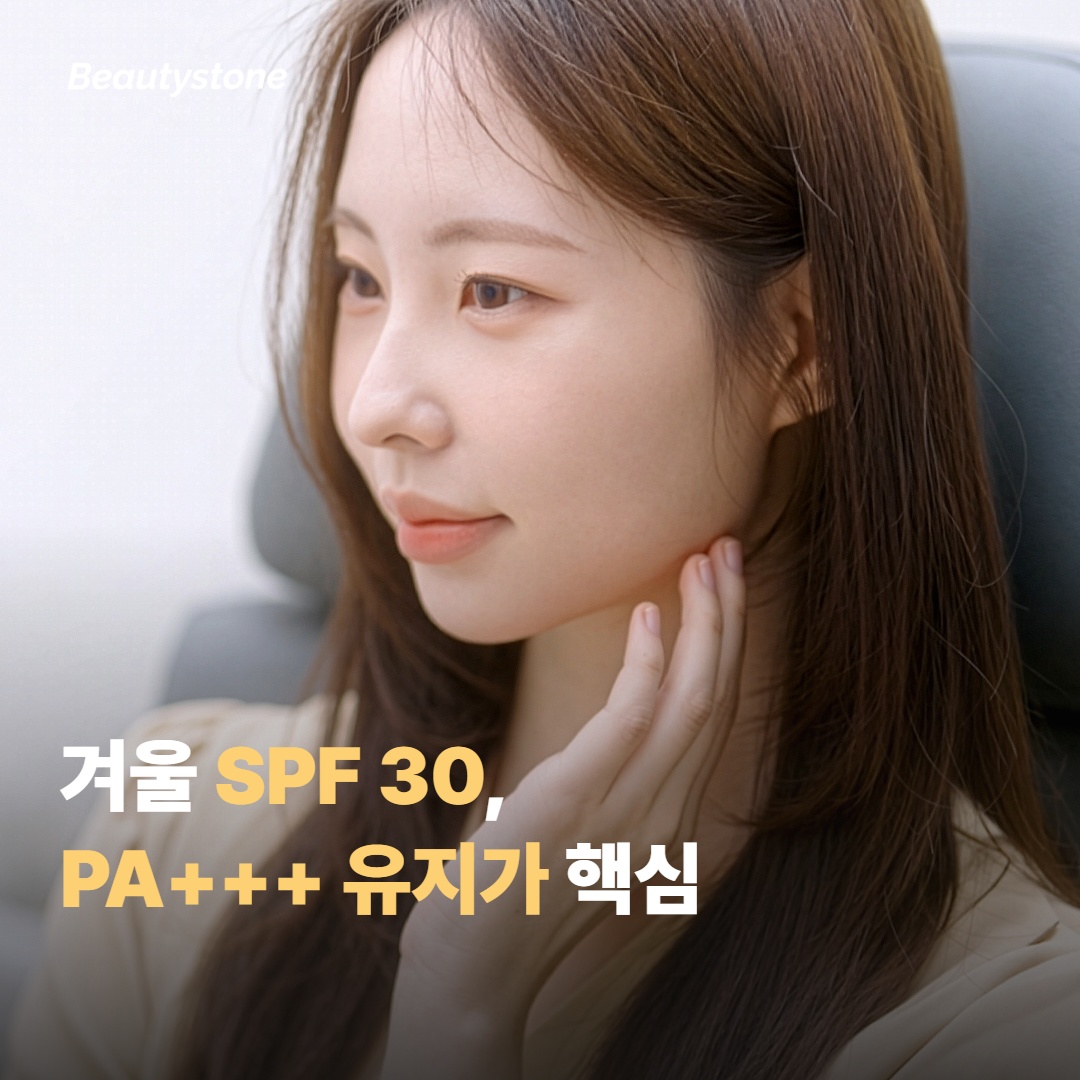
In winter, SPF 30 with PA+++ is sufficient for most daily routines. You can afford to lower the SPF, but keep the PA rating (UVA protection) just as high. Switching to a more hydrating formula can also make application feel much more comfortable in the colder months.
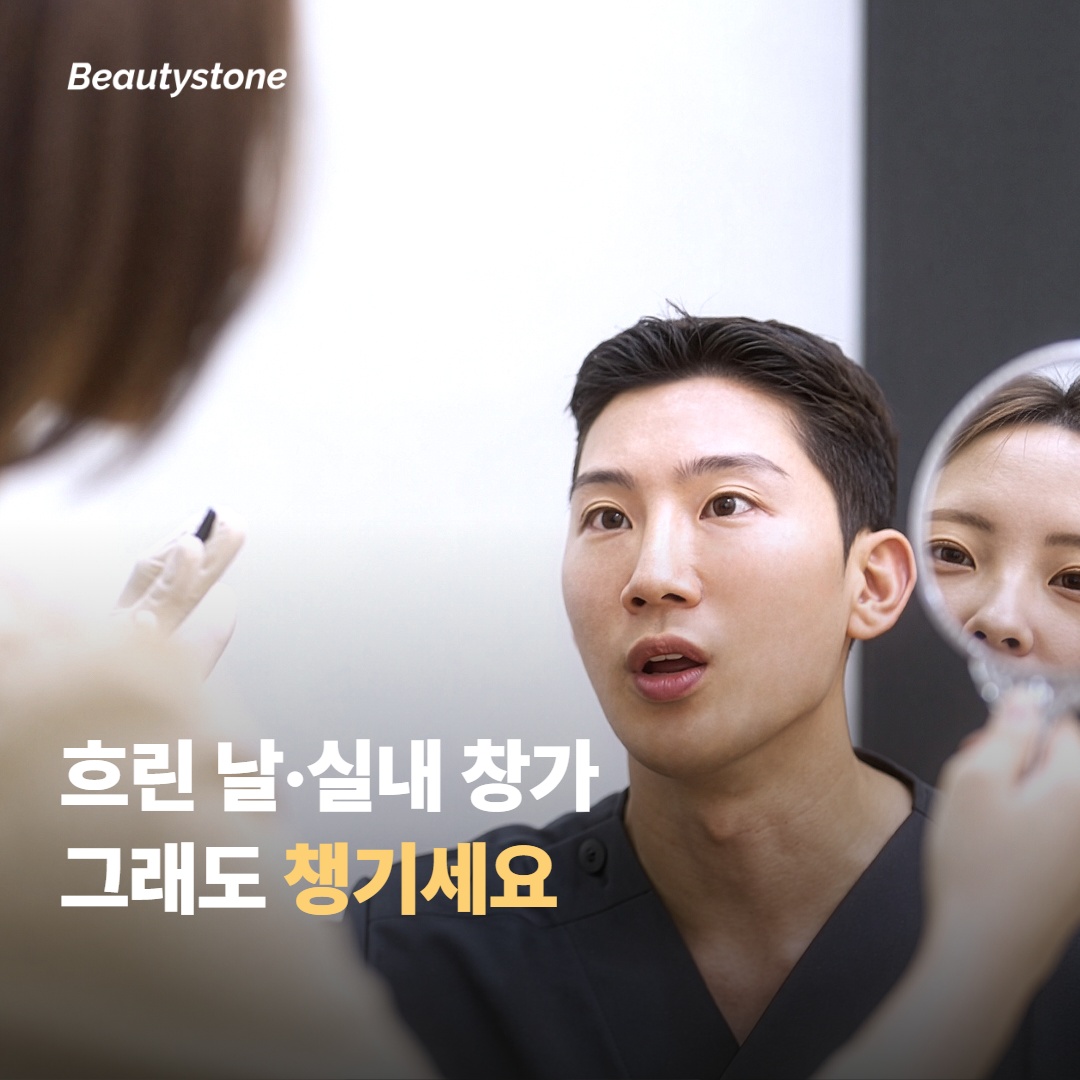
Skipping Sunscreen entirely in winter means UVA damage accumulates every single day. Lowering the SPF is fine — but skipping it altogether is a different matter entirely.
What Else to Add Beyond Sunscreen
Sunscreen alone can't block every UV ray. There are a few things you can layer on top to build up your protection over time.
A wide-brimmed hat. It can reduce UV exposure to your face by more than 50%. Effective in both summer and winter.
Sunglasses. UV exposure around the eyes contributes to both ocular aging and photoaging of the periorbital area. Worth wearing year-round.
Vitamin C serum. Used alongside Sunscreen, it helps neutralize oxidative stress from residual UV exposure. Adding it to your morning routine lets the benefits accumulate over time.
Cumulative UV Damage — Can It Be Reversed?
If photoaging has already set in, is Recovery possible? Partially, yes.
Pigmentation damage can be partially addressed through Laser toning, IPL, or Pico laser procedures. That said, renewed UV exposure after a procedure can cause recurrence. The combination of procedure and ongoing sun protection is what ultimately determines your results.
Fine Lines and sagging can be partially improved through Collagen-stimulating procedures such as HIFU, Radiofrequency (RF), and Collagen boosters. Since this involves rebuilding Collagen that has already broken down, results take time.
This article is intended for general informational purposes. For personalized recommendations on which procedures suit your level of photoaging, please consult directly with a medical professional.
Further Reading
Frequently Asked Questions
Q. Do I need to wear Sunscreen on cloudy days?
A. Yes, you do. UVA passes through clouds almost completely. Photoaging continues to accumulate every day, regardless of cloud cover.
Q. Is SPF 30 enough in winter?
A. For typical daily outdoor exposure of one to two hours, it's generally sufficient. Just make sure your Sunscreen has a PA rating of +++ or higher for adequate UVA protection.
Q. Do I need Sunscreen indoors?
A. If you spend extended time near large windows, yes. Standard glass blocks UVB, but allows more than 50% of UVA to pass through. If you sit by a window at the office, sun protection is worth considering.