Side Cheek Filler: Will It Make My Face Wider?
Side cheek filler smooths the area under the cheekbone when fat has actually been lost. When sagging causes the shadow, or too much goes in at once, the face tends to look heavier and wider.

Side cheek filler doesn’t make a face look wider on its own. What decides it is why the area under your cheekbone looks empty in the first place. If fat there has genuinely thinned out and the hollow is filled a little at a time, the line under the cheekbone usually looks smoother, not broader. If the shadow comes from tissue that has slid downward, or if a lot of product goes into one spot, the face is more likely to look heavy and wide.
That’s why the first thing worth checking isn’t the product name. It’s how the shadow changes between sitting up and lying down. In this article, we’ll cover the three reasons a side cheek looks hollow, the two situations where filler makes a face look wider, what a large clinical study says about volume and duration, which reactions are normal and which aren’t, and what to prepare before a consultation. It was put together by Beautystone, a dermatology clinic in the Hongdae–Hapjeong area of Seoul.
Why Does the Side of My Cheek Look Hollow?
Short answer: there are three common causes, and they don’t all call for filler.
The side cheek is the area just below the cheekbone, running back toward the molars. When it looks sunken, one of these is usually behind it:
- Fat loss: weight loss or aging thins the fat pockets under the cheekbone, leaving a real dip.
- Bone shape: the cheekbone sticks out to the side, so the area below looks deeper by comparison, even though little volume has actually gone.
- Sagging: cheek fat and skin have moved downward. The original spot empties out, and the tissue that slid down collects near the mouth and jawline.
It’s common to have more than one at the same time, and the mix changes what makes sense. Filler adds volume. It doesn’t lift tissue that has already dropped.
Here’s a simple check you can do at home. Take one photo of your side cheek sitting upright and another lying flat on your back, with the camera at the same distance. If the shadow mostly disappears when you lie down, sagging is a bigger part of the picture. If the dip looks just as deep lying down, lost volume is the bigger part. If you can feel the cheekbone jutting out sideways when you press along its top edge, bone shape is contributing too.

When Does Filler Make a Face Look Wider?
Short answer: when it’s used to fill a shadow caused by sagging, or when too much goes into one place.
Most stories about filler making a face look bigger fall into one of two patterns. In the first, filler is used to fill a shadow that sagging created. The tissue that slid down is still sitting lower on the face, and now volume has been added above it too, so the lower face ends up looking broader. In the second, a large amount goes into a single area. When filler builds up beyond what the tissue needs, the face can look heavy, swollen, or distorted. A recent paper calls this facial overfilled syndrome and lists puffy “chipmunk cheeks” among its typical appearances.
Skin thickness matters as well. One study on midface filler noted that a firmer, high-G′* product placed under thin skin may be palpable and create visible contour irregularities. The side cheek moves with every expression and the skin there is often on the thinner side, so the firmness of the product should match the skin, not just the size of the hollow.
*G′: a measure of how firmly a filler holds its shape when pressed. A higher value gives more support but is easier to see or feel under thin skin.
| Why the side cheek looks empty | What filler tends to do | What usually comes first |
|---|---|---|
| Fat has thinned out | Smooths the line under the cheekbone when the gap is filled | Filler in small, staged amounts |
| Cheekbone sticks out sideways | Large amounts can widen the face | Only a thin amount to soften the edge, if any |
| Cheek tissue has sagged | The more you fill, the heavier and wider it looks | A lifting approach first |
| Hollowing and sagging together | Doing things in the wrong order throws off the result | Address the sagging, then fill only what’s left |
At Beautystone, the doctor separates the hollow parts from the sagging parts before deciding anything. Hollow areas are candidates for filler. Areas that have dropped are candidates for lifting, such as a thread lift. When both are present, the plan starts by deciding which one to treat first.
How Much Filler Goes In, and How Long Does It Last?
Short answer: the amount varies enormously from person to person, and results from a volumizing hyaluronic acid filler lasted up to two years for many patients in one large trial.
One multicenter randomized controlled trial treated 235 adults who had moderate or greater volume loss in the midface, including the area under the cheekbone, with a volumizing hyaluronic acid filler. The amount placed under the cheekbone averaged about 2.4 mL, but it ranged from as little as 0.2 mL to as much as 10 mL. In other words, there’s no fixed dose for a side cheek. The right amount depends on how much is actually missing.
As for how long it lasts, 92.8% of patients rated their midface volume as improved or much improved six months after treatment, and 79.0% still did at two years. That’s encouraging, but keep two limits in mind. The study used one specific volumizing product, and these were the patients’ own ratings. It doesn’t mean every filler lasts two years. How quickly volume fades depends on the product, how deep it was placed, and how much you move your face.
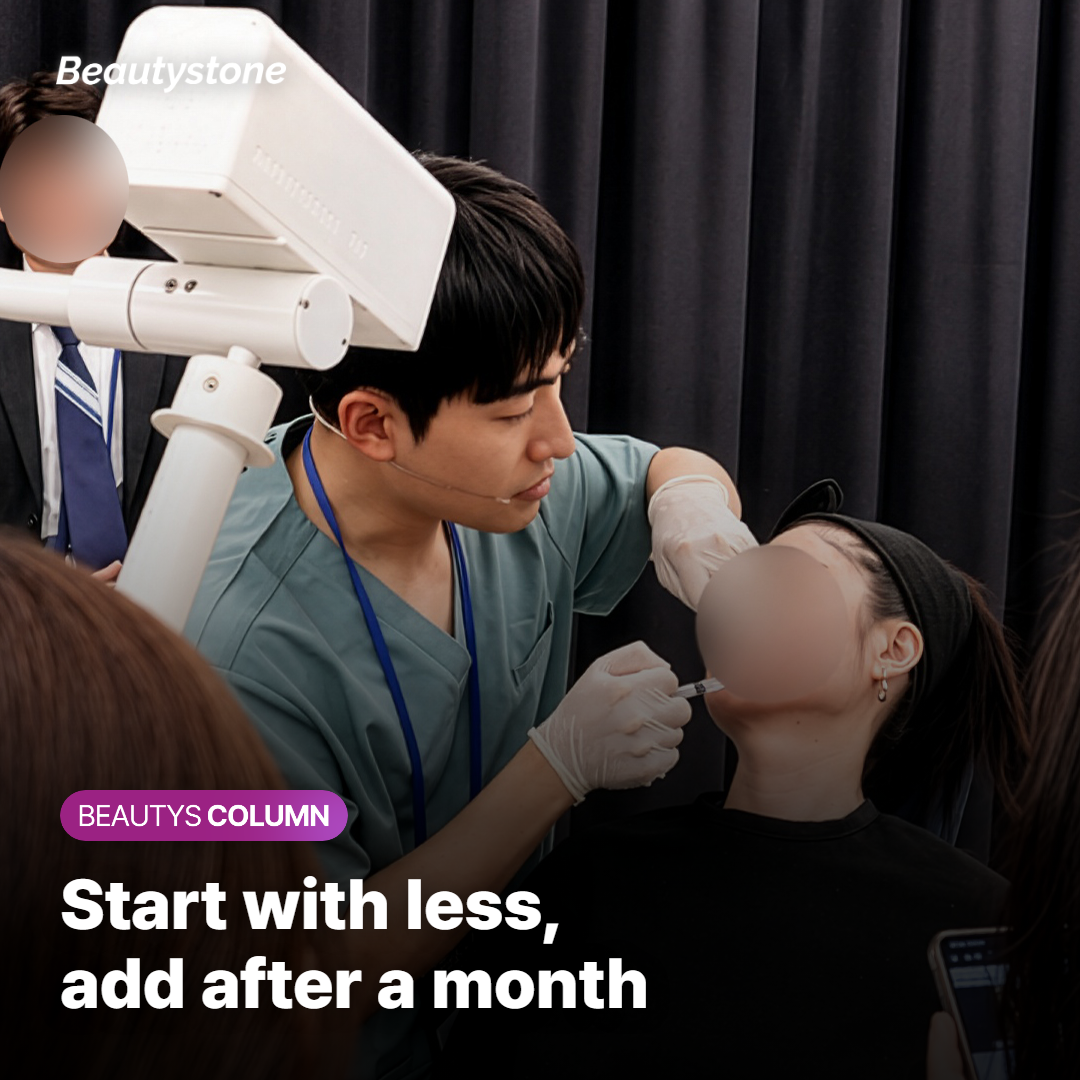
The same study allowed an optional touch-up about a month after the first session if the result wasn’t quite there. That approach suits the side cheek well. Swelling hides the real shape for the first days, so putting in a little less, then comparing photos taken at the same angle a month later, lowers the chance of ending up wider than you wanted.
Side Effects and Risks: What’s Normal and When to Call
Short answer: mild swelling and bruising are common and fade on their own, while changes in skin color with worsening pain need a call right away.
After hyaluronic acid filler, the most common reactions are swelling, pain, redness, itching, and bruising at the injection site. Most are mild and settle by themselves. Rarely, filler can block a blood vessel, and vascular occlusion has led to serious complications such as skin necrosis and blindness. Blood vessels run along the side of the face near this area, so the injection depth and the choice between a needle and a cannula are planned around them.
If a bruise or swelling feels only a little tender when pressed and gets smaller each day, it’s fine to watch it. If the skin around the treated area turns pale or white, develops a purplish, net-like pattern, the pain keeps getting worse, or your vision becomes blurry, don’t wait. Contact the clinic that treated you immediately.
Let the doctor know before treatment if any of these apply:
- You’ve had filler, a thread lift, or fat grafting in the cheek or cheekbone area.
- You’ve lost a lot of weight in the past six months or you’re currently dieting.
- You take aspirin, blood thinners, or other medications that make you bruise easily.
- You have active acne or inflammation on your face.

Before You Book: What to Prepare
Short answer: a few photos in two positions and a short history make the first consultation much faster.
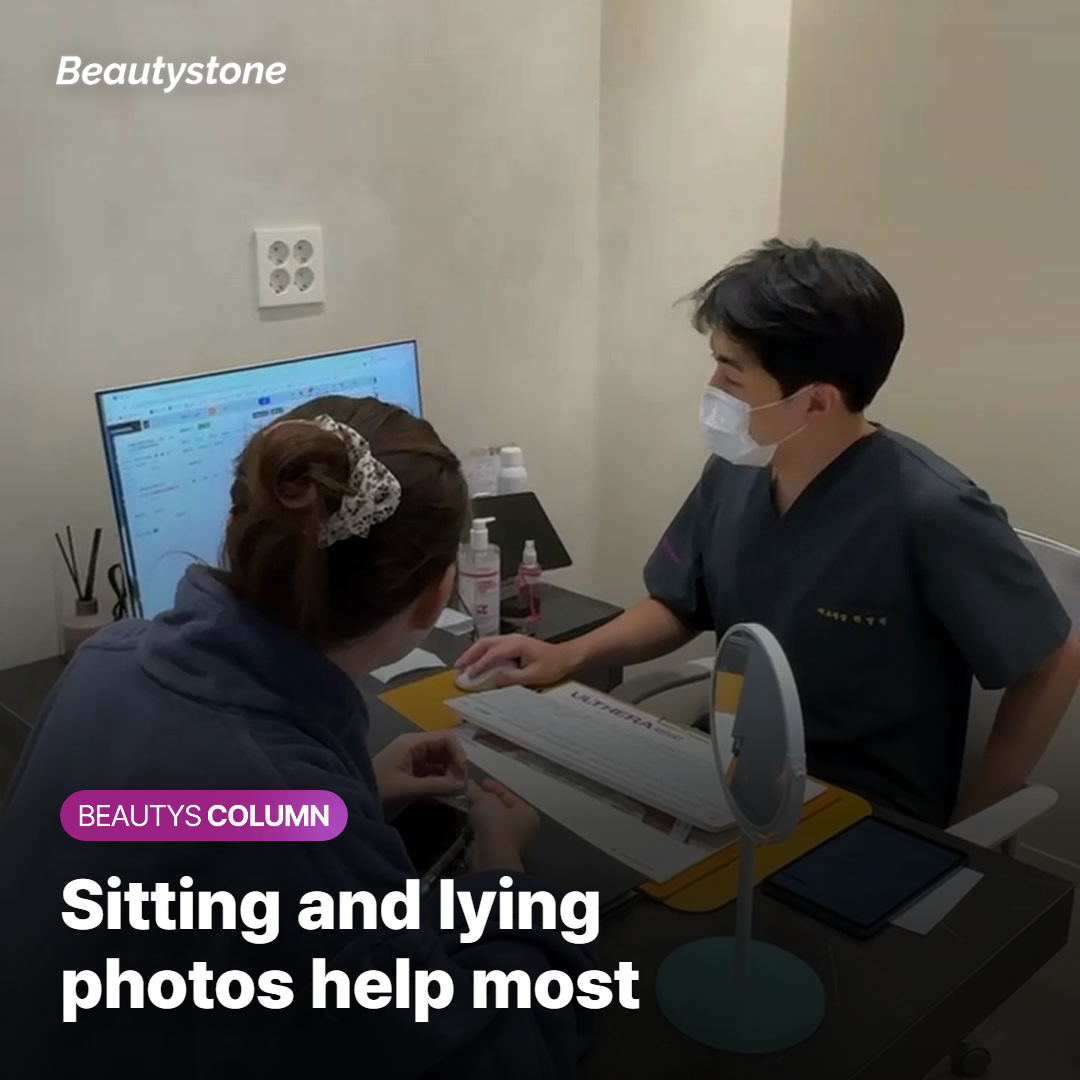
Take a front photo and a 45-degree photo of each side while sitting upright, and if you can, one more lying down. The difference in the shadow between the two positions is one of the quickest clues for telling hollowing from sagging. It also helps to note roughly when the hollow started to appear and whether your weight changed around that time.
- Photos: front and both 45-degree angles, sitting and lying down
- Weight: any major change in the last six months
- History: previous filler, thread lifts, or fat grafting, and when
Pricing follows the clinic’s price list and is explained once the area and amount have been decided. If you’re planning a trip to Seoul, you can send these photos and notes through WhatsApp before you book.
The Bottom Line
- Side cheek filler tends to look smooth when fat has truly been lost and the hollow is filled in stages.
- Filling a shadow caused by sagging, or putting in a large amount at once, is what makes a face look heavier and wider.
- The amount needed varies widely, so starting with less and reassessing after about a month is the safer path.
- Pale or purplish skin with worsening pain after filler needs immediate contact with the clinic.
Everyone’s bone structure, fat, and skin are different, so the right plan is one that’s worked out in person. If you can’t tell whether your side cheek is hollow or sagging, send your sitting and lying photos to Beautystone in Hongdae–Hapjeong, and the doctor will start by looking at which one it is.
Frequently Asked Questions
Q. Can I use Juvelook Volume or Sculptra instead of regular filler for the side cheek?
A. Collagen-stimulating injectables build up gradually and take a few months to show, and unlike hyaluronic acid filler they can’t be dissolved with an injection. For an area where you’re worried about looking wider, many people start with something that’s easier to adjust, so the choice depends on your skin thickness and how quickly you want to see a change.
Q. Will filling the side cheek make my cheekbones look less prominent?
A. If the area under the cheekbone is genuinely hollow, filling it can soften the edge so the cheekbone stands out less. If the cheekbone itself is wide, filling below it can make the whole face look broader, so the amount is kept very small or other options are discussed first.
Q. What should I avoid in the first days after treatment?
A. Avoid pressing hard on or massaging the treated area for the first one to two weeks. Try not to sleep on one side pressed into the pillow until the swelling settles, and put off saunas and heavy drinking, which bring heat to the face, until then as well.
Q. If it looks too wide afterward, can it be reversed?
A. Hyaluronic acid filler can be reduced with a dissolving injection. It may not come down by exactly the amount you want in one session, and there can be some swelling, which is why putting in less first and adding a month later is the easiest way to avoid needing a reversal.