Shurink HIFU Results: 1.5, 3.0 or 4.5 mm Tip?
Shurink results depend more on tip depth than shot count: 1.5 mm for skin, 3.0 mm for shallow fat, 4.5 mm for the deeper membrane layer. Thin cheeks get fewer deep shots, and heavy sagging may need another option.
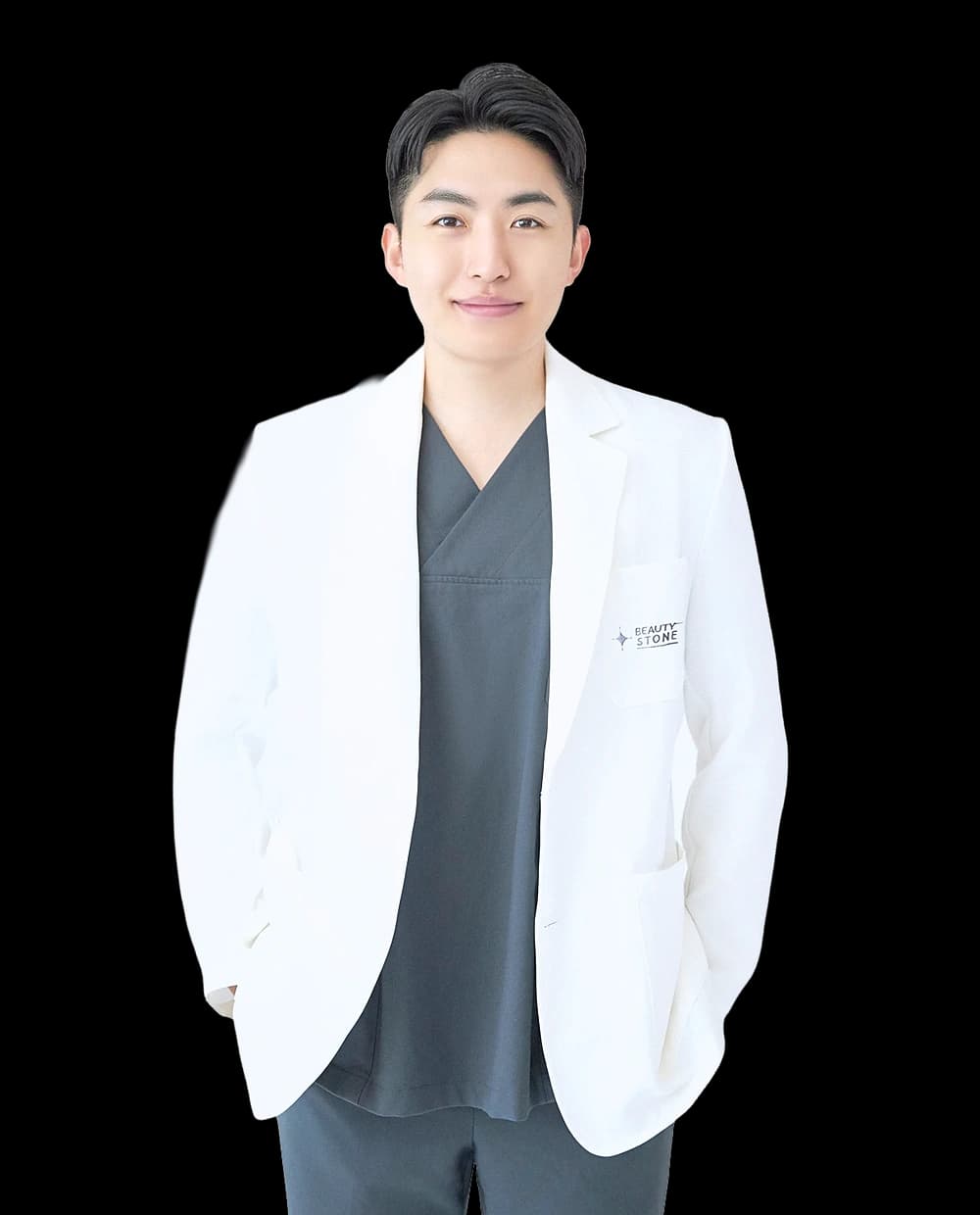
Wi Young-jin
Chief Director, Myeongdong
If you want better Shurink results, matching the tip depth to the layer that's sagging matters more than simply adding shots. Thinning, loose skin calls for the 1.5 mm tip, fat that has slid down along the cheeks and jowls calls for the 3.0 mm tip, and sagging that reaches the deeper membrane layer calls for the 4.5 mm tip.
Cheek thickness changes that plan, too. Very full cheeks or advanced sagging can show less change even with the right depths, so it's worth knowing your other options before you book. In this article, we'll cover what each depth reaches, how thick and thin faces are treated differently, who tends to see less change, and which side effects need a call.
Quick summary
- Tip depth matched to the sagging layer comes before shot count.
- 1.5 mm targets skin tightening, 3.0 mm the shallow fat, and 4.5 mm the membrane layer over the muscles plus deep fat.
- Thin cheeks and the center of the face get fewer deep shots, or none.
- Changes build gradually over 2 to 6 months. If sagging is advanced, surgery belongs on the list too.
How Do You Get Better Shurink HIFU Results? Start With Tip Depth
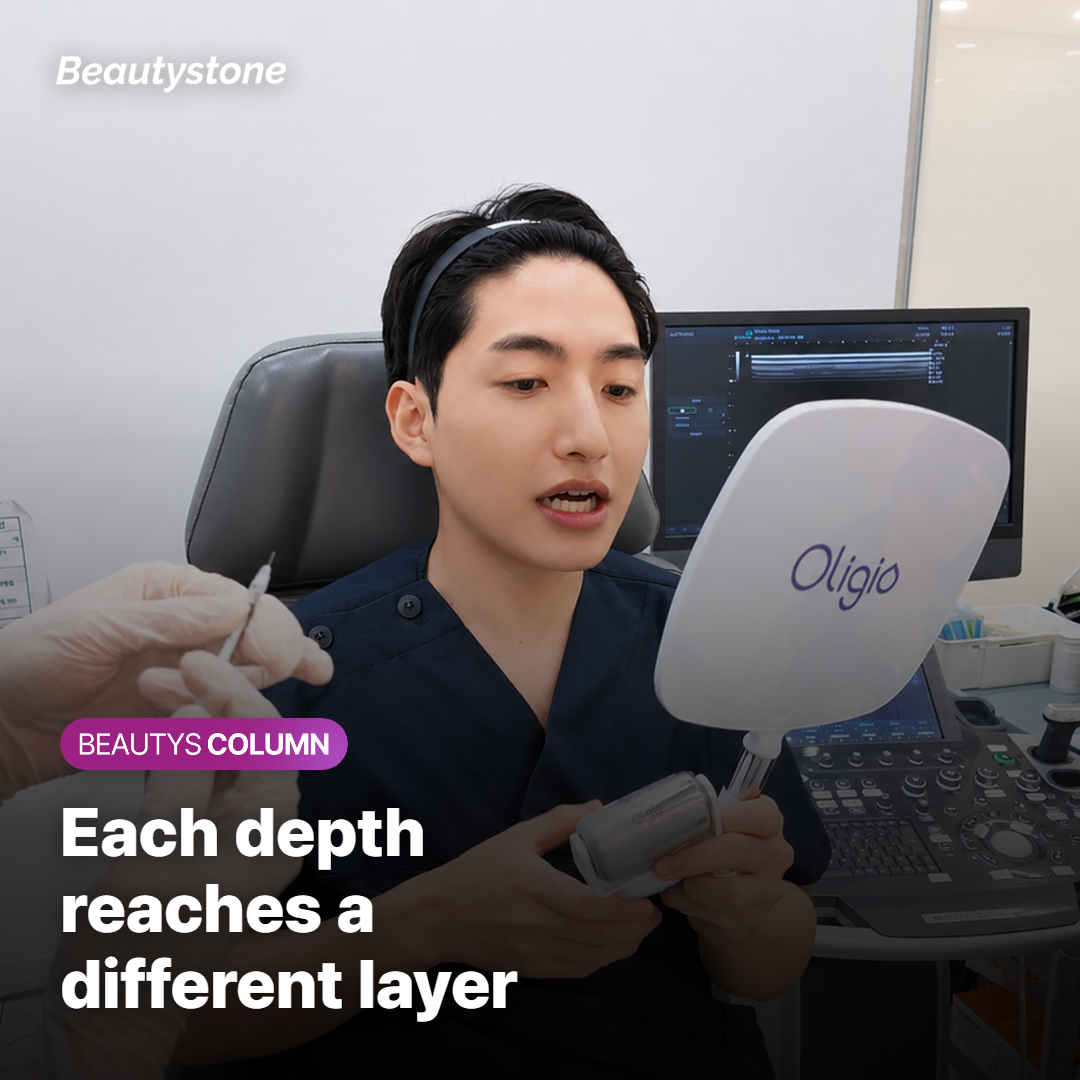
Each Shurink tip focuses heat at a different depth, so each one reaches a different layer. That's why the first question isn't "how many shots?" but "where is the sagging coming from?" If the heat never reaches the layer that has dropped, that area won't tighten much, even with 300 shots.
| Tip depth | Where the heat lands | Typical concern |
|---|---|---|
| 1.5 mm | Dermis (the skin layer under the surface) | Thinning skin, loss of surface firmness |
| 3.0 mm | Shallow fat under the skin | Sagging beside the smile lines, jowls, under the chin |
| 4.5 mm | SMAS and deep fat | Sagging along the back of the cheek and the jawline |
The SMAS is the thin membrane layer that covers the facial muscles. Shurink Universe is sold abroad as Ultraformer MPT, and a Korean study that measured 50 patients with a 3D scanner split depths in the same way. The 1.5 mm booster tip went over the whole face for tightening, the 3 mm booster tip targeted the fat pads beside the smile lines, along the jowls, and under the chin, and the 4.5 mm booster tip went to the SMAS and deep fat.
Keep in mind that this was one clinic's record of one doctor's method, without a comparison group. It shows how depths can be divided, not a fixed recipe. Individual results vary.
Thick Cheeks or Thin Cheeks: Should the 4.5 mm Tip Change?
Yes, how much deep-tip work you get should depend on how thick your face is. In the same 50-patient study, the neck has thin soft tissue, so thin patients didn't get the 4.5 mm tip there at all. Only very heavy patients had the deep tip in the neck, and for heavier faces the tip was pressed down firmly to reach deeper tissue.
Skin thickness also differs by area. In that study, the dermis measured about 1.3 mm at the crow's feet area, 1.5 mm at the temple, 1.7 mm over the jowls, 1.8 mm over the jawbone, 1.9 mm on the forehead, and 2.4 mm on the front of the cheek. Thin areas like the forehead were treated gently, and the forehead skipped the 4.5 mm tip.
The center of the face needs extra care for a different reason. Sensory and movement nerves run close to the surface there. Strong energy over a nerve can cause sudden, sharp pain, and repeated hits raise the risk of nerve injury. So the author recommended avoiding the 4.5 mm tip in the central face and not pushing the 3 mm tip too hard. The back of the cheek and the jawline sit over deeper nerves, so they can be treated more firmly.
If your cheeks are naturally thin or you've lost a lot of weight, we cut back on deep shots so the heat doesn't concentrate in the fat layer. Fat loss after focused ultrasound is rare, but it has been reported.
When Does Shurink Show Less Change, and What Else Can You Compare?
Body weight is one factor. In a study of 93 people treated with a different focused ultrasound device (Ultherapy), 54.5% of people with a BMI over 30 showed no measurable change, compared with 12.2% of those with a BMI of 30 or less. BMI is weight in kilograms divided by height in meters squared. It's a different device, but the gap is large enough to be worth knowing.
Advanced sagging is the other factor. When there's a lot of loose skin, skin tightening may not help much at any depth, and a surgical lift such as a facelift gives the most dramatic results. Those who tend to do best are at a healthy, stable weight, don't smoke, protect their skin from the sun, and have a small amount of sagging.
Also give it time. With one ultrasound session, most people see modest lifting and tightening over 2 to 6 months, and some benefit from more sessions. Judging the result at 4 weeks is too early.
Some faces are better compared with another device first:
- Deep sagging, and you want the layers checked on a screen during treatment: Ultherapy
- Sagging along the jawline is the main concern: InMode
- Fine lines and surface firmness come first: Thermage, a radiofrequency treatment. You may feel some tightening right away, with the best results around 6 months.
Which Shurink Side Effects Are Normal, and When Should You Call?
Redness, swelling, and mild pain are the usual reactions after Shurink. In a study of 34 women treated around the eyes with Ultraformer MPT, mild pain and redness were the only side effects, and they cleared within 3 to 4 days. After treatment under the chin, the skin over the salivary glands can look pink for a while.
Blisters, broken or raw skin, and a dented spot are rare, reported mainly in small case series. They're uncommon, but if you notice any of the following, don't wait it out. Contact the clinic right away:
- Blisters or oozing
- Redness that hasn't settled after 24 hours, or swelling in just one spot
- Pain during or after treatment that is far worse than expected
- One eyebrow drooping, or your smile pulling to one side
- A spot that still looks sunken after the swelling is gone
A message doesn't replace an in-person exam. Some people should also postpone treatment: if you're pregnant, have a skin infection where you'd be treated, or take certain medications, skin tightening isn't the right choice for now.

Getting Shurink During a Trip to Seoul: Flights, One Visit, Home
Apart from a day when you've had sedation, there's no need to postpone your flight because of Shurink.
Be realistic about a single visit. Some treatments, like filler, change your shape the same day. Shurink works more gradually, so your face tends to move a little closer to how it used to look over the following months rather than changing dramatically at once. How much you see depends on your face.
Once you're home, you can send photos to the clinic through the consultation button on this page if something worries you. If a symptom is severe, like spreading blisters or a drooping smile, see a local doctor first rather than waiting for a reply.

The Bottom Line: Ask How Your Shots Are Split by Depth
Better Shurink results come down to where the heat lands: skin, shallow fat, or the deeper membrane layer. Before you decide, ask, "How would you split my shots between the 1.5, 3.0, and 4.5 mm tips, and where would you skip the deep tip?" That one answer makes it easy to compare plans.
At the first visit, we look at your cheek thickness and where the sagging sits, both with a relaxed face and while you smile, then choose depths from there. If your cheeks are full and the jawline has dropped, deeper tips get more of the plan. If your cheeks are thin and the surface skin has loosened, the shallow tip does. Beautystone is a clinic in Seoul's Hapjeong area.
References
- How Shurink Universe (Ultraformer MPT) lifted seven face areas in 50 patients, measured in 3D, Plast Reconstr Surg Glob Open, 2024
- Lower-face focused ultrasound results by body weight in 93 patients, Aesthet Surg J, 2014
- When ultrasound and radiofrequency tightening work, and who they suit, American Academy of Dermatology
- Expert consensus on preventing and spotting focused ultrasound side effects, J Cosmet Dermatol, 2022
- Rare blisters and skin wounds after focused ultrasound, Lasers Surg Med, 2018
- Ultraformer MPT for sagging around the eyes in 34 women, JPRAS Open, 2025
Frequently Asked Questions
Q. Does adding more Shurink shots give better results?
A. Not necessarily. In a study of 20 Korean patients treated once with a different focused ultrasound device (Ultherapy), doctor ratings and patient satisfaction were similar regardless of the number of shots. How the shots are split across depths matters more than the total.
Q. How many Shurink sessions do I need to see results?
A. With one focused ultrasound session, most people see modest lifting and tightening over 2 to 6 months, and some benefit from additional sessions. It's best to wait until the first result shows before deciding on the next one, then adjust how shots are split by depth.
Q. My cheeks are already thin. Will Shurink make them look hollow?
A. Fat loss after focused ultrasound is rare, but it has been reported. For thin cheeks, deep-tip shots are reduced and the plan leans on shallower depths. If a hollow spot does appear, refilling it with hyaluronic acid filler is one way it's been managed.
Q. Is the 4.5 mm tip safe for my teeth?
A. The 4.5 mm tip reaches deep enough that ultrasound could reach the teeth, so one method is to puff your cheeks with air during those shots. Ultrasound can't pass through air, which shields the teeth. In a 50-patient study, everyone puffed their cheeks during the 4.5 mm passes.
Q. Is the 4.5 mm tip used on the forehead or around the eyes?
A. The forehead has thin tissue, so the 4.5 mm tip is usually skipped there, and the area over the forehead bone is treated gently because strong energy hurts. For sagging around the eyes, a study of 34 women used a 2.0 mm tip with 120 shots.
Q. Does Shurink hurt?
A. It depends on depth and area. Strong energy over spots where nerves run close to the surface, like the center of the face, can cause sudden sharp pain, so those areas get gentler settings. Numbing cream, local anesthetic injection, or sedation may be chosen at your visit depending on the area and your sensitivity.
Q. Should I lose weight before getting Shurink?
A. Skin tightening tends to work best for people at a healthy weight who keep it stable. If you're in the middle of losing weight, it's reasonable to let your weight settle, then reassess the sagging layer and choose tip depths. Not smoking and protecting your skin from the sun also help.
Q. Can the neck be treated with the deep tip?
A. The neck has thin soft tissue, so thin patients usually don't get the 4.5 mm tip there. In a 50-patient study, only very heavy patients had the deep tip in the neck, and everyone else was treated with many shots of 1.5, 2, and 3 mm tips.