Post-Procedure Swelling: 5 Diet Mistakes That Make It Last
The swelling you see after a cosmetic procedure can ease or drag on depending partly on what you eat. Here's a calm look at how sodium, water, and a few helpful foods fit into your self-care.
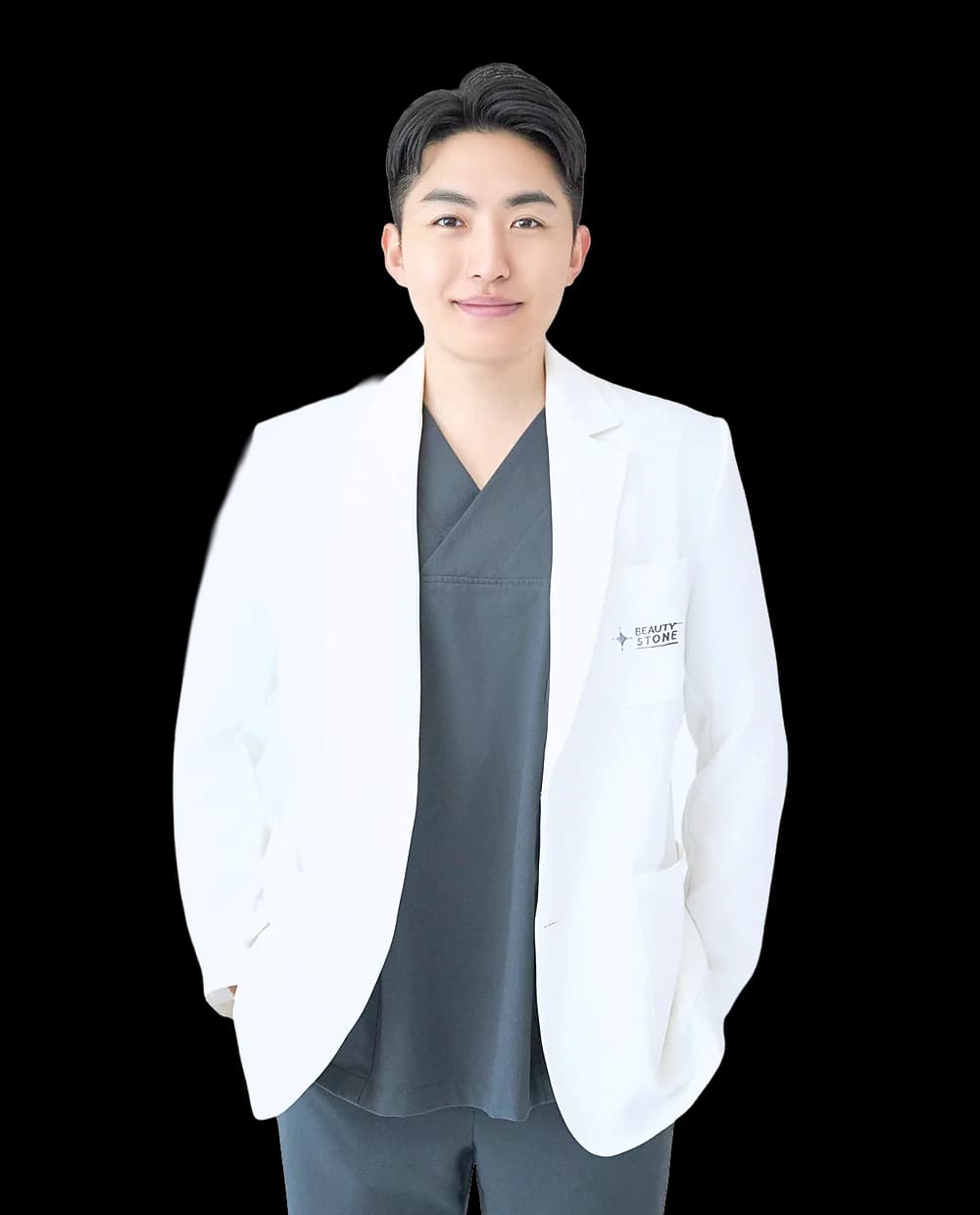
Wi Young-jin
Chief Director & CEO, Myeongdong
Once the appointment is over, the question that tends to follow you home is a simple one: the treated area looks puffier than expected, and is something you are eating quietly making it worse? Swelling itself is ordinary. It shows up because the tissue reacts to the stimulation, heat, or injection and briefly holds extra fluid while the body settles back, and for most people it eases over a few days to about a week.
What people rarely talk about is the everyday habits that stretch that window out. Diet never treats the procedure, but a handful of well-meant food choices can nudge swelling to linger longer than it needs to. Rather than another list of what to eat, here are five mistakes that quietly work against you, and the calmer move to make instead.
Mistake 1: Cutting Water to 'Flush' the Puffiness Out
The instinct feels logical: if fluid is pooling, drink less and it should drain faster. In practice it usually does the opposite. When water runs short, the body reads it as a shortage and clings to even more fluid to protect itself, so the puffiness you were trying to shed can hang on instead.
There is a sodium piece worth naming here too. Salt pulls the body toward holding water to keep its concentration steady, and during the recovery stretch some people notice that a salty day tips them into swelling more readily than it normally would. Steady, unremarkable sips of water across the day do far more good than rationing it, and none of it has to be strict to help.
Mistake 2: Overlooking the Hidden Salt in Convenient Meals
The salt that matters most in this window is rarely the shaker on the table. Packaged foods, instant meals, and takeout or restaurant plates often carry more sodium than their taste lets on, so a day that felt light can still add up quietly.
For a little while after your appointment, it helps to season with a lighter hand and to notice where the sodium is really coming from. Pair that with drinking gradually rather than downing a large glass all at once, and you sidestep two of the easiest ways to keep fluid sitting where you would rather it moved on.
Mistake 3: Forgetting the Foods That Move Sodium Along
Trimming salt is only half the picture. Potassium gives the body a hand in clearing sodium out, and it turns up in ordinary places: plenty of vegetables and fruit, potatoes and other tubers, and beans. Most of these fold into normal meals without any special effort or shopping list.
Gentle seasoning does not have to mean bland. Leaning on broth, spices, or a touch of acidity brings enough dimension that a lightly salted plate still feels satisfying. The aim is variety kept in balance rather than betting everything on one 'good' food, and small habits like these add up over the recovery window instead of flipping swelling around overnight.
Mistake 4: Undoing the Effort Around the Meal
It is easy to eat carefully and then cancel it out with everything happening around the food. Alcohol is the clearest example: it throws the body's fluid balance off and can make swelling read as more noticeable, so easing off it for a while afterward is a kindness to your own comfort.
The rest of the day pulls weight too. Enough sleep, not staying locked in one position for hours, and moving your body gently all work shoulder to shoulder with what is on the plate. None of it is dramatic, but together these are the quiet levers that let the recovery window pass more easily.
Mistake 5: Treating Diet as the Cure Instead of a Support
Adjusting how you eat is a supporting piece of self-care, never a treatment for the procedure itself. The backbone of recovery is still following the aftercare guidance the place that treated you gave, and handling the area gently while it settles. Food sits alongside that, not in front of it.
On cost, a fair estimate and the kind of care that suits you hinge on your skin and your body, so it is worth checking current numbers on our pricing page (these reflect prices at our clinic in Seoul and can change). If you would like a hand sorting out what fits your situation, the Beautystone team in the Hapjeong area of Seoul is happy to walk through it with you: no pressure, just a chance to land on an approach that makes sense for you.
How to Tell Ordinary Swelling From a Reason to Call
Diet is a gentle add-on, not a stand-in for medical advice, and there are moments when it should step aside. If you live with an underlying condition or already follow a managed diet, skip any extreme salt or water restriction on your own and check with a doctor about what is safe for you.
Watch for signals that food cannot answer. Swelling that stays strong and lingers, or that arrives with something that feels off from your usual, such as pain or redness, is a cue to check back in with the place that treated you sooner rather than later instead of managing it through meals.
The short version: post-procedure swelling is a normal response that settles for most people over a few days to about a week, and how it feels differs from person to person. Keep sodium moderate, sip water steadily in sensible amounts, and reach for potassium-rich foods. Let those habits support you, and when something feels heavy or unusual, talk it through with a doctor rather than deciding alone.