Nasal Flare Botox: Will Your Nose Spread Less?
Botox for nasal flaring relaxes the muscles that spread your nostrils when you smile. Here's how much the flare usually drops, how long it lasts, and what it can't change.

Botox for nasal flaring works when small muscles pull the sides of your nose outward each time you smile or breathe in hard. In a single-blind study of 20 people, the share by which the nostril wings widened during a smile dropped from an average of 10.05% to 4.91% after treatment, while the group that received saline showed no meaningful change.
A nose that looks wide even at rest is a different story. When the width comes from cartilage and skin, relaxing a muscle doesn't change the shape. So before anyone talks about units, it's worth figuring out whether your nose widens because it moves or because it's built that way. In this article, we'll walk through the two causes, a simple photo check, how much change to expect and for how long, what people worry about most, and what to bring to a consultation at Beautystone, a dermatology clinic in the Hongdae–Hapjeong area of Seoul. This article introduces a treatment offered at the clinic.
Why Your Nostrils Look Wider: Movement or Width
A nose can look broad for two quite different reasons. In the first, the nose looks fine when your face is still, but the instant you laugh or talk, the nostril wings flare sideways and the openings look bigger. In the second, the nostril wings sit wide apart even with a neutral face, and smiling barely changes them.
- Movement: the width appears mainly when you smile, speak, or inhale deeply.
- Built-in width: the nostril wings are wide at rest because of their cartilage and skin.
Botox can only change the first one. A review of neuromodulators and energy-based devices for nasal reshaping notes that treating the dilator naris, the muscle that opens the nostril, can minimize alar flaring and make the tip look thinner. The targets are a few tiny muscles attached along the outer edge and base of each nostril wing.
It helps to know what those muscles normally do. They widen the nostril so more air can come in during heavy breathing, and in some people they also kick in strongly with every big smile. Botox weakens that pull for a few months. It doesn't remove cartilage, shorten the nostril base, or change the bridge of the nose.
A Mirror Check Before You Book
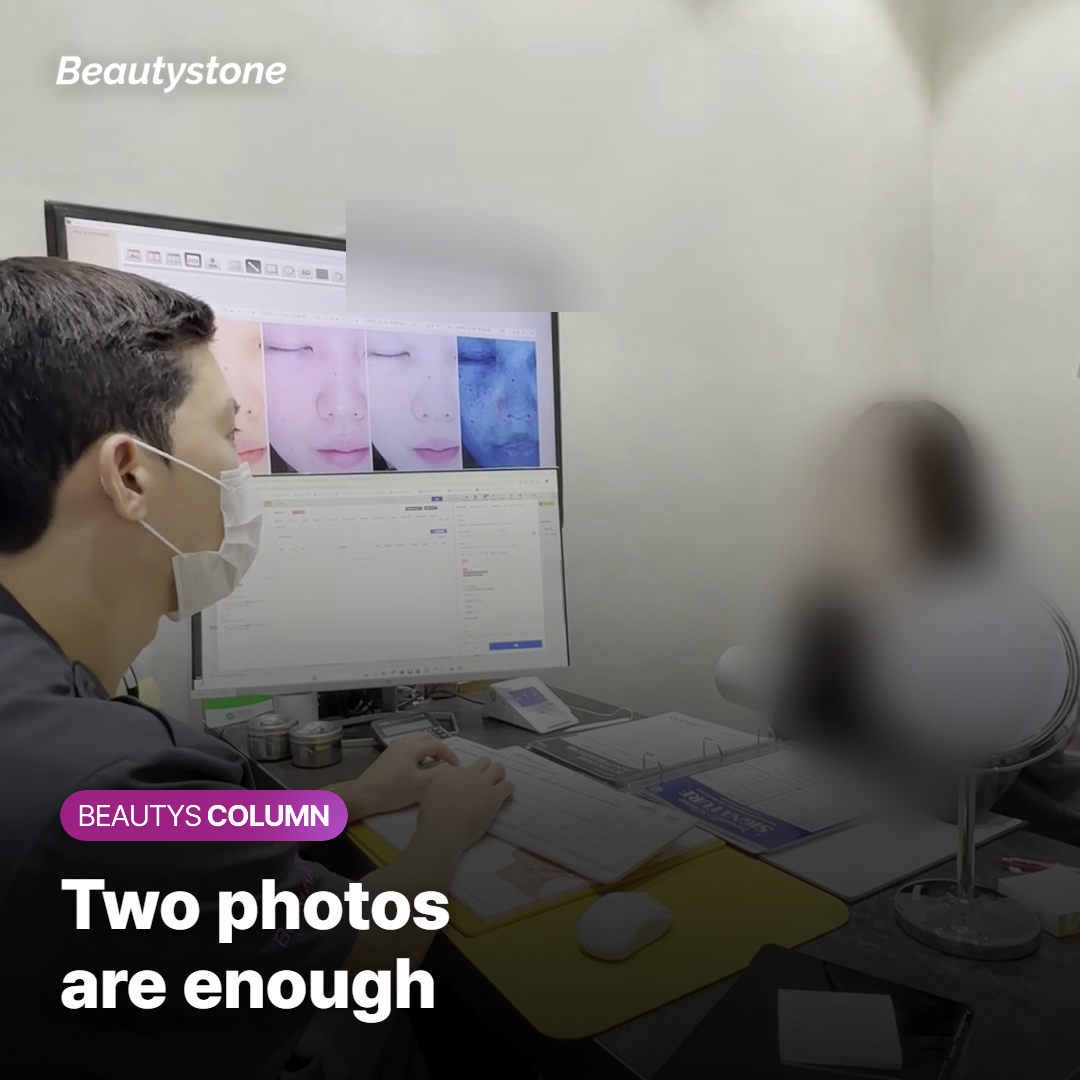
You can get a rough idea of which cause applies to you at home. Take two front-facing photos from the same distance and in the same light: one with a neutral face and one with a wide smile that doesn't show your teeth. Then place them side by side and compare the width of the nose.
| What you notice in the photos | Cause to consider first |
|---|---|
| The nose looks normal at rest, but the nostril wings spread out sharply when you smile | Muscle movement, which makes you a likely Botox candidate |
| More of the nostril openings show from the front when you smile | Muscle movement, which Botox can sometimes reduce |
| The nostril wings are wide at rest and barely change when you smile | Cartilage and skin width, so a surgical consultation comes first |
Many people have a mix of the two. Whatever widens between the neutral and smiling photos is the muscle's share. Whatever is already there at rest stays after Botox. The single-blind study measured exactly this difference between rest and a maximum smile, and its authors suggested Botox could also serve as a supplement to rhinoplasty.
How Much Less Flare, and for How Long
In that study, people treated with a total of 3 units across the muscles around the nostril saw nostril-wing widening during a smile fall from 10.05% to 4.91%, and widening at the nostril base fall from 16.83% to 12.50%. The saline group didn't change significantly.
A second study followed people for longer. In a 3D-scanning study that enrolled 52 people with nostrils that showed too much from the front, the nostril cross-sectional area dropped from 89.42 to 72.50 mm² and alar mobility from 10.50% to 4.64% four weeks after the injection, while the 32 people measured at 24 weeks were back close to their starting values. That study had no control group, so its numbers are best read as a direction rather than a promise.
Put together, the change tends to be clearest about four weeks after treatment and fades over roughly six months as the muscles recover. If you're planning around a wedding or a photo shoot, booking about three to four weeks before the date is the simplest way to line up the peak.
Side Effects and Risks: Will My Smile Change?
The muscles around the nostril sit right next to one that lifts the upper lip. If the medicine reaches that muscle, your upper lip may rise a little less when you smile, or the two sides may look uneven. A meta-analysis of Botox injected into the lip-lifting muscles for gummy smiles reported a low complication rate, listing injection-site pain, swelling, bruising, mild redness, and an asymmetric smile as the types seen.
That's why Beautystone doesn't look at the nose on its own. The team compares three expressions, a neutral face, a slight smile, and a wide smile, and checks nostril width, upper-lip height, and the difference between sides together. If one side flares more, the units are split unevenly. Starting with a smaller dose and comparing photos with the same expression at about four weeks is the safer way to begin.
The U.S. National Library of Medicine's drug information page for incobotulinumtoxinA asks patients to tell their doctor before treatment in these situations:
- You're pregnant, planning a pregnancy, or breastfeeding
- You have a condition that affects muscles or nerves
- You've had a side effect from a botulinum toxin product before
- There's inflammation or a wound around the nose
It's rare, but if you develop trouble swallowing or breathing, or your speech becomes slurred in the days after treatment, don't wait it out. Get medical care right away. The same drug information warns that these symptoms can happen if the toxin spreads beyond the injection area.
What to Bring to Your Consultation
The first decision in this treatment is whether your nose widens because it moves or because of its built-in width. If you reach out before your visit, sending a few things ahead makes that call faster.
- A neutral front-facing photo and a wide-smile photo, taken in the same light and from the same distance
- Whether you've had rhinoplasty or nose filler, and when
- When you last had Botox around the nose or mouth, if ever, and what changed at the time
Once the cause is clear, the plan usually becomes simple: a measured first dose for flaring that comes from movement, or a conversation about surgical options when the width is there even at rest.
The Bottom Line
Nasal flare Botox is a good fit when the sides of your nose spread mainly as you smile or breathe hard. In studies, the widening during a smile dropped by roughly half, the change was clearest at about four weeks, and it faded over about six months. If your nose looks wide even with a neutral face, the width is built in and Botox won't change it. Two simple photos, one neutral and one smiling, are the easiest place to start that conversation.
Frequently Asked Questions
Q. Will nasal flare Botox make my nose smaller?
A. No. What it reduces is the outward spread of the nostrils when you smile or breathe hard. The resting width of the nostril wings and the height of the nose stay the same. If you want to change the shape itself, filler or surgery is a separate discussion.
Q. Could it make breathing through my nose harder?
A. The studies didn't report significant adverse events, but the muscles that flare the nostrils are also used when you inhale deeply. If you already have frequent nasal congestion or rhinitis, mention it during the consultation, and get checked if breathing feels uncomfortable after treatment.
Q. Can I have it after rhinoplasty?
A. Flaring from muscle movement can remain after surgery, which is why studies also discuss Botox as a supplement to rhinoplasty. If you're still recovering from surgery, agree on the timing with your surgeon first.
Q. When should I come back to check the result?
A. Around four weeks after the injection is a good time, since the change is clearest then. Retake your photos in the same lighting and with the same expression to see whether any difference between the two sides remains.