

Juvelook Recovery: 1 Sign That's Normal, 1 That's Not
If your provider told you to massage the treated area after Juvelook, here's why that matters, when to start, and how much pressure is actually helpful.


Planning a trip to Seoul?
If you just got Juvelook and someone handed you a "please massage this at home" instruction sheet, you're not alone. It's one of the most common questions patients ask after treatment — and one of the easiest steps to forget once you're back in your normal routine.
Here's the short answer: yes, massage is worth doing. It's not just a nice-to-have — it plays a real role in how evenly your results settle in. But more isn't better, and timing matters more than most people realize.
In this article, we'll cover how Juvelook works under the skin, why massage helps, exactly when and how to do it, and what else you should — and shouldn't — do in the days after your appointment.
What Is Juvelook, and Why Does Aftercare Matter?
Juvelook is a biostimulator built around poly-D, L-lactic acid (PDLLA) — a biodegradable material that the body slowly breaks down over several weeks. Unlike a dermal filler, which adds volume the moment it's injected, Juvelook works by encouraging your own skin to produce more collagen (the structural protein that keeps skin firm and gives it its bounce). That's why results build gradually instead of showing up overnight.
Because the effect depends on how evenly those PDLLA particles settle into the dermis, what you do in the days right after your appointment can influence how smooth the outcome looks. That's the whole reason aftercare — and massage specifically — gets so much attention from providers.
How Does Juvelook Work Under the Skin?
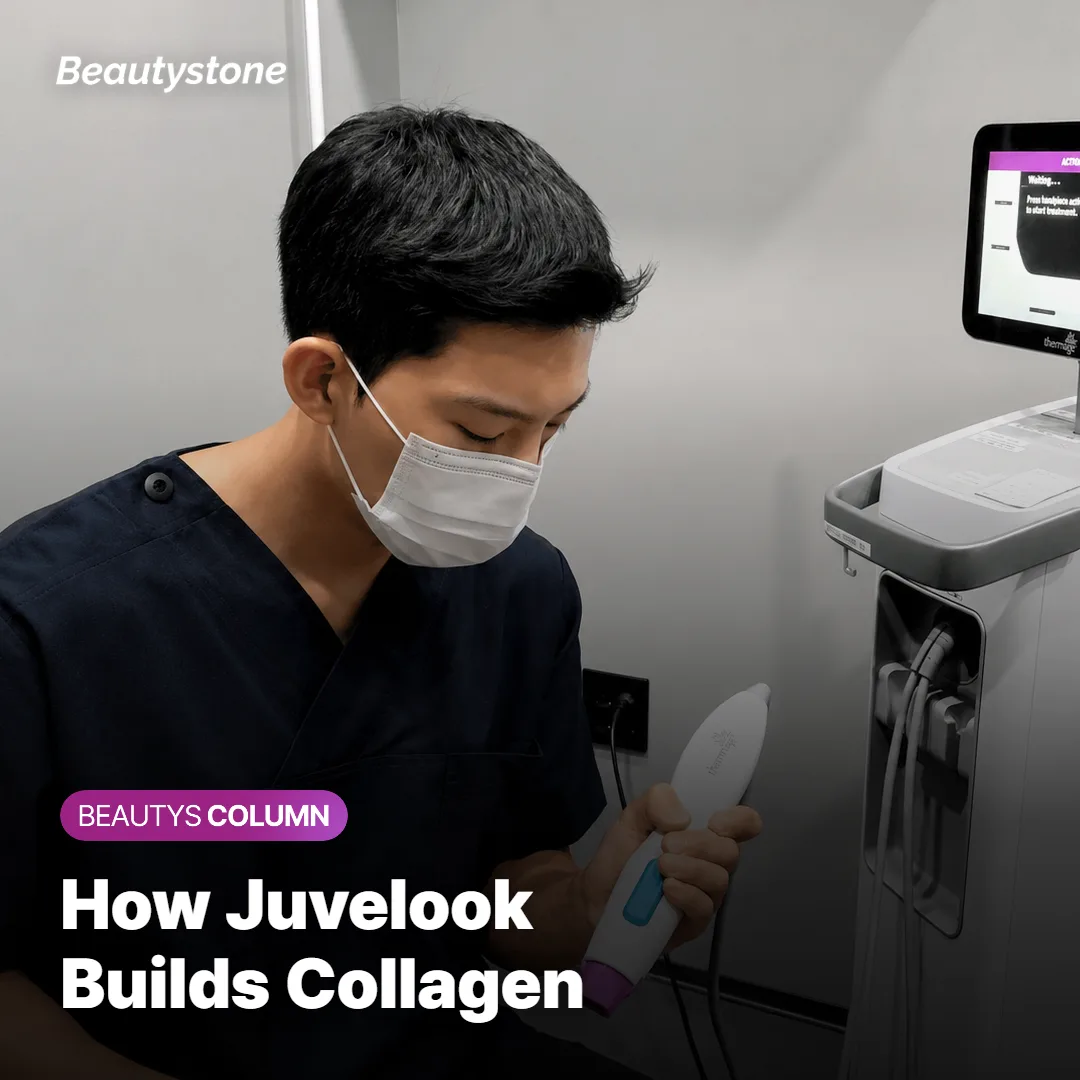
Once injected, PDLLA particles sit in the dermis (the layer beneath the surface of your skin) and act as a slow-release trigger. Your body treats them the way it treats any material it needs to gradually break down: it sends in cells that clear the particles away over time, and in the process, those same cells are stimulated to lay down new collagen.
Research backs up that mechanism. A study on PDLLA combined with non-cross-linked hyaluronic acid found measurable increases in dermal collagen and elastic fibers on biopsy after treatment, with no serious adverse events reported. The catch — and the reason massage comes up so often — is that the particles need to be distributed evenly for the collagen response to look uniform. If they clump instead of spreading out, the skin above can look a little uneven while things settle.
Why Does Massage Matter After Juvelook?
Right after injection, the PDLLA particles are still settling into place — they haven't fully integrated yet. Gently massaging the area helps spread them out evenly instead of letting them stay bunched up in one spot. That matters for two reasons: an even distribution tends to produce a smoother-looking result, and the massage itself can help bring down swelling and bruising a little faster.
Here's a quick side-by-side of what tends to happen with and without it:
| Category | With Regular Massage | Without It |
|---|---|---|
| Particle distribution | Spreads evenly | May clump in spots |
| Skin texture | Tends to settle smoothly | Can feel slightly uneven |
| Swelling recovery | Often eases a bit faster | May take longer to settle |
| Recommended timing | Follow your provider's schedule | — |
That said, massage isn't a fix-all, and it's not something to overdo. More pressure doesn't mean better results — in fact, pressing too hard can irritate the treated area instead of helping it. The goal is gentle, consistent care within the window your provider recommends, not a DIY deep-tissue session.
When and How Should You Massage the Treated Area?
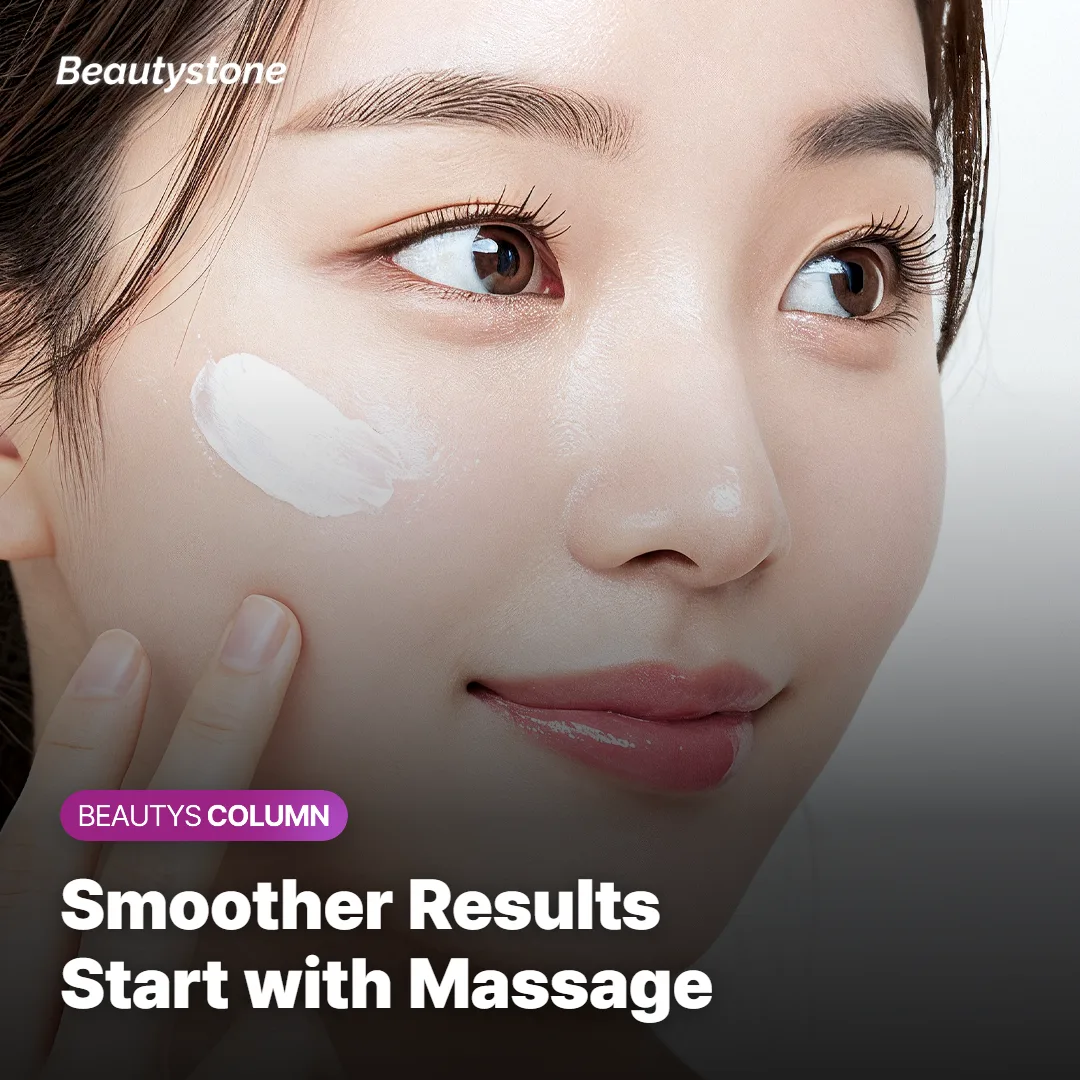
Most providers recommend starting the same day or the next day, then continuing a few times a day for several days afterward. The technique itself is simple: use your fingertips to press in small, gentle circles, using just enough pressure that you don't feel any discomfort. Think light, steady, and consistent — not firm and fast.
- Frequency: A few short sessions a day, for the first several days, is the typical range.
- Pressure: Gentle enough that there's no pain — light circles, not deep kneading.
- When in doubt: Call your provider's office instead of guessing at timing or intensity.
Exactly how long you should keep it up — and how many times a day — depends on where you were treated and how much product was used, so the schedule your provider gave you is the one to follow. If you're not sure you remember it correctly, it's worth a quick call back rather than guessing. Massaging too often or too aggressively on your own isn't safer; it's just a different way to overdo it.

What Else Should You Do (and Avoid) After Treatment?
Juvelook doesn't come with much downtime, but because results build gradually, a few days of simple aftercare go a long way toward a smooth finish.
- Massage: Follow the timing and pressure your provider recommends.
- Skip hard workouts and the sauna on treatment day: Heat and sweat both add extra stress to freshly treated skin, so it's worth sitting out for about a day.
- Keep the area simply moisturized: The injection sites can feel a little dry temporarily, so a basic, fragrance-free moisturizer helps.
- Stay consistent with sunscreen: Your skin is a bit more reactive while it's healing, so daily SPF matters even more than usual.
- Ease up on alcohol for a day or two: It can make swelling and bruising more noticeable, so it's worth cutting back short-term.
Are There Any Side Effects or Risks to Watch For?
Mild redness, swelling, and bruising at the injection sites are common in the first few days and usually settle on their own. Some tenderness when you touch the area is normal too, especially right after treatment.
That said, keep an eye out for anything that seems to be getting worse instead of better. If you notice spreading redness, fever, increasing pain, or swelling that isn't improving after a few days, contact your provider or seek medical care right away — those aren't part of a typical recovery.
Individual results and recovery timelines vary, so what's normal for a friend might look a little different for you. If anything feels off, it's always worth checking in with the team who actually treated you rather than trying to troubleshoot it yourself.
The Bottom Line
Massage isn't just a formality — it plays a real role in helping Juvelook's results settle in evenly, which is why it's worth taking seriously in the days after your appointment. A few things to keep in mind:
- Juvelook works gradually, building collagen over roughly one to three months rather than adding volume instantly.
- Gentle massage, done on the schedule your provider gives you, helps distribute the product evenly and can ease swelling.
- More pressure isn't better — light, pain-free-feeling pressure is the goal.
- Simple aftercare — skipping hard workouts, staying moisturized, wearing sunscreen, easing up on alcohol — rounds out the recovery.
Like any procedure, results depend on your skin, how much product was used, and how closely you follow aftercare, so some individual variation is normal. Ultimately, the best way to get massage timing and technique right for your specific treatment is to ask the provider who did it.
If you're considering Juvelook or want an aftercare plan tailored to your skin, a consultation is the best way to find out what fits you. Beautystone is a dermatology clinic in Seoul's Hapjeong area — see current offers at /en/promotion.
Frequently Asked Questions
Q1. Do I really need to massage the area after Juvelook?
Yes — massage plays a real role in how evenly your results settle in, since Juvelook's effect depends on how uniformly its PDLLA particles distribute in the dermis. That said, more massage isn't better; timing and technique matter more than how often you do it.
Q2. How does Juvelook work under the skin?
Juvelook is a biostimulator built around poly-D, L-lactic acid (PDLLA), a material your body slowly breaks down over several weeks. As it clears the particles, your body is stimulated to lay down new collagen, which is why results build gradually rather than appearing overnight.
Q3. When and how often should I massage after Juvelook?
Your provider will give you a specific schedule, since timing depends on the injected area and how your skin is responding. In general, gentle, consistent massage in the days after treatment helps the particles settle evenly, so following the instructions you're given closely matters more than doing extra.
Q4. Are there side effects or risks with Juvelook aftercare?
Research on PDLLA combined with hyaluronic acid has reported measurable collagen and elastic fiber increases with no serious adverse events, but mild swelling, redness, or lumps in the first few days are common and usually settle on their own. Contact your provider if swelling or firmness doesn't improve as expected.