Did Hair Removal Progress Reset After a Break?
Hair regrowth during a laser hair removal break is alarming, but it doesn't mean your progress disappeared. Here's the real explanation — and what it means for your remaining sessions.

You took a few months off from laser hair removal, and now there's visible stubble back in spots you thought were done. It feels like the whole thing reset — like all those sessions were wasted. You're not alone in thinking this.
But here's the reassuring part: hair that was actually destroyed by the laser doesn't come back. What you're seeing is almost certainly dormant follicles that were in their resting phase during your previous sessions — follicles the laser couldn't target at the time, now finally cycling into their active growth phase. That's a very different thing from losing your progress.
In this article, we'll cover how laser hair removal actually works over time, why breaks affect your remaining session count (and by how much), when regrowth is normal versus a real setback, and what to expect when you restart. Let's clear up the worry for good.
How Laser Hair Removal Actually Works
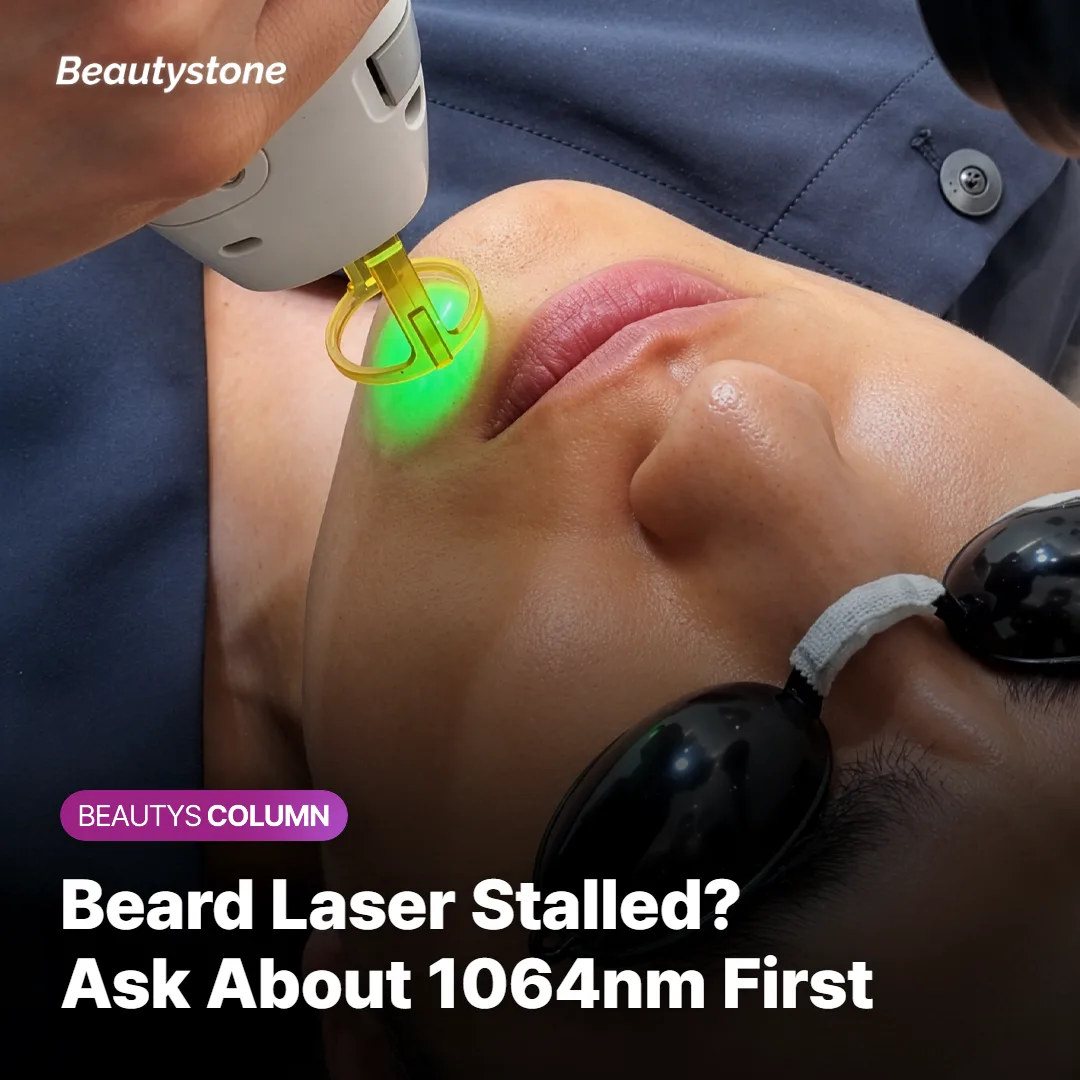
Laser hair removal targets melanin — the pigment inside the hair shaft and follicle. The device delivers pulses of concentrated light energy that heat and damage the follicle, inhibiting its ability to produce future hair.
The catch? The laser can only affect follicles that are actively growing at the time of treatment. Hair cycles through three stages:
- Anagen (active growth): The follicle is producing a hair shaft. This is when the laser is most effective — there's a direct pigment-filled channel for the energy to travel down.
- Catagen (transition): The follicle is shrinking and detaching from the blood supply. The laser has limited effect here.
- Telogen (resting): The follicle is dormant — no hair shaft present. The laser essentially misses these follicles entirely.
At any given moment, only about 20–30% of your body's hair follicles are in the anagen phase. That's why multiple sessions spaced weeks apart are necessary — you need to catch more follicles during their active window.
What a Break Actually Does to Your Progress
Here's the key distinction: hair that your previous sessions successfully damaged does not regrow. Those follicles were permanently impaired. What a break does is give the surviving dormant follicles time to cycle into their active growth phase — making them newly visible.
Think of it this way. Before you started treatment, all of your follicles were capable of producing hair. Over several sessions, you may have caught and disabled a significant portion of them — research suggests somewhere in the range of half or more after a proper course of treatment. But a portion — the ones that were in telogen during each of your appointments — were never targeted. They've been quietly waiting.
A break of several months doesn't reverse the damage already done. What it does is allow those previously untreatable telogen follicles to enter anagen. So they show up as new growth. It looks like regrowth. It feels like starting over. But it's actually a sign that there are still follicles left to treat — which is exactly what the remaining sessions are designed to handle.
The honest answer on session count: your effective number of sessions completed doesn't reset. But your remaining session count may need to be recalibrated based on how much hair has re-emerged and how long the break was.
Why the Regrowth Looks Worse Than You Expected
A long break — anything beyond three or four months — allows a larger proportion of dormant follicles to synchronize into the active phase at once. So instead of seeing gradual scattered growth, you might see a noticeable patch of stubble that wasn't there before.
Several factors make post-break regrowth look more dramatic than it really is:
- Synchronized cycling: Dormant follicles often enter anagen around the same time after a long rest, creating a denser-looking patch than you'd see in a normal maintenance window.
- Contrast effect: The treated areas around the untreated follicles are smoother, making the regrowth stand out more sharply.
- Expectation gap: You got used to having less hair. Even modest regrowth can feel significant once you've had a taste of the results.
None of this means you've lost what you gained. It means there are follicles that were never treated — and those follicles are now presenting themselves for treatment. That's actually useful.
Side Effects and Risks When Restarting
Restarting after a break is generally straightforward, but it's worth knowing what to expect so you don't confuse normal post-treatment reactions with something more concerning.
Typical reactions after a session:
- Redness and warmth: Common for a few hours after treatment. This is the skin responding to heat exposure. It typically settles within 24–48 hours.
- Mild swelling around follicles: Often described as a slight bumpy texture, similar to goosebumps. This is perifollicular edema and it's expected.
- Temporary darkening of treated hairs: The hair shaft may look darker for a few days before shedding. This is part of the process, not a bad sign.
Redness and swelling are common and usually settle within a few days. If they worsen or spread, contact your provider right away. If you notice spreading redness, fever, or worsening pain, seek medical care right away.
What's different after a longer break: Your skin may be slightly more sensitive if it's been out of the treatment cycle for months. Your provider may recommend starting with a slightly more conservative energy setting for the first restart session and adjusting from there based on your skin's response. This is standard practice — not a sign of going backward.
Contraindications that may have changed: If you've had significant sun exposure, a tan, or started a new medication since your last session, let your provider know before restarting. Some medications affect skin photosensitivity and can change what's safe for your treatment parameters.
How Many Sessions Will You Actually Need Now?
There's no universal formula here — individual results vary based on hair type, skin tone, the area being treated, and the device used. That said, here's a general framework for thinking through where you stand.
If your break was less than three months, your progress is largely intact. The session interval was long but not dramatically different from the six-to-eight-week spacing many providers already use. You'll likely pick up roughly where you left off, with the next session targeting whatever follicles have cycled in during the gap.
If your break was three to six months, you may notice more regrowth and the restart session may feel almost like a fresh treatment in the affected areas. That said, the previously disabled follicles remain disabled — you're treating the newcomers, not repeating old work. Most providers would not suggest starting the count from zero.
If your break was six months or longer, more follicles will have had the opportunity to cycle through. Regrowth can be significant enough that your remaining sessions feel less like a continuation and more like a new round of density reduction. Your provider can assess this during a consultation.
The GentleMax Pro Plus — the device used at Beautystone — delivers both 755 nm Alexandrite and 1064 nm Nd:YAG wavelengths, which allows providers to tailor each session to the current density and hair type. This flexibility is especially useful when restarting after a break, since the remaining hair profile may be different from when you first began.
When Regrowth Is a Real Problem (Not Just Normal Cycling)
Most post-break regrowth is exactly what we've described: dormant follicles cycling in, not previously treated follicles recovering. But there are situations where something else may be contributing, and it's worth knowing the difference.
Signs that regrowth may be more than residual telogen follicles:
- Hair returning in an area with fine texture: Laser hair removal is most effective on coarser, darker hair. Very fine or light-colored hairs may not have been well-targeted from the start, and they can remain even after many sessions.
- Regrowth accompanied by hormonal changes: Conditions like polycystic ovary syndrome (PCOS) or significant hormonal shifts can stimulate new follicle activity over time. If your hormonal status has changed since you started treatment, your provider needs to know — it affects long-term expectations.
- Regrowth at a consistent thickness across the whole area: This may suggest the energy settings in earlier sessions weren't quite right for your hair and skin type. Worth discussing at the restart consultation.
It's important to note that the distinction between "residual telogen follicles" and "treatment that wasn't working" can't always be made by appearance alone. A trained provider who can assess your hair density and response history is your best resource here.
The Bottom Line
Let's recap what actually happens when you take a break from laser hair removal:
- Hair that the laser successfully damaged does not come back — those follicles are impaired for good.
- Regrowth after a break is almost always dormant follicles that were in the resting phase during previous sessions, now entering their active growth phase.
- A long break doesn't erase your progress. It does mean your remaining session count may need to be reassessed, since more previously untreatable follicles are now targetable.
- Restarting after a break is straightforward, though your provider may adjust settings for the first session. Individual results vary based on hair type, treatment area, and how long the pause was.
Like any procedure, laser hair removal comes with trade-offs — multiple sessions, a commitment to the schedule, and patience with the process. But a break doesn't undo the work you've already put in.
Ultimately, the choice to restart depends on your goals, the regrowth you're seeing, and your schedule going forward. If you're considering restarting at Beautystone — a dermatology clinic in Seoul's Hapjeong area — a consultation is the best way to assess where you stand and plan the sessions that remain. See current offers at /en/promotion.