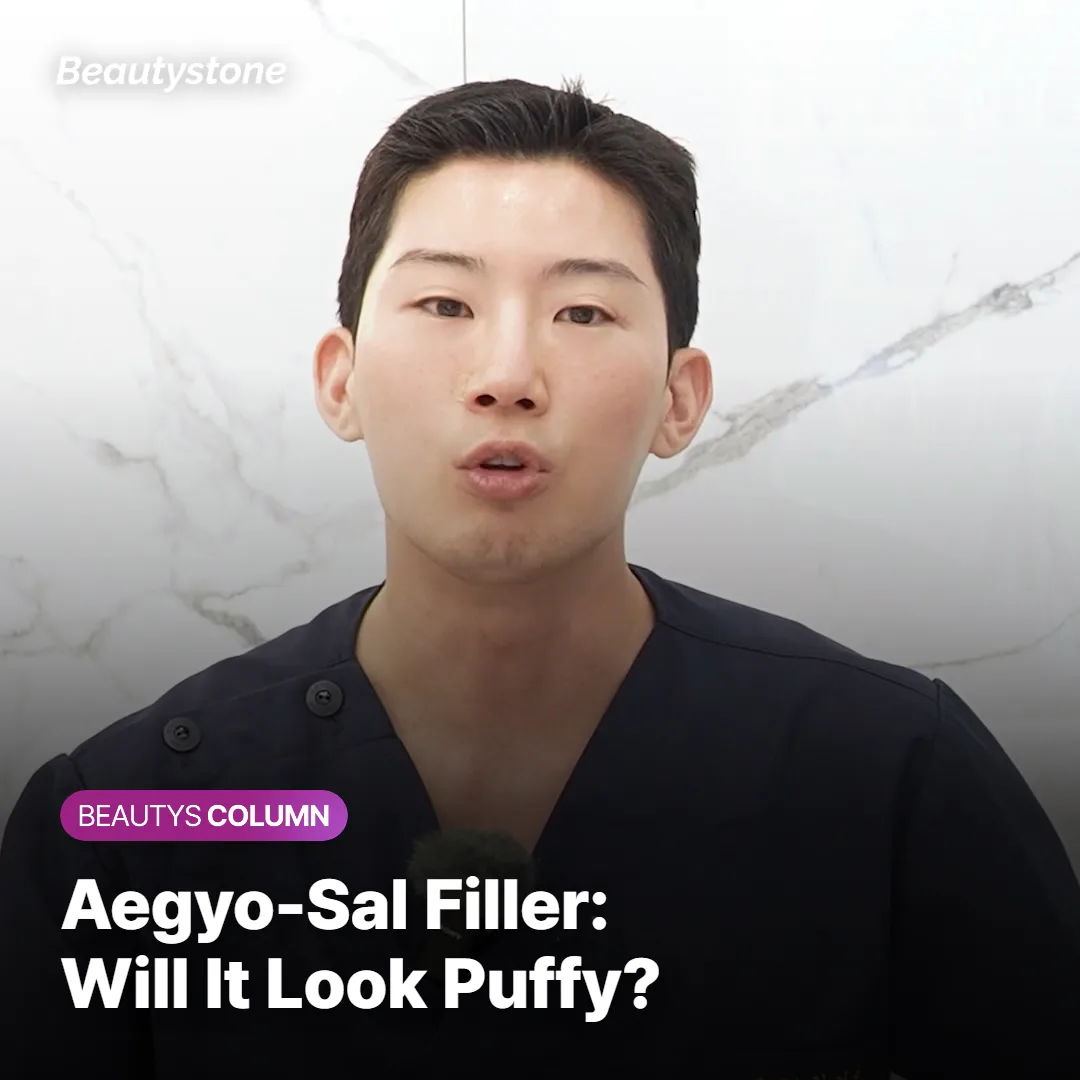
Aegyo-Sal Filler: Will Your Eyes Look Puffy?
Aegyo-sal filler works as a thin layer along the muscle roll under your lashes. Here's where it should sit, how much is typical, and when under-eye fat changes the plan.

Whether aegyo-sal filler makes your under-eyes look puffy comes down to where it goes and how much goes in. A technique review on this exact procedure places the filler within a band about 4 to 6 mm below the lash line, above the crease that appears when you smile, at no more than roughly 0.2 to 0.4 mL per side when a needle is used. Go below that crease, or inject too deep or too much, and instead of a soft roll you tend to get a swollen look across the whole lower eyelid.
So before choosing a thickness, it helps to know what's already under your eye. A roll formed by muscle when you smile and a pocket of fat that bulges even at rest look completely different once filler is added. In this article, we'll walk through what aegyo-sal actually is, the numbers that keep it from looking puffy, how to tell a muscle roll from under-eye fat in the mirror, what happens if you want it dissolved, and what to bring to a consultation at Beautystone, a dermatology clinic in the Hongdae–Hapjeong area of Seoul. This article introduces a treatment offered at the clinic.
What Is Aegyo-Sal, Exactly?
Aegyo-sal is the small, rounded band just under the lower lashes that makes eyes look brighter when you smile. It isn't fat. It's the part of the orbicularis* muscle that sits in front of the lower eyelid's firm plate, pushed slightly forward.
*Orbicularis: the thin ring of muscle around the eye that closes it and makes the lower lid bunch up when you smile.
According to an anatomy-based review of filler techniques for this area, there is minimal or no fat above and below this muscle, and the roll usually shows when you smile rather than at rest. That shapes the whole treatment: filler for aegyo-sal is a thin layer laid along an existing muscle band, not a way to fill the hollow below the eye.
There's a simple mirror check. Look straight ahead, then gently push the skin under your lower eyelid upward with a fingertip. If a rounded band appears just under the lashes, your muscle can already form an aegyo-sal shape. The same review describes people whose eyelid muscle forms this shape when the skin is pushed up as the ideal candidates, since it suggests good skin elasticity and minimal sagging.

The Two Numbers That Decide Whether It Looks Puffy
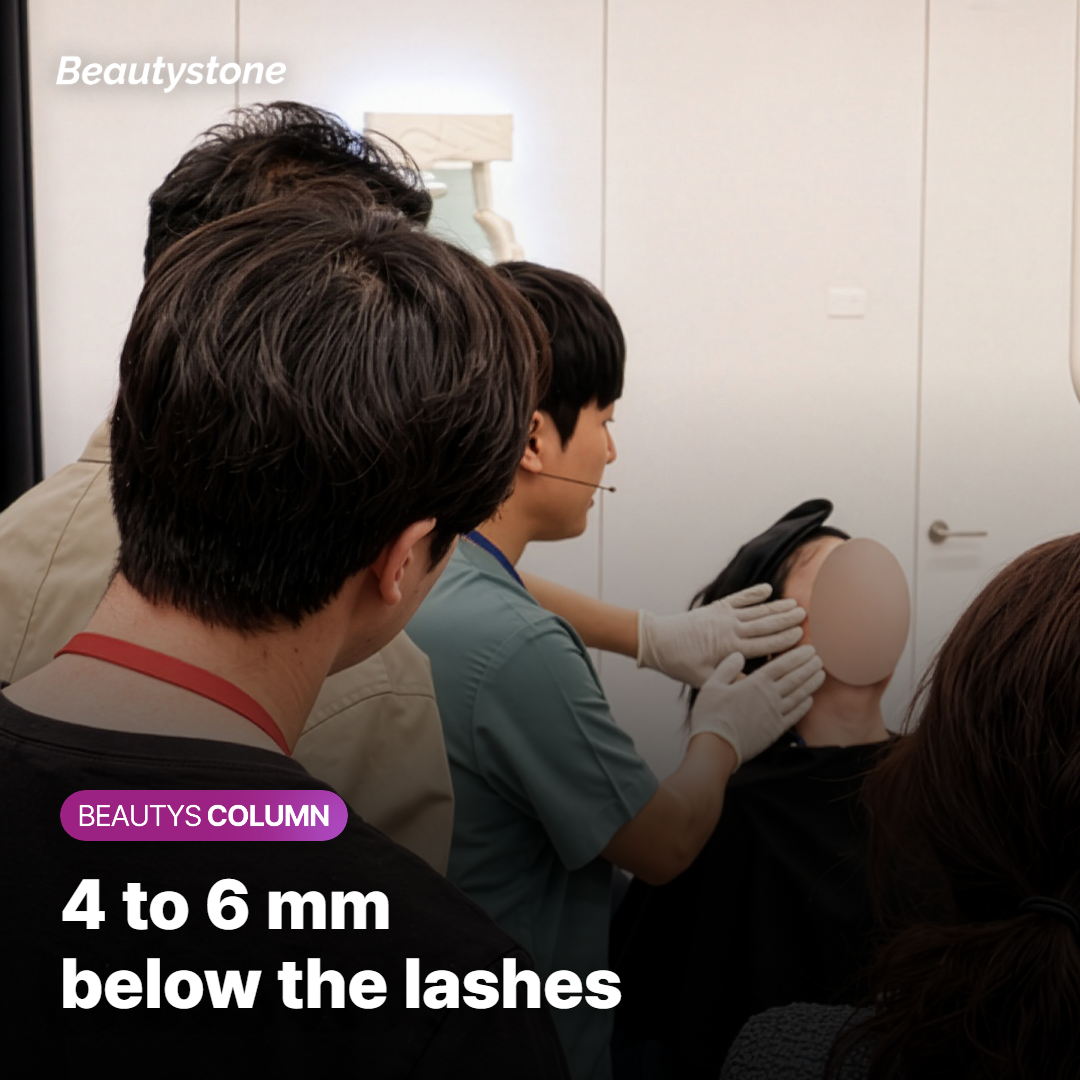
The first number is width. The review recommends asking the patient to smile first to find the natural crease of the lower eyelid, keeping the filler within about 4 to 6 mm of the lash line, and not adding volume below that crease. Once filler drifts below the line toward the cheek, the roll that used to appear only with a smile starts making the under-eye look heavy even when your face is relaxed.
The second number is volume, along with depth. With a needle, the review describes a maximum of about 0.2 to 0.4 mL per side. It also notes that injecting too deep can cause general puffiness without the plumpness you wanted, while injecting too close to the surface can leave the line broken or create small bumps. A softer hyaluronic acid filler is preferred over a firm one for the same reason.
There's also a reason the under-eye swells so easily. A paper describing eight years of under-eye hollow filler treatment explains that the superficial lymphatic system in this area is very delicate and often leads to swelling over the cheekbone, and that injection volume is directly related to the risk of short-term swelling. In that practice, about 51% of patients reported short-term swelling after under-eye hollow treatment, and roughly 19% showed later-onset swelling. Those figures come from a different procedure in a single clinic, so they don't transfer directly to aegyo-sal. The direction does, though: in this tissue, less volume means less swelling.
When Your Under-Eye Bulges Even at Rest
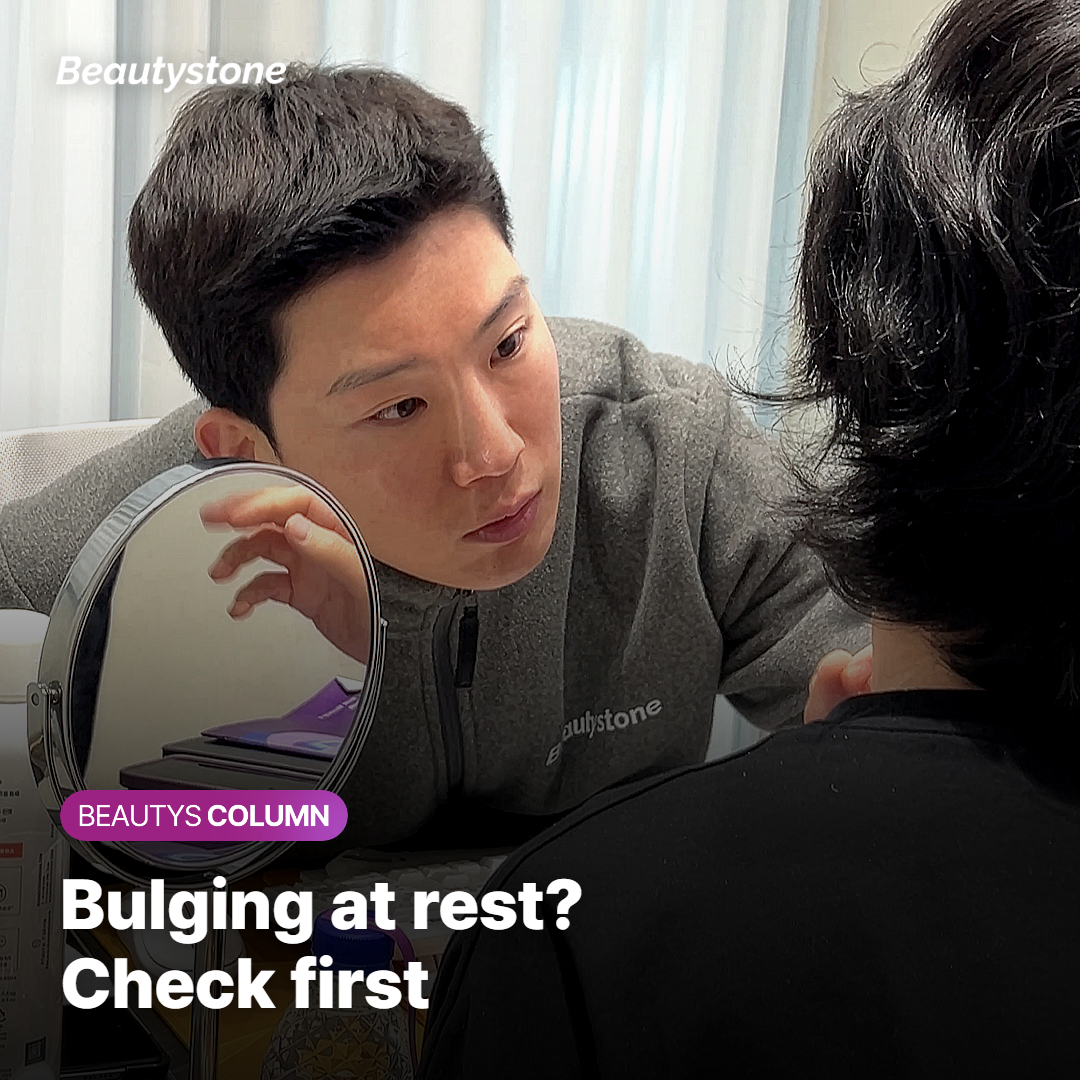
Some people come in for aegyo-sal and leave with a different conversation. If the area under your eye bulges even when your face is relaxed and looks worse in the morning, it's more likely fat from inside the eye socket pushing forward than a muscle roll. In the same under-eye paper, prolapsed fat pads are listed under candidates to treat with caution.
Adding aegyo-sal on top of a fat bulge can make the lower eyelid look like two stacked ridges, which exaggerates the puffiness you were trying to avoid. That's why it helps to sort out which kind of eye you have first.
| What you see in the mirror | What to look at first |
|---|---|
| A band appears under the lashes only when you smile, and pushing the skin up shapes it | You're likely a candidate for aegyo-sal filler |
| The under-eye bulges even at rest and looks worse in the morning | Check for under-eye fat or the cause of swelling first |
| The area looks sunken and shadowed rather than bulging | Sort out whether it's hollowness, pigment, or visible vessels before choosing a treatment |
If the last row sounds like you, aegyo-sal filler isn't the first question. A dark circle from pigment or blood vessels won't be solved by adding a roll above it.
Side Effects and Risks: Bruising, a Bluish Tint, and When to Call
Bruising is common here. The review lists a high likelihood of bruising as one of the main challenges of this procedure, along with an uneven surface and an unnatural look if the area is overfilled. Most bruises fade over several days. If the area feels slightly tender and looks a little better each day, that's within the expected course.
Filler placed too close to the surface can also show through the thin skin as a bluish tint, often called the Tyndall effect. When it's pronounced and molding doesn't fix it, the review's approach is to dissolve the filler and redo the treatment.
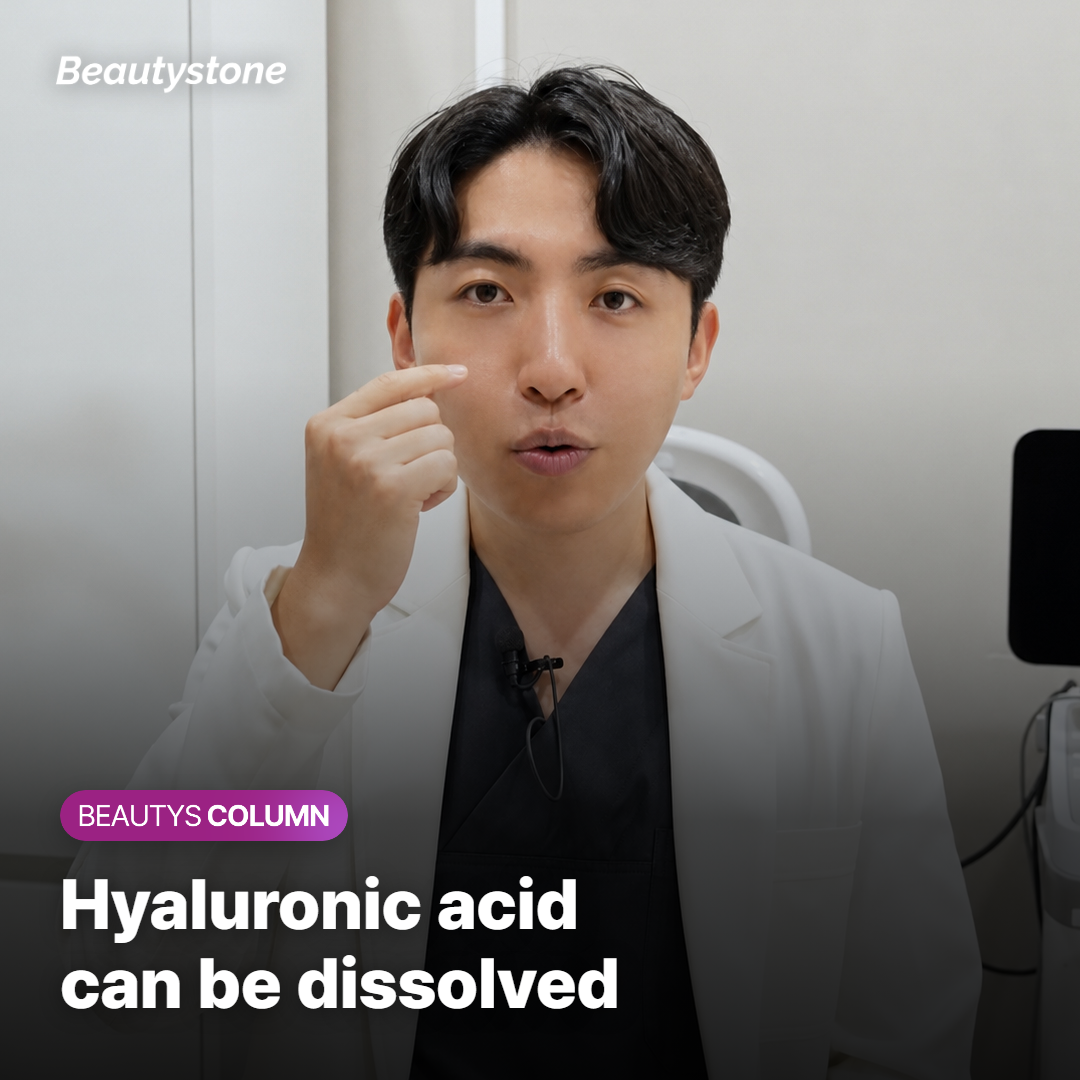
That's possible because hyaluronic acid fillers can be broken down with an enzyme called hyaluronidase*. It doesn't always work in one go, though. In a laboratory and animal study, monophasic fillers needed higher doses and multiple treatments to dissolve, compared with biphasic ones. Fillers made from other materials, such as silicone, can't be dissolved this way, so if you've had under-eye filler before and don't know the product, that's worth finding out first. A history of severe allergy to bee stings also matters, since it's asked about before hyaluronidase is used.
*Hyaluronidase: an enzyme that breaks hyaluronic acid into small pieces the body can clear.
Some signs shouldn't wait. If the skin turns pale or shows a net-like discoloration, the pain is getting worse instead of better, or your vision becomes blurry, contact the clinic that treated you right away. Vascular occlusion is rare, but it has resulted in blindness and skin necrosis, and acting quickly matters.
What to Bring to Your Consultation
At Beautystone, the doctor marks where the smile crease forms while comparing your relaxed face and your smile, then decides placement and amount from there. Whether the roll runs evenly from the inner to the outer corner or is slightly fuller in the middle is a choice made after seeing that line and any fat below it.
If you're messaging the clinic before a visit, these details make the conversation shorter:
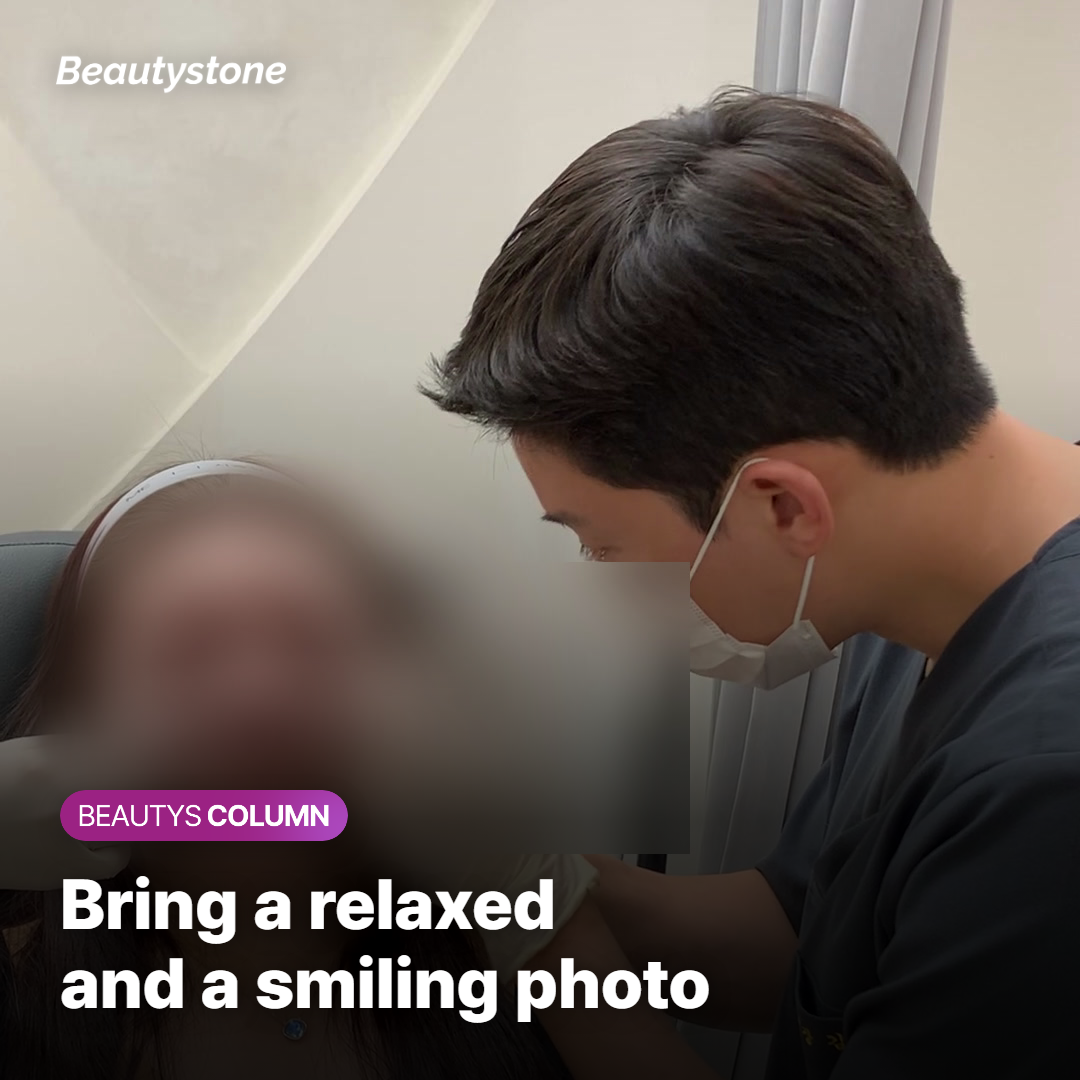
- Front-facing photos of your relaxed face and your smile, taken in the same light
- Whether your under-eyes look puffier in the morning
- Any previous filler around the eyes, including when it was done, the product if you know it, and whether it was ever dissolved
- Any history of a severe reaction to a bee sting
For visitors from abroad, the clinic takes messages on WhatsApp, so you can send the photos and notes before planning your trip to Seoul.
The Bottom Line
- Aegyo-sal is a muscle roll under the lashes, and filler works best as a thin layer along it.
- Staying within about 4 to 6 mm of the lash line and above the smile crease keeps it from looking puffy.
- A needle-based guideline is up to about 0.2 to 0.4 mL per side, kept soft and not too deep.
- If your under-eye bulges at rest, check for fat or swelling before adding a roll.
- Hyaluronic acid filler can be dissolved, though some products need more than one session.
How it looks on you depends on your muscle, skin, and what sits below the lower lid. If you're not sure whether your eye has a muscle roll or a fat bulge, send Beautystone two photos, one relaxed and one smiling, and the doctor will start from there.
Frequently Asked Questions
Q. Is it normal for aegyo-sal to show only when I smile?
A. Yes. A natural aegyo-sal usually stays subtle at rest and becomes fuller when you smile. If you want it clearly visible even at rest, it may look too heavy when you smile, so the amount is set by the difference between the two expressions.
Q. Can I get under-eye hollow filler on the same day?
A. The two sit in different places, so they can be planned together. Rather than adding a lot at once, some experts suggest starting small and <a href="https://pmc.ncbi.nlm.nih.gov/articles/PMC9026508/">returning about a month later if more filler is needed</a>.
Q. Can filler create aegyo-sal if I barely have any?
A. If pushing the skin up doesn't form much of a band, filler alone tends to look like fixed fullness rather than a roll that moves with your smile. Bringing a photo of the shape you like helps set a realistic range.
Q. How far ahead of an event should I book?
A. This area bruises easily, so it's safer not to book right before an important date. Share the date when you get in touch, and the treatment day can be planned around the time bruising and swelling need to settle.