

Undereye Boosters: Downtime Depends on Dose
The undereye skin booster you choose isn't what decides your downtime — the concentration it's injected at is. Here's why dilution, not brand, is the variable that actually matters.

If you've read undereye skin booster reviews, you've probably run into two totally different stories: one person swollen for a week, another looking completely normal the next morning after the exact same product. You're not imagining the mismatch, and it's not luck.
The short answer? It usually comes down to concentration, not brand. In this article, we'll cover what these injections actually do, why dilution changes your downtime more than which product you pick, and how to tell which type of undereye concern you're actually dealing with.
What Is an Undereye Skin Booster, Anyway?
An undereye skin booster is a series of tiny injections — usually polynucleotide (PN) or hyaluronic acid (HA) — placed directly into the dermis to improve the skin itself: thickness, texture, and hydration. That's different from undereye filler, which adds volume to smooth out a hollow.
Because it works on skin quality rather than volume, a booster tends to fit best when your dark circles come from thin, almost see-through skin that lets the blood vessels underneath show — not from a structural hollow.
Rejuran is probably the most recognizable PN-based option, and HA-based boosters are common too. But according to providers who do this daily, which one you pick isn't the variable that decides how rough your first week looks.
Why Dilution Matters More Than Which Product You Pick
Here's what actually drives the difference: concentration. PN molecules pull water into the dermis, and that's a normal part of how they work — it's also what causes visible puffiness right after injection.
Undereye skin is about 0.5mm thick, the thinnest skin on the face, so that water-pulling reaction shows up more obviously there than almost anywhere else you'd get a skin booster.
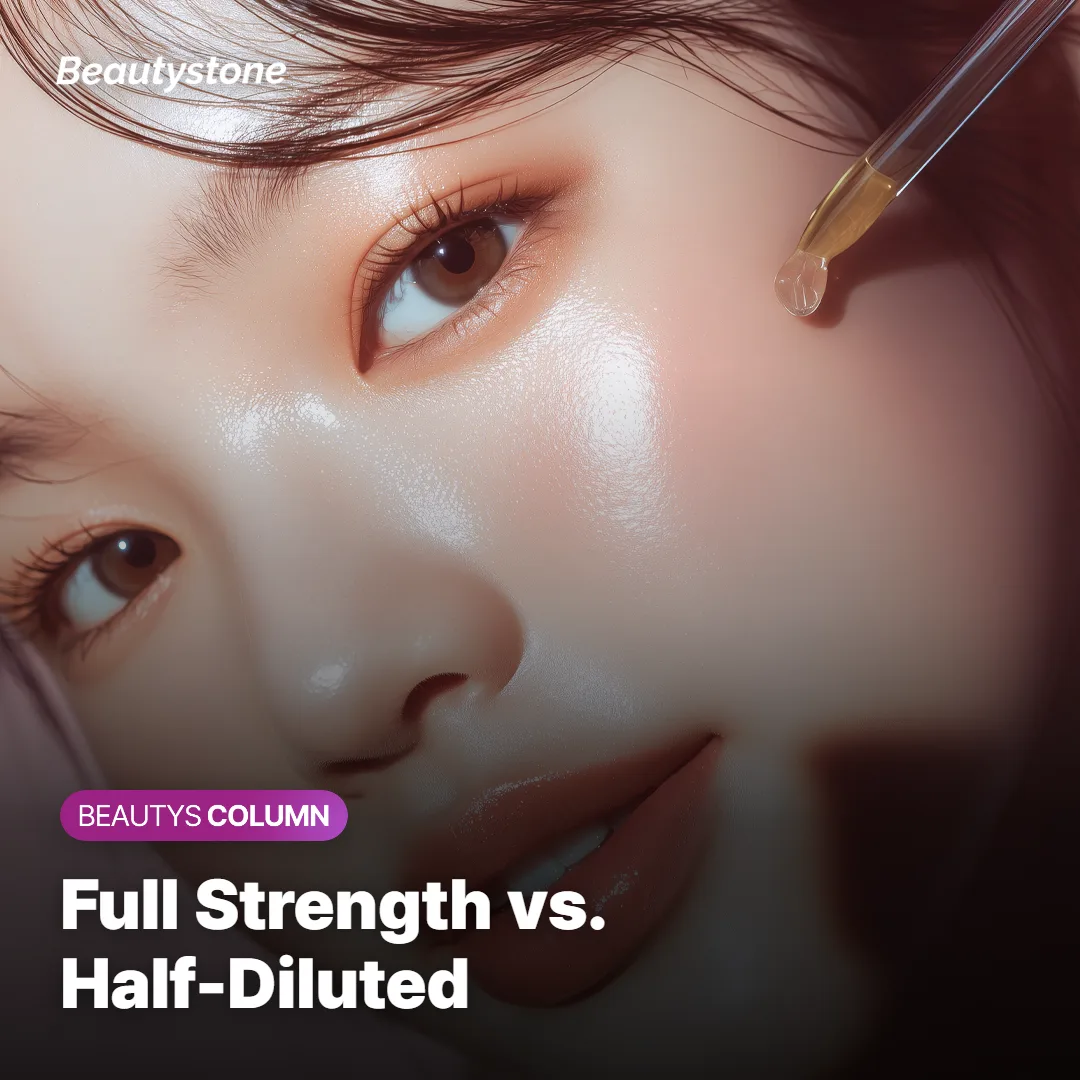
Full concentration: Injected at standard strength (for Rejuran, that's roughly 20mg/ml), the water-binding reaction is stronger, and visible swelling can stick around for one to two weeks.
Diluted, around half-strength: Cutting the concentration with saline softens that initial reaction. Swelling is often barely noticeable by the next day.
The trade-off is that a diluted injection delivers a milder collagen stimulus per session, so providers who dilute typically add one extra session to reach the same cumulative dose. It's not a shortcut — it's a different way of spreading out the same result.
| Factor | Full Strength | Diluted (~50%) |
|---|---|---|
| Visible swelling | 1–2 weeks | Usually gone by the next day |
| Collagen stimulus per session | Stronger | Milder — often needs one extra session |
| Best fit for | Thicker-skinned areas | The undereye area specifically |
Not All Undereye Circles Are the Same Problem
This mix-up comes up constantly: someone assumes a skin booster will fix a hollow undereye, books the appointment, and ends up disappointed.
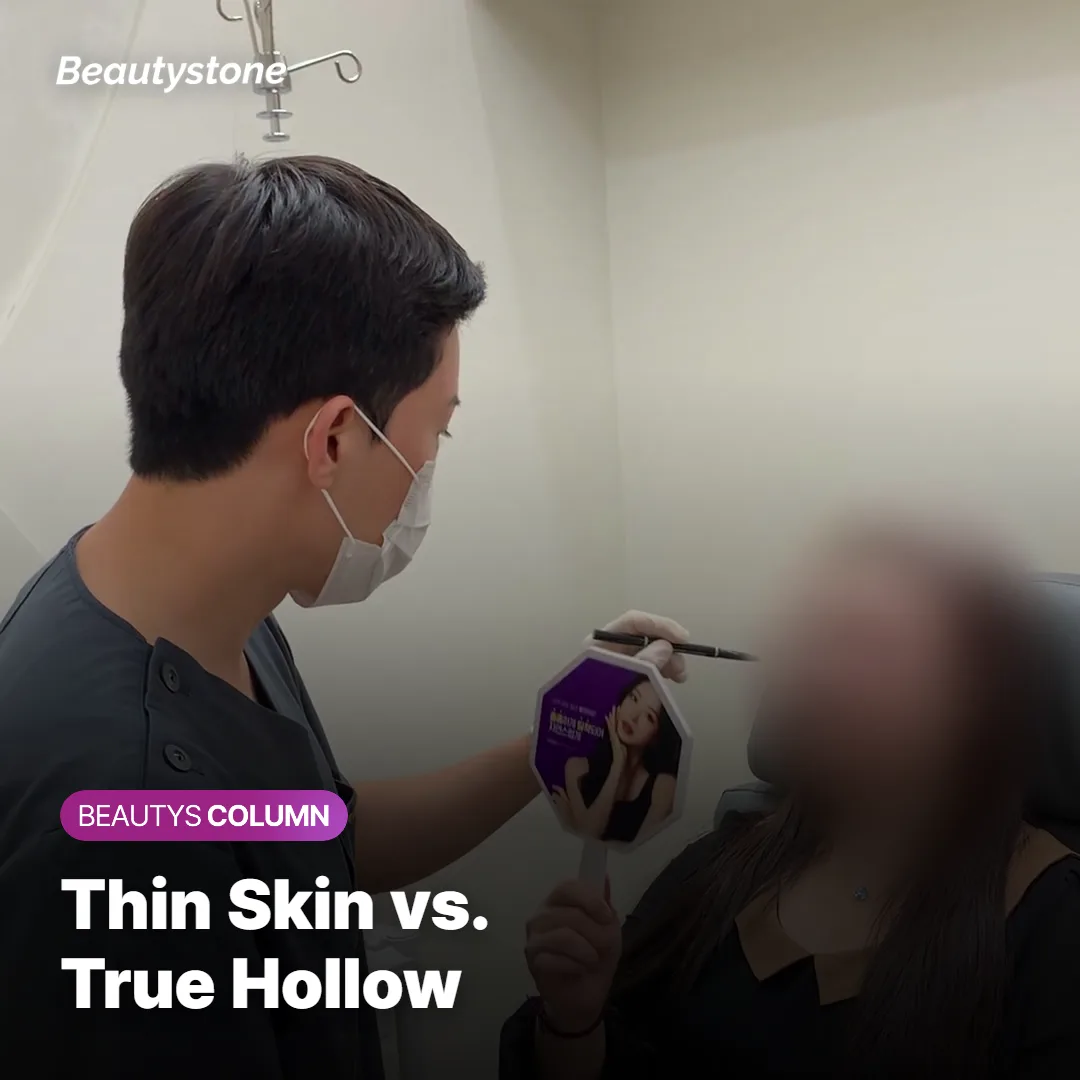
A booster improves skin quality. It doesn't add volume. If your under-eyes have a visible indentation — sometimes called a tear trough — that's a structural volume loss, and a booster on its own won't fill it.
- Thin, vascular-looking skin: A good candidate for a skin booster on its own.
- A visible hollow or indentation: Usually needs a conservative filler first, with a booster added later for skin tone and texture.
- Both at once: Providers generally treat the hollow first and space the booster out by a few months, rather than doing both on the same visit.
Stacking a filler and a full round of booster on the same visit can pile swelling on top of swelling — exactly the scenario that leaves people looking puffy for a month instead of a few days. Ask your provider which category you actually fall into before you book.
What to Expect: Sessions, Timeline, and Results
Most providers recommend three to four sessions to see a real difference, whether or not the injection is diluted.
A lot of people want to judge results after just one visit. With a diluted protocol, roughly one in five people are satisfied after a single session — the rest need two or three more before they notice a change themselves, even though before-and-after photos often show a difference sooner.
Results don't last as long here as they do in other areas either. Typical duration: six to nine months, shorter than you might expect, because the orbicularis oculi — the muscle that lets you blink and squint — moves constantly and breaks the effect down faster. A common pattern is three sessions in the first year, then a touch-up roughly every six months after that.
Side Effects & Risks
Let's be direct about this one.
- Bruising: Common — the undereye dermis has a fine network of small veins, and a needle or cannula can nick one even with a careful hand. Most bruising fades within three to five days and is easy to cover with concealer.
- Swelling: Expected short-term, and it usually settles within a few days to two weeks depending on concentration (see above).
- Vascular occlusion: Rare but serious — a blood vessel gets blocked, which can affect skin or, in the worst cases, vision. Estimates put this around 0.05% of injections, so it's uncommon but not zero.
Using a blunt cannula instead of a sharp needle in this area is one of the more consistent ways providers reduce that risk. If you notice sudden vision changes, severe pain, or skin turning pale or dusky after an injection, seek medical care right away — don't wait it out.

How Much Does It Cost?
Pricing for undereye skin boosters varies a lot by clinic, product, and how many sessions your provider recommends, and dilution protocols can shift the total package price too. There's no single number that applies across the board, and quotes depend on your specific plan.
If you're weighing the cost, a consultation is genuinely the best way to get a real number for your situation — you can see current offers at /en/promotion.
The Bottom Line
A few things worth remembering:
- The product name matters less than the concentration it's injected at.
- A diluted injection usually means less downtime, at the cost of a milder result per session.
- A skin booster treats skin quality, not volume — a hollow undereye needs a different plan.
- Bruising is common and temporary; serious complications are rare but worth knowing the warning signs for.
Like any procedure, it comes with trade-offs, and everyone's skin responds a little differently. Ultimately, the choice of concentration, product, and session count depends on your skin, your goals, and how much downtime you can work around.
If you're considering an undereye skin booster, a consultation is the best way to find out what fits you. Beautystone is a dermatology clinic in Seoul's Hapjeong neighborhood — see current offers at /en/promotion.
Frequently Asked Questions
Q1. Does an undereye skin booster hurt?
Most people describe it as pressure and pinching rather than sharp pain, especially since providers use a cannula instead of a needle in this area. A topical numbing cream beforehand takes the edge off further, and any discomfort is over within a few minutes.
Q2. How many sessions will I actually need?
Plan on three to four sessions for a noticeable change. Some people are happy after one diluted session, but most need at least two or three before they see the difference in the mirror rather than just in before-and-after photos.
Q3. How long do the results last?
Typically six to nine months — shorter than other areas of the face, since the muscle around your eyes moves constantly. Many people settle into a pattern of three sessions in the first year, then a touch-up roughly every six months.
Q4. Is bruising normal after this treatment?
Yes, some bruising is close to universal given how many small veins run through undereye skin. It usually clears up within three to five days, and concealer covers it easily in the meantime. Serious complications like vascular occlusion are rare, but tell your provider immediately if you notice sudden vision changes or unusual pain.