
Red Face After Spicy Food: Normal If It Fades in 60 Minutes
How long a spicy-food flush should last, what a next-morning red face means, and the five signs that say it is time to get checked.


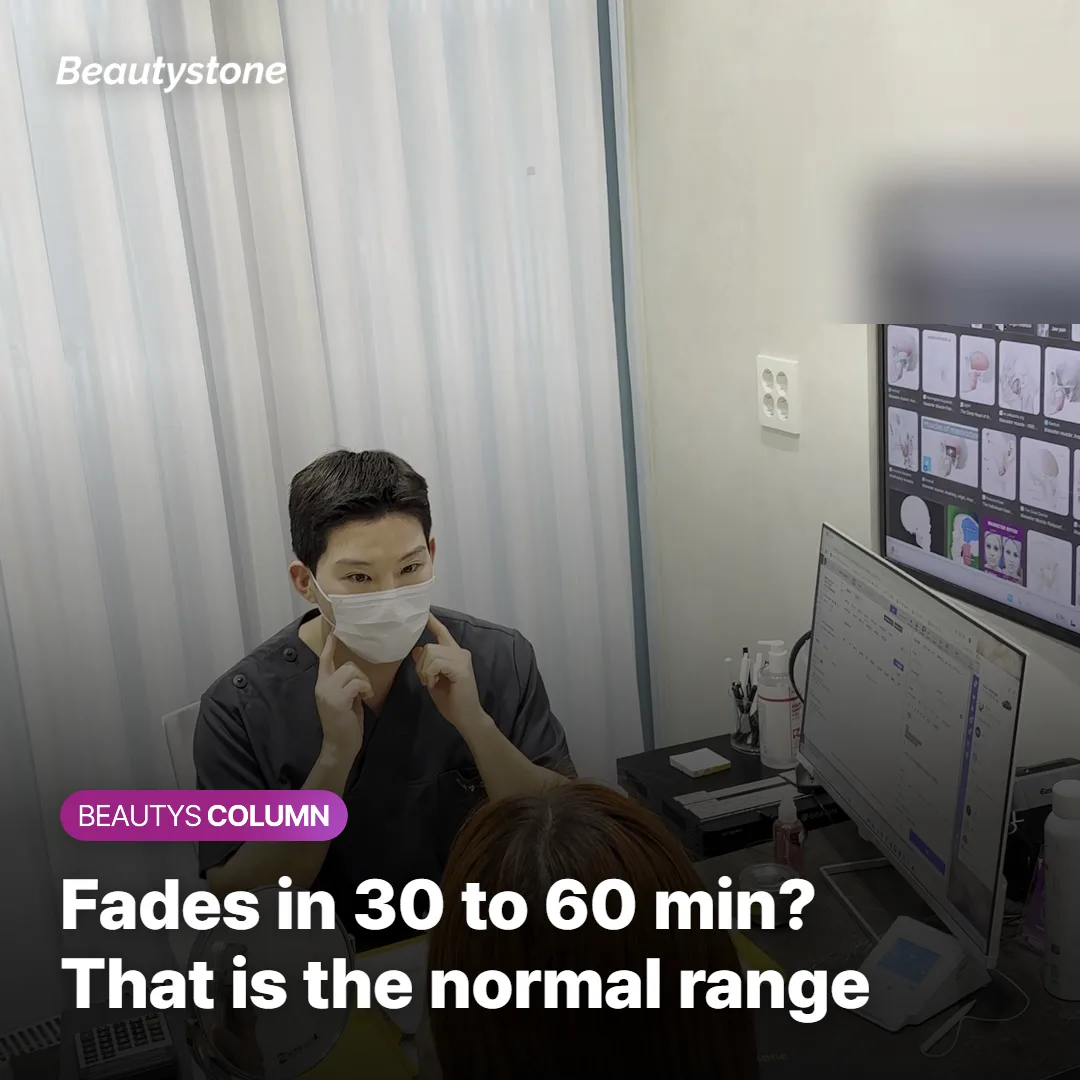
Here is the short answer first: if your face turns red after eating spicy food and the color fades within 30 to 60 minutes, that is the normal range. Almost everyone flushes. What separates an ordinary flush from something worth checking is not how red you get, but how long the red takes to leave.
Below is that clock: what the first hour should look like, why two people react so differently to the same bowl, and when lingering redness stops being a quirk. Individual responses vary.
What the First Hour After Eating Spicy Food Should Look Like
The useful measurement is not intensity. It is duration. Redness that clears within 30 minutes to an hour after a spicy meal sits inside the normal range of vascular response, and skin is usually back to its baseline tone by the end of the day. Redness still on your nose and cheeks hours later, or the next morning, is the version worth watching.
| Time after the meal | What is typical | What it means |
|---|---|---|
| During the meal | Face feels hot, cheeks color up | Cooling response starting |
| 10 to 30 minutes | Color at its most obvious | Peak, not a warning sign |
| 30 to 60 minutes | Redness fading, skin cooling | Normal vascular response |
| Same evening | Back to your usual tone | Fully recovered |
| Next morning | Nose and cheeks still red | Outside the usual range |
Time it once. Note the clock when you finish eating and check a mirror at 30 and 60 minutes. That personal baseline beats any general number, because what matters later is your own face against itself.
Why One Person Fades in 10 Minutes and Another Stays Red for Hours
Capsaicin, the compound that makes chili taste hot, binds to the TRPV1 receptor, the same one your body uses to register pain and heat. Your nervous system reads that as a rise in temperature and does what it would on a hot day: it widens the blood vessels near the surface of your skin so heat can escape. The flush is a cooling system working.
That part is universal. What differs is how strongly those vessels react and how fast they return to their resting width, and the recovery speed is the part carrying information. Flushing hard and settling quickly is normal. Flushing mildly but taking hours to let go says more about your vascular tendency.

Two Things Worth Doing Before Bed, and One Worth Skipping
Nothing you do afterwards speeds the flush up much, but two habits change how your skin looks the next morning.
- Drink more water than usual, including a glass before bed. Spicy dishes are heavily seasoned, and that sodium load shows up as morning puffiness.
- Keep the evening routine gentle: lukewarm water rather than hot, then something calming rather than something active.
The thing to skip is strong actives that night. Your surface vessels are still dilated and your skin is more reactive than usual, so a retinol or an AHA lands on skin that is already worked up. Push them to the next evening.
It Was Probably Not the Chili Alone
Spicy food on its own does not directly cause breakouts. But spicy meals rarely arrive alone, and the company they keep is what shows on your skin a day or two later.
Take spicy tteokbokki. On paper it is a spicy dish. In practice it is capsaicin plus a sweet sauce plus refined carbohydrate in the rice cakes plus a salty broth. No single element is the culprit; the combination is, with sugar and refined starch driving insulin spikes and salt and oil feeding low-grade inflammation.
So the practical move is not to give up spicy food but to trim what arrives with it. A total ban is a rule most people drop within two weeks.
- Keep the chili, dial back the sugar in the sauce.
- Manage portion size and frequency instead of banning a category.

5 Signs the Redness Is No Longer Just Your Constitution
Everything above assumes a flush that comes and goes. The picture changes when redness starts outstaying the meal.
- Flushing set off not only by spicy food but also by hot drinks, alcohol, a sauna, exercise or sun exposure.
- Redness that takes progressively longer to settle than it used to.
- Small visible capillaries becoming more noticeable around the nose and cheeks.
- A frequent burning or stinging feeling across both cheeks.
- Small bumps or pustules appearing around the pores.
One sign alone is weak evidence. Two or more together is the threshold worth acting on, and rosacea is the name that usually comes up in that conversation. An evaluation gets you an answer faster than another six months of guessing.
Timing matters: if triggers keep firing while the redness already takes hours to clear, the capillaries can gradually widen and the pattern can turn chronic.
This is general information from Beautystone, a skin clinic in Seoul, and not a diagnosis. Constant facial redness, or flushing that arrives with pustules, should be assessed by a medical professional rather than managed at home.
Frequently Asked Questions
When will the redness fade after eating spicy food?
For most people the color peaks in the first half hour and is gone 30 to 60 minutes after the meal, with skin back to its usual tone by evening. Still visible the next morning is outside that range.
Is a red face after spicy food a sign of a problem?
Not by itself. Widening surface vessels in response to capsaicin is a normal cooling reflex that happens to everyone. The signal is in the duration and the trend, not in the redness itself.
Do hot drinks and alcohol cause the same flushing?
They can. Hot drinks, alcohol, saunas, exercise and sun exposure act on the same surface vessels. Reacting strongly to several of them, not just to spicy food, is one of the signs above.
Does it matter how often I eat spicy food?
It matters more once the redness lingers. If triggers keep firing while your face already takes hours to clear, capillaries can gradually widen and the pattern can turn chronic.